
Creatine for Healthy Aging: More Than a “Gym Supplement”
Most people still think creatine is just for muscle gains in the gym.
But the research tells a very different story.
Creatine is one of the most well-studied, safest, and most affordable supplements available, and its benefits extend far beyond performance. From brain health and fertility to metabolic resilience and healthy aging, creatine plays a central role in cellular energy production.
And here’s something many people don’t realize:
Meat and fish are the only meaningful natural dietary sources of creatine.
If you eat little to no red meat or fish, your creatine intake is likely low.
Let’s break down why creatine matters — especially as we age.
What Is Creatine?
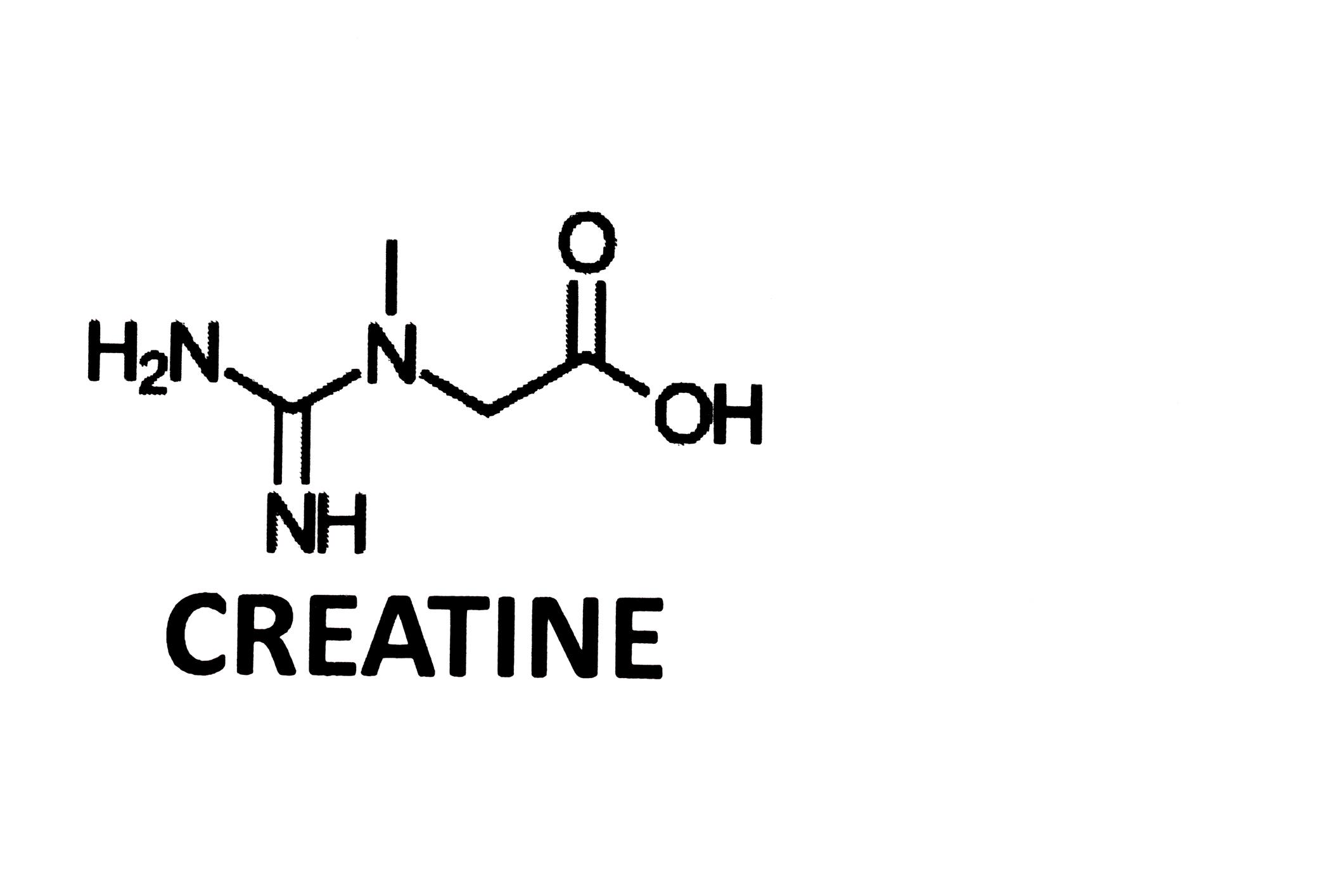
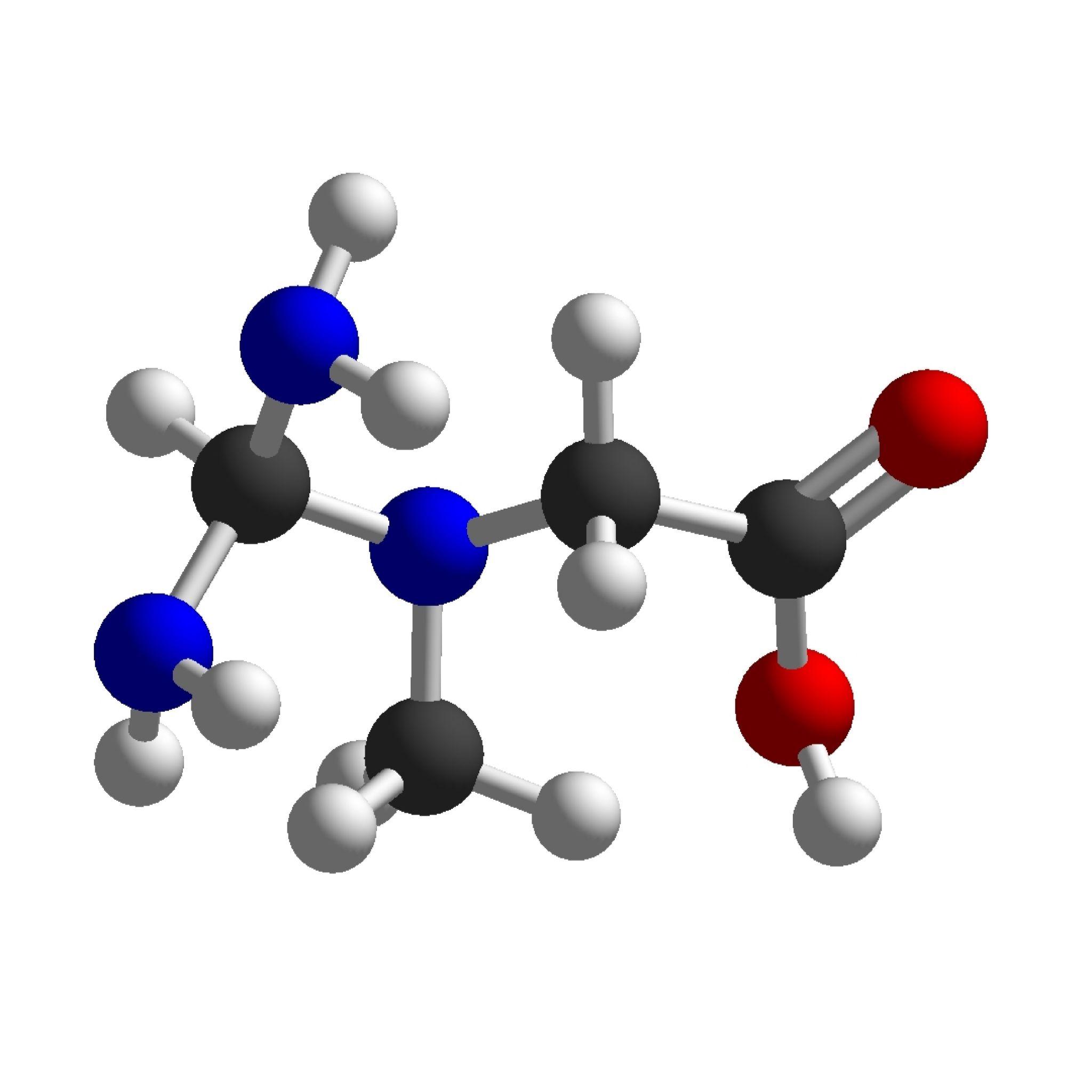
Creatine is a naturally occurring compound stored primarily in your muscles and brain. It works through the creatine–phosphocreatine energy system, which helps regenerate ATP (adenosine triphosphate) — the primary energy currency of your cells.
No ATP = no cellular energy.
As we age, ATP production efficiency declines. That’s one reason energy, cognition, and muscle mass tend to decline over time.
Creatine helps buffer that loss.
Creatine in Nature: Meat & Fish Only
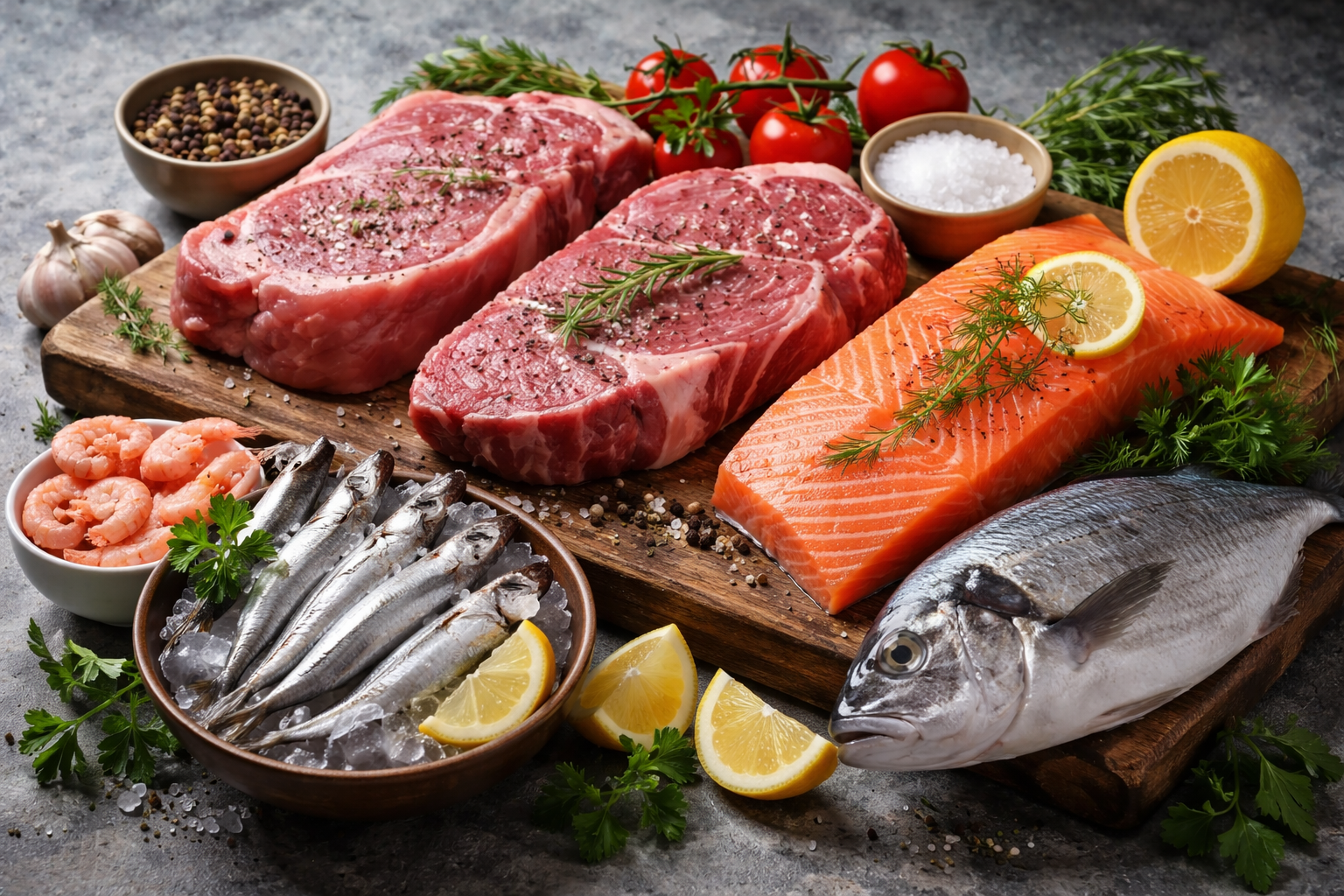
Creatine is found naturally in:
-
Beef
-
Lamb
-
Pork
-
Salmon
-
Tuna
-
Sardines
Plant foods do not contain creatine.
That means vegetarians, vegans, and people who eat minimal animal protein are especially likely to have lower creatine stores.
Even heavy meat eaters often don’t reach the amounts used in clinical research (5–20 grams per day).
7 Powerful Benefits of Creatine
1. Supports Brain Function & Cognitive Performance
Your brain is one of the most energy-demanding organs in your body.
Creatine increases brain phosphocreatine stores, helping regenerate ATP more rapidly. Clinical research shows improvements in:
-
Memory
-
Attention
-
Processing speed
-
Mental fatigue resistance
The cognitive benefits appear especially strong in older adults, individuals under stress, and those who are sleep deprived.
At higher doses (around 20g daily), creatine can increase brain creatine stores more substantially — which is where we often see more pronounced cognitive effects.
If you want a sharper brain as you age… creatine is worth serious consideration.
2. Especially Important for Women
Research shows women typically have 70–80% lower creatine stores than men.
Emerging data suggests creatine intake from food is associated with:
-
Lower odds of irregular menstrual cycles
-
Reduced risk of certain pregnancy complications
-
Better sleep quality in peri/postmenopausal women
-
Improved bone outcomes when combined with resistance training
Creatine plays a critical role in reproductive tissue and placental energy metabolism. During pregnancy, the creatine–phosphocreatine system supports the developing fetus.
For women across the lifespan — from reproductive years through menopause — creatine appears far more important than previously recognized.
3. Supports Male Fertility
Sperm require enormous amounts of energy to move effectively.
Low semen creatine is associated with poor sperm count and motility. Supplementation may improve sperm energy metabolism through the same ATP-regenerating mechanism.
If a couple is planning to conceive, creatine deserves consideration as part of a comprehensive preconception plan.
4. Brain Injury, Mood & Neurological Support
Creatine shows promise in conditions involving impaired brain energy metabolism, including:
-
Concussions and traumatic brain injury
-
Depression
-
Anxiety
-
Neurodegenerative conditions
-
Sleep deprivation
-
Hypoxic injury
Many neurological and psychiatric disorders share a common feature: mitochondrial energy dysfunction.
Creatine directly supports cellular energy availability — which may explain its broad therapeutic potential.
5. Metabolic & Cardiovascular Support
Creatine has been studied for benefits in:
-
Statin-associated muscle symptoms
-
Muscular dystrophy
-
Homocysteine regulation
-
Muscle function in metabolic conditions
Improving cellular energy metabolism can positively influence muscle performance, metabolic resilience, and overall vitality.
6. Potential Chronic Pain Support
In fibromyalgia and other chronic pain conditions, impaired muscle energy production is common.
Creatine may improve muscle energy availability and strength, with stable or improved pain outcomes in some trials.
While not a cure, it may serve as a helpful adjunct in patients dealing with chronic muscle fatigue and pain.
7. Healthy Aging & Sarcopenia Prevention
 Sarcopenia — age-related muscle loss — is one of the biggest drivers of frailty, falls, fractures, and loss of independence.
Creatine has strong evidence for:
-
Preserving muscle mass
-
Enhancing strength gains from resistance training
-
Supporting bone density when combined with exercise
-
Reducing muscle atrophy in older adults
If you have aging parents — or if you are over 40 — creatine should be part of the conversation.
Healthy aging is not just about living longer.
It’s about staying strong, sharp, and independent.
Dosage Considerations
Based on human clinical studies:
-
5 grams per day – Baseline for muscle & general health
-
10 grams per day – Bone and aging support (especially women)
-
20 grams per day – Cognitive performance and brain benefits
Many people stop at 5 grams.
But depending on your goals — particularly brain and aging benefits — higher intakes may be appropriate.
As always, individualization matters.
A Final Word on Quality
Not all creatine is created equal.
Since you’re potentially taking 5–20 grams daily, purity and testing matter. Look for:
-
Creatine monohydrate
-
Third-party testing
-
Minimal additives
Given its safety profile, cost-effectiveness, and research depth, creatine is one of the rare supplements that offers high upside with very low downside.
If you’re not taking creatine yet — especially if you’re concerned about brain health, muscle loss, or healthy aging — it’s time to consider it.