
Can Collagen Improve Insulin Resistance?
 Most people think of collagen as a supplement for skin, hair, and joints.
And while that’s true…
There’s emerging research showing that collagen—when taken at the right dose—may have a much deeper impact on your health.
In fact, collagen may play a role in improving insulin resistance and metabolic function.
And the key number to understand is this:
👉 15 grams per day
Why Insulin Resistance Matters

Before we talk about collagen, let’s understand the problem.
Many people today are dealing with:
- Fatigue after meals
- Brain fog
- Stubborn weight gain
- Elevated blood sugar or HbA1c
These are often signs of insulin resistance.
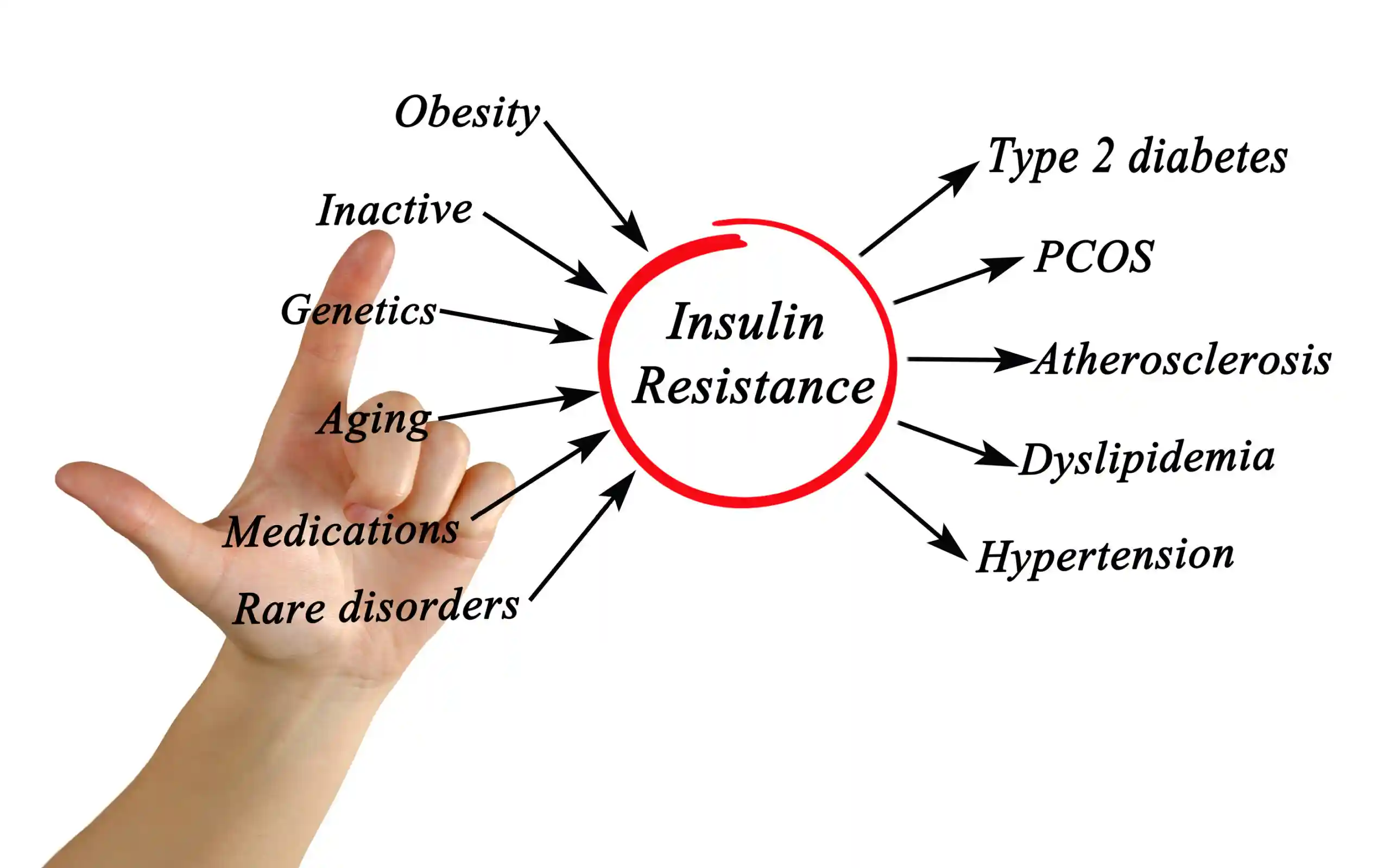
Insulin resistance occurs when your cells stop responding properly to insulin. As a result:
- Glucose doesn’t enter the cells efficiently
- Blood sugar stays elevated
- The body produces more insulin
Over time, this can lead to metabolic dysfunction and chronic disease.
But here’s the key point:
👉 Insulin resistance is not just a hormone problem—it’s also a cellular and structural problem.
The 15g Collagen Breakthrough
A study looking at resistance training found something very interesting.
Participants who took 15 grams of collagen peptides after workouts showed:
- Improved insulin signaling
- Better glucose uptake into muscle cells
- Increased metabolic flexibility
This suggests collagen may help your body respond better to insulin, not by increasing insulin—but by reducing resistance to it.
Why Collagen Works (It’s Not Just Protein)

Collagen is rich in the amino acid glycine, which plays a powerful role in metabolic health.
1. Supports Insulin Signaling
Glycine helps stabilize insulin receptors on the cell surface, allowing for:
- Better communication
- More efficient glucose uptake
2. Improves Mitochondrial Function
Collagen-derived peptides may activate pathways that:
- Improve energy production
- Enhance fat metabolism
- Support metabolic flexibility
3. Acts as a Cellular Signaling Molecule
Unlike many proteins, collagen peptides act as bioactive signals in the body—not just building blocks.
This is where collagen shifts from being a “joint supplement” to a metabolic support tool.
Collagen and Tissue Health (The Missing Link)
Another important factor in insulin resistance is something called advanced glycation end products (AGEs).
These compounds:
- Stiffen tissues
- Impair nutrient delivery
- Interfere with insulin signaling
Research shows collagen supplementation may help:
- Reduce AGEs
- Improve tissue quality
- Enhance nutrient exchange
👉 In simple terms: collagen helps create a healthier environment for metabolism to function.
Inside vs Outside the Cell: Why This Matters
Collagen appears to work on two levels:
Inside the Cell
- Improves insulin signaling pathways
- Enhances glucose transport
Outside the Cell
- Improves tissue structure
- Reduces inflammation and glycation
When both improve…
👉 Insulin can finally do its job effectively
How to Take Collagen for Metabolic Benefits
 If you want to apply this:
✔ Dose
- 15 grams per day
✔ Best Timing
- Immediately after resistance training
- OR with your first meal after training
✔ Alternative Option
- Evening use may support:
- Recovery
- Sleep (due to glycine)
Important Note
Collagen is not a replacement for protein intake.
It works alongside:
- Proper nutrition
- Strength training
- Blood sugar management
Think of it as a support tool, not a standalone solution.
Functional Medicine Perspective
 At Total Health Center, we look deeper than symptoms.
If you’re struggling with:
- Blood sugar issues
- Fatigue
- Weight loss resistance
There’s often an underlying cause—such as:
- Gut dysfunction
- Hormonal imbalance
- Chronic inflammation
Collagen can be helpful…
But the real goal is identifying why your metabolism isn’t working properly in the first place.
📞 Call to Action
If you’re dealing with insulin resistance, fatigue, or stubborn weight…
👉 We offer a FREE consultation to help you uncover the root cause.
📍 Total Health Center – Virginia Beach
📞 (757) 363-8571
🌐 www.totalhealthcentervb.com
FAQ Frequently Asked Questions
What is the best dose of collagen for metabolic support?
Research discussed in this article suggests that 15 grams per day may provide more meaningful metabolic benefits than smaller doses, especially when combined with resistance training.
Can collagen help with insulin resistance?
Collagen may help support insulin sensitivity by improving cellular signaling, supporting tissue health, and providing glycine, an amino acid involved in metabolic function.
Is collagen only good for skin and joints?
No. While collagen is well known for supporting skin, joints, and connective tissue, emerging research suggests it may also support metabolism, recovery, and glucose regulation.
When should I take collagen?
A practical option is after resistance training or with your first meal after training. Some people also do well taking it in the evening.
Does collagen replace protein powder?
No. Collagen is not a complete protein and should not replace a well-rounded protein intake. It works best as a supportive supplement alongside good nutrition.
Why is glycine important in collagen?
Glycine is one of the main amino acids in collagen. It may support recovery, sleep, tissue repair, and healthy metabolic signaling.
Can collagen help with blood sugar balance?
Collagen is not a substitute for a full blood sugar program, but it may support glucose handling and insulin response as part of a broader functional medicine approach.
Who may benefit from collagen supplementation?
People dealing with joint stress, recovery challenges, skin aging, poor tissue healing, or metabolic concerns such as insulin resistance may benefit from collagen as part of a personalized plan.