

A Science-Based, Practical Approach to Fasting for Better Health
Intermittent fasting (IF) has become one of the most popular health strategies in the world — and for good reason. In my practice, I’ve seen how the proper use of fasting can support weight loss, metabolic health, and even long-term disease prevention.
But it’s important to understand: intermittent fasting is not a diet — it’s an eating pattern.
Instead of focusing on what you eat, it focuses on when you eat.
Let’s break it down in simple, practical terms.
What Is Intermittent Fasting?
Intermittent fasting means intentionally cycling between periods of eating (“feasting”) and not eating (“fasting”). During your fasting window, you consume no calories (water, black coffee, and unsweetened tea are typically allowed).
There are several common approaches:
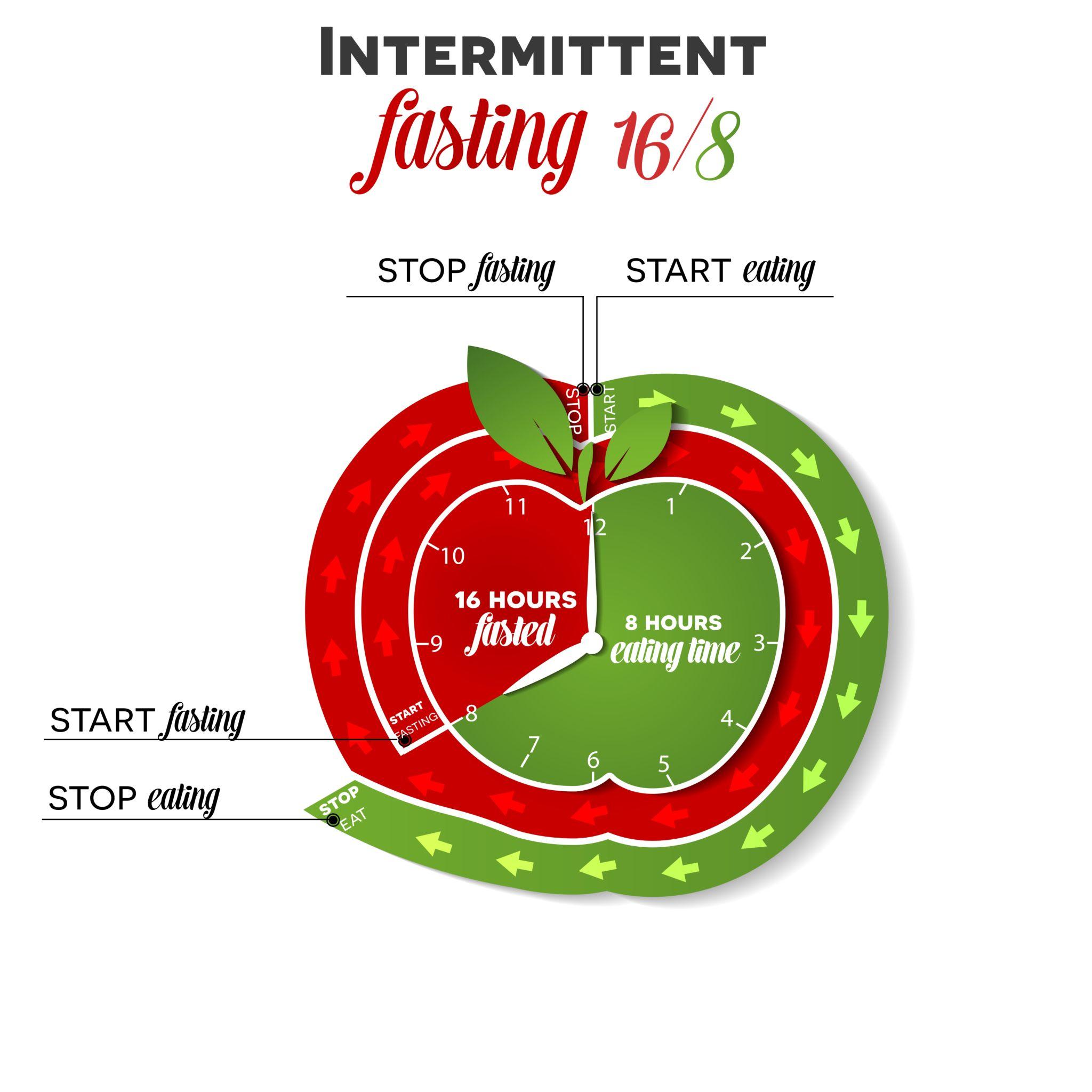
1️⃣ The 16/8 Method (Most Popular)
-
Eat between 12 PM and 8 PM
-
Fast for 16 hours daily
-
Essentially skip breakfast
This is often the easiest starting point for most people.
-
Finish dinner at 8 PM
-
Don’t eat again until 8 PM the next day
-
Done once per week
3️⃣ Advanced Fasting (36 Hours)
Typically reserved for those with specific health goals and proper supervision.
How Intermittent Fasting Works
When you eat, your body burns the energy from that meal first — especially carbohydrates. Insulin rises, signaling your body to store energy.
During a fasted state:
-
Insulin drops
-
Glycogen stores deplete
-
The body shifts toward burning stored fat
This metabolic shift is one of the primary reasons fasting can be so effective.
Key Hormonal Changes During Fasting:
-
✅ Insulin decreases (improving insulin sensitivity)
-
✅ Human Growth Hormone (HGH) increases
-
✅ Fat-burning enzymes increase
-
✅ Inflammation markers often decrease
In simple terms:
Fasting helps your body become more metabolically flexible.
Why Fasting Improves Insulin Sensitivity
Insulin is a storage hormone. Chronically elevated insulin promotes fat storage and increases risk of metabolic disease.
Fasting:
-
Gives insulin a “break”
-
Improves insulin receptor sensitivity
-
Helps the body use glucose more efficiently
-
Encourages stored fat mobilization
For many patients struggling with stubborn weight, metabolic resistance is the underlying issue — and fasting can be one of the tools that helps reset that system.
Evidence-Based Benefits of Intermittent Fasting
1️⃣ Supports Fat Loss (Especially Visceral Fat)
Short-term fasting may increase metabolic rate and target harmful abdominal fat.
2️⃣ Improves Insulin Resistance
Helps regulate blood sugar and metabolic health.
3️⃣ Reduces Inflammation
Studies suggest fasting lowers inflammatory markers without suppressing immune defense.
4️⃣ Supports Heart Health
May reduce triglycerides, LDL cholesterol, and blood pressure.
5️⃣ Enhances Brain Health
Animal studies show fasting may:
-
Improve cognitive function
-
Reduce brain plaque
-
Delay neurodegenerative processes
6️⃣ May Increase Longevity
Observational research has shown routine fasters had significantly lower mortality rates over multi-year follow-up periods.
Growth Hormone & Fat Burning
One fascinating aspect of fasting is its effect on growth hormone.
Research has shown:
-
After a 3-day fast, HGH may increase over 300%
-
After one week, increases may exceed 1,000%
Higher HGH supports:
-
Fat metabolism
-
Muscle preservation
-
Cellular repair
This combination of low insulin + higher growth hormone creates an ideal metabolic environment for body recomposition.
How to Start Intermittent Fasting (The Right Way)
Everybody is different.
Some people skip breakfast easily.
Others get headaches, irritability, or low energy.
My Practical Recommendation:
-
Start by pushing breakfast back 1 hour
-
Gradually extend the fasting window
-
Work toward skipping breakfast 1–3 times per week
-
Add a 24-hour fast once weekly if appropriate
Advanced fasting (36 hours) should be individualized and supervised, especially for those with:
-
Thyroid disorders
-
Adrenal stress
-
Blood sugar instability
-
Chronic illness
Important Considerations
Intermittent fasting is not ideal for:
-
Pregnant or breastfeeding women
-
Underweight individuals
-
Individuals with eating disorders
-
Certain metabolic or endocrine conditions
It must be tailored to the individual.
The Big Picture
Intermittent fasting is not magic.
It is a tool.
When done properly — combined with:
-
Nutrient-dense whole foods
-
Strength training
-
Sleep optimization
-
Stress management
— it can help restore metabolic balance and improve long-term health.
Summary
Intermittent fasting may help:
-
Burn fat more efficiently
-
Improve insulin sensitivity
-
Reduce inflammation
-
Support heart and brain health
-
Promote healthy aging
-
Potentially extend lifespan
The key is personalization and proper implementation.