Coenzyme Q10 (CoQ10) is one of the most important nutrients you’ve probably never thought about — yet every cell in your body depends on it for energy.
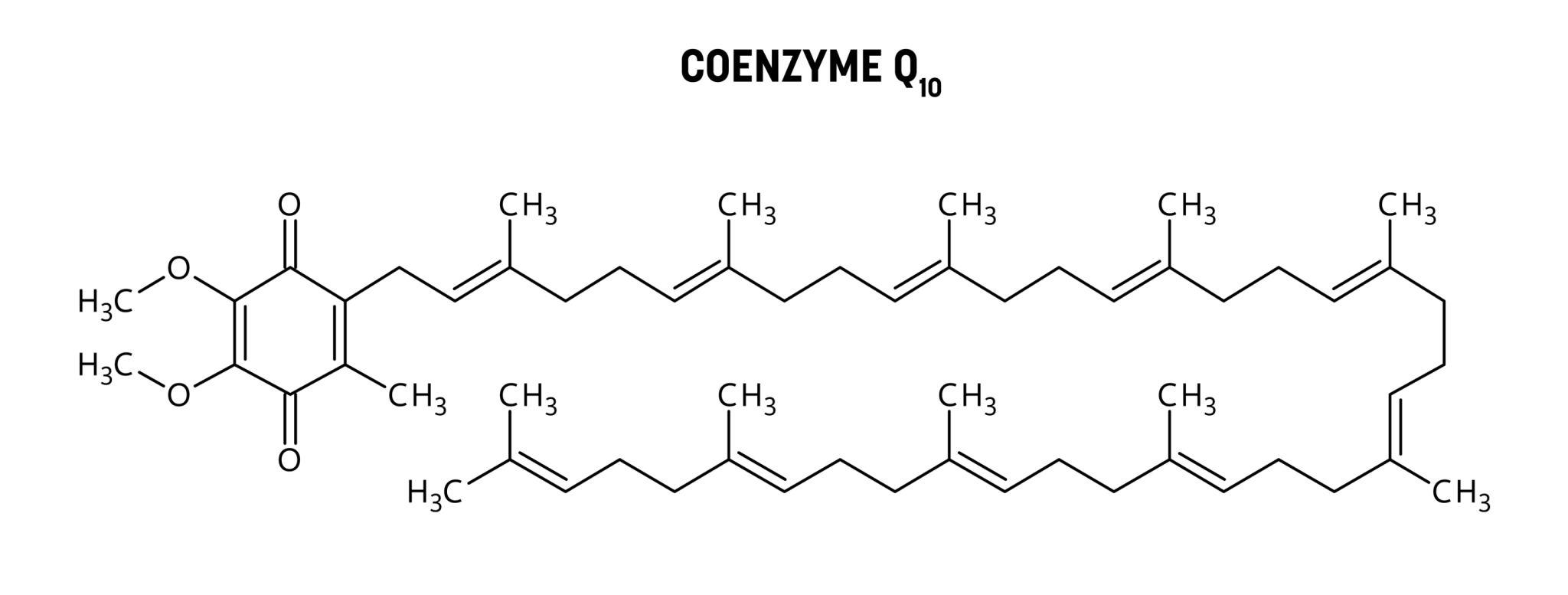
Discovered in 1957, CoQ10 is a fat-soluble compound found in virtually every cell membrane in the body. It plays a central role in mitochondrial energy production and serves as the body’s only lipid-soluble, endogenously produced antioxidant.
But here’s what most people don’t realize:
Not all forms of CoQ10 are the same.
And certain medications — especially statins — can significantly lower your body’s ability to make it.
Let’s break this down clearly and practically.
What Does CoQ10 Actually Do?
CoQ10 is essential for:
-
Producing ATP (cellular energy)
-
Supporting heart function
-
Protecting cell membranes from oxidative stress
-
Regenerating vitamin E and other antioxidants
-
Supporting DNA and RNA synthesis
-
Maintaining healthy mitochondrial function
Organs with the highest energy demands — the heart, brain, kidneys, liver, and skeletal muscles — contain the highest concentrations of CoQ10.
When CoQ10 levels drop, energy production suffers. And when energy production suffers, symptoms follow.
Ubiquinone vs. Ubiquinol: What’s the Difference?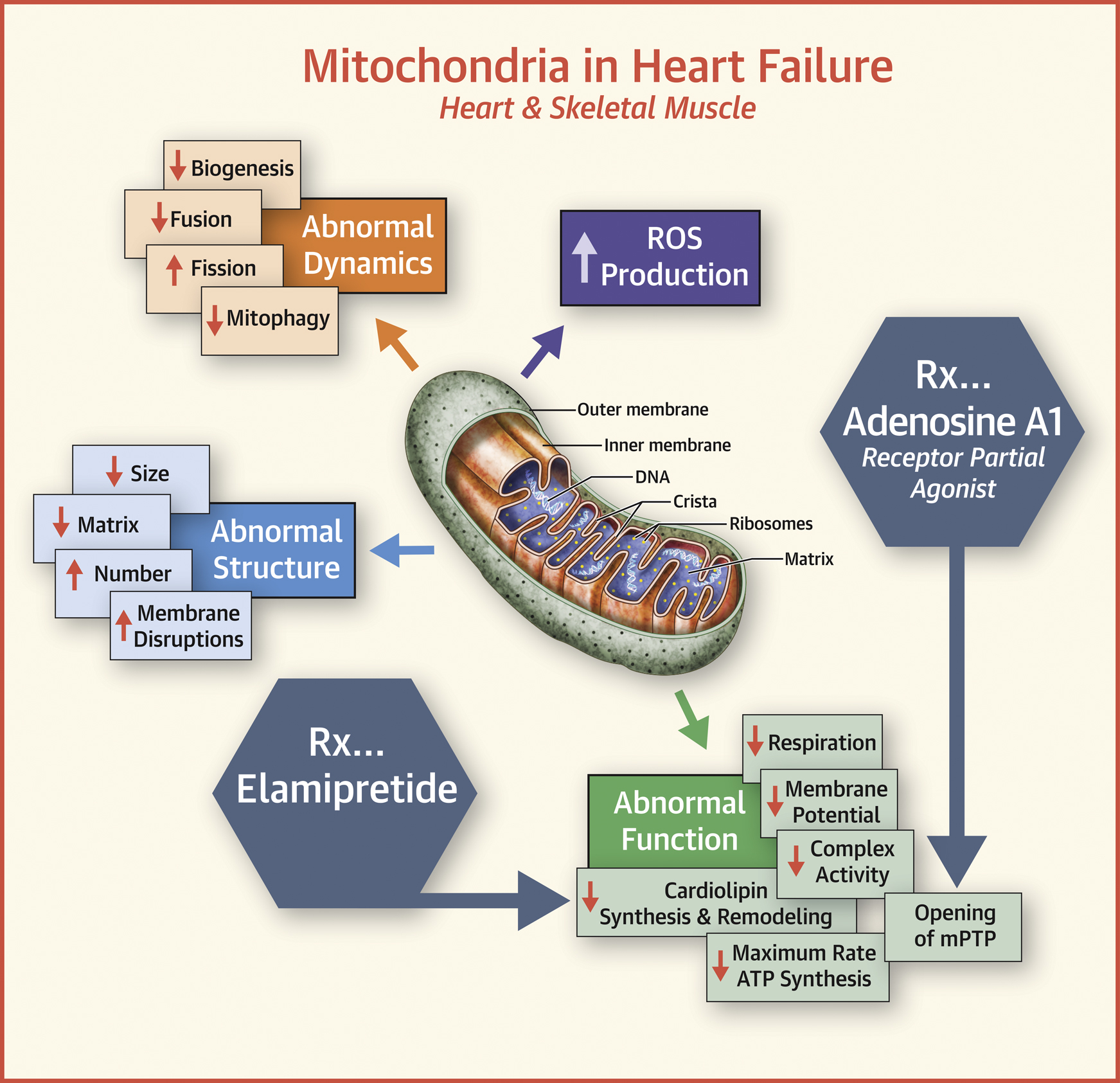
CoQ10 exists in two primary forms:
1. Ubiquinone
-
The oxidized form
-
Must be converted by your body into ubiquinol before it can be used
-
More stable and often less expensive
2. Ubiquinol (The Preferred Form)
-
The reduced, active, electron-rich form
-
Immediately usable by the body
-
More potent antioxidant activity
-
Better absorbed in many individuals
Ubiquinol is the form your body actually uses at the cellular level. It not only neutralizes free radicals but also regenerates other antioxidants like vitamin E.
As we age — particularly after age 40–60 — our ability to convert ubiquinone into ubiquinol declines. This makes the ubiquinol form increasingly important for:
-
Older adults
-
Individuals with chronic illness
-
Patients with cardiovascular disease
-
Anyone taking statins
In clinical practice, I typically recommend ubiquinol for these patients because conversion efficiency simply isn’t what it used to be.
The Heart: A High-Energy Organ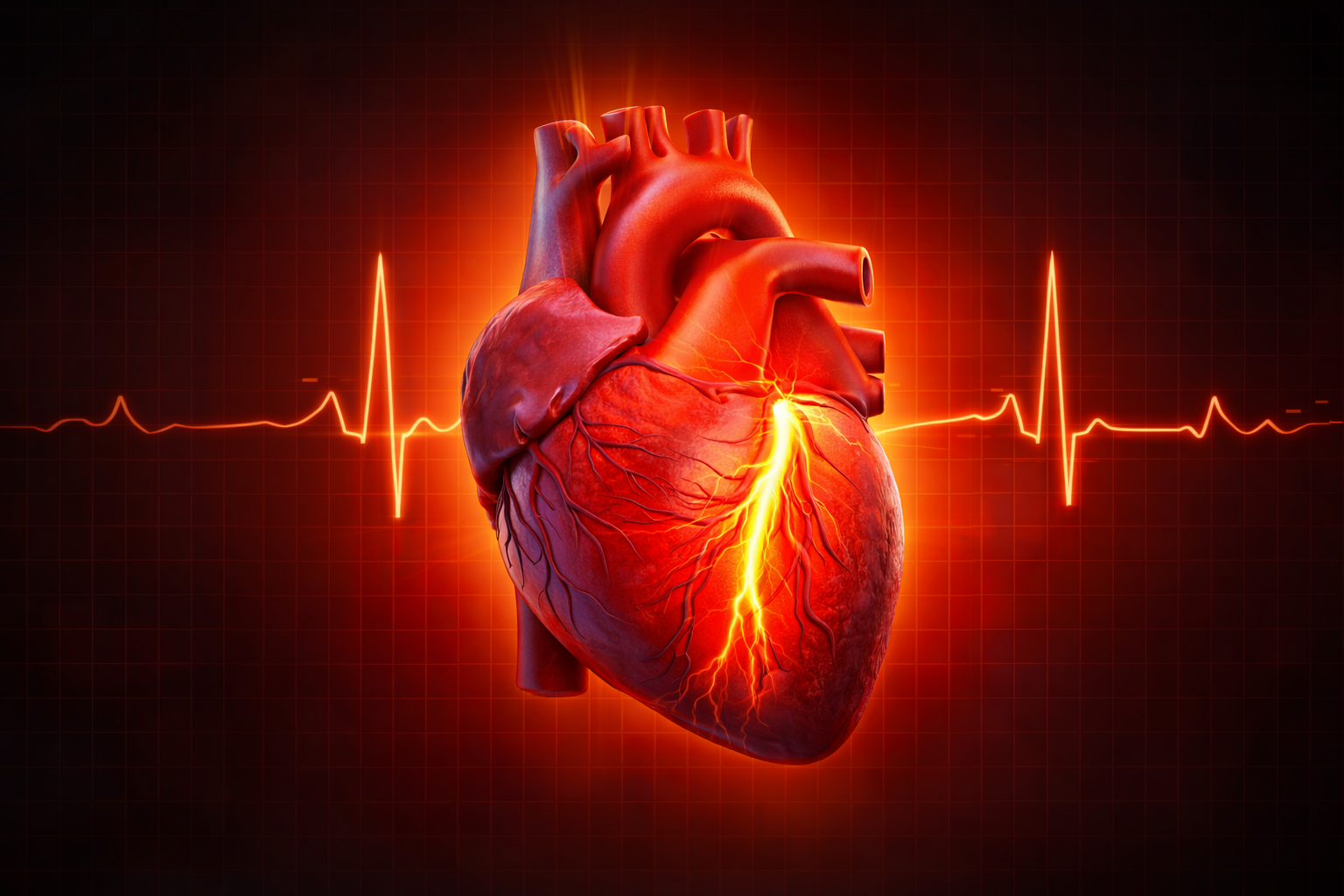
Your heart never stops working. It requires enormous amounts of ATP every single second.
CoQ10 plays a dual role in cardiovascular health:
-
Energy Production – Supports ATP generation inside cardiac mitochondria
-
Antioxidant Protection – Protects heart muscle and blood vessels from oxidative damage
Low CoQ10 levels have been associated with:
-
Heart failure
-
Hypertension
-
Reduced exercise tolerance
-
Increased oxidative stress
Several studies and meta-analyses show that CoQ10 supplementation may:
-
Improve left ventricular function
-
Support healthy blood pressure
-
Enhance exercise capacity
-
Reduce markers of oxidative stress
This is especially relevant in aging populations.
The Statin–CoQ10 Connection (This Is Important)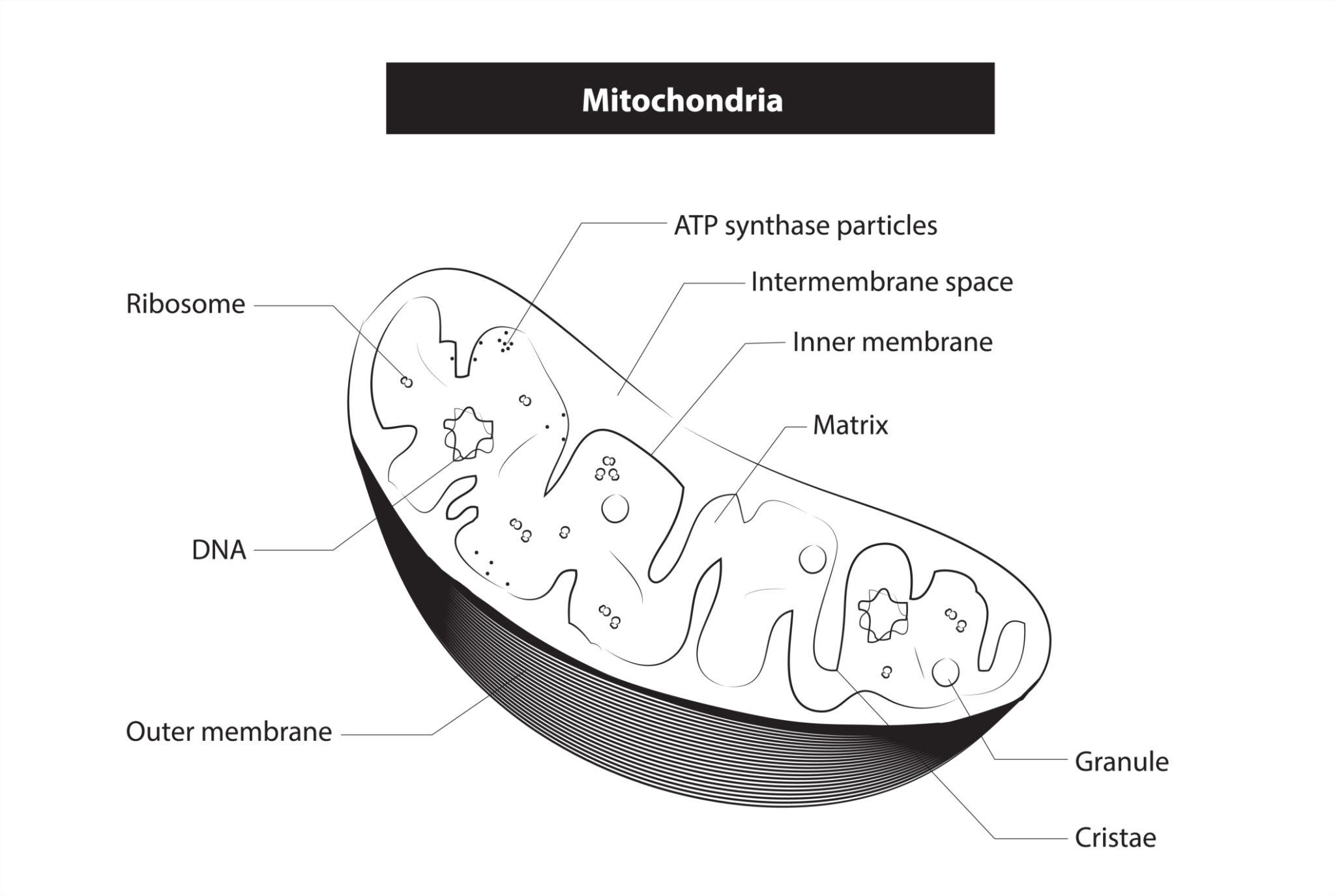
Statins work by inhibiting an enzyme in the mevalonate pathway, the same pathway your body uses to make cholesterol.
But here’s the issue:
That pathway is also responsible for producing CoQ10.
When statins block cholesterol production, they also reduce endogenous CoQ10 synthesis.
This can lead to:
-
Muscle pain and weakness
-
Fatigue
-
Reduced exercise tolerance
-
Potential mitochondrial dysfunction
Research, including clinical trials published in the American Journal of Cardiology, confirms that statin therapy significantly lowers plasma CoQ10 levels.
From a functional medicine perspective, this is a big deal.
If someone is taking a statin — especially long term — I strongly consider CoQ10 (preferably ubiquinol) support to protect mitochondrial function and reduce the likelihood of muscle-related side effects.
Dietary Sources: Can Food Provide Enough?
CoQ10 is found in:
-
Organ meats
-
Beef and pork
-
Oily fish (salmon, tuna, herring)
-
Eggs
-
Nuts and seeds
However, average intake from food is only about 3–6 mg per day.
Therapeutic levels used in studies for cardiovascular support typically range from 100–300 mg daily — far above dietary intake.
Additionally, absorption depends on fat intake and formulation quality.
Who Should Consider Ubiquinol?
You may benefit from supplementation if you:
-
Are over 40–50 years old
-
Take statins
-
Experience muscle pain on cholesterol medications
-
Have cardiovascular disease
-
Have chronic fatigue
-
Have metabolic or mitochondrial stress
-
Want proactive heart support
Again, I generally recommend ubiquinol over ubiquinone, especially in these populations, because it bypasses the need for conversion and delivers the active form directly.
Quality and Absorption Matter
CoQ10 is fat-soluble, meaning absorption can vary significantly based on formulation.
Look for:
-
Ubiquinol (reduced form)
-
Oil-based or liposomal delivery
-
Third-party testing for purity
-
Reputable manufacturers
Cheaper isn’t always better with this nutrient.
Final Thoughts
CoQ10 is foundational for cellular energy and cardiovascular protection.
But the form you choose matters.
For younger, healthy individuals, ubiquinone may be sufficient.
For aging adults, those with heart concerns, or anyone on statins, ubiquinol is often the better clinical choice.
If you’re on a statin and experiencing fatigue or muscle symptoms, this is a conversation worth having.
Your mitochondria — and your heart — depend on it.