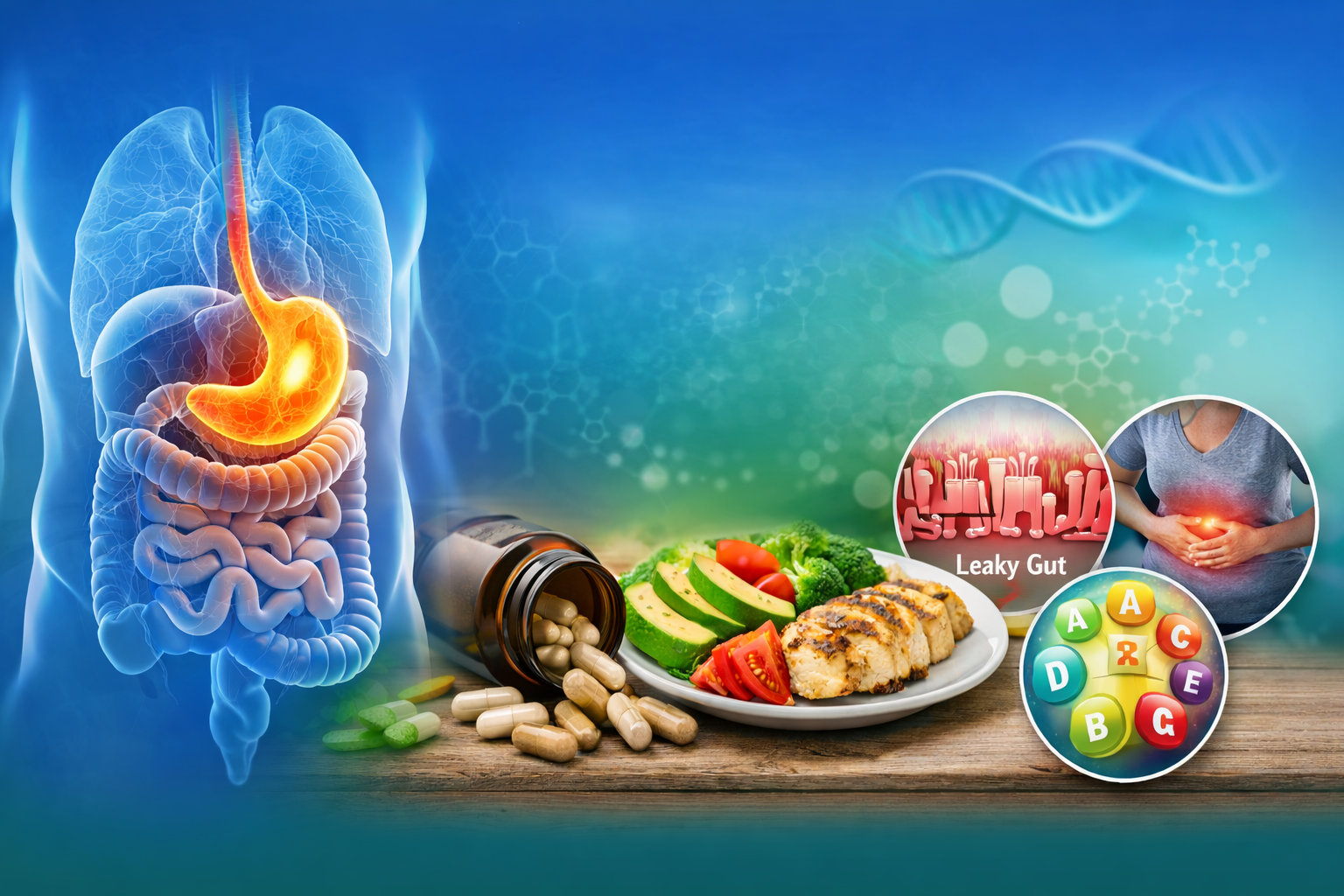
If you’re eating a healthy diet but still struggling with bloating, fatigue, brain fog, or reflux, the issue may not be what you’re eating.
It may be how well you’re digesting it.
Digestive enzymes are one of the most overlooked tools in functional medicine. They don’t just help with gas or bloating — they are essential for nutrient absorption, immune balance, and even tissue repair.
Let’s break this down in a practical way so you understand:
-
Why digestive enzymes matter
-
Who needs them
-
How to take them correctly for best results
What Are Digestive Enzymes?
Digestive enzymes are proteins that break food down into smaller particles so your body can absorb nutrients.
Without enzymes:
-
Proteins aren’t fully broken down
-
Fats aren’t properly absorbed
-
Carbohydrates ferment in the gut
-
Nutrient deficiencies develop
Your body produces enzymes in the:
-
Saliva
-
Stomach
-
Pancreas
-
Small intestine
However, modern stress, aging, processed foods, and low stomach acid dramatically reduce enzyme production.
1. Boost Nutrient Absorption
You can eat the cleanest diet in the world — organic vegetables, grass-fed meats, healthy fats — but if you cannot break them down properly, you won’t absorb them.
Digestive enzymes:
-
Improve breakdown of proteins, fats, and carbohydrates
-
Enhance absorption of B vitamins and minerals
-
Support iron and vitamin B12 utilization
-
Improve energy production
Many people with fatigue, thinning hair, dry skin, and brain fog are actually struggling with poor digestion — not poor diet.
2. Support Gut Health & Reduce Inflammation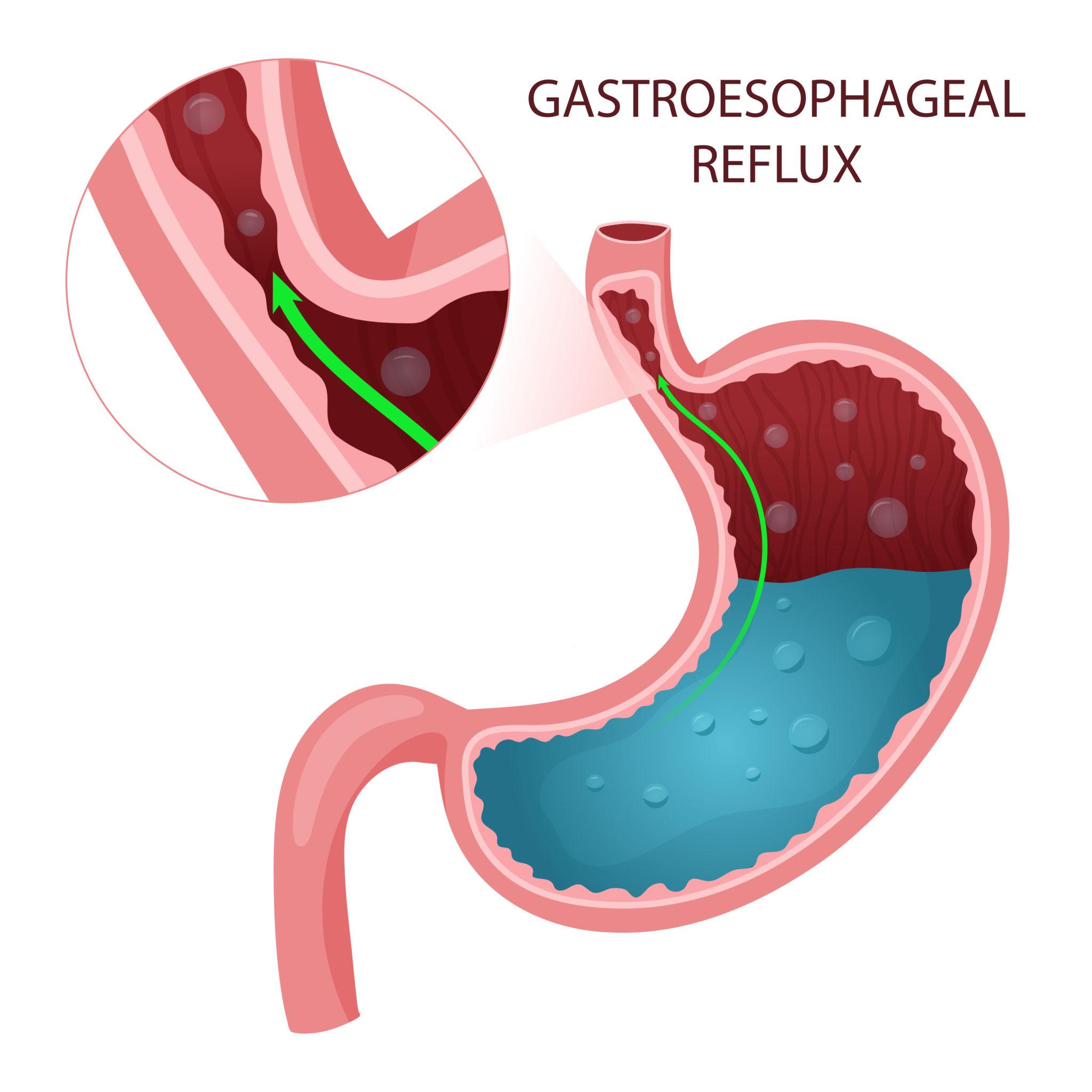
When food isn’t fully broken down, larger particles irritate the gut lining. This can contribute to:
-
Leaky gut (increased intestinal permeability)
-
Inflammation
-
IBS symptoms
-
Food sensitivities
Supplementing with digestive enzymes reduces digestive stress and helps preserve the integrity of the intestinal lining.
This is especially important in autoimmune conditions — something we see frequently in functional medicine.
3. Reduce Gas, Bloating & Reflux
Certain enzymes help break down difficult foods:
-
Lactase – dairy
-
Alpha-galactosidase – beans & legumes
-
Cellulase – fiber-rich vegetables
When these foods aren’t digested properly, they ferment — leading to gas, bloating, and discomfort.
Enzymes may also:
-
Improve stomach emptying
-
Reduce acid reflux symptoms
-
Decrease indigestion and burping
Interestingly, many people with “acid reflux” actually have low stomach acid, not high acid. Supporting digestion often improves symptoms dramatically.
Who Needs Digestive Enzymes?
You may benefit if you experience:
-
Bloating or gas after meals
-
Acid reflux or heartburn
-
Brain fog
-
Morning fatigue
-
Cravings
-
Hair thinning
-
Dry skin
-
Joint pain
-
Headaches
-
PMS symptoms
Digestive enzymes are especially helpful for:
1. Digestive Disorders
-
IBS
-
Crohn’s disease
-
Ulcerative colitis
-
Diverticulitis
-
Chronic constipation or diarrhea
2. Age-Related Enzyme Decline
As we age, stomach acid decreases and pancreatic enzyme output declines. This alone can lead to reflux and malabsorption.
3. Hypochlorhydria (Low Stomach Acid)
Low acid prevents minerals and vitamins from being released from food — leading to nutrient deficiencies.
4. Pancreatic Insufficiency
When the pancreas does not produce enough enzymes, digestion suffers dramatically.
Why Enzymes Matter Beyond Digestion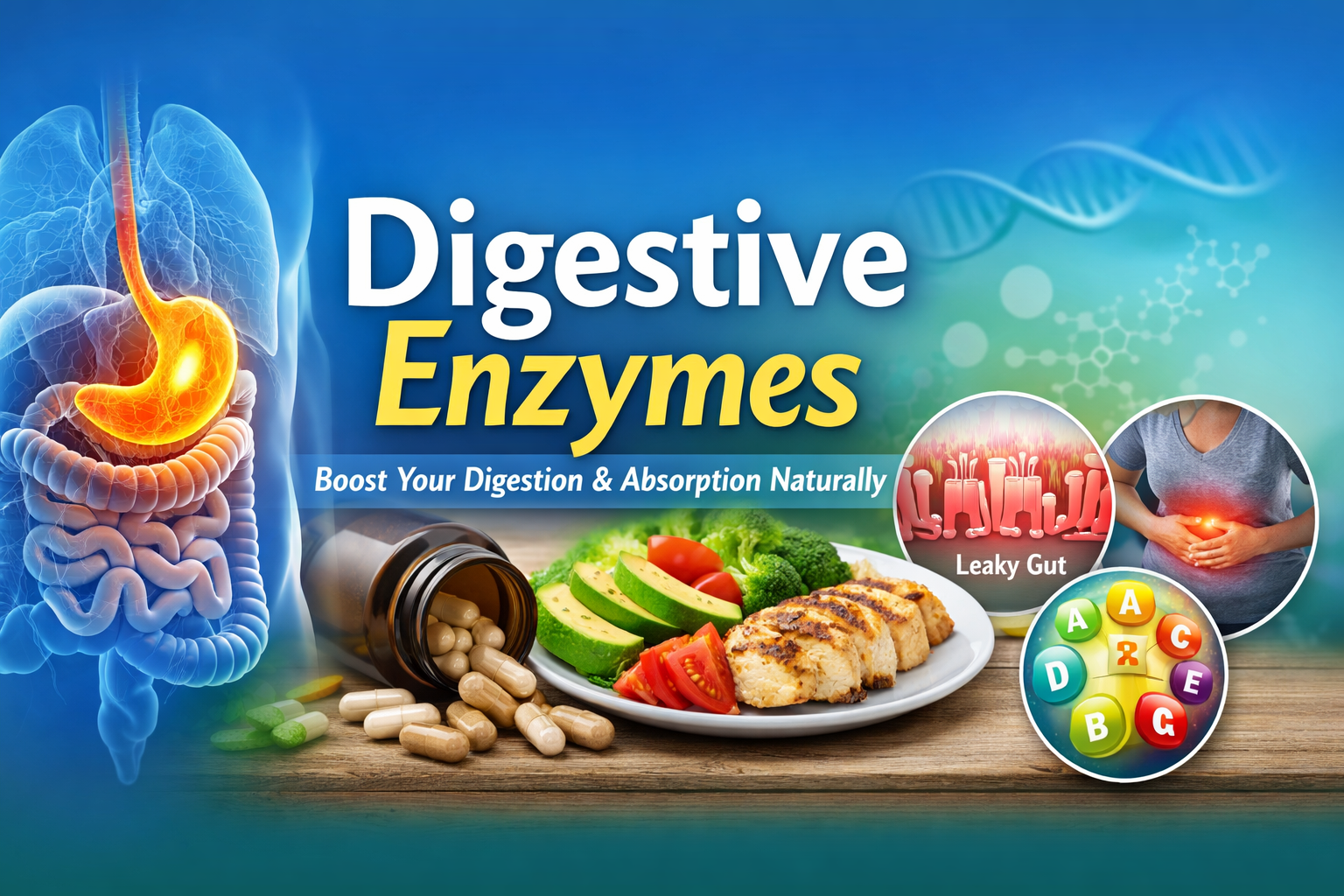
Here’s something most people don’t realize:
Your body has a limited “enzyme reserve.”
Enzymes are used not just for digestion — but also for:
-
Tissue repair
-
Immune regulation
-
Detoxification
-
Inflammation control
Processed and cooked foods contain almost no natural enzymes. That means your body must produce more — which is metabolically expensive.
Over time, enzyme depletion may contribute to chronic illness.
Supporting digestion helps free up the body’s enzyme reserves for healing.
How to Take Super Enzymes (Dr. Scott’s Protocol)
This is important — timing matters.
Day 1
Take 1 capsule with each meal
(With the meal or at the end — never at the beginning)
Day 2
Take 2 capsules per meal
Increase by 1 capsule per day until:
-
You feel warmth in your stomach
-
Or stools become loose
When you reach 4 capsules per meal, stop increasing and consult with me before going higher.
Adjust Based on the Meal
This is not a strict “4 capsules every meal” rule.
-
Large steak or high-fat meal → You may need more
-
Small salad → You may need less
Super Enzymes primarily help digest:
-
Proteins
-
Fats
The Betaine HCl in the formula helps:
-
Improve stomach acid levels
-
Enhance B vitamin absorption
-
Improve mineral absorption
You must learn to adjust based on the type and size of the meal.
The Bottom Line
If you struggle with:
-
Bloating
-
Reflux
-
Fatigue
-
Brain fog
-
Autoimmune conditions
Digestive enzymes may be one of the simplest and most powerful tools to improve your health.
Better digestion → Better absorption → Better healing.
And sometimes, the missing piece isn’t more supplements…
It’s digesting your food properly.