
Thyroid problems are far more common than most people realize. Millions of people struggle with fatigue, brain fog, weight gain, dry skin, or hair loss — yet their lab tests often come back “normal.” For many, the frustration of not feeling heard or truly understood becomes just as discouraging as the symptoms themselves.
At Total Health Center in Virginia Beach, we take a different approach. Rather than simply chasing symptoms or adjusting medication doses, we look deeper — uncovering why your thyroid is struggling and what can be done to restore healthy function naturally.
Understanding Thyroid Function and Its Impact on Health
Your thyroid gland, located at the base of your neck, is responsible for producing hormones that regulate metabolism, energy, and overall vitality. These hormones — primarily T4 (thyroxine) and T3 (triiodothyronine) — influence nearly every cell in your body.
When the thyroid becomes underactive (hypothyroidism) or overactive (hyperthyroidism), symptoms can appear in multiple systems:
- Persistent fatigue and sluggishness
- Weight gain or difficulty losing weight
- Feeling cold or experiencing cold hands and feet
- Hair thinning, brittle nails, or dry skin
- Brain fog and memory issues
- Mood changes, anxiety, or depression
- Constipation or digestive issues
- Irregular menstrual cycles or fertility challenges
Unfortunately, many patients are told their thyroid is “fine” because their TSH is within range — even when they still feel terrible. Functional medicine looks beyond TSH alone to evaluate the full thyroid picture.
Why Conventional Tests Often Miss the Bigger Picture
Traditional thyroid testing usually measures just one marker: TSH (thyroid-stimulating hormone). While this test is useful, it doesn’t tell the whole story.
In functional medicine, we look deeper into:
- Free T4 and Free T3: The actual circulating thyroid hormones that drive metabolism.
- Reverse T3: A “blocking” hormone that can prevent T3 from working properly, often elevated during stress or inflammation.
- Thyroid Antibodies (TPO and TG): Indicators of autoimmune thyroid disease such as Hashimoto’s or Graves’.
- Cortisol and Adrenal Function: Since stress hormones can suppress thyroid activity.
- Nutrient Status: Especially iodine, selenium, zinc, iron, and vitamin D, which are critical for thyroid hormone conversion.
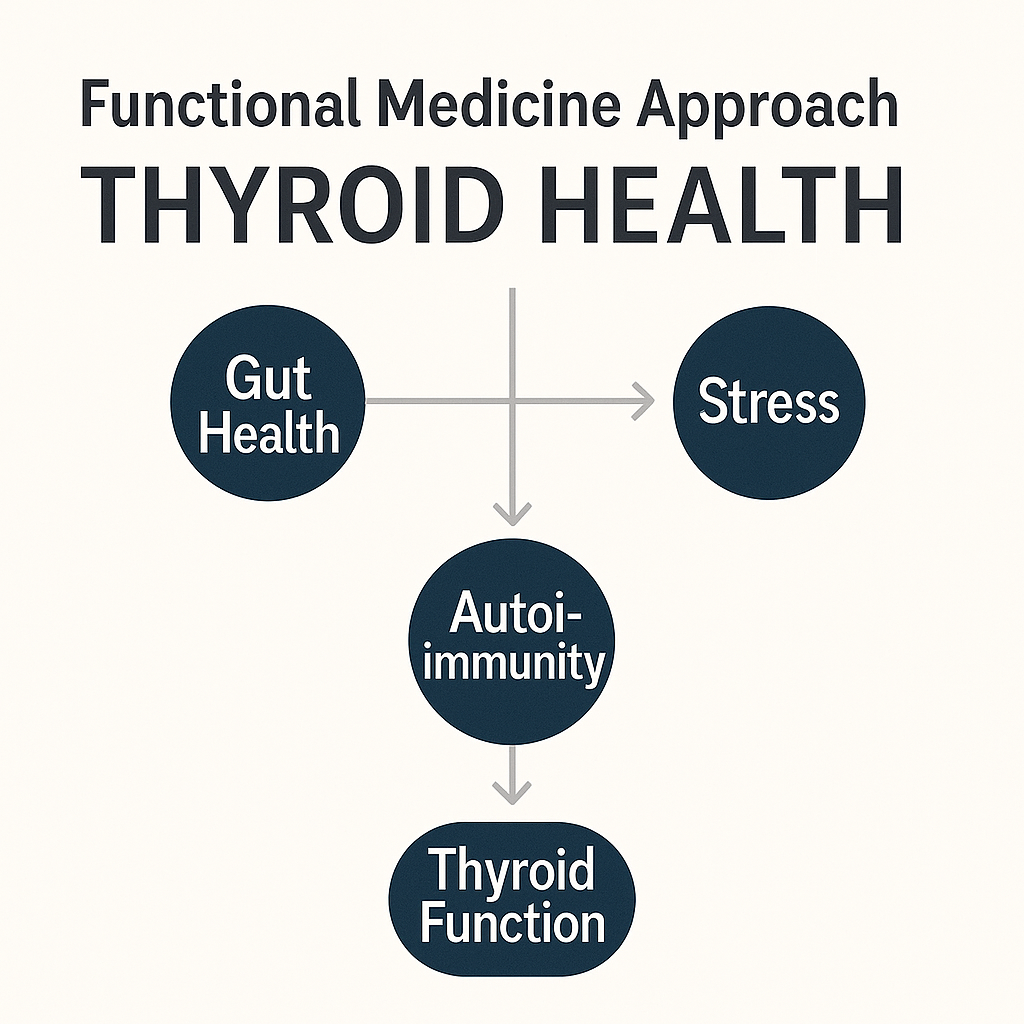
By looking at the full pattern, we can identify whether your thyroid problem stems from autoimmunity, nutrient deficiencies, gut inflammation, stress, or other hidden imbalances.
The Functional Medicine Perspective: Finding the Root Cause
The goal of functional medicine is to identify why the thyroid became imbalanced — not simply to replace hormones. Common root causes include:
- Autoimmune Thyroid Disease
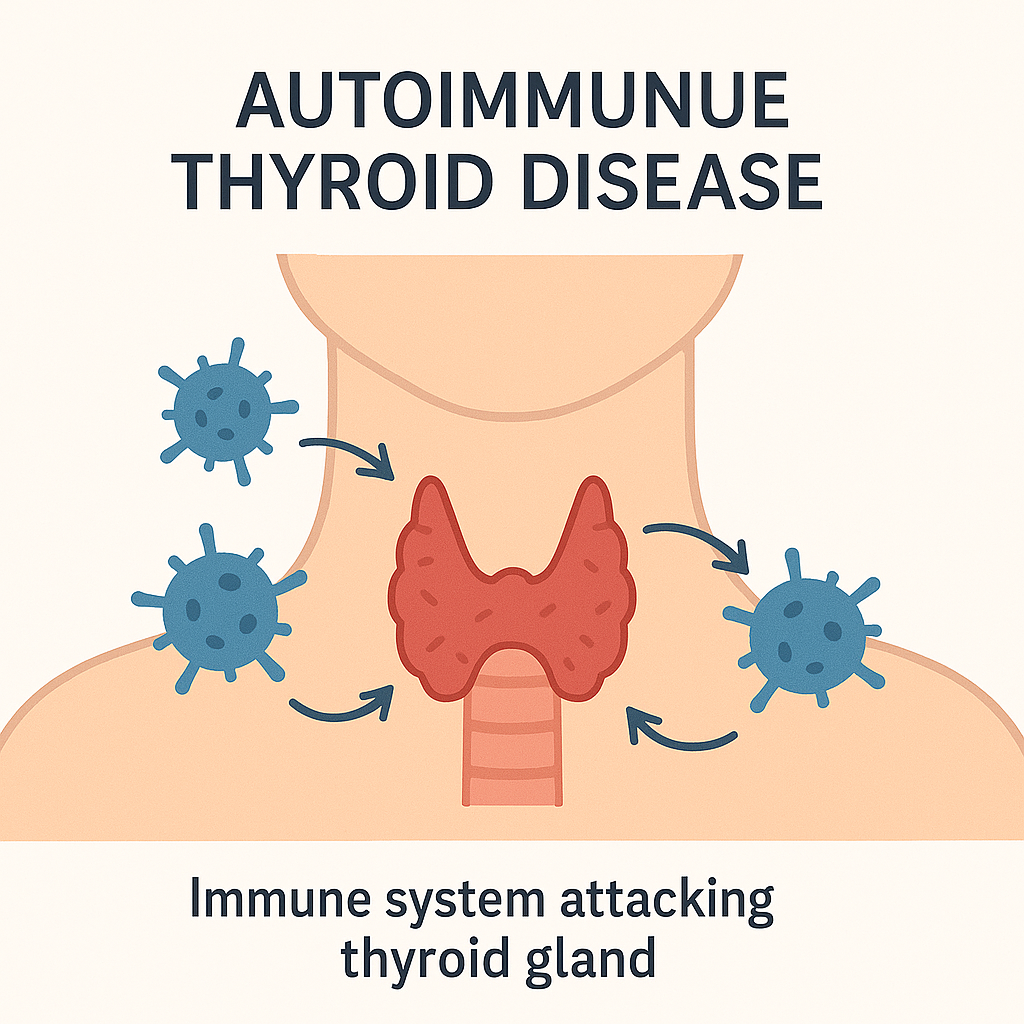
Hashimoto’s thyroiditis is the most common cause of hypothyroidism in the U.S. It occurs when the immune system attacks the thyroid gland, often triggered by leaky gut, chronic infections, stress, or food sensitivities (especially gluten and dairy).
Addressing gut health, calming inflammation, and supporting immune balance are essential steps to stop the autoimmune attack and preserve thyroid tissue.
- Gut Health and the Thyroid

About 20% of thyroid hormone conversion happens in the gut. Dysbiosis (imbalanced gut bacteria), infections, or intestinal permeability can reduce this conversion and increase inflammation.
Supporting healthy digestion, restoring beneficial bacteria, and repairing the gut lining can dramatically improve thyroid function.
- Chronic Stress and Adrenal Fatigue

Long-term stress elevates cortisol, which suppresses thyroid conversion and increases reverse T3. Many patients find that once adrenal function is supported through stress management, proper sleep, and adaptogenic herbs, thyroid function improves naturally.
- Nutrient Deficiencies
Selenium, zinc, iron, and vitamin D are all essential for thyroid hormone production and conversion. A personalized nutrition plan and professional-grade supplements can make a measurable difference.
- Environmental Toxins
Heavy metals, pesticides, and endocrine disruptors (such as BPA) can interfere with thyroid receptors and hormone signaling. Functional medicine detoxification programs can help safely remove these toxins.
Evidence-Based Natural Interventions
Once we identify the underlying causes, the healing process can begin. Each plan is tailored to the individual, but common evidence-based strategies include:
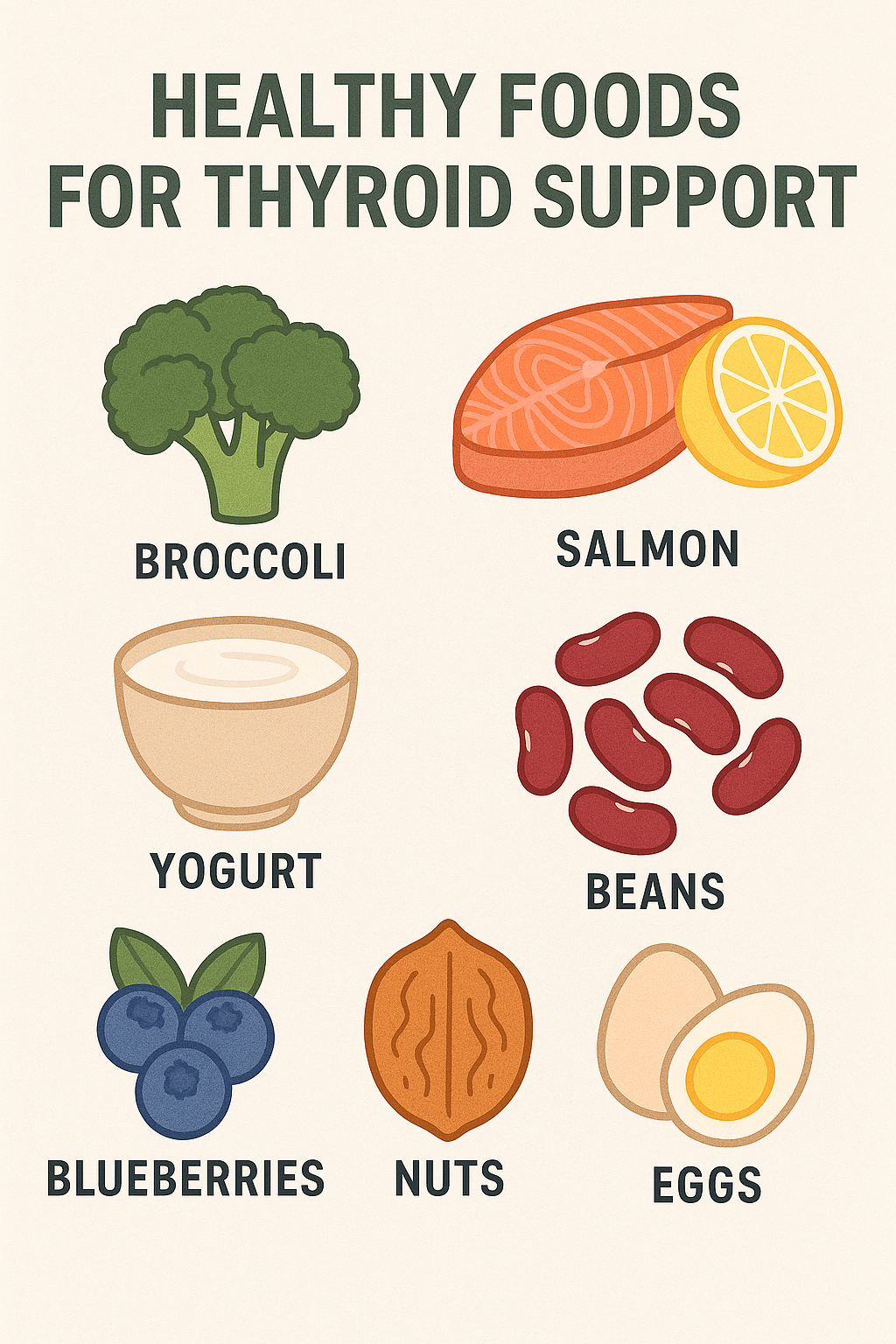
- Personalized nutrition: Emphasizing anti-inflammatory, whole foods rich in omega-3s, antioxidants, and fiber.
- Gut repair: Using probiotics, prebiotics, and nutrients like L-glutamine and zinc carnosine.
- Autoimmune support: Reducing immune triggers through an elimination diet or autoimmune protocol (AIP).
- Stress management: Incorporating restorative practices like yoga, meditation, and breathing exercises.
- Targeted supplementation: Using nutrients like selenium, magnesium, vitamin D, and adaptogens (ashwagandha, rhodiola) when appropriate.
- Detoxification support: Encouraging liver function with cruciferous vegetables, hydration, and gentle detox nutrients.
This comprehensive approach helps restore balance at every level — immune, endocrine, digestive, and emotional.
Functional Medicine Thyroid Care in Virginia Beach
At Total Health Center Virginia Beach, Dr. Mark Scott has been helping patients uncover and address the root causes of thyroid dysfunction since 1997. His approach blends advanced functional testing with natural, science-based interventions that empower patients to take control of their health.
Whether you’re struggling with hypothyroidism, Hashimoto’s, or unexplained fatigue and weight gain, you don’t have to settle for “normal” lab results that don’t match how you feel. With a personalized plan, many patients experience renewed energy, sharper focus, balanced mood, and improved metabolism.