
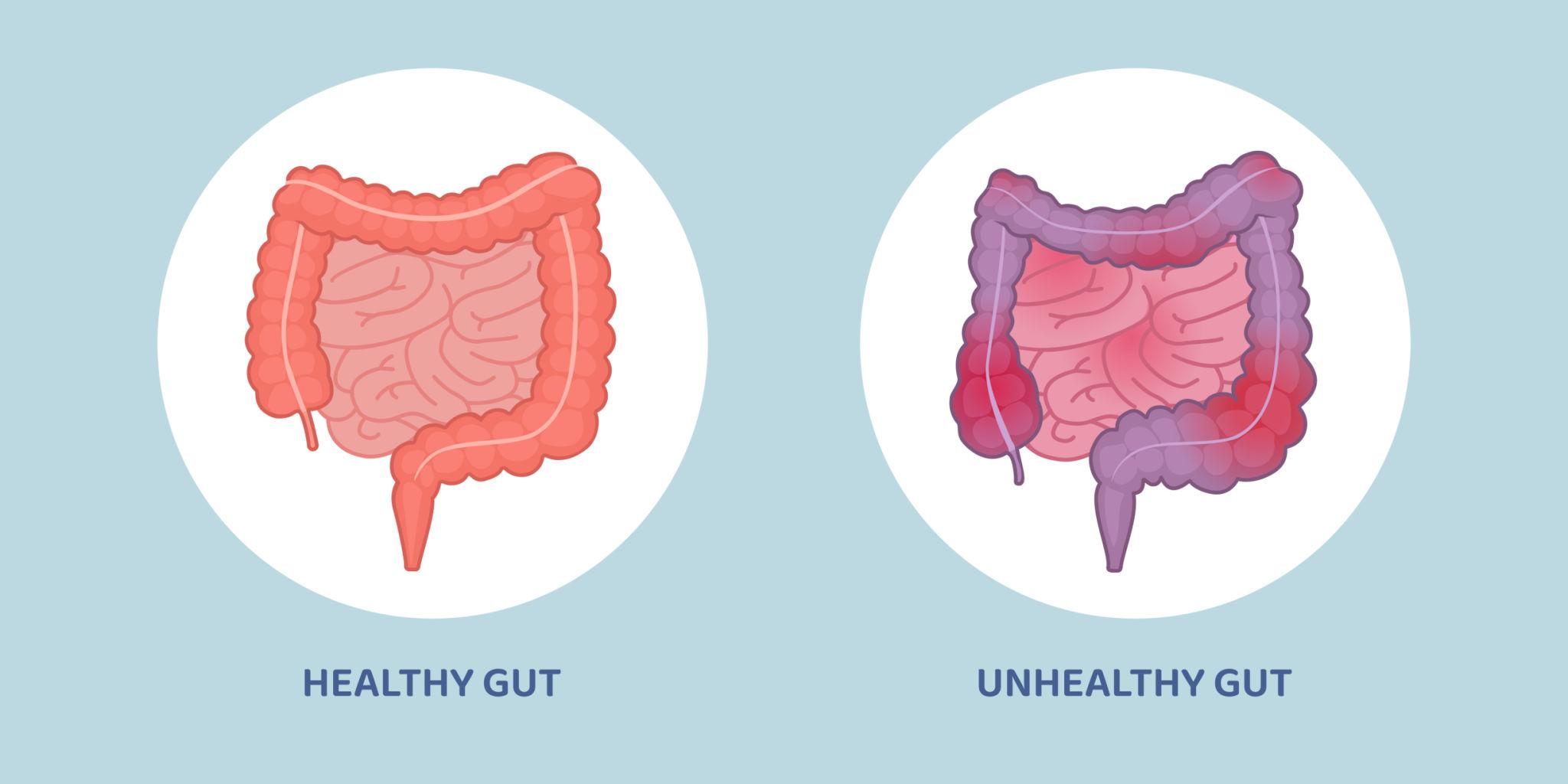
Leaky gut, also known as intestinal permeability, occurs when the lining of the small intestine becomes damaged, allowing toxins, microbes, and undigested food particles to pass into the bloodstream. This triggers inflammation, immune reactions, and can contribute to symptoms such as fatigue, weight gain, brain fog, digestive issues, and autoimmune conditions.
Leaky gut, also known as intestinal permeability, occurs when the lining of the small intestine becomes damaged, allowing toxins, microbes, and undigested food particles to pass into the bloodstream. This triggers inflammation, immune reactions, and can contribute to fatigue, weight gain, brain fog, digestive issues, and autoimmune conditions.
📌 What Is Leaky Gut?
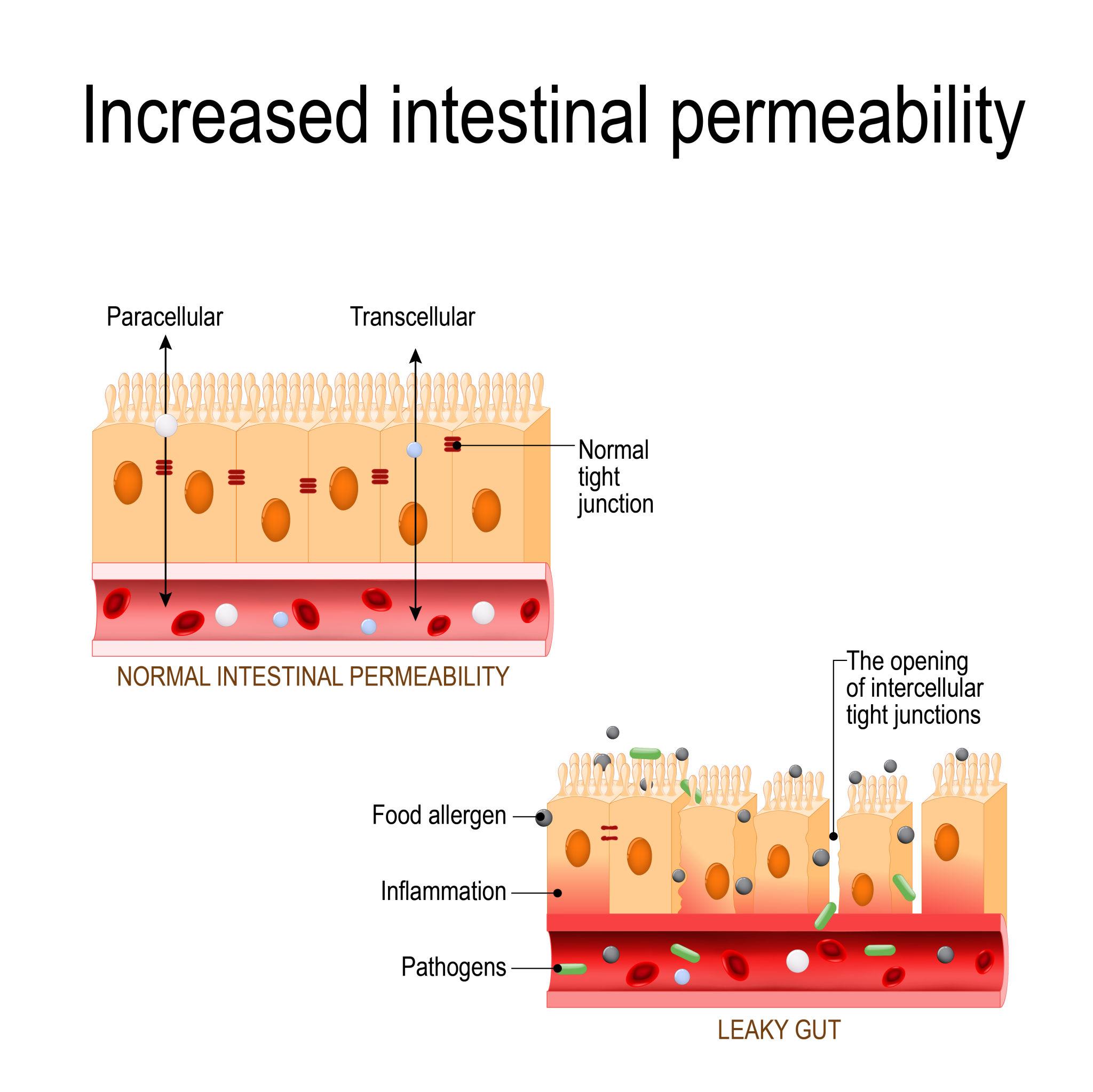
Your intestinal lining acts as a selective barrier, allowing nutrients into the bloodstream while keeping harmful substances out.
When this barrier breaks down:
-
Tight junctions loosen
-
Toxins enter circulation
-
Immune activation increases
-
Chronic inflammation develops
Research published in Physiological Reviews confirms that intestinal barrier dysfunction plays a key role in chronic disease development.
👉 https://pubmed.ncbi.nlm.nih.gov/19126754/
⚠️ Common Symptoms of Leaky Gut
Many symptoms are not digestive—they’re systemic.
-
Bloating or gas
-
Food sensitivities
-
Chronic fatigue
-
Brain fog
-
Joint pain
-
Skin issues
-
Autoimmune conditions
-
Difficulty losing weight
-
Sugar cravings
-
Poor sleep
🧠 Why Leaky Gut Affects the Entire Body
When the gut barrier is compromised, the immune system becomes chronically activated.
This leads to:
-
Systemic inflammation
-
Hormonal disruption
-
Nervous system imbalance
A review in Nutrients highlights how intestinal permeability is linked to metabolic disease, inflammation, and immune dysfunction.
👉 https://pubmed.ncbi.nlm.nih.gov/31277297/
Additional research in Nature Reviews Gastroenterology & Hepatology shows that gut barrier dysfunction contributes to immune activation and chronic disease progression.
👉 https://pubmed.ncbi.nlm.nih.gov/24751908/
🔍 Root Causes of Leaky Gut
 🚨 1. Poor Diet
Processed foods, sugar, and inflammatory oils damage the gut lining.
💊 2. Medications
Antibiotics, NSAIDs, and acid blockers disrupt gut integrity.
🦠 3. Dysbiosis
An imbalance of gut bacteria leads to toxin production and inflammation.
😣 4. Chronic Stress
Stress increases gut permeability via cortisol and nervous system signaling.
🧬 5. Food Sensitivities
Gluten and dairy are common triggers.
🍷 6. Alcohol & Toxins
Alcohol has been shown to directly increase intestinal permeability (NIH research).
👉 https://www.niaaa.nih.gov/
⚖️ Leaky Gut and Weight Loss Resistance
When the gut is compromised:
-
Nutrient absorption decreases
-
Inflammation increases
-
Insulin resistance develops
-
Hormones become dysregulated
A landmark study published in Nature found that gut microbiota influence fat storage and metabolism.
👉 https://pubmed.ncbi.nlm.nih.gov/17183312/
Another study in Diabetes showed that gut-derived inflammation contributes to insulin resistance.
👉 https://pubmed.ncbi.nlm.nih.gov/17456850/
👉 This is why many people struggle to lose weight despite dieting.
🧪 How Do You Test for Leaky Gut?
Functional medicine focuses on identifying root causes through testing:
-
Stool analysis
-
Zonulin (gut permeability marker)
-
Food sensitivity panels
-
Inflammatory markers
For additional overview of digestive testing:
👉 https://my.clevelandclinic.org/health/diseases/22724-leaky-gut-syndrome
🛠️ How to Heal Leaky Gut Naturally
🥗 1. Remove Inflammatory Triggers
Eliminate processed foods, sugar, and gluten.
🦠 2. Restore Gut Balance
Use probiotics and microbiome support.
🧱 3. Repair the Gut Lining
Support with:
-
L-glutamine
-
Zinc carnosine
-
Collagen
🔥 4. Reduce Inflammation
Adopt an anti-inflammatory diet.
🧘 5. Address Stress
Stress management is essential for healing.
⏳ How Long Does It Take to Heal?
-
2–4 weeks: Symptom improvement
-
4–8 weeks: Digestive stabilization
-
3–6 months: Significant repair
❓ Frequently Asked Questions
Can leaky gut cause weight gain?
Yes—through inflammation and metabolic disruption.
Is leaky gut real?
While debated in terminology, intestinal permeability is well-established in medical literature.
What foods help heal the gut?
Bone broth, fermented foods, leafy greens, and healthy fats.
Can probiotics fix leaky gut?
They help, but are only part of a full protocol.
🧪 Scientific Evidence Behind Leaky Gut
The concept of intestinal permeability is strongly supported in scientific literature.
-
Turner JR. Intestinal mucosal barrier function in health and disease.
👉 https://pubmed.ncbi.nlm.nih.gov/19126754/ -
Camilleri M. Leaky gut: mechanisms, measurement and clinical implications.
👉 https://pubmed.ncbi.nlm.nih.gov/31277297/ -
Bischoff SC et al. Intestinal permeability – a new target for disease prevention and therapy.
👉 https://pubmed.ncbi.nlm.nih.gov/24751908/ -
Turnbaugh PJ et al. Obesity-associated gut microbiome.
👉 https://pubmed.ncbi.nlm.nih.gov/17183312/ -
Cani PD et al. Metabolic endotoxemia and insulin resistance.
👉 https://pubmed.ncbi.nlm.nih.gov/17456850/
🧠 Dr. Scott’s Perspective
In my practice, I consistently see patients struggling with fatigue, weight gain, brain fog, and hormonal issues—only to discover that the root cause is in the gut.
When we correct gut dysfunction, we often see improvements across multiple systems—not just digestion.
📞 Ready to Heal Your Gut?
If you’re experiencing symptoms like fatigue, bloating, weight gain, or brain fog, it may be time to look deeper.
At Total Health Center, we use a functional medicine approach to identify and treat the root cause.
👉 Call (757) 363-8571 to schedule your consultation