
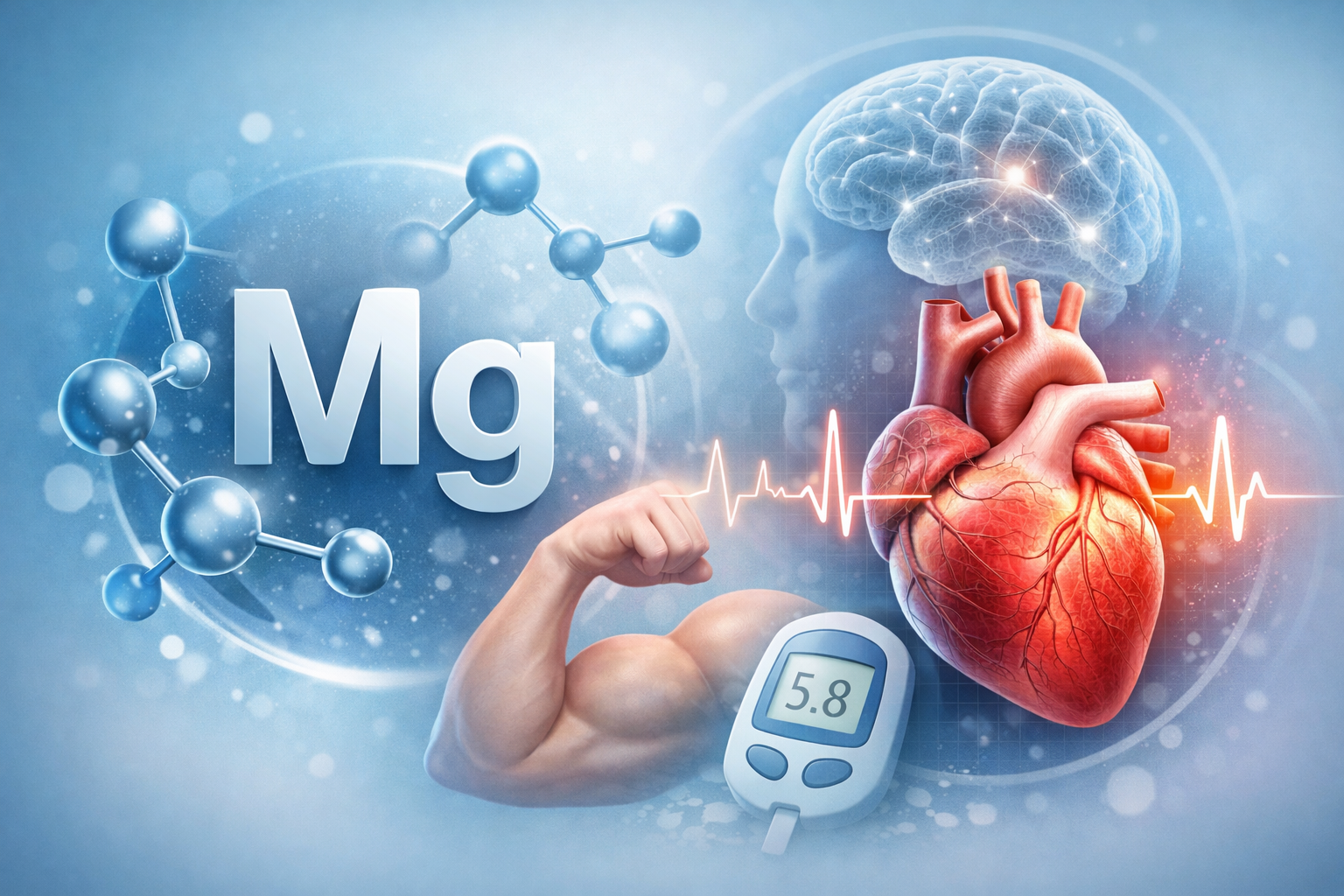
Magnesium is one of the most important — and most overlooked — nutrients in modern health care.
It acts as a co-factor in more than 350 enzymatic reactions in the body. That means your nervous system, muscles, heart, liver, bones, hormones, blood sugar, and even your DNA rely on adequate magnesium levels to function properly.
When I evaluate patients in my practice, magnesium deficiency is one of the most common underlying issues I see — especially in those struggling with fatigue, stress, insomnia, muscle tension, headaches, blood sugar problems, or cardiovascular concerns.
Let’s take a deeper look at why magnesium matters so much — and why so many people are running low.
Why So Many People Are Magnesium Deficient
1️⃣ Our Soil Is Depleted
In an ideal world, you would get enough magnesium from food.
Unfortunately, modern agricultural practices have dramatically reduced mineral content in soil. Studies comparing produce from the 1950s to today show significant declines in magnesium levels in fruits and vegetables.
Green leafy vegetables should be excellent sources — but when soil is depleted, food is depleted.
Research across multiple countries shows that 70–80% of adults consume less than the recommended daily allowance for magnesium.
2️⃣ Refined Foods Strip Magnesium
Refining grains removes up to 97% of their magnesium content.
Sugar is another major drain. For every molecule of sugar your body metabolizes, it requires a substantial amount of magnesium. High soda intake and excess phosphorus further impair magnesium absorption and increase mineral loss.
The more processed food and sugar someone consumes, the higher their magnesium needs become.
3️⃣ Many Medications Deplete Magnesium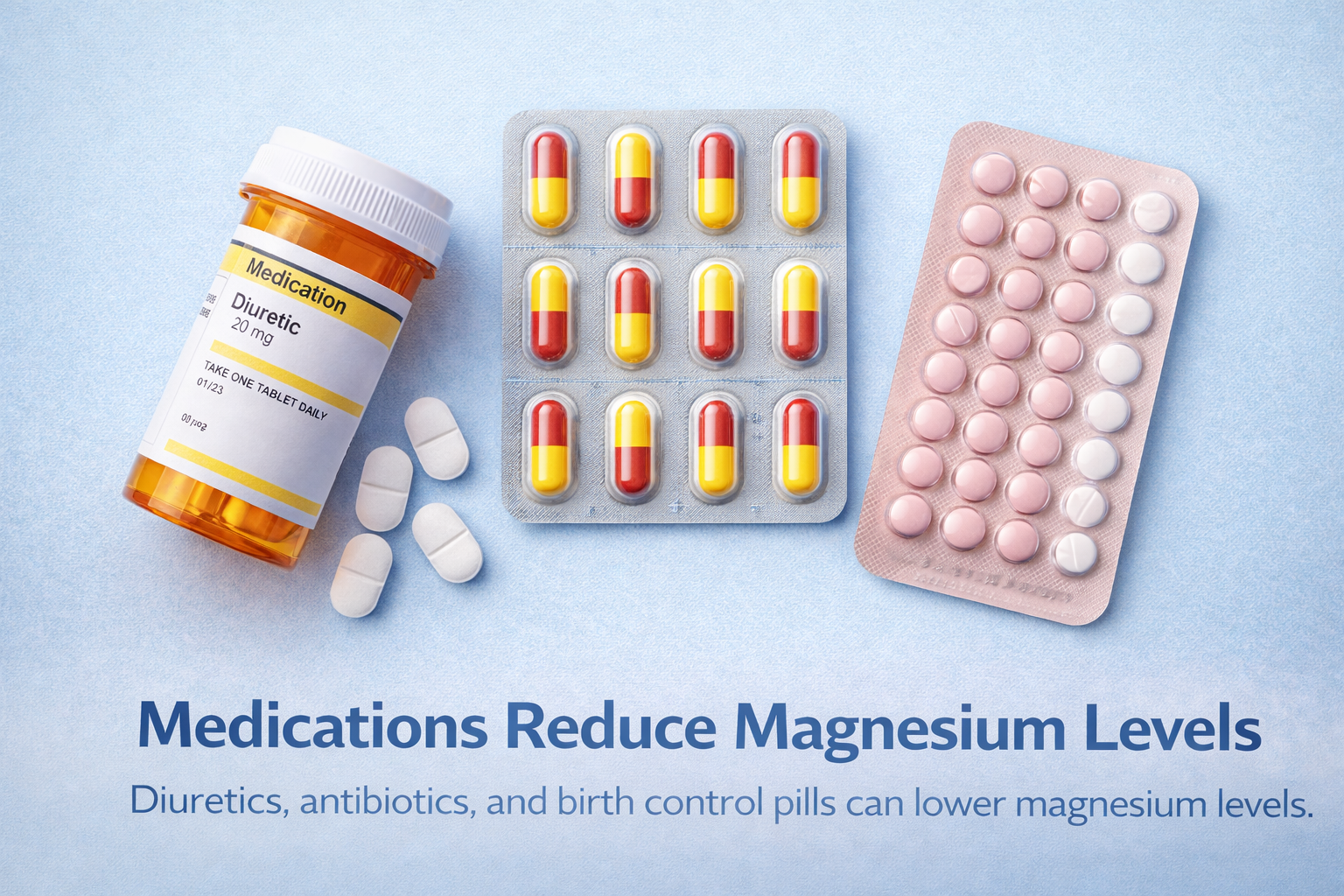
Common medications that can lower magnesium levels include:
-
Oral contraceptives
-
Diuretics
-
Proton pump inhibitors (PPIs)
-
Statins
-
Certain antibiotics
-
Corticosteroids
-
Some psychiatric medications
For patients on long-term medications, magnesium depletion is something we always consider.
21 Evidence-Based Reasons Magnesium Matters
Below are some of the most important clinical benefits of maintaining optimal magnesium levels.
❤️ 1. Supports Heart Health
Magnesium:
-
Regulates heart rhythm
-
Acts as a natural calcium channel blocker
-
Supports healthy blood pressure
-
Reduces vascular spasms
-
Decreases inappropriate clotting
It is concentrated 18 times higher in heart tissue than in blood, highlighting its importance for cardiac function.
🧠 2. Calms the Nervous System & Improves Sleep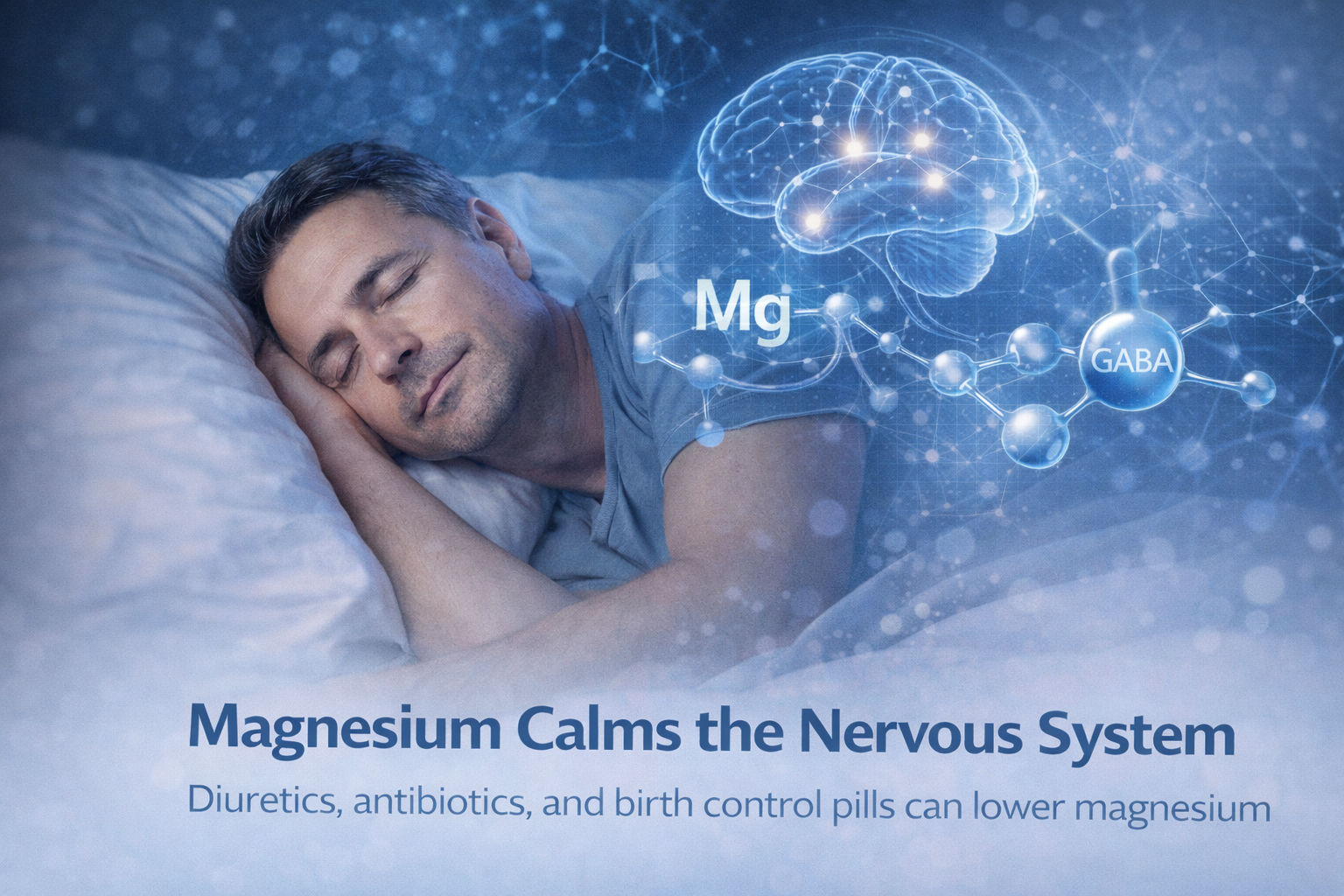
Magnesium:
-
Activates GABA (your primary calming neurotransmitter)
-
Reduces stress hormone impact
-
Supports deeper slow-wave sleep
-
Helps restless legs
-
Reduces anxiety patterns
I often call magnesium “nature’s relaxation mineral.”
💪 3. Enhances Energy & Exercise Performance
Magnesium is required to produce ATP — the body’s energy currency.
Without magnesium:
-
Muscles fatigue faster
-
Recovery slows
-
Cramps and twitching increase
-
Lactic acid accumulates more easily
Athletes and highly active individuals often require higher intake due to sweat loss and increased metabolic demand.
🩸 4. Improves Insulin Sensitivity & Blood Sugar Control
Magnesium plays a central role in glucose metabolism.
Low magnesium levels are strongly associated with:
-
Insulin resistance
-
Elevated blood pressure
-
Type 2 diabetes
-
Metabolic syndrome
Optimizing magnesium can significantly improve insulin signaling.
🦴 5. Builds Strong Bones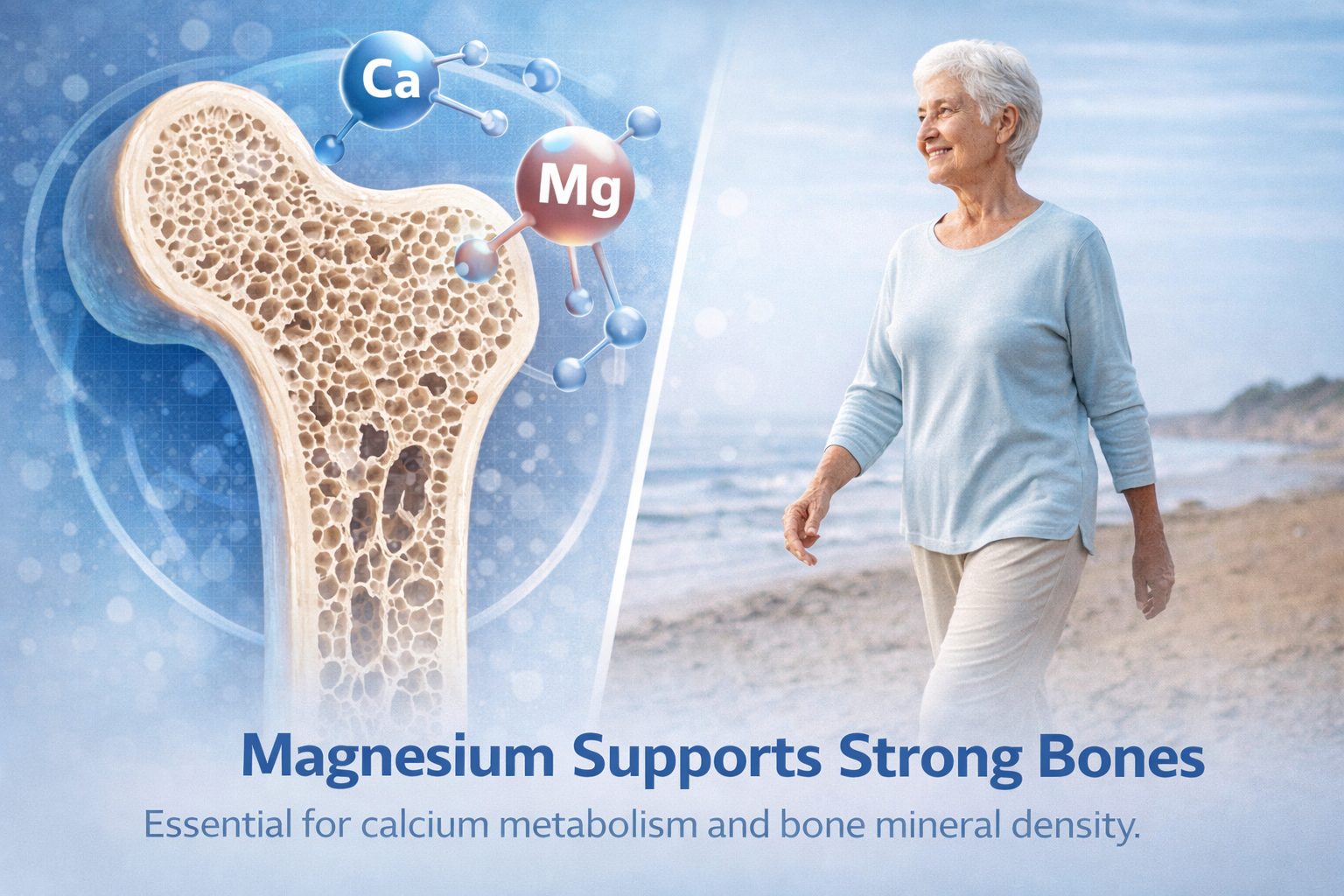
Magnesium:
-
Helps metabolize calcium properly
-
Activates vitamin D
-
Supports bone mineral density
-
Reduces osteoporosis risk
Calcium without magnesium balance can actually worsen bone health over time.
🧬 6. Supports Detoxification
Magnesium:
-
Assists liver detox pathways
-
Supports glutathione production
-
Helps mobilize heavy metals
-
Has alkalizing properties
In a world of daily environmental toxin exposure, this becomes increasingly important.
😔 7. May Help Depression & Mood Disorders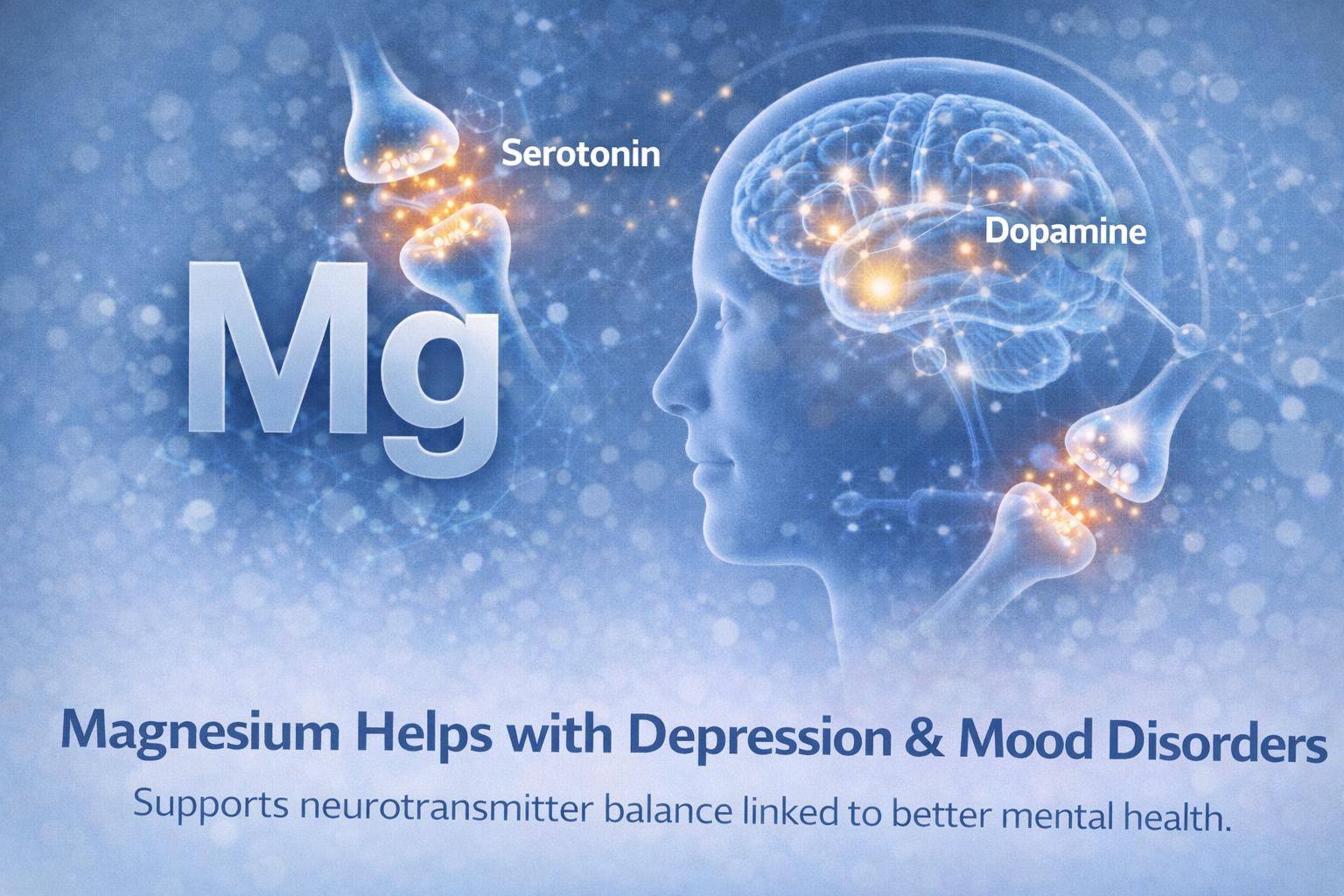
Magnesium influences serotonin production and GABA activity. Low levels are associated with:
-
Depression
-
Anxiety
-
Irritability
-
Stress intolerance
Many patients report noticeable improvements in mood when magnesium status is optimized.
🚽 8. Prevents Constipation
Magnesium draws water into the intestines and supports proper bowel motility.
It is one of the safest and most effective natural supports for chronic constipation when used properly.
🤕 9. May Reduce Migraines
Low magnesium levels are frequently found in migraine sufferers. Studies show magnesium supplementation can significantly reduce frequency and severity of attacks.
🔥 10. Slows Accelerated Aging
Magnesium is required for:
-
DNA stabilization
-
Cellular replication
-
Neuroendocrine regulation
Deficiency is associated with accelerated cardiovascular and neurological aging.
Common Symptoms of Magnesium Deficiency
Because every system relies on magnesium, symptoms can vary widely:
-
Muscle cramps or twitching
-
Insomnia
-
Fatigue
-
Sugar cravings
-
Irritability
-
Headaches
-
High blood pressure
-
Anxiety
-
Restlessness
-
Osteoporosis
-
Irregular heartbeat
If multiple systems seem “off,” magnesium is always worth evaluating.
Which Magnesium Supplement Is Best?
Not all magnesium supplements are created equal.
Many inexpensive products use magnesium oxide, which has poor absorption.
For better results, look for:
-
Chelated forms (such as glycinate, malate, or threonate)
-
High bioavailability
-
Clinically appropriate dosing
Choosing the right form depends on your specific goals — sleep, bowel support, muscle recovery, blood sugar regulation, or neurological health.
Final Thoughts
Magnesium might be one of the most powerful foundational nutrients available.
When optimized, it supports:
-
Energy
-
Sleep
-
Heart rhythm
-
Blood sugar balance
-
Detoxification
-
Stress resilience
-
Bone strength
-
Mood stability
If you are struggling with multiple unexplained symptoms, magnesium deficiency may be part of the picture.
If you would like guidance on testing or selecting the right form of magnesium for your needs, contact our office.
Total Health Center
📞 (757) 363-8571
Your body cannot function optimally without magnesium — and in today’s world, most people need more than they realize.