
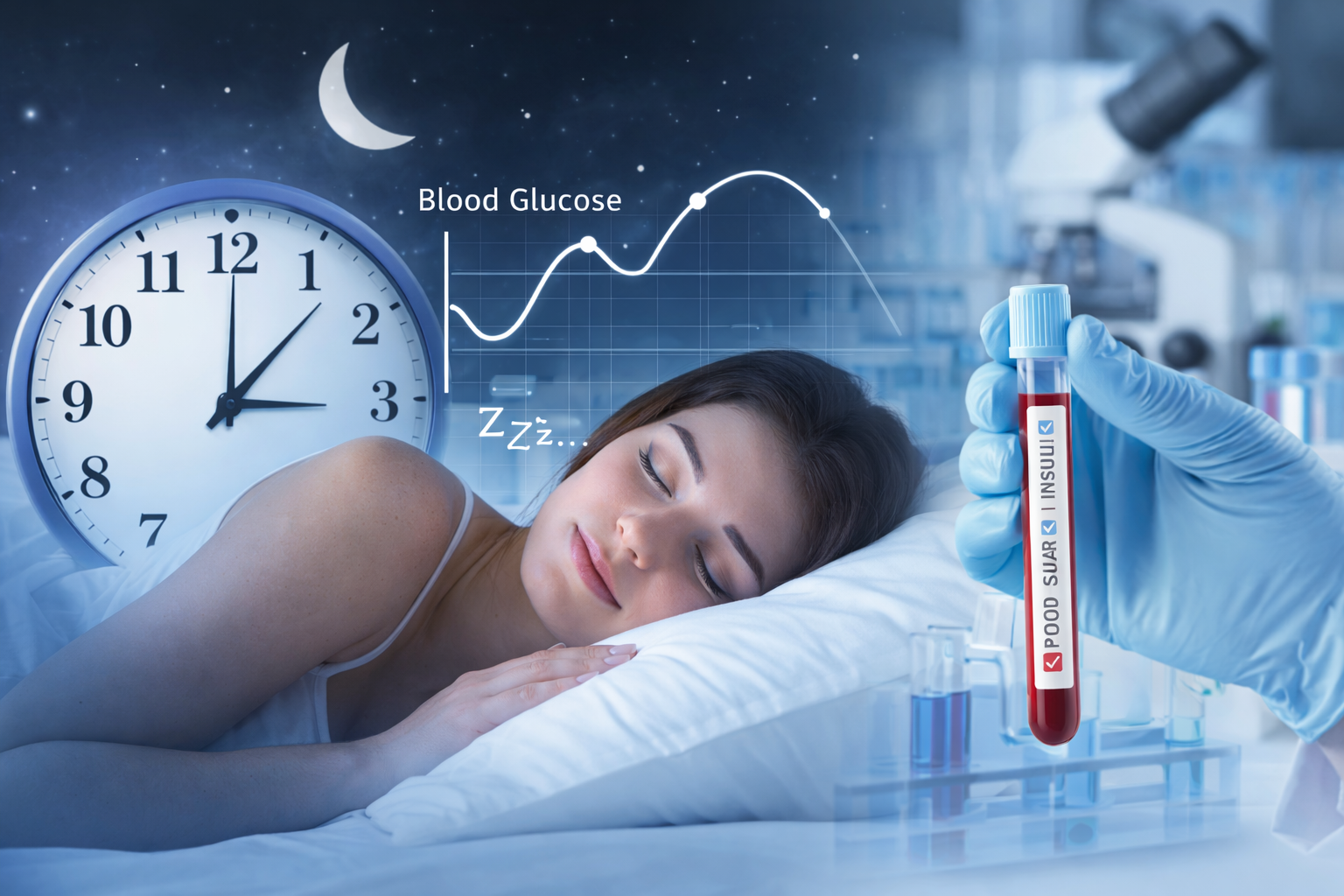
If you are struggling with stubborn weight gain, blood sugar instability, insulin resistance, or type 2 diabetes, there’s one foundational factor that often gets overlooked:
Sleep.
Most people think about food, exercise, or supplements — but rarely do they consider how powerfully sleep regulates metabolism.
In functional medicine, we look upstream. And one of the most important upstream regulators of metabolism is your circadian rhythm — your body’s internal clock system.
Your Body Has More Than One Clock
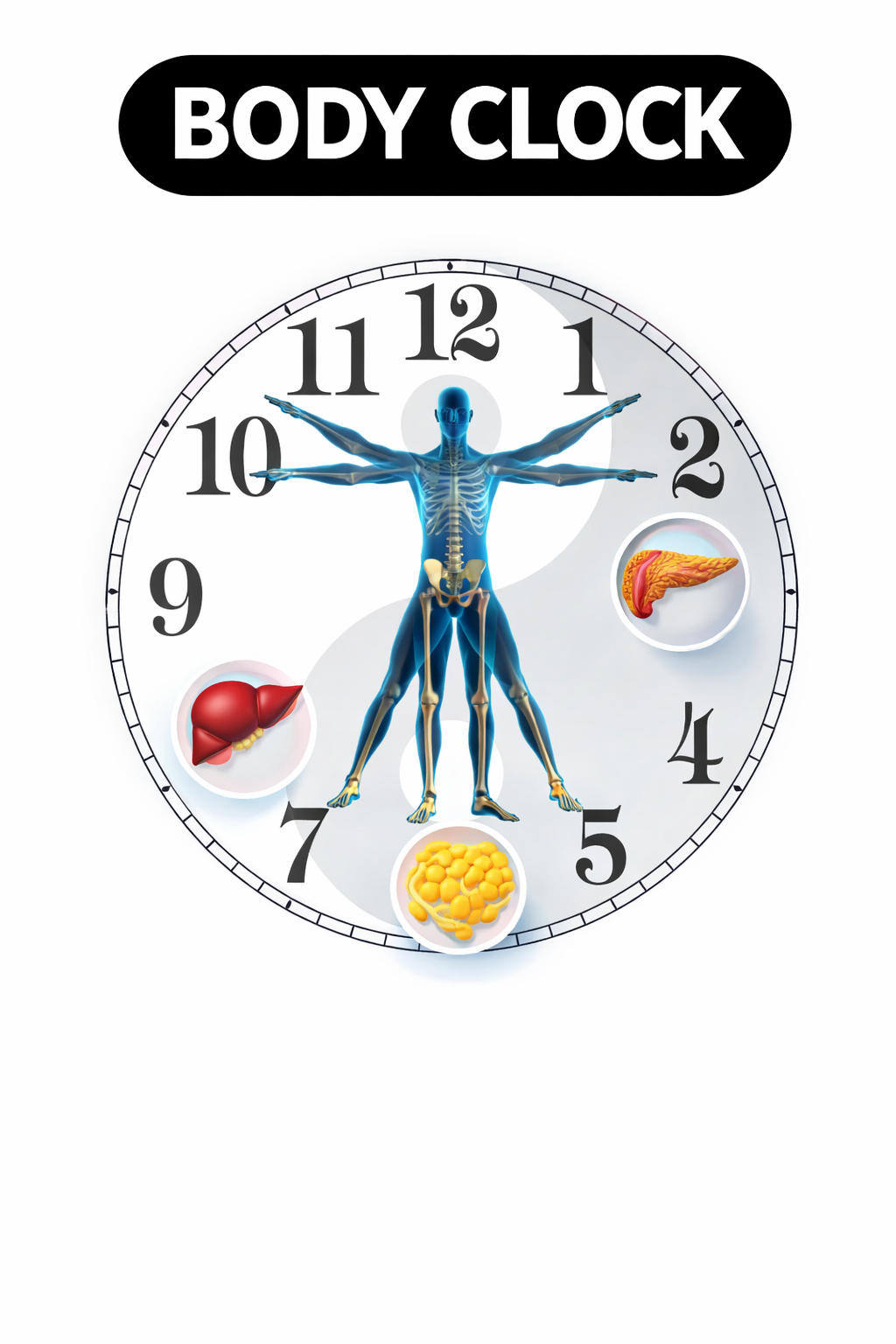
You don’t just have one “body clock.”
You have clocks in nearly every organ — your brain, pancreas, liver, stomach, and even your fat cells. These clocks coordinate:
-
Blood sugar regulation
-
Insulin sensitivity
-
Hunger hormones
-
Fat storage
-
Blood pressure
-
Inflammation
When your sleep-wake cycle is consistent, these clocks stay synchronized.
When your sleep is erratic… they fall out of rhythm.
And when that happens, metabolism starts to break down.
How Poor Sleep Drives Insulin Resistance
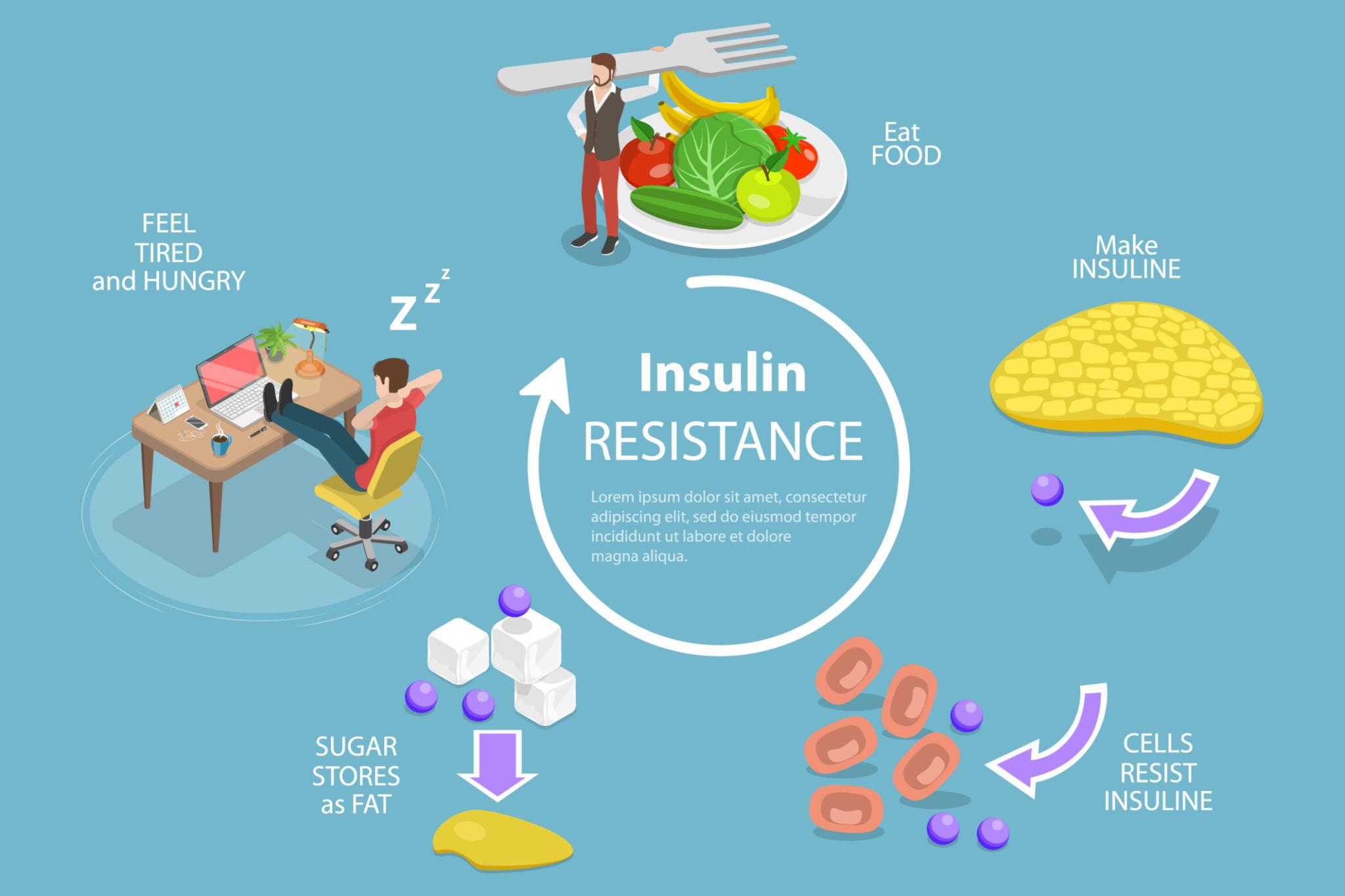 Even mild sleep loss can have significant metabolic consequences.
Research shows that losing as little as 30 minutes of sleep per night can increase the risk of:
-
Obesity
-
Insulin resistance
-
Type 2 diabetes
Over time, chronic sleep disruption increases inflammatory markers like C-reactive protein, which raises cardiovascular risk as well.
Here’s what happens physiologically:
1️⃣ Insulin Sensitivity Drops
Your cells become less responsive to insulin. Blood sugar stays elevated longer.
2️⃣ Leptin Resistance Develops
Leptin tells your brain you’re full. When sleep is poor, leptin signaling weakens.
3️⃣ Ghrelin Increases
Ghrelin is your hunger hormone. Sleep deprivation increases ghrelin — meaning you feel hungrier.
The result?
-
Increased cravings
-
More refined carbohydrate intake
-
Higher blood sugar
-
More fat storage
This is one reason patients often tell me:
“I’m doing everything right… but the weight won’t budge.”
If sleep is off, metabolism is off.
Meal Timing Matters Too
It’s not just what you eat — it’s when you eat.
One study found that individuals who ate their largest meal before 3 PM lost 25% more weight than those who ate their largest meal later — even when calories and activity levels were similar.
Your metabolism is programmed to process nutrients differently throughout the day.
Late-night eating:
-
Disrupts circadian alignment
-
Elevates nighttime blood sugar
-
Promotes fat storage
-
Worsens insulin resistance
If you want to improve metabolic flexibility, align your meals with daylight.
Night Shift Work and Metabolic Risk
Shift workers have significantly higher rates of diabetes.
Even if total sleep hours are adequate, sleeping during the day disrupts the natural light-dark rhythm that anchors your circadian clock.
Your biology was designed around sunlight.
When we override that signal long-term, the metabolic consequences accumulate.
Why Electronics Worsen Sleep and Blood Sugar

Blue light exposure at night suppresses melatonin and delays sleep onset.
Even daytime overuse of screens has been associated with delayed sleep timing.
When melatonin is suppressed:
-
Sleep quality drops
-
Cortisol rhythm shifts
-
Insulin sensitivity declines
For patients struggling with insomnia, I often recommend:
-
No screens at least one hour before bed
-
Dim lights after sunset
-
Blackout curtains
-
A consistent bedtime (ideally asleep before 10 PM)
Small changes here can produce dramatic improvements in blood sugar stability.
Three Anchors That Reset Your Circadian Rhythm
If you want to improve insulin sensitivity naturally, start here:
☀️ 1. Morning or Midday Sunlight
Get 20–30 minutes of bright daylight exposure daily.
🌙 2. Reduce Evening Light
Dim indoor lighting and avoid blue light at night.
🌑 3. Sleep in Total Darkness
Blackout shades or a sleep mask can make a significant difference.
These simple interventions can:
-
Improve insulin sensitivity
-
Reduce inflammation
-
Lower hunger hormones
-
Support weight loss
-
Improve energy
The Takeaway
If you are working hard to improve your health but ignoring sleep, you may be fighting an uphill battle.
Optimizing sleep is not optional — it is foundational.
In my practice, when we correct circadian rhythm disruption, patients often notice:
-
Easier weight loss
-
Improved fasting glucose
-
Better energy
-
Fewer cravings
-
More stable mood
Sleep is medicine.
And for many people, it’s the missing piece.