
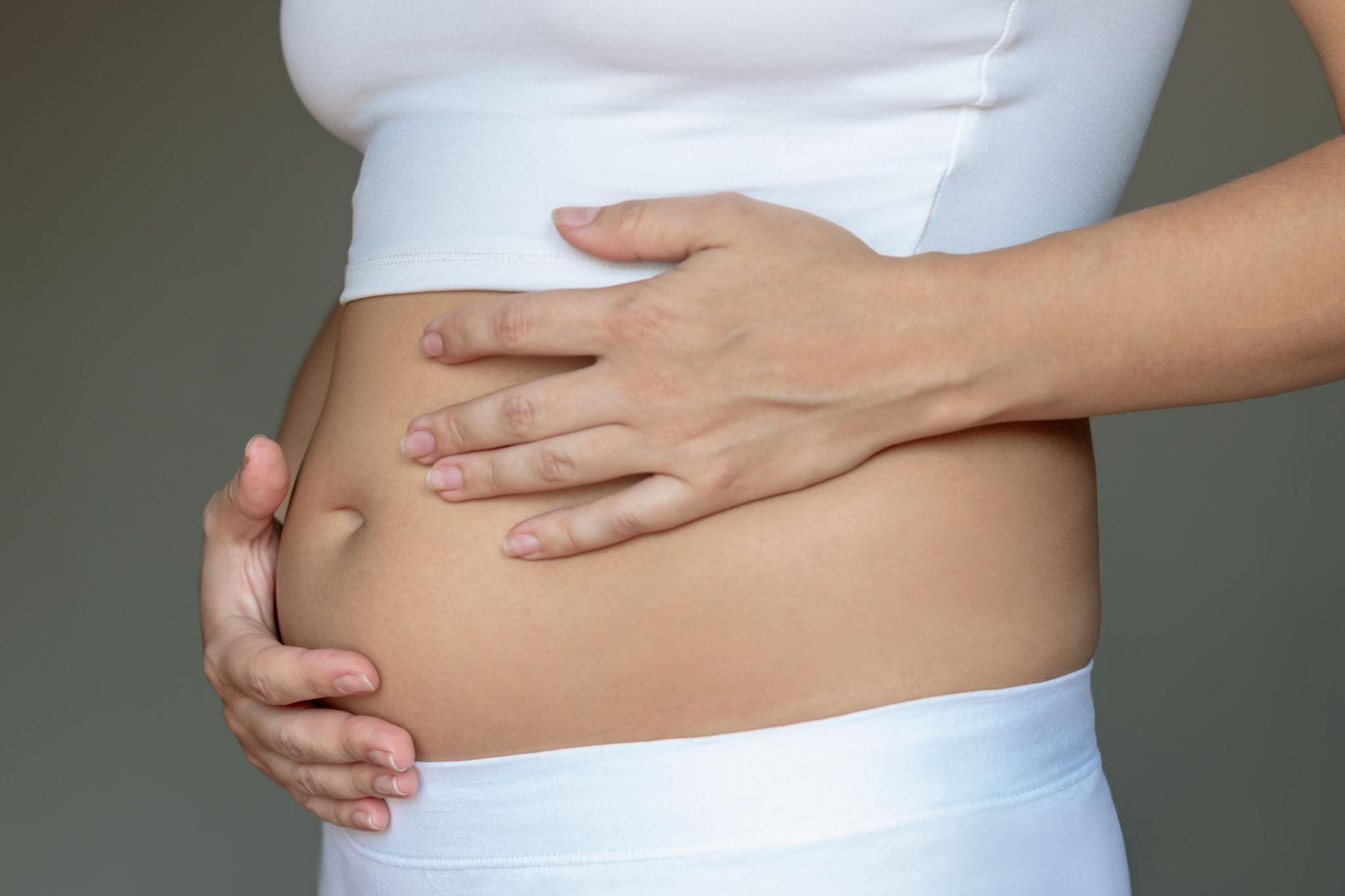
Do You Feel Bloated Immediately After Meals?
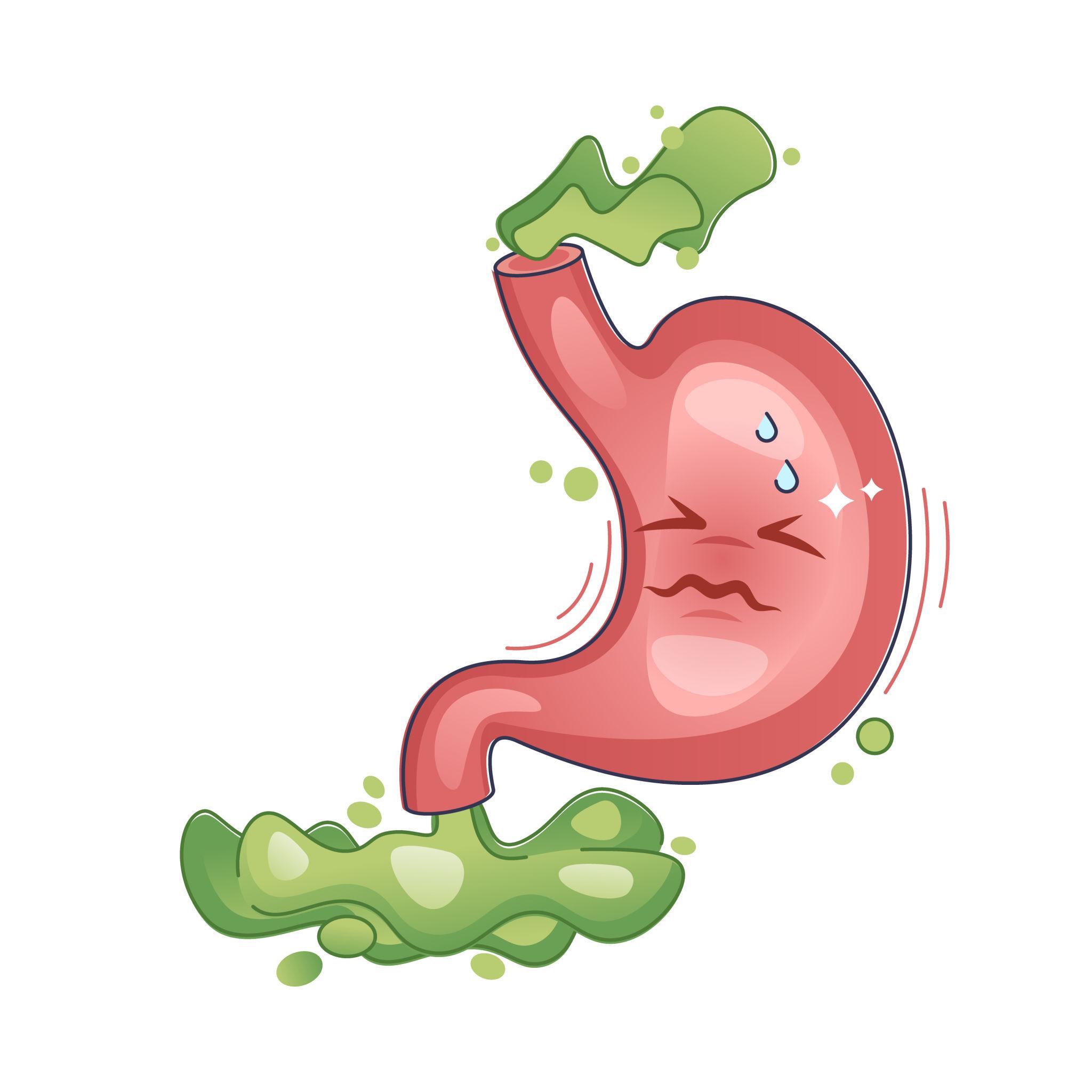
Bloating is often caused by underlying issues like SIBO, poor digestion, or microbiome imbalance.
This is a key clue.
👉 Timing matters.
What Bloating After Eating Often Means
🔹 Early bloating (right after eating)
- Low stomach acid
- Enzyme deficiency
🔹 Delayed bloating (1–3 hours later)
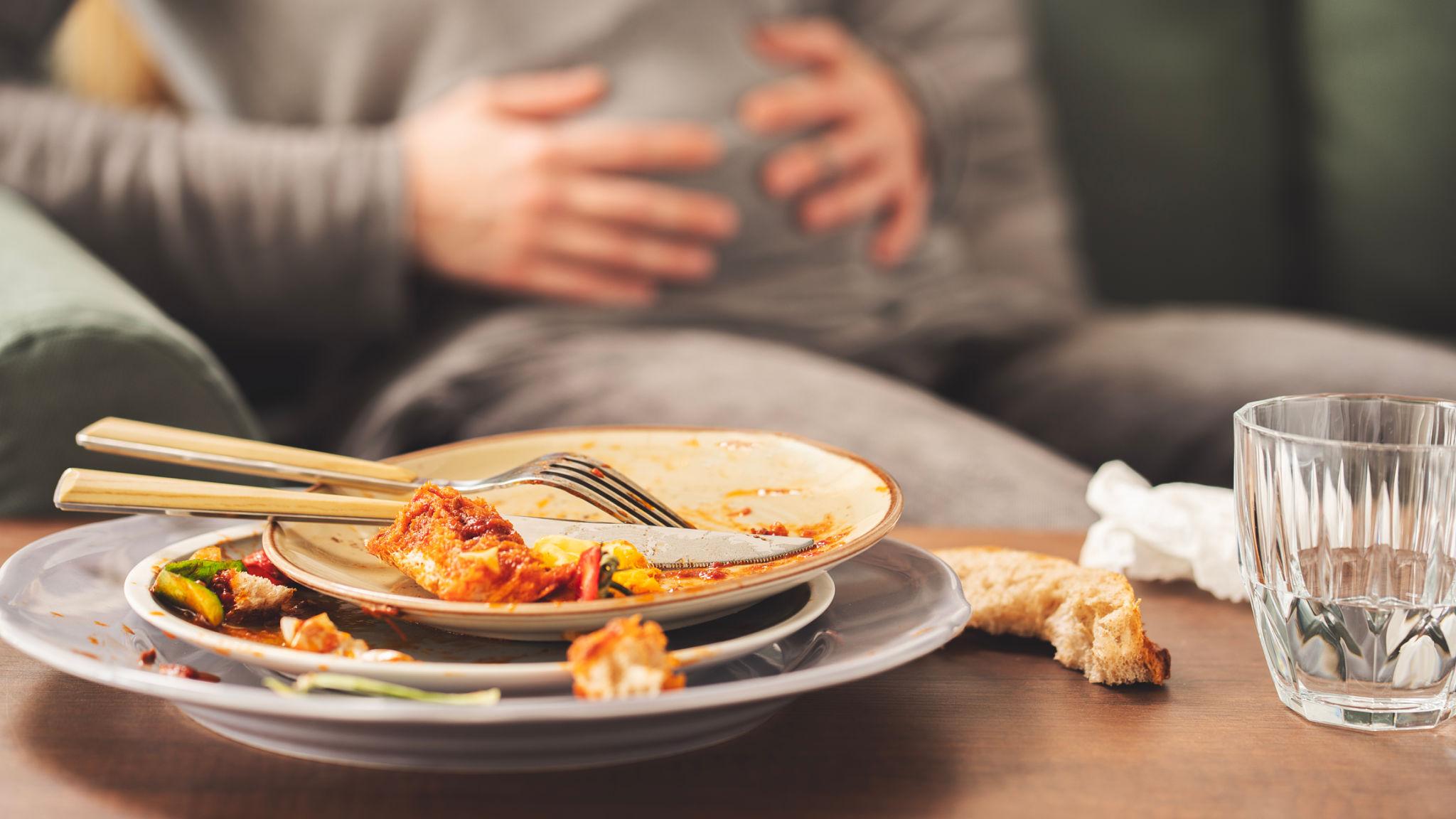
Bloating after meals can be a key sign of poor digestion, SIBO, or enzyme deficiency.
- Fermentation issues
- SIBO
👉 Learn more here:
[INSERT LINK: SIBO Blog URL]
🔹 Fatty meal bloating
Your Body Is Giving You Signals
Instead of ignoring symptoms, we use them as diagnostic clues
What Actually Works
-

A functional medicine approach focuses on identifying the root cause of bloating and restoring proper digestion and gut balance.
Identifying digestion issues
- Supporting stomach acid
- Improving bile flow
- Correcting microbiome imbalance
Frequently Asked Questions About Bloating
Why am I always bloated?
Chronic bloating is often caused by underlying digestive issues such as SIBO, gut dysbiosis, food sensitivities, low stomach acid, poor enzyme function, constipation, or gallbladder dysfunction. Identifying the root cause is the key to lasting relief.
What causes bloating after eating?
Bloating after eating may be caused by poor digestion, low stomach acid, enzyme deficiency, bacterial fermentation in the small intestine, food sensitivities, or problems with bile flow. The timing and pattern of symptoms can provide clues to the underlying cause.
Can stress cause bloating?
Yes. Stress can contribute to bloating by affecting digestion, gut motility, stomach acid production, and the gut-brain axis. Chronic stress can make digestive symptoms worse and may contribute to ongoing bloating after meals.
What is the fastest way to relieve bloating?
Short-term bloating relief may come from reducing trigger foods, improving digestion, supporting gut motility, and addressing constipation or gas buildup. However, long-term relief usually requires identifying and correcting the underlying cause.
When should bloating be evaluated?
Bloating should be evaluated if it is persistent, happens after most meals, is associated with pain, constipation, diarrhea, or other digestive symptoms, or does not improve with simple dietary changes. Ongoing bloating is a sign that deeper digestive issues may be present.
👉 Next Step
If you want a personalized plan:
____________________________________________________________________________________________________________________________________
1 of 3