
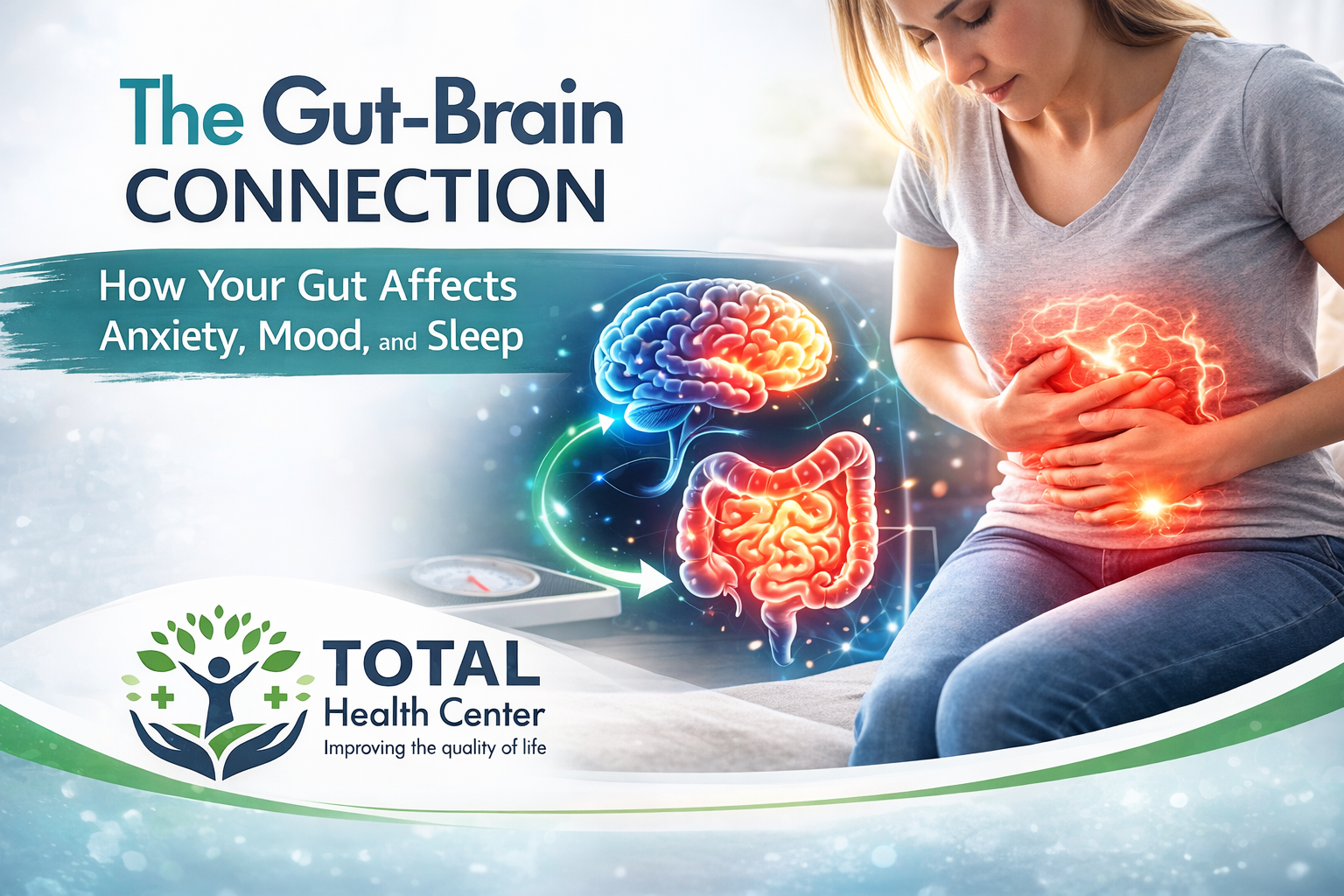
Your gut and brain are directly connected through the gut-brain axis. Imbalances in gut bacteria can affect neurotransmitters like serotonin, increase inflammation, and contribute to anxiety, poor mood, and sleep disturbances.
📌 What Is the Gut-Brain Connection?
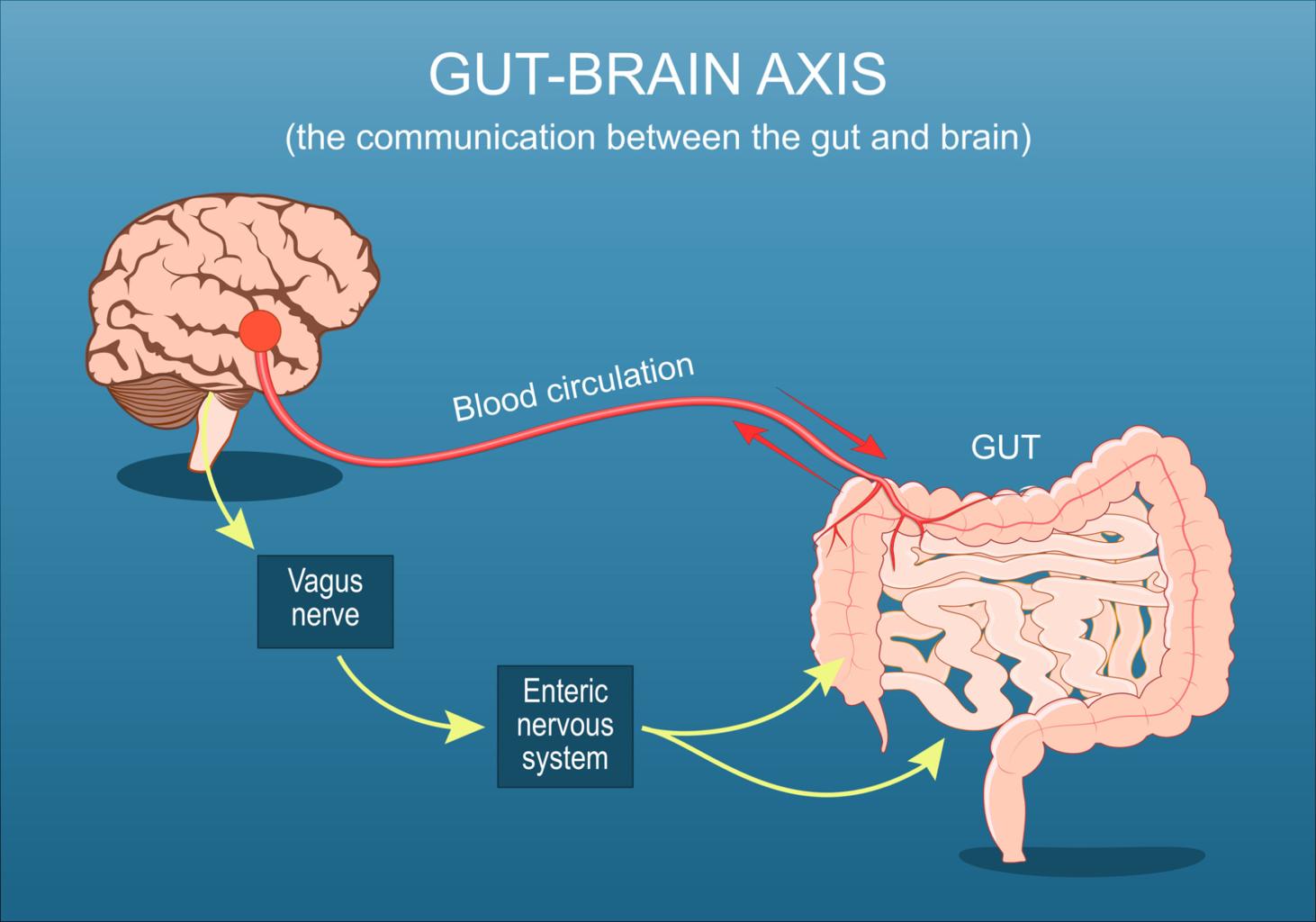
The gut and brain communicate through a network called the gut-brain axis, involving:
- The nervous system (vagus nerve)
- The immune system
- Hormones and neurotransmitters
This means:
👉 What happens in your gut can directly affect how you feel mentally.
🧠 Your Gut Produces Neurotransmitters
Many people are surprised to learn:
👉 About 90% of serotonin is produced in the gut
Serotonin plays a major role in:
- Mood regulation
- Anxiety control
- Sleep cycles
When gut health is compromised:
- Neurotransmitter production drops
- Mood becomes unstable
Research published in Nature Reviews Gastroenterology & Hepatology highlights the role of the gut microbiome in regulating brain function.
👉 https://pubmed.ncbi.nlm.nih.gov/24662309/
😟 How Gut Problems Contribute to Anxiety
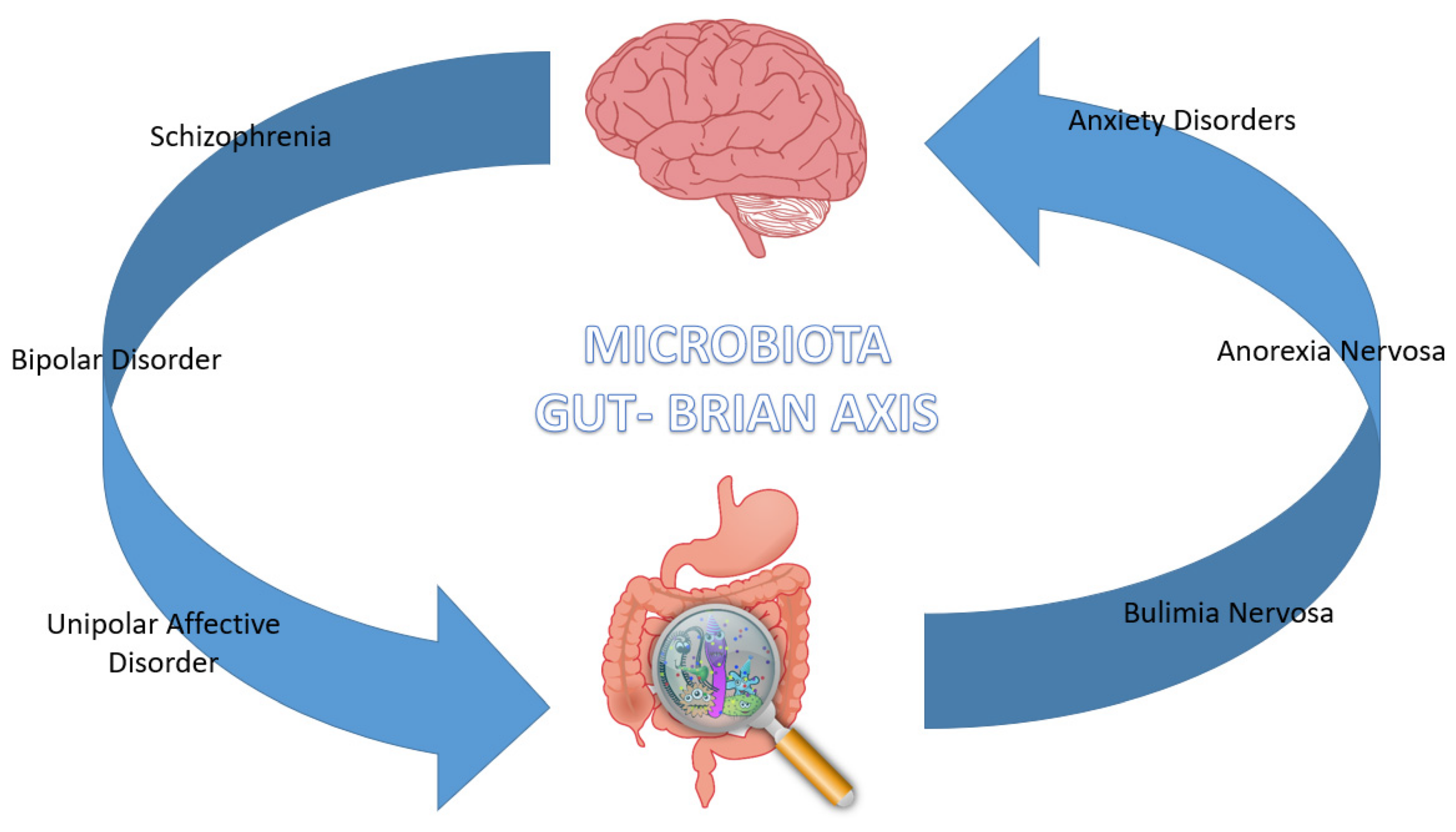 An unhealthy gut can lead to:
- Increased inflammation
- Disrupted neurotransmitters
- Overactive stress response
A study published in Nutrients found that gut microbiota influence anxiety and stress-related behaviors.
👉 https://pubmed.ncbi.nlm.nih.gov/30646514/
👉 This is why many people don’t improve with medication alone.
🌙 Gut Health and Sleep
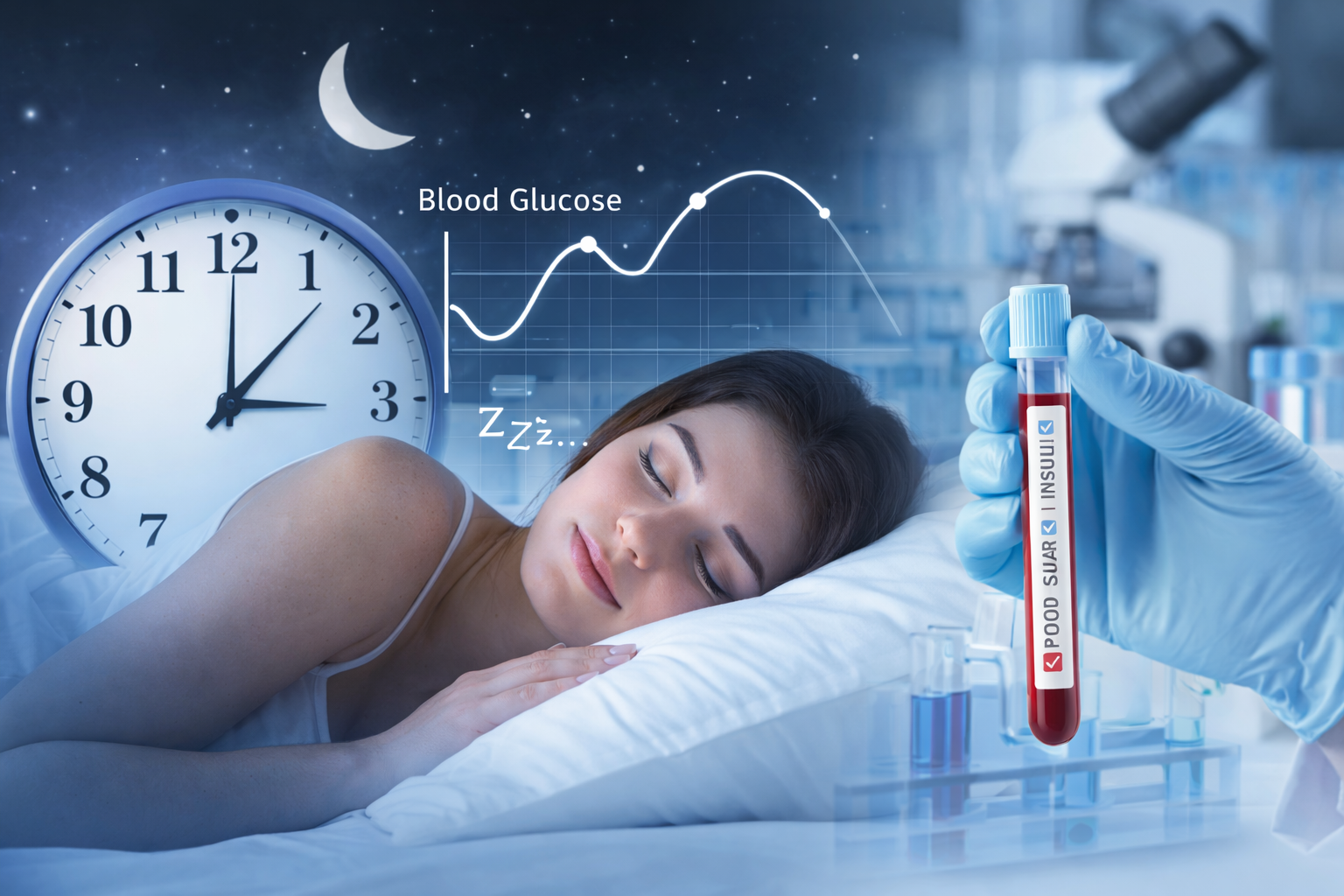 Your gut also plays a major role in sleep quality.
When gut health is poor:
- Serotonin production decreases
- Melatonin (sleep hormone) is disrupted
- Inflammation interferes with sleep cycles
A large population study found significantly higher rates of sleep disorders in individuals with gastrointestinal disease.
👉 This explains why many people with gut issues also struggle with insomnia or poor sleep.
🔥 Inflammation: The Common Link

Inflammation is the bridge between gut dysfunction and brain symptoms.
When the gut is inflamed:
- Cytokines affect brain signaling
- Stress hormones increase
- Brain fog develops
👉 Chronic inflammation = chronic symptoms
⚠️ Signs Your Gut May Be Affecting Your Brain
- Anxiety or panic attacks
- Depression or low mood
- Brain fog
- Poor focus
- Sleep issues
- Fatigue
🔗 How This Connects to Other Health Issues
Gut dysfunction doesn’t exist in isolation.
It’s commonly linked with:
- <a href=”/leaky-gut-syndrome/”>leaky gut syndrome</a>
- <a href=”/gut-health-and-weight-loss/”>gut health and weight loss</a>
👉 These conditions often overlap and reinforce each other.
🧪 How to Improve the Gut-Brain Connection
🥗 1. Improve Diet
Focus on:
- Whole foods
- Fiber-rich vegetables
- Healthy fats
🦠 2. Support the Microbiome
- Probiotics
- Fermented foods
- Prebiotics
🧘 3. Reduce Stress
Chronic stress damages gut function and worsens symptoms.
🧱 4. Repair the Gut
If leaky gut is present, repairing the gut lining is essential.
👉 See our guide on
<a href=”/leaky-gut-syndrome/”>leaky gut symptoms and causes</a>
⏳ How Long Does It Take to Feel Better?
- 1–2 weeks: Improved digestion
- 3–6 weeks: Mood improvements
- 6–12 weeks: Significant changes in anxiety and sleep
❓ Frequently Asked Questions
❓ Can gut health really affect anxiety?
Yes. The gut produces neurotransmitters and communicates directly with the brain.
❓ Can probiotics help with anxiety?
Some strains may help reduce anxiety by improving gut balance.
❓ Why do gut issues cause brain fog?
Inflammation and poor nutrient absorption affect brain function.
❓ Can improving gut health improve sleep?
Yes—through improved serotonin and melatonin production.
🧪 Scientific Evidence
- Gut microbiome influences brain function
👉 https://pubmed.ncbi.nlm.nih.gov/24662309/ - Gut bacteria affect anxiety and behavior
👉 https://pubmed.ncbi.nlm.nih.gov/30646514/
🧠 Dr. Scott’s Perspective
Many patients come in focused on anxiety or fatigue, but the root cause is often in the gut.
When we address gut health, we frequently see:
- Improved mood
- Better sleep
- Reduced anxiety
📞 Ready to Improve Your Gut and Mental Health?
If you’re struggling with anxiety, brain fog, or poor sleep, your gut may be playing a major role.
At Total Health Center, we take a functional medicine approach to identify the root cause.
👉 Call (757) 363-8571 to schedule your consultation