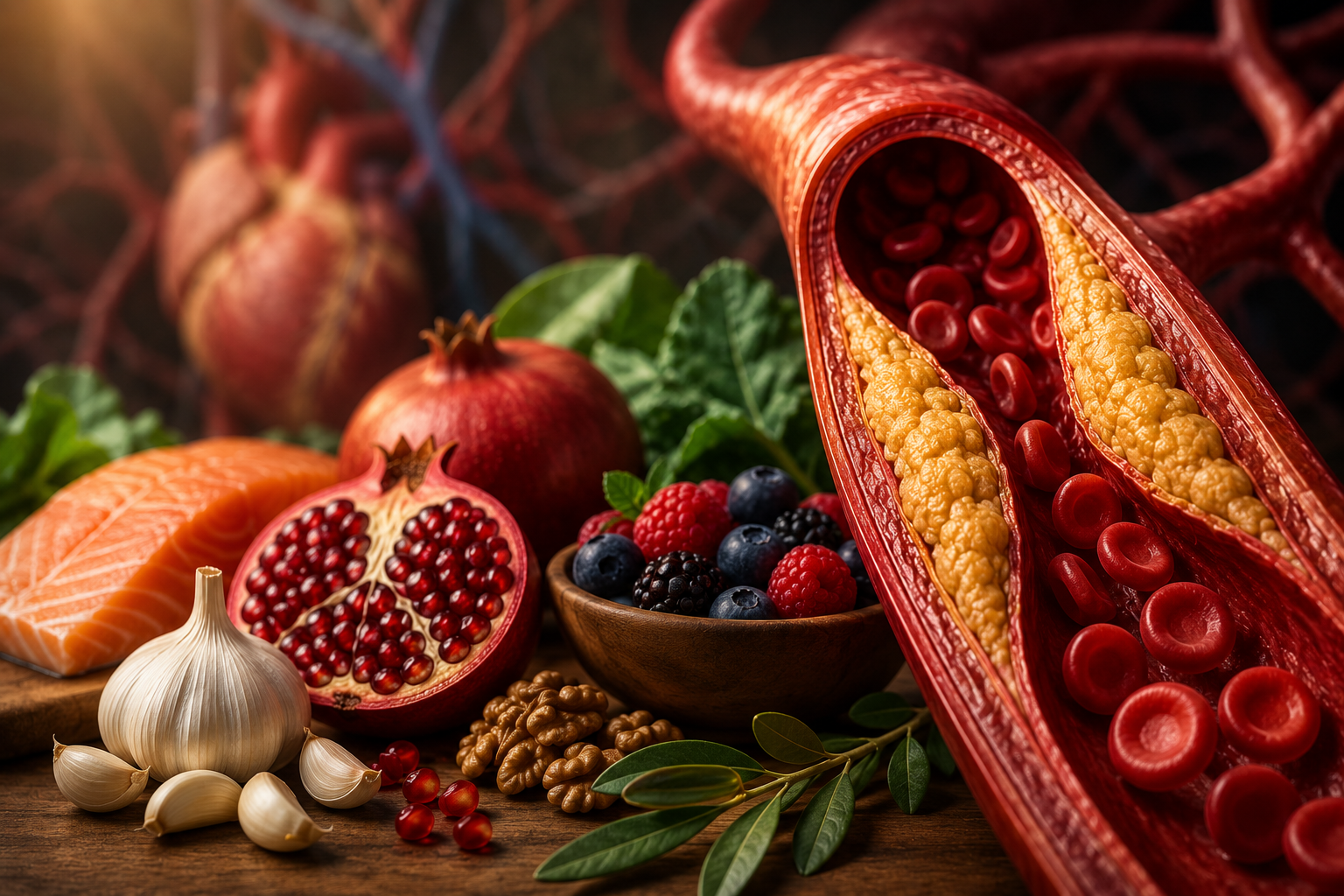
Can You Reverse Arterial Plaque Naturally?
A Functional Medicine Approach to Supporting Arterial Health
“The goal isn’t to chase miracles. The goal is to understand the biology of healing—and then give your body every opportunity to do what it was designed to do.”
When Three Words Change Everything
“You have plaque in your arteries.”
Few conversations in medicine change a person’s outlook as quickly as those six words. In a matter of seconds, the future suddenly feels uncertain. Questions begin racing through your mind. Am I going to have a heart attack? Is this something I inherited? Will I need surgery? Can this ever get better? For many people, the diagnosis doesn’t simply create concern—it creates the feeling that their body has already made a decision they can no longer influence.
Unfortunately, many patients leave that appointment believing there is little they can do beyond taking medication, watching the disease over time, and hoping it doesn’t become worse. Whether or not that was their physician’s intended message, it is often the one people remember. Plaque becomes something permanent in their minds, almost like rust inside an old pipe. The damage has been done, the story has been written, and all that remains is to slow the inevitable.
After spending decades practicing functional medicine, I don’t believe that perspective tells the whole story.
Before we go any further, I want to be equally clear about what I am not saying. I’m not suggesting there is a miracle supplement that dissolves years of plaque. I’m not claiming everyone can completely reverse advanced cardiovascular disease. And I’m certainly not encouraging anyone to ignore proven medical therapies or delay appropriate care. The current scientific evidence simply doesn’t support those conclusions.
But the opposite extreme isn’t supported by the evidence either.
Over the past twenty years, researchers from around the world have quietly been asking a different question. Instead of focusing only on how to slow cardiovascular disease, they’ve begun studying how arteries repair themselves, why plaque forms in the first place, what drives arterial calcification, how inflammation resolves, how cholesterol is removed from tissues, and whether some of these biological processes can move in a healthier direction under the right conditions. Along the way, they’ve uncovered findings that challenge the old belief that arteries become biologically frozen once plaque develops.
That doesn’t mean every artery can heal completely.
It does mean the story is far more hopeful than many people realize.
In this article, I’m going to share what I believe is one of the most exciting shifts occurring in cardiovascular research today. We’ll look at the human studies that have caught my attention, discuss where the science is genuinely encouraging, acknowledge where important questions still remain, and finish with the practical strategy I use in my own functional medicine practice to help support long-term arterial health.
My goal isn’t to convince you that plaque reversal is guaranteed.
My goal is to convince you that you are not powerless.
That distinction may seem subtle, but it changes everything.
The Biggest Misunderstanding About Heart Disease
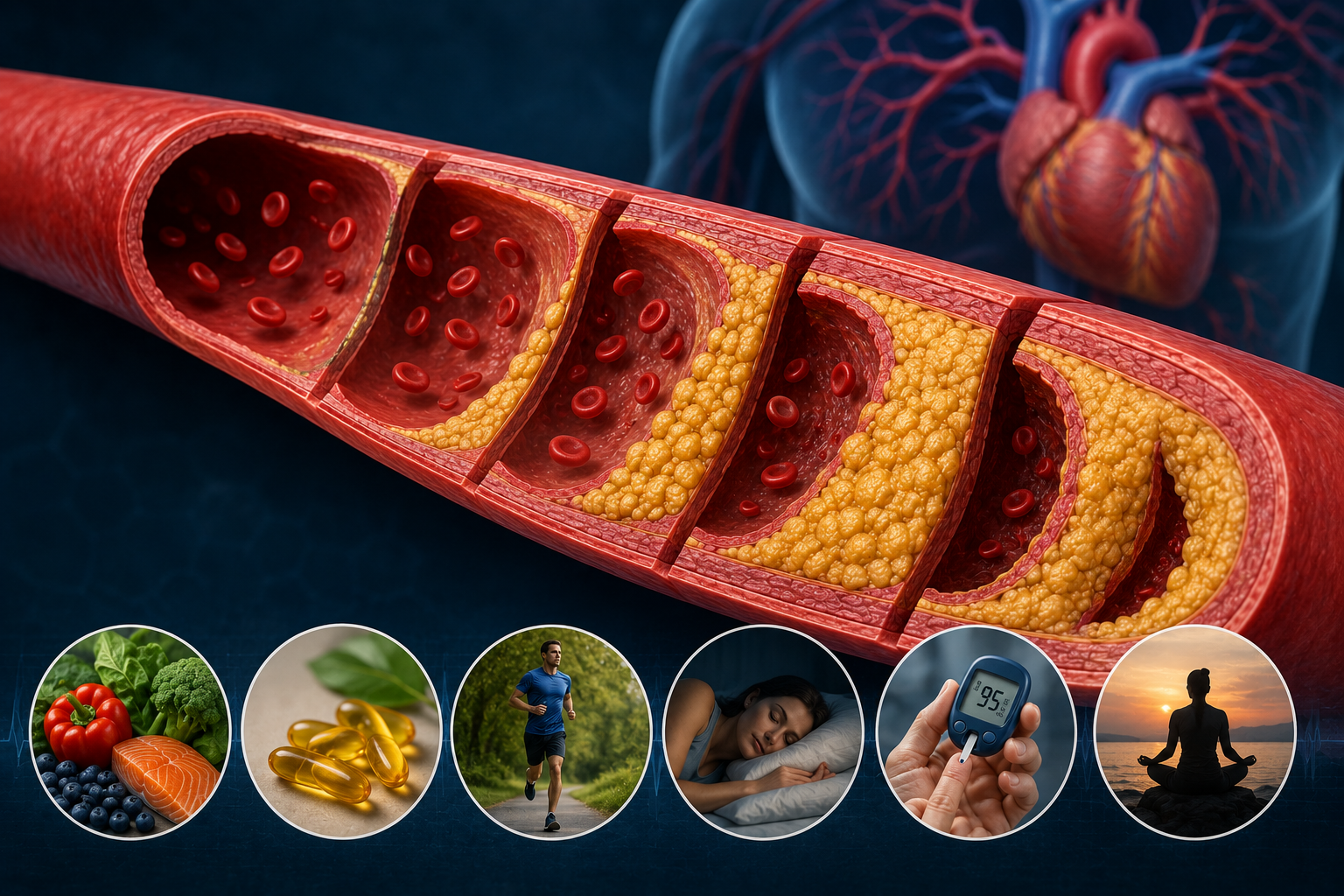
Atherosclerosis is a gradual biological process. Genetics play a role, but nutrition, exercise, blood sugar control, sleep, stress, and chronic inflammation all influence how arteries change over time.
If I asked you to picture plaque inside an artery, chances are you would imagine cholesterol slowly sticking to the inside of a blood vessel, much like grease building up inside an old kitchen drain. It’s an image we’ve all seen countless times in television commercials, health magazines, and medical illustrations. The artery is shown as a pipe, cholesterol is shown as debris, and the solution appears obvious: remove the blockage.
The problem is that your arteries are nothing like plumbing pipes.
A pipe is lifeless. It doesn’t communicate with the rest of the house. It can’t repair itself after being scratched. It doesn’t adapt to changes in its environment or replace damaged sections with new material. Once corrosion begins, the pipe simply continues deteriorating until someone replaces it.
Your arteries couldn’t be more different.
Every artery in your body is made of living tissue. The cells lining its surface are constantly sensing blood flow, responding to hormones, producing nitric oxide, communicating with your immune system, repairing microscopic injuries, and adapting to everything happening around them. They respond to what you eat, how well you sleep, whether you exercise, your blood sugar, your blood pressure, your stress levels, and countless other signals every hour of every day. Even while you’re reading this article, billions of cells inside your arteries are actively deciding how to respond to the environment you’ve created.
That realization changed the way I began thinking about cardiovascular disease many years ago.
Instead of asking, “How do we remove plaque?” I found myself asking a much more interesting question.
Why did the artery lose its ability to keep itself healthy in the first place?
The answer, I believe, is where the real story begins.
Because plaque isn’t simply cholesterol.
It isn’t simply calcium.
And it isn’t simply a consequence of getting older.
Plaque is the visible result of years of biological conversations taking place inside a living artery. Some of those conversations involve inflammation. Others involve blood sugar, oxidative stress, damaged cholesterol, mineral metabolism, blood pressure, immune cells, and tissue repair. Layer by layer, year after year, the artery adapts to the environment surrounding it. Eventually those adaptations become visible as plaque.
When you begin looking at heart disease through that lens, something remarkable happens.
You stop seeing plaque as an object.
You start seeing it as a process.
That shift in perspective may be one of the most important ideas in this entire article, because living processes can often be influenced in ways that lifeless objects cannot.
The question is no longer whether an artery is capable of responding.
The question becomes:
How do we create an environment that encourages the healthiest possible response?
That is the question researchers around the world are now trying to answer.
And some of what they’ve discovered may surprise you.
The Studies That Changed My Thinking
One of the reasons I enjoy practicing functional medicine is that medicine is never truly finished. Every year, new research challenges ideas that once seemed unquestionable. Sometimes those new discoveries confirm what we’ve believed all along. Other times they force us to step back, reconsider old assumptions, and ask whether the story is more complicated than we once thought.
That is exactly what happened as I began studying arterial disease more deeply.
For years, the conversation around heart disease revolved almost entirely around cholesterol. While cholesterol is certainly an important part of the story, I kept finding studies that pointed toward something much bigger. Researchers weren’t simply asking how to lower cholesterol anymore. They were studying endothelial repair, inflammation, calcium regulation, oxidative stress, fibrin remodeling, and the body’s own ability to remodel damaged tissue.
No single study changed my thinking overnight.
It was the accumulation of evidence that slowly painted a different picture.
Each study seemed to reveal another piece of the puzzle, and together they led me to a conclusion that I think every patient should hear.
Your arteries remain biologically active throughout your life.
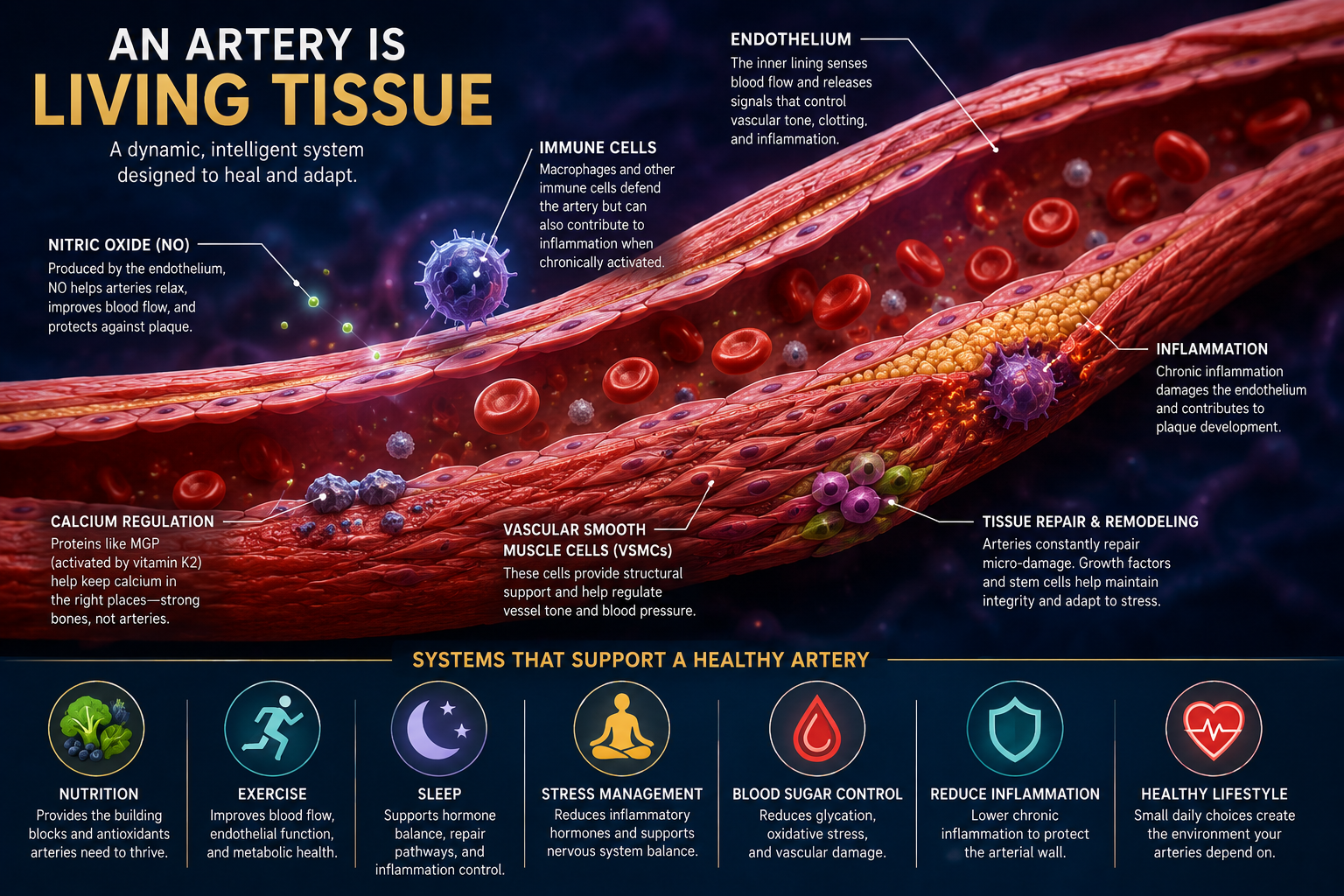
Unlike plumbing pipes, arteries are living organs that constantly repair, communicate, adapt, and respond to nutrition, inflammation, blood sugar, exercise, sleep, and other biological signals throughout life.
That doesn’t guarantee plaque reversal.
But it does mean the artery never completely stops responding to the environment in which it lives.
That realization is incredibly encouraging.
The Japanese Vitamin K2 Research
One of the first areas that caught my attention was the research on vitamin K2.
For decades, calcium inside an artery was often viewed much like mineral deposits inside an old water pipe—something that accumulated almost passively over time. Today we know the biology is far more sophisticated. Arterial calcification is an active, tightly regulated process involving living cells, signaling proteins, and enzymes that help determine where calcium is deposited throughout the body.
One of the most important of those proteins is Matrix Gla Protein (MGP). When activated by vitamin K2, MGP helps inhibit calcium deposition within the artery wall. Without adequate vitamin K2, that protective system may not function optimally.
Researchers in Japan have spent decades investigating vitamin K2, particularly higher-dose menaquinone-4 (MK-4), because of its effects on bone and vascular biology. While the evidence does not prove that vitamin K2 consistently reverses established coronary artery calcification, the research strongly supports its role in healthy calcium regulation and has made many scientists rethink the biology of vascular calcification itself.
For me, that was one of the first clues that arteries are not passive structures.
They are living tissues constantly regulating their own biology.
That gives me hope.
The Nattokinase Study That Challenged Old Assumptions
The second paper that really caught my attention came from Japan and involved an enzyme called nattokinase.
Nattokinase is produced during the fermentation of soybeans into natto, a traditional Japanese food that has been consumed for centuries. Researchers have long been interested in nattokinase because of its ability to influence fibrin, one of the proteins involved in blood clot formation and tissue remodeling.
What surprised me wasn’t simply the enzyme itself.
It was the imaging.
In one human study, participants taking relatively high doses of nattokinase demonstrated measurable reductions in carotid artery plaque thickness over time. Like every study, it has limitations. It wasn’t large enough to completely rewrite cardiology textbooks, and more research is clearly needed before broad conclusions can be drawn.
But the study challenged a belief that many of us had accepted for years—that plaque is completely static.
It suggested something much more interesting.
Plaque may be capable of remodeling under the right biological conditions.
That doesn’t mean nattokinase is a miracle supplement.
It means the biology of plaque appears to be more dynamic than we once believed.
A Glass of Pomegranate Juice Changed the Conversation
Another fascinating study came from researchers investigating pomegranate juice.
At first glance, it almost sounds too simple to be true.
Could something as ordinary as a fruit influence arterial health?
Researchers followed patients with carotid artery disease and observed reductions in carotid intima-media thickness along with significant improvements in markers of oxidative stress after regular pomegranate juice consumption. Although the study was relatively small and should not be interpreted as definitive proof of plaque reversal, it demonstrated something that continues to fascinate me.
Food is information.
Every meal changes the biochemical environment inside the artery. Some foods increase oxidative stress and inflammation. Others appear to reduce it. Pomegranate is rich in polyphenols and powerful antioxidant compounds that may help protect LDL particles from oxidation—one of the earliest steps involved in plaque formation.
The lesson wasn’t that everyone should drink pomegranate juice.
The lesson was that nutrition has measurable effects on arterial biology.
Magnesium and the Biology of Calcification
One of the biggest surprises in cardiovascular research has been the growing appreciation for magnesium.
Most people think of magnesium as a mineral that helps muscles relax or improves sleep. While those benefits are important, researchers now recognize that magnesium also plays a critical role in vascular biology. Laboratory and clinical studies suggest magnesium influences how calcium crystals form, helps regulate the behavior of vascular smooth muscle cells, and may reduce the tendency of arteries to become calcified over time.
Several observational studies have found that people with higher magnesium intake often have lower levels of vascular calcification and reduced cardiovascular risk. Although observational research cannot prove cause and effect, the consistency of these findings, combined with what we know about magnesium’s biological functions, has made this one of the nutrients I pay close attention to in clinical practice.
Once again, the message isn’t that magnesium is a cure.
The message is that calcification is biology.
And biology can often be influenced.
The Bigger Picture
If you’ve noticed a pattern, you’re exactly right.
None of these studies proves that every person can reverse arterial plaque.
None of them identifies a miracle nutrient capable of erasing decades of disease.
And none of them suggests we should ignore established medical care.
What they do suggest is something much more encouraging.
Researchers from different countries, studying different nutrients, using different methods, continue arriving at the same general conclusion: the artery remains biologically active. It continues responding to inflammation, nutrition, mineral metabolism, oxidative stress, blood flow, and countless other signals throughout life.
To me, that changes the conversation completely.
Instead of searching for one magic supplement, I began asking a different question.
If multiple biological systems influence arterial health, what would happen if we improved as many of those systems as possible at the same time?
That question eventually became the foundation of the strategy I’m about to share with you.
It’s not based on one study.
It’s not based on one supplement.
It’s based on giving a living artery the healthiest possible environment in which to do what living tissue has always been designed to do:
Repair, adapt, and remodel.
The Study That Made Me Stop and Read It Twice
Every now and then a scientific paper comes along that makes you stop, go back to the beginning, and read it again.
One of those papers came from researchers at Osaka University in Japan studying an uncommon condition called triglyceride deposit cardiomyovasculopathy (TGCV). Unlike traditional atherosclerosis, which is driven largely by cholesterol-rich plaque, TGCV develops because triglycerides accumulate inside the cells of the artery wall and heart muscle due to impaired fat metabolism.
At first glance, it might seem like this research has little to do with the average person.
Then I looked at the images.
Researchers treated patients with tricaprin, a medium-chain triglyceride available as a nutritional supplement in Japan, and followed them using advanced coronary CT imaging. Over the following months, not only did the patients’ chest pain improve, but the scans showed something cardiologists rarely have the opportunity to witness.
Some of the narrowed coronary arteries actually became more open.
The surrounding triglyceride deposits decreased, blood flow improved, and imaging suggested healthier fat metabolism within the heart muscle itself. The paper described the findings as “remarkable regression” of diffuse coronary artery disease associated with TGCV.
Now, it’s extremely important to keep this study in its proper context.
This was not typical cholesterol-driven atherosclerosis, and it would be inappropriate to conclude that tricaprin reverses ordinary coronary artery disease. The condition being treated is rare, the number of patients was very small, and much more research is needed before these findings can be applied more broadly.
But that’s not why this study caught my attention.
It caught my attention because it reminded me that arteries are living tissues.
When researchers improve the underlying biology—whether that’s calcium regulation, oxidative stress, inflammation, fibrin remodeling, cholesterol transport, or in this case intracellular fat metabolism—they sometimes observe changes that many of us once believed were impossible.
That doesn’t mean every artery will remodel.
It doesn’t mean every plaque will regress.
And it certainly doesn’t mean we’ve discovered a miracle cure.
What it does mean is that cardiovascular biology continues to surprise us.
For years, many people believed the story ended once plaque developed.
I don’t think the science supports that conclusion anymore.
The story doesn’t end there.
The biology continues.
And that’s exactly why I believe it’s worth doing everything we reasonably can to create the healthiest possible environment for our arteries. We may not control every outcome, but we can certainly influence many of the biological systems that determine where the story goes from here.
Dr. Scott’s Arterial Remodeling Protocol
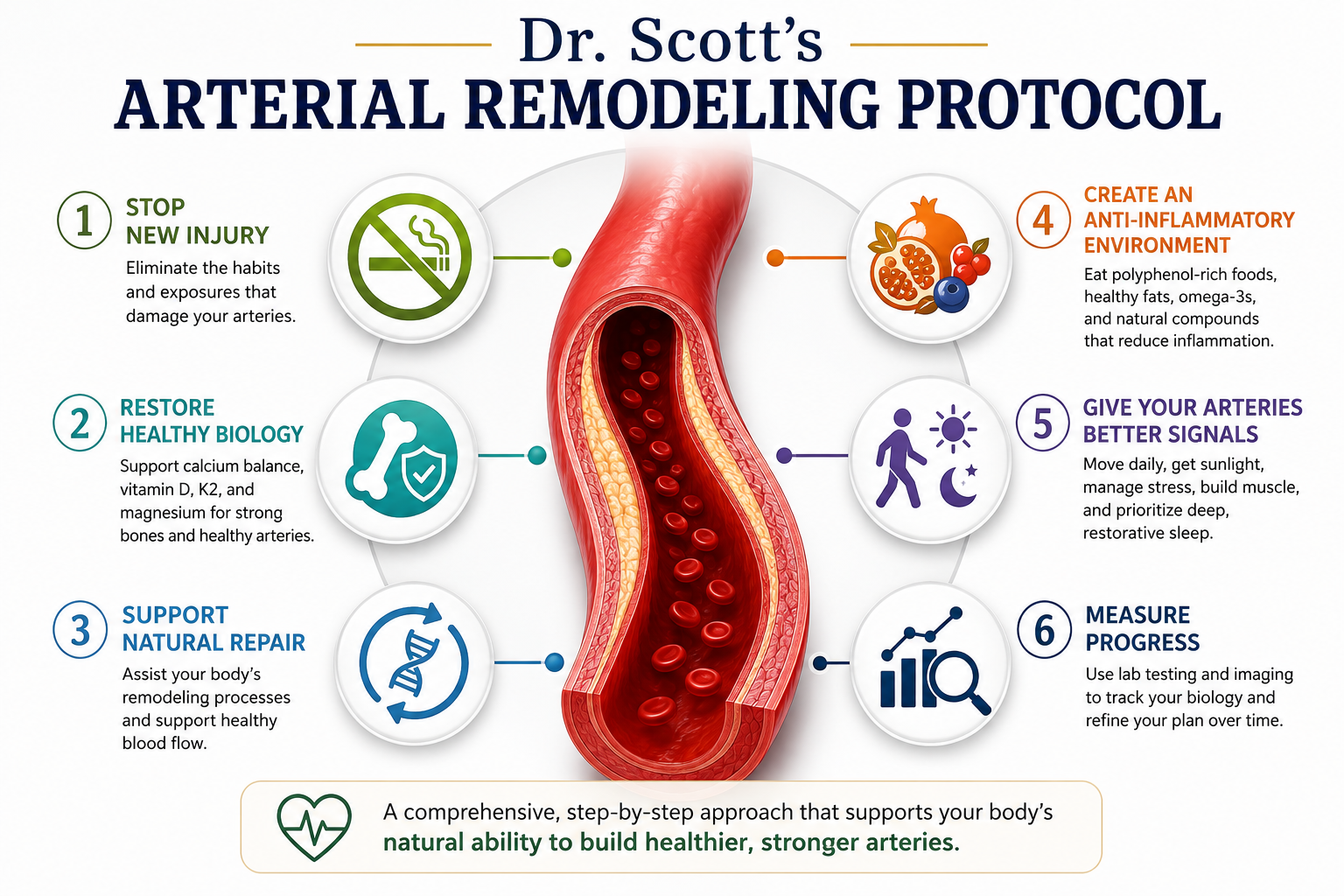
Improving arterial health is rarely about one supplement. This six-step strategy combines nutrition, lifestyle, targeted nutrients, and objective testing to support the body’s natural ability to maintain healthier arteries over time.
After reviewing the current research and decades of clinical experience, this is the general strategy I most often use when supporting patients with early arterial plaque, elevated coronary artery calcium scores, or individuals who simply want to optimize their cardiovascular health.
Every patient is different, and this protocol should always be individualized based on laboratory testing, medications, medical history, and the guidance of your healthcare provider.
The goal is not to find one miracle supplement.
The goal is to improve as many biological systems involved in arterial health as possible.
Step 1: Stop Creating New Injury
Before adding supplements, focus on removing the factors that continue damaging the artery.
Daily Goals
- Maintain healthy blood sugar and improve insulin sensitivity.
- Eliminate smoking and tobacco exposure.
- Control blood pressure.
- Minimize ultra-processed foods.
- Eliminate sugary beverages and reduce added sugars.
- Replace industrial seed oils with healthier fats such as extra virgin olive oil and avocado oil.
- Walk every day.
- Perform resistance training at least 2–3 times per week.
- Sleep 7–8 hours every night.
- Reduce chronic stress through prayer, meditation, breathing exercises, or time outdoors.
This step is the foundation of everything that follows.
Step 2: Support Healthy Calcium Metabolism
Morning with Breakfast
- Vitamin D3 (dose based on blood work)
- Vitamin K2
- MK-7: 180–360 mcg daily
- or MK-4: individualized higher doses when appropriate
- Magnesium
- 300–600 mg daily
- Glycinate, malate, or other well-absorbed forms are generally preferred.
- Adjust based on bowel tolerance and kidney function.
Take these nutrients with a meal containing healthy fats to improve absorption.
Step 3: Support the Body’s Natural Remodeling Systems
Take on an Empty Stomach
Morning (preferred)
- Nattokinase
- 2,000–4,000 FU daily
- Some published studies used substantially higher doses under physician supervision.
Optional:
- Serrapeptase
- 40,000–120,000 SPU daily
Take with water at least 45–60 minutes before breakfast, or at bedtime at least 2 hours after your last meal.
Step 4: Create an Anti-Inflammatory Environment
Rather than relying on one “superfood,” build every day around foods naturally rich in polyphenols and antioxidants.
Every Day
- 6–8 ounces (180–240 mL) of 100% pomegranate juice
- or fresh pomegranate arils when in season.
- Colorful berries
- Leafy greens
- Cruciferous vegetables
- Garlic
- Onions
- Herbs and spices
- Green tea
- Extra virgin olive oil
- Nuts and legumes
Consider
- Omega-3 Fish Oil
- 2–4 grams EPA + DHA daily
- Aged Garlic Extract
- 1,200–2,400 mg daily
Step 5: Give Your Arteries Better Biological Signals
Every day, try to give your cardiovascular system the signals it evolved to expect.
- Walk after meals whenever possible.
- Build and maintain muscle through resistance exercise.
- Spend time outdoors in natural daylight, especially in the morning.
- Prioritize consistent, restorative sleep.
- Maintain a healthy body composition.
- Manage stress intentionally.
These habits improve endothelial function, insulin sensitivity, blood pressure regulation, and overall cardiovascular health.
Step 6: Measure Your Progress
Don’t guess.
Measure.
Laboratory Testing
- ApoB
- Lipoprotein(a)
- Fasting Insulin
- Hemoglobin A1c
- High-Sensitivity CRP
- Vitamin D
- RBC Magnesium
- Omega-3 Index
- Homocysteine
Imaging (When Appropriate)
- Coronary Artery Calcium (CAC) Score
- Carotid Intima-Media Thickness (CIMT)
- Coronary CT Angiography
The goal is not simply to collect numbers.
The goal is to understand how your biology is responding and adjust the plan over time.
Typical Daily Routine
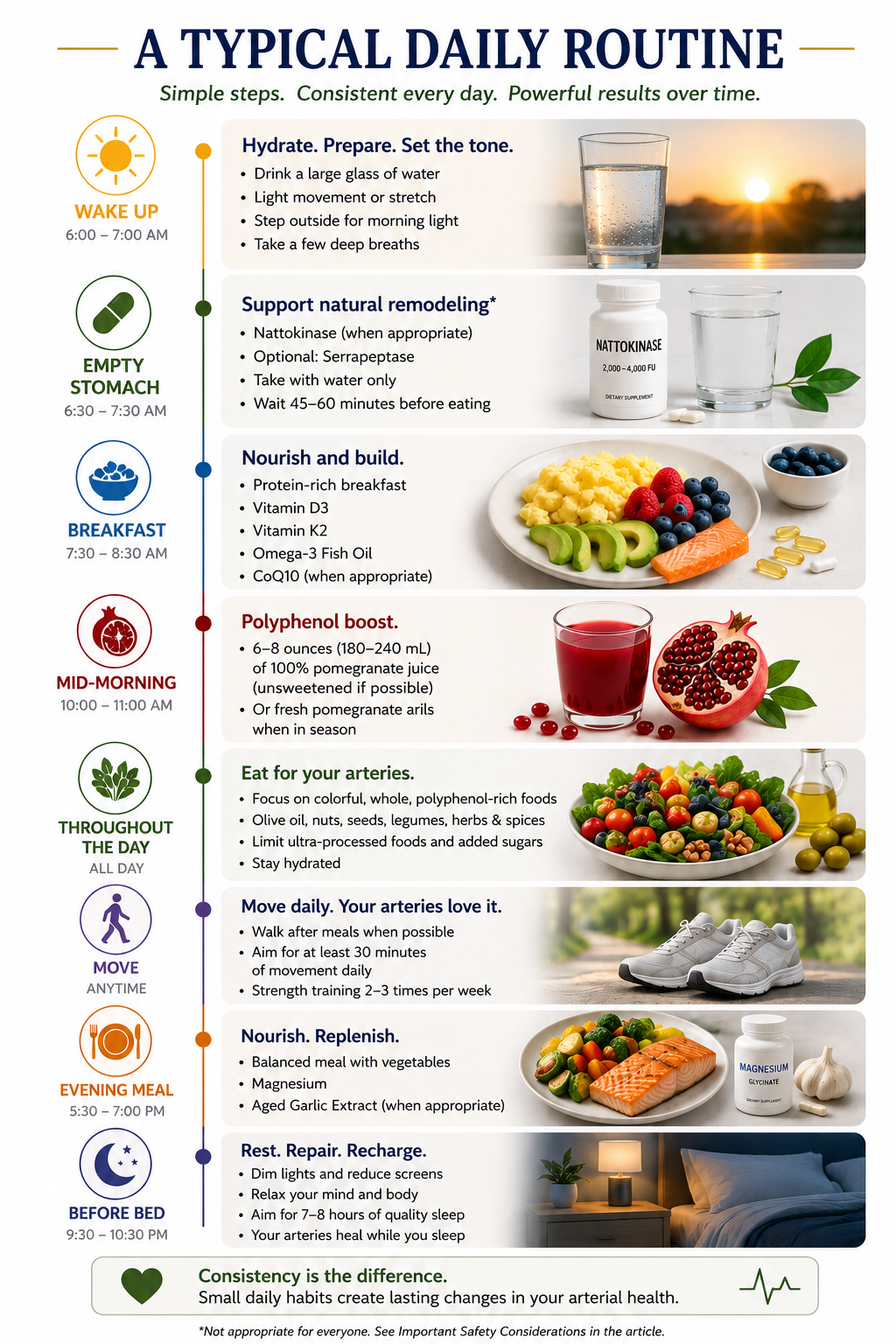
A healthy cardiovascular routine is built through consistent daily habits. This example combines evidence-informed nutrition, targeted supplementation, regular movement, and restorative sleep to support healthy arterial function over time.
Upon Waking
- Large glass of water
- Nattokinase (empty stomach)
- Optional serrapeptase
- Light walk or gentle movement
Breakfast
- Protein-rich meal
- Vitamin D3
- Vitamin K2
- Omega-3 Fish Oil
- CoQ10 (when appropriate)
Mid-Morning
- 6–8 ounces of 100% pomegranate juice
Lunch & Dinner
- Protein
- Colorful vegetables
- Healthy fats
- Polyphenol-rich foods
- Extra virgin olive oil
Evening
- Magnesium
- Aged Garlic Extract (when appropriate)
Before Bed
- Reduce blue-light exposure
- Aim for 7–8 hours of restorative sleep
Important Safety Considerations
Always consult your healthcare provider before beginning this protocol.
Nattokinase, serrapeptase, vitamin K, omega-3 fatty acids, and aged garlic extract may not be appropriate for individuals taking anticoagulants or antiplatelet medications, those with bleeding disorders, advanced kidney disease, or people preparing for surgery.
This protocol is intended to complement—not replace—appropriate medical care and should always be individualized.
My Final Thought
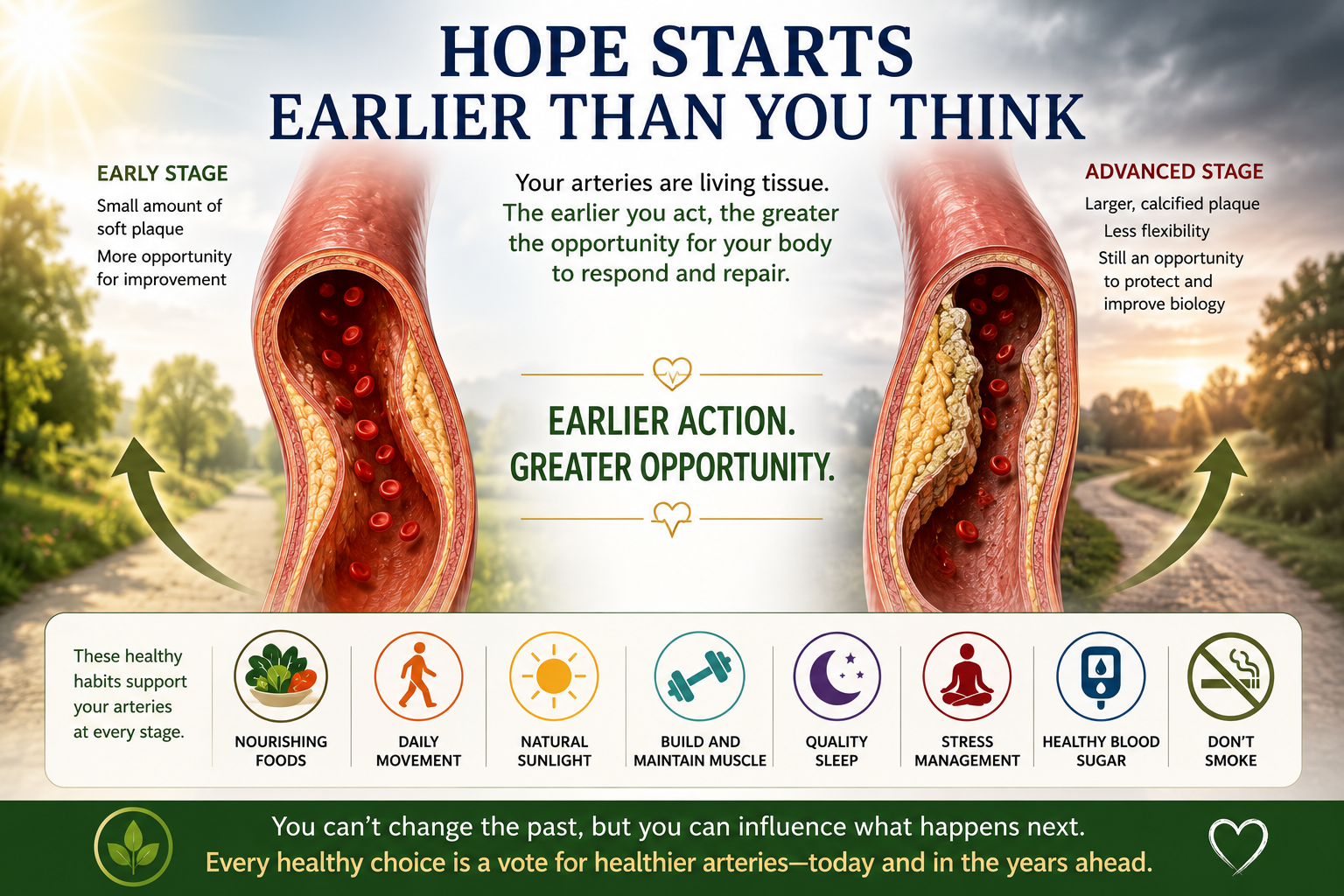
The earlier arterial disease is identified, the greater the opportunity to influence the biology of the artery. While advanced disease can still benefit from healthy lifestyle changes, early intervention offers the best chance to slow progression, improve plaque stability, and support healthier arteries over time.
If there’s one message I hope you take away from this article, it’s this:
You are not powerless.
Current research does not support promising that everyone can reverse arterial plaque.
It does support the idea that your arteries remain living tissue, continuously responding to the environment you create.
Every healthy meal.
Every walk.
Every good night’s sleep.
Every improvement in blood sugar.
Every reduction in inflammation.
Every thoughtful decision becomes another vote for healthier arteries.
One decision won’t change your future overnight.
But thousands of good decisions, repeated consistently over the coming years, just might.
Key Takeaways
- You are not powerless. Current research suggests there is far more you can do to support arterial health than many people realize.
- Arteries are living tissue, not plumbing pipes. They continuously respond to inflammation, nutrition, blood sugar, exercise, sleep, oxidative stress, and many other biological signals throughout life.
- The goal isn’t to chase a miracle supplement. The goal is to create the healthiest possible biological environment so your arteries can repair, adapt, and remodel as effectively as biology allows.
- Early intervention offers the greatest opportunity. The earlier arterial disease is identified and addressed, the greater the likelihood of slowing progression, improving plaque stability, and, in some cases, achieving measurable regression.
- Current research is encouraging but should be viewed realistically. Human studies involving vitamin K2, nattokinase, aged garlic extract, pomegranate, magnesium, and other interventions suggest that arterial biology may be more dynamic than once believed. While these findings are promising, no single therapy has been proven to reverse plaque in every patient.
- Lifestyle remains the foundation of every successful strategy. Improving insulin resistance, controlling blood pressure, exercising regularly, sleeping well, reducing chronic inflammation, and eating a whole-food diet consistently have the strongest evidence for improving long-term cardiovascular health.
- Think in systems, not supplements. Every recommendation in this article supports one or more biological systems involved in arterial remodeling, including calcium regulation, endothelial function, inflammation, oxidative stress, cholesterol transport, and tissue repair.
- Measure your progress. Laboratory testing and appropriate imaging allow treatment to be individualized and help determine whether your biological environment is moving in the right direction over time.
- Hope should be grounded in science. While no responsible clinician can promise plaque reversal, the current evidence supports a hopeful, proactive approach that focuses on improving the biology of a living artery rather than accepting defeat.
Concerned About Your Cardiovascular or Metabolic Health?
Cardiovascular health is influenced by more than cholesterol alone. Blood sugar regulation, inflammation, nutrition, lifestyle, metabolic health, and other individual factors may all play a role.
At Total Health Center, we use a functional medicine approach to help patients better understand the factors that may be affecting their overall health.
Schedule a Free Consultation

About Dr. Scott
About Dr. Mark Scott
Dr. Mark Scott is the founder of Total Health Center in Virginia Beach, Virginia, where he has been helping patients improve their health through chiropractic care and functional medicine since 1997. His philosophy is simple: identify and address the underlying causes of disease rather than simply managing symptoms.
Over the past three decades, Dr. Scott has developed a comprehensive, evidence-informed approach that combines functional medicine, nutrition, lifestyle modification, advanced laboratory testing, and chiropractic care to help patients optimize their health naturally. His clinical interests include cardiovascular health, thyroid disorders, digestive health, autoimmune disease, insulin resistance, metabolic dysfunction, hormone balance, chronic fatigue, musculoskeletal pain, and healthy aging.
Dr. Scott is passionate about translating complex medical research into practical, easy-to-understand strategies that empower patients to make informed decisions about their health. Through his Signature Series articles, videos, and educational resources, his goal is to help people understand not only what to do, but why it works.
If you’re looking for a personalized functional medicine approach to cardiovascular health or other chronic health concerns, the team at Total Health Center would be honored to help you on your journey toward better health.
References
Human Clinical Studies
- Aviram M, et al. Pomegranate juice consumption reduces oxidative stress, improves antioxidant status, and reduces carotid artery intima-media thickness in patients with carotid artery stenosis.
- Ren N, et al. Nattokinase supplementation and carotid artery atherosclerosis: Human clinical evaluation of plaque progression and lipid parameters.
- Budoff MJ, et al. Aged Garlic Extract slows the progression of coronary artery calcification and improves vascular health.
- Hirano K, et al. Remarkable regression of diffuse coronary atherosclerosis in patients with triglyceride deposit cardiomyovasculopathy (TGCV). European Heart Journal.
- Knapen MHJ, et al. Vitamin K2 (menaquinone) supplementation and arterial stiffness in postmenopausal women.
- Beulens JWJ, et al. Dietary vitamin K2 intake and reduced risk of coronary heart disease.
Systematic Reviews & Meta-Analyses
- Reviews examining vitamin K and vascular calcification.
- Meta-analyses evaluating omega-3 fatty acids and cardiovascular outcomes.
- Systematic reviews on magnesium intake and cardiovascular disease risk.
- Reviews of endothelial dysfunction and atherosclerosis.
- Reviews of inflammation, oxidative stress, and plaque progression.
Mechanistic & Basic Science Research
- Matrix Gla Protein (MGP) and vascular calcification biology.
- Reverse cholesterol transport and HDL metabolism.
- Foam cell biology and macrophage function.
- Endothelial nitric oxide signaling.
- Oxidized LDL and plaque development.
- Vascular smooth muscle cell osteogenic transformation.
Professional Guidelines
- American College of Cardiology (ACC) Guideline on the Primary Prevention of Cardiovascular Disease.
- American Heart Association (AHA) Guideline for the Primary Prevention of Cardiovascular Disease.
- European Society of Cardiology (ESC) Guidelines on Cardiovascular Disease Prevention.
- National Lipid Association recommendations for cardiovascular risk assessment and lipid management.
Disclaimer: This article is intended for educational purposes only and should not be interpreted as medical advice. Nutritional supplements and lifestyle recommendations should be individualized based on your medical history, medications, laboratory findings, and consultation with your healthcare provider. Never discontinue prescribed medications or delay appropriate medical care without first discussing the decision with your physician.
Frequently Asked Questions
1. Can arterial plaque really be reversed naturally?
This is one of the most common questions I hear in practice. The honest answer is that it depends on the individual, the stage of the disease, and what we mean by “reversal.” Some human studies have demonstrated measurable regression of carotid plaque or improvements in certain forms of arterial disease under specific conditions. More commonly, research shows that improving lifestyle, metabolic health, and targeted nutritional strategies can help slow progression, stabilize plaque, reduce inflammation, and improve the overall health of the artery. The earlier intervention begins, the greater the opportunity the body has to respond.
2. What is the difference between soft plaque and calcified plaque?
Soft plaque is generally rich in cholesterol, inflammatory cells, and lipids, while calcified plaque contains more calcium and scar tissue. Soft plaque is often considered more likely to rupture and cause a heart attack, whereas calcified plaque may represent a more stable stage of the healing process. Both deserve attention, but the biological environment that created them is often the more important target.
3. Does vitamin K2 remove calcium from the arteries?
Vitamin K2 does not work like a drain cleaner for your arteries. Instead, it activates proteins such as Matrix Gla Protein (MGP), which help regulate where calcium is deposited in the body. Current research supports vitamin K2’s role in healthy calcium metabolism, but it does not prove that it consistently removes established coronary artery calcification. It is best viewed as part of a comprehensive arterial health strategy rather than a standalone solution.
4. Does nattokinase really dissolve plaque?
The current evidence does not support saying that nattokinase “dissolves plaque.” However, one of the most intriguing human studies reported reductions in carotid plaque thickness using high-dose nattokinase. Additional research is needed, but these findings suggest plaque may be more biologically dynamic than previously believed. I consider nattokinase one component of a broader strategy rather than a miracle treatment.
5. Why is magnesium important for heart and artery health?
Magnesium is involved in hundreds of biochemical reactions throughout the body. It helps regulate blood pressure, supports healthy muscle and nerve function, improves insulin sensitivity, influences endothelial function, and appears to play a role in calcium metabolism within blood vessels. Many researchers now believe magnesium deserves far more attention in cardiovascular health than it has traditionally received.
6. Can a coronary artery calcium (CAC) score go down?
Most coronary calcium scores remain stable or increase over time because calcium often represents a later stage of plaque development. A decreasing score is uncommon. More important than chasing a lower CAC score is improving the biology that influences future plaque development, reducing inflammation, stabilizing existing plaque, and lowering overall cardiovascular risk.
7. What foods help support healthier arteries?
I encourage patients to focus on whole, minimally processed foods rich in nutrients and antioxidants. Colorful vegetables, berries, extra virgin olive oil, wild-caught fish, nuts, seeds, legumes, herbs, spices, garlic, and pomegranate all provide compounds that support vascular health. Equally important is reducing added sugars, ultra-processed foods, and excessive refined carbohydrates that promote inflammation and insulin resistance.
8. Is lowering cholesterol enough to prevent heart disease?
Lowering cholesterol can reduce cardiovascular risk for many people, particularly those at higher risk. However, cholesterol is only one part of the story. Blood sugar, inflammation, blood pressure, endothelial function, oxidative stress, insulin resistance, sleep, physical activity, and nutrient status all influence arterial health. A comprehensive approach addresses multiple biological systems rather than focusing on a single laboratory value.
9. Which laboratory tests provide the best picture of cardiovascular risk?
Beyond a standard lipid panel, I often consider tests such as ApoB, Lipoprotein(a), fasting insulin, hemoglobin A1c, high-sensitivity C-reactive protein (hs-CRP), vitamin D, red blood cell magnesium, homocysteine, and an Omega-3 Index. These tests help create a more complete picture of cardiovascular biology and allow treatment to be individualized.
10. Should everyone take vitamin K2 or nattokinase?
No. Nutritional supplements should be individualized based on your medical history, medications, laboratory findings, and overall cardiovascular risk. People taking blood thinners, those with bleeding disorders, or individuals preparing for surgery require particular caution with enzymes such as nattokinase. The best protocol is always one tailored to the individual rather than copied from the internet.
11. If my calcium score is already high, is it too late to improve my health?
Absolutely not. While advanced disease may be more difficult to reverse, there is still tremendous value in improving the biological environment inside your arteries. Reducing inflammation, improving metabolic health, supporting endothelial function, optimizing blood pressure, exercising regularly, and eating a nutrient-dense diet can all contribute to better cardiovascular health and may reduce the risk of future events. It is never too late to improve the way your body functions.
12. What is the most important thing I should take away from this article?
The most important lesson is that you are not powerless. Current research does not support the claim that everyone can reverse arterial plaque, but it also does not support the idea that nothing can be done. Your arteries are living tissue that continue responding to nutrition, exercise, sleep, metabolic health, inflammation, and many other biological signals throughout life. The earlier you begin improving those signals, the greater your opportunity to support healthier arteries in the years ahead.