Gluten University Lesson #12
Gluten and Leaky Gut
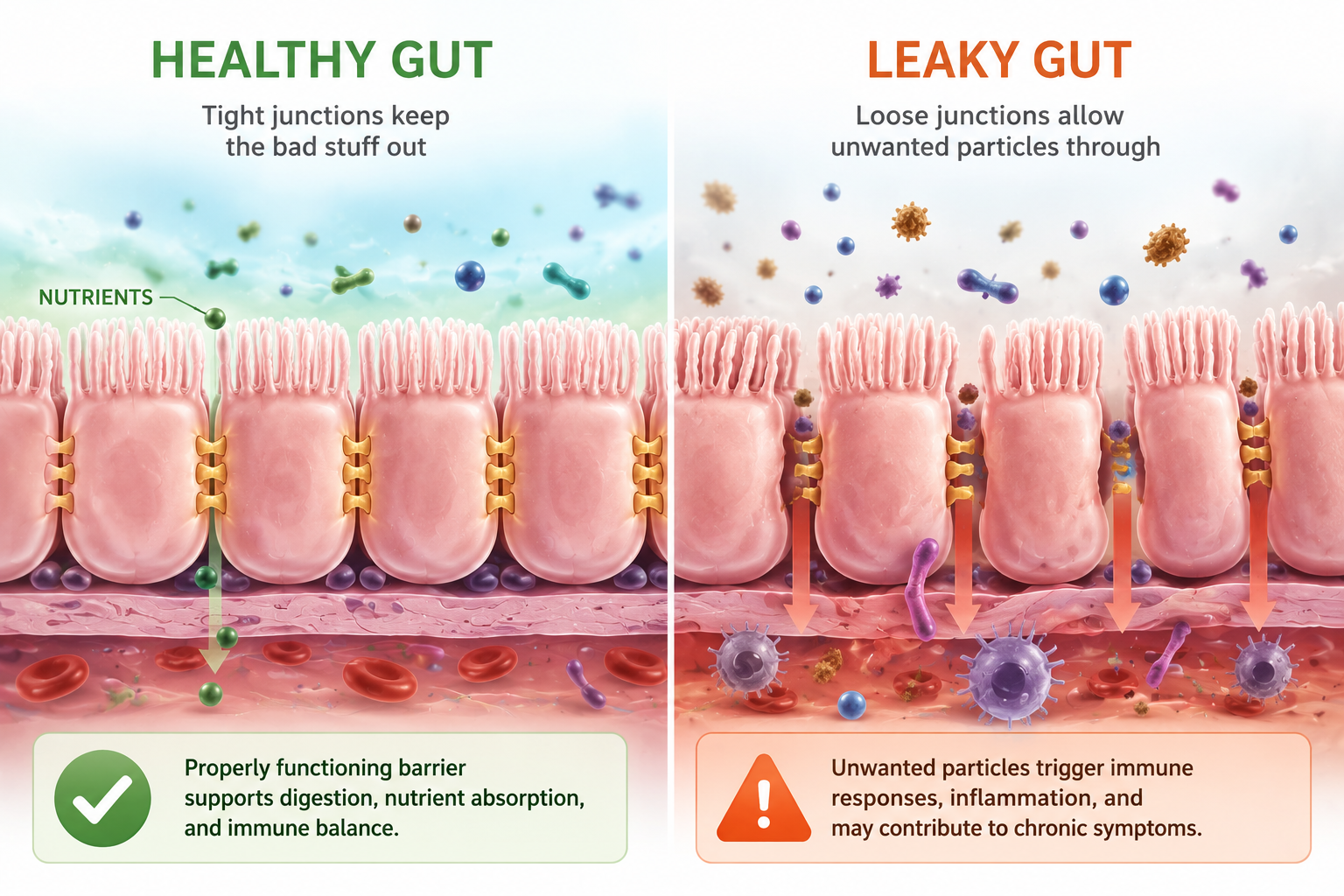
A healthy intestinal barrier allows nutrients to pass into the bloodstream while helping keep bacteria, toxins, and larger particles where they belong. Increased intestinal permeability, often called leaky gut, may allow unwanted substances to cross the intestinal barrier more easily.
Why Intestinal Permeability Matters for Your Health
Part of the Gluten University Educational Series
Gluten University Home
https://totalhealthcentervb.com/gluten-university/
Previous Lesson
https://totalhealthcentervb.com/thyroid-patients-gluten-trial/
Introduction
Imagine your digestive tract as the security system for your entire body.
Every day, it decides what gets through the gate.
Helpful nutrients?
Welcome.
Dangerous bacteria?
Keep them out.
Undigested food particles?
Blocked.
Toxins?
Rejected.
This barrier is one of the most important jobs your body performs every second of every day.
But what happens when that security system becomes damaged?
Instead of acting like a tightly guarded border, it begins allowing substances into the bloodstream that normally wouldn’t belong there.
Researchers call this increased intestinal permeability.
Most people know it by another name:
Leaky Gut.
Over the past two decades, leaky gut has become one of the most researched topics in functional medicine because the health of the intestinal barrier may influence digestion, immune function, inflammation, and many chronic diseases.
What Is the Intestinal Barrier?
Your digestive tract isn’t simply a tube that food passes through.
It is one of the body’s most sophisticated protective systems.
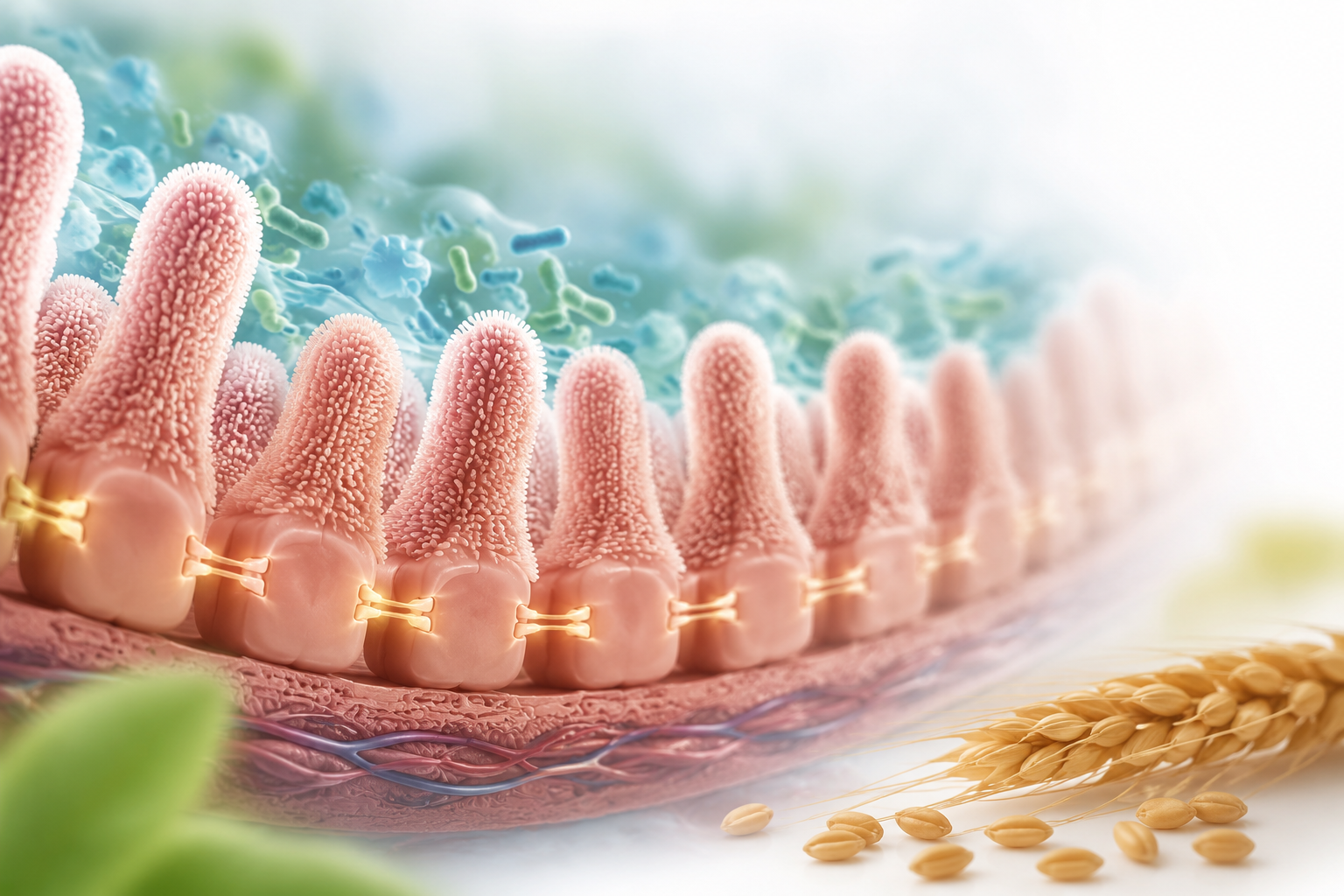
The lining of the small intestine is only one cell thick, yet it selectively allows nutrients to pass into the bloodstream while keeping bacteria, toxins, and large food particles where they belong—inside the digestive tract.
Think of it as a coffee filter.
Water flows through.
Coffee grounds stay behind.
When functioning properly, the intestinal barrier is remarkably selective.
What Is Leaky Gut?
Leaky gut does not mean there are literal holes in your intestines.
Instead, the microscopic junctions between intestinal cells become more permeable than they should.
When this occurs, larger molecules may pass through the intestinal barrier more easily.
Researchers continue studying whether this increased permeability may contribute to immune activation and chronic inflammation in susceptible individuals.
Zonulin: The Gatekeeper
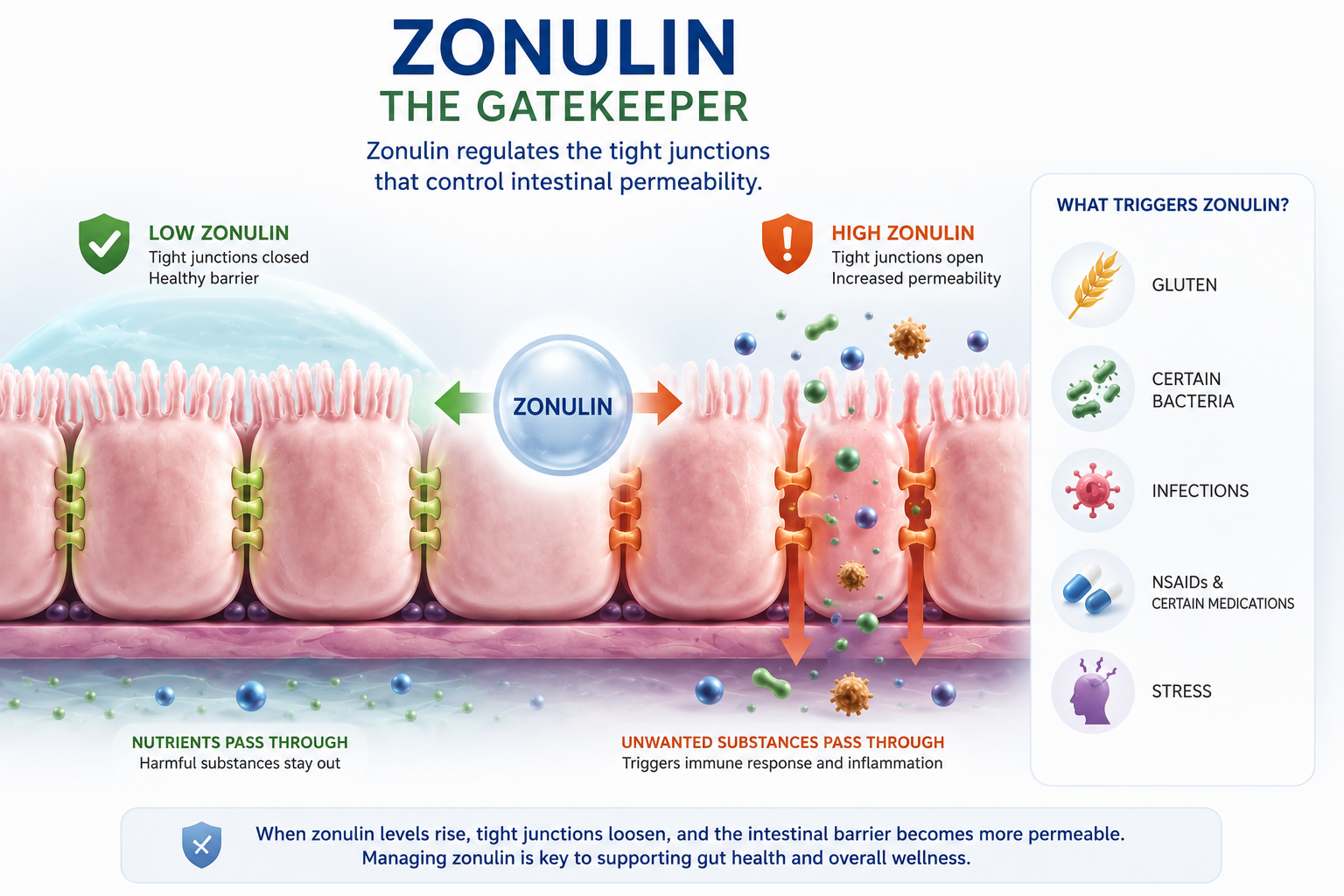
Zonulin is a naturally occurring protein that helps regulate the tight junctions between intestinal cells. Researchers continue to study how increased zonulin activity may influence intestinal permeability in susceptible individuals.
One of the most important discoveries in intestinal permeability research is a protein called zonulin.
Zonulin helps regulate the opening and closing of the tight junctions that connect intestinal cells.
Under normal conditions, these gates open briefly to allow nutrients to pass before closing again.
Research suggests that certain triggers—including gluten in susceptible individuals—may increase zonulin release, potentially increasing intestinal permeability.
This discovery helped transform leaky gut from a controversial idea into an area of active scientific investigation.
Why Functional Medicine Pays Attention to Gut Health
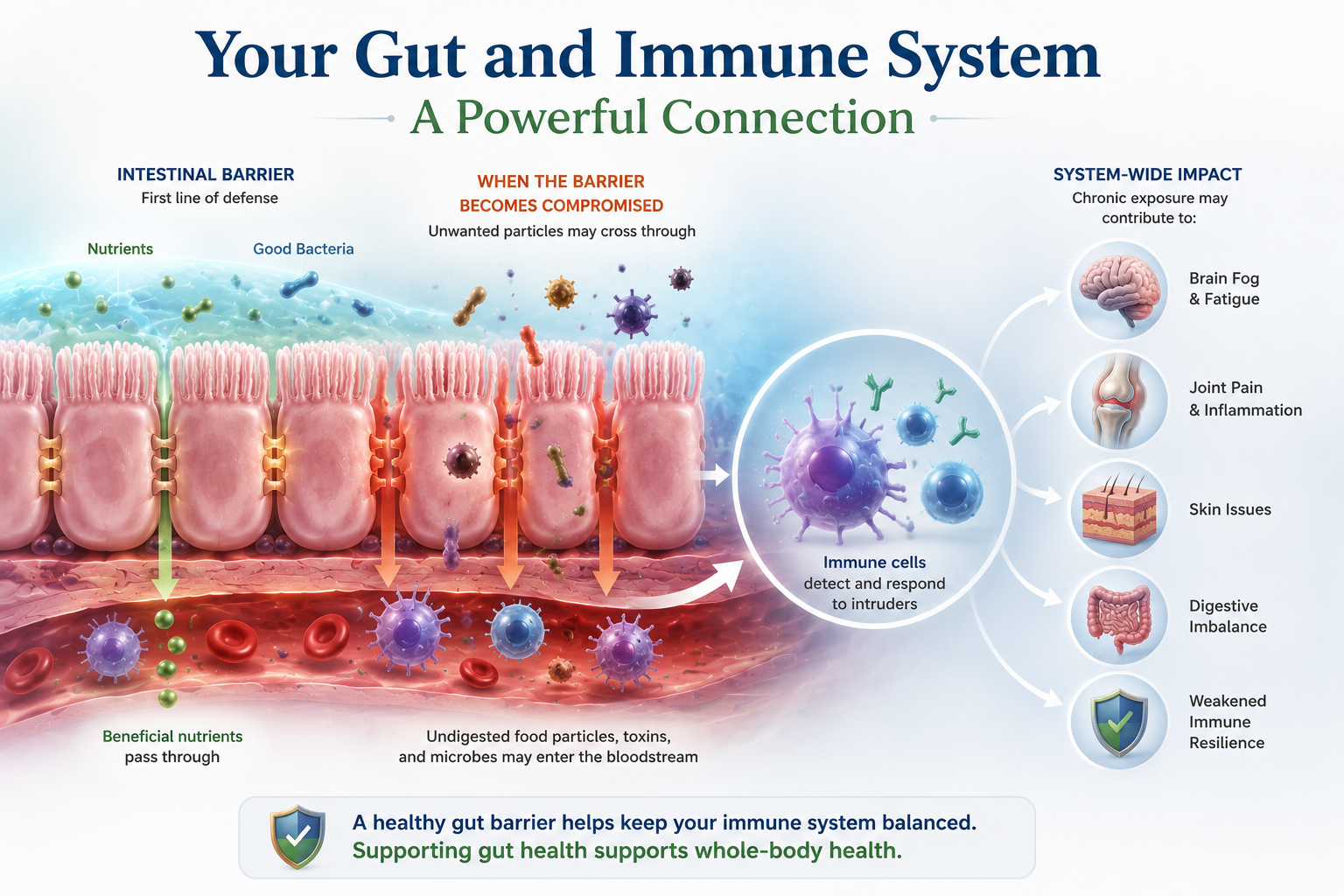
Approximately 70% of the body’s immune tissue is associated with the gastrointestinal tract. A healthy intestinal barrier helps support balanced immune function, while increased intestinal permeability may contribute to immune activation in susceptible individuals.
Nearly 70% of the immune system is associated with the gastrointestinal tract.
This means your digestive system is far more than a place where food is broken down.
It is constantly communicating with your immune system.
When the intestinal barrier is healthy, the immune system receives fewer unnecessary alarms.
When that barrier becomes compromised, immune activity may increase. and autoimmune conditions develope
This is one reason functional medicine often places gut health at the center of chronic disease evaluation.
Gluten and Intestinal Permeability
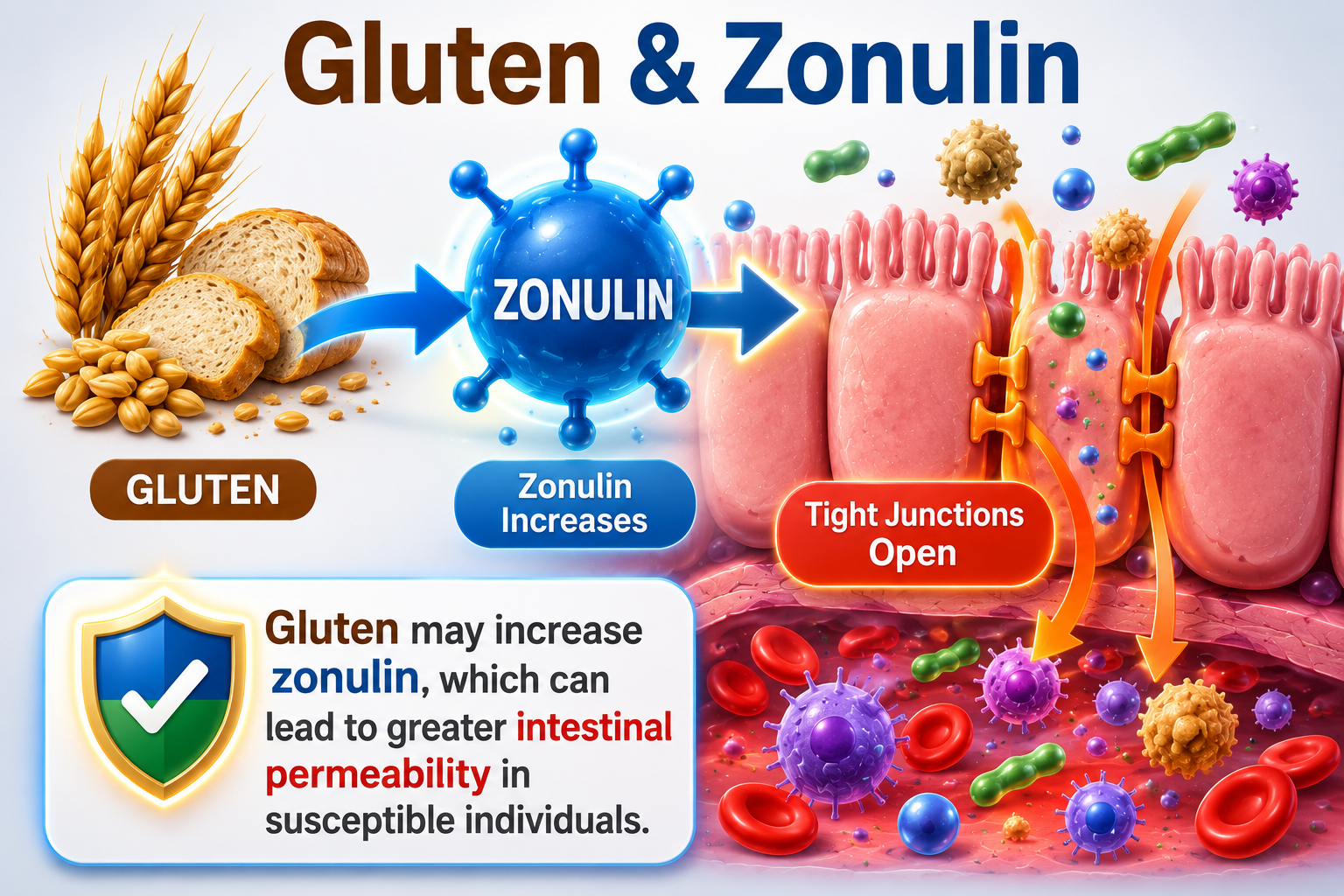
Research suggests that gluten may stimulate zonulin release in susceptible individuals. Increased zonulin activity may temporarily open the tight junctions between intestinal cells, allowing greater intestinal permeability.
One reason gluten receives so much attention is its potential relationship with zonulin.
Research has shown that gluten can stimulate zonulin release in individuals with celiac disease.
Scientists continue investigating whether similar mechanisms occur in people without celiac disease.
The evidence is still evolving, but this area remains one of the most active fields of gluten research.
Leaky Gut Is Only One Piece of the Puzzle
One of the biggest misconceptions is that leaky gut explains every chronic illness.
It doesn’t.
Health is rarely that simple.
Many factors work together:
- Genetics
- Nutrition
- Sleep
- Stress
- Gut bacteria
- Environmental exposures
- Physical activity
- Immune regulation
Leaky gut may represent one contributing factor—not the entire story.
Healing the Gut
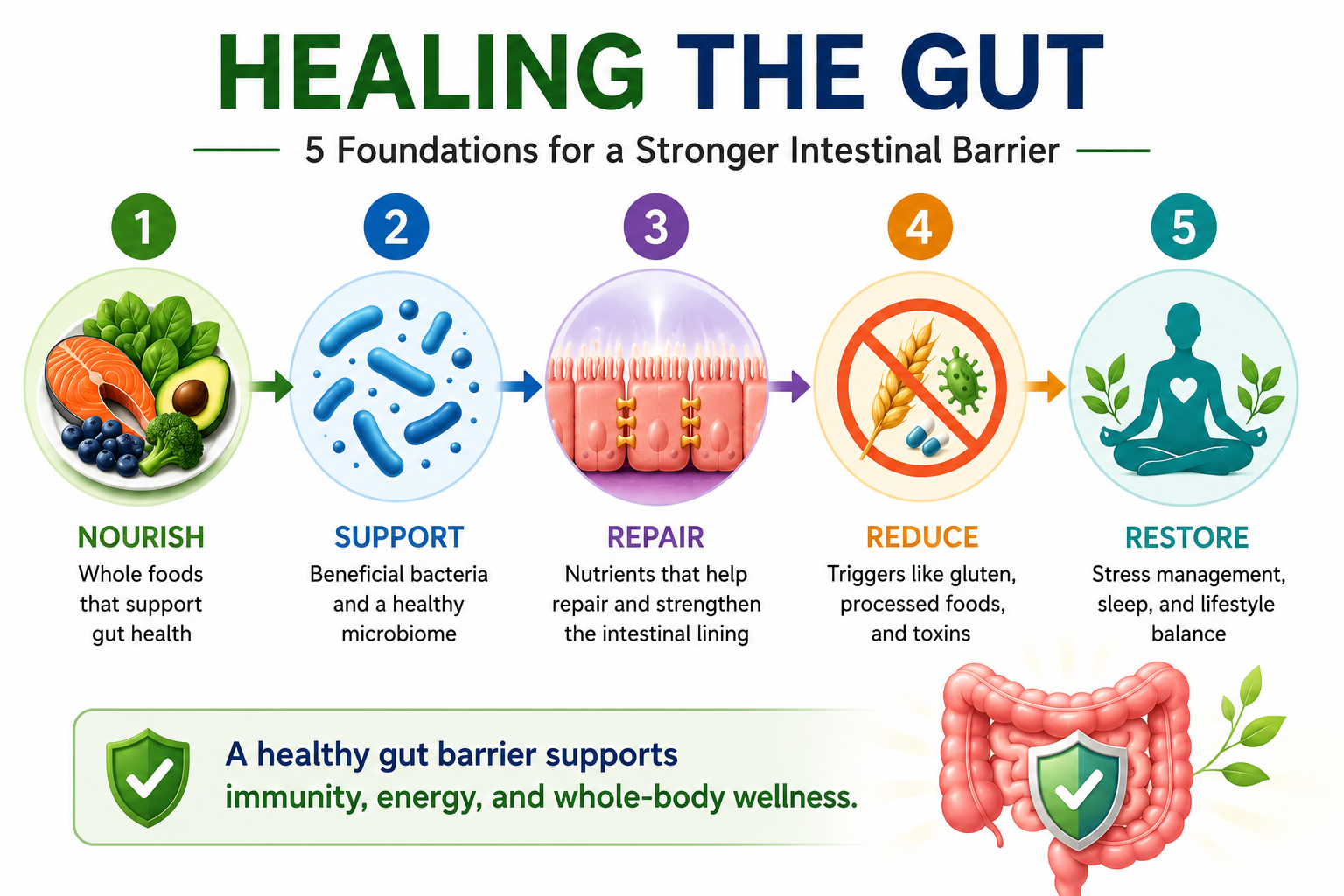
Supporting a healthy intestinal barrier involves more than eliminating one food. Nutrition, a balanced microbiome, targeted gut support, reducing triggers, and healthy lifestyle habits all contribute to long-term gut health.
Supporting intestinal health usually involves much more than simply avoiding one food.
Functional medicine often focuses on:
- Removing irritants
- Supporting digestion
- Improving nutrient intake
- Restoring a healthy microbiome
- Managing stress
- Prioritizing sleep
- Encouraging regular physical activity
The goal is not simply to close the gut barrier.
The goal is to create an environment where the body can repair itself.
Dr. Scott Insight
One of the biggest misconceptions I see in clinical practice is the belief that removing gluten automatically heals the gut.
For some people, avoiding gluten is an important first step.
But long-term healing usually requires a broader approach.
I often tell patients that removing the splinter allows healing to begin—but the body still has to rebuild the tissue.
Supporting digestion, restoring the microbiome, improving nutrition, reducing chronic stress, optimizing sleep, and correcting nutrient deficiencies are often just as important as removing the trigger itself.
Healing is rarely about one food.
It’s about creating the right environment for recovery.
Key Takeaways
✔ The intestinal barrier regulates what enters the bloodstream.
✔ Increased intestinal permeability is commonly called leaky gut.
✔ Zonulin helps regulate intestinal tight junctions.
✔ Researchers continue studying the relationship between gluten and intestinal permeability.
✔ Gut health and immune health are closely connected.
✔ Functional medicine focuses on improving the overall environment for healing, not just eliminating one food.
Could Your Gut Be Affecting Your Health?
If you struggle with digestive symptoms, autoimmune conditions, food sensitivities, fatigue, chronic inflammation, or thyroid disorders, evaluating gut health may be an important part of understanding your overall health.
Learn more about our Functional Medicine services:
https://totalhealthcentervb.com/functional-medicine/
References
- Fasano A. Zonulin and Regulation of Intestinal Barrier Function.
- Fasano A. Intestinal Permeability and Autoimmune Disease.
- National Center for Biotechnology Information (NCBI)
About Dr. Scott
Dr. Scott of Total Health Center in Virginia Beach has been helping patients improve digestive health, thyroid disorders, autoimmune conditions, chronic fatigue, inflammation, and gastrointestinal dysfunction through functional medicine since 1997. His approach focuses on identifying and addressing underlying causes through advanced testing, nutrition, lifestyle modification, and personalized care.
Need Help Identifying the Root Cause of Your Symptoms?
Schedule a consultation with Total Health Center and discover a personalized functional medicine approach to digestive health, immune balance, thyroid function, and long-term wellness.
Frequently Asked Questions
What is leaky gut?
Leaky gut, also known as increased intestinal permeability, occurs when the microscopic junctions between intestinal cells become more permeable than normal. Researchers continue to investigate how this may influence digestion, immune function, inflammation, and chronic disease.
Is leaky gut a real medical condition?
Increased intestinal permeability is a well-documented scientific phenomenon. While the term “leaky gut syndrome” is often used in functional medicine, researchers generally refer to the process as intestinal permeability and continue studying its role in health and disease.
What is zonulin?
Zonulin is a naturally occurring protein that helps regulate the opening and closing of the tight junctions between intestinal cells. It acts as one of the body’s “gatekeepers,” controlling what passes through the intestinal barrier.
Does gluten increase intestinal permeability?
Research has shown that gluten can stimulate zonulin release in people with celiac disease. Scientists continue investigating whether similar effects occur in individuals without celiac disease.
Can leaky gut cause autoimmune disease?
Current research does not show that leaky gut alone causes autoimmune disease. However, increased intestinal permeability is being studied as one potential contributing factor in susceptible individuals.
What symptoms are associated with leaky gut?
People experiencing increased intestinal permeability may report digestive discomfort, bloating, food sensitivities, fatigue, brain fog, or inflammatory symptoms. These symptoms are not specific to leaky gut and can occur with many other health conditions.
Can the intestinal barrier heal?
The intestinal lining has an impressive ability to repair itself. Supporting digestive health through proper nutrition, sleep, stress management, treatment of underlying conditions, and appropriate medical care may help promote a healthy intestinal barrier.
Is avoiding gluten enough to heal leaky gut?
Not always. For individuals who are sensitive to gluten, removing it may reduce one source of irritation. However, comprehensive gut health often also involves optimizing digestion, restoring a healthy microbiome, improving nutrition, reducing stress, and addressing other contributing factors.
Why do functional medicine practitioners focus on gut health?
Functional medicine recognizes that the digestive tract plays an important role in immune regulation, nutrient absorption, and inflammation. Evaluating gut health may provide valuable information when investigating chronic symptoms and complex health conditions.
Who should consider evaluating gut health?
Individuals experiencing chronic digestive symptoms, food sensitivities, autoimmune conditions, thyroid disorders, persistent fatigue, or unexplained inflammation may benefit from discussing gut health with a qualified healthcare practitioner.