Glycine: The Overlooked Amino Acid That May Improve Sleep, Detox, Aging, and Recovery
By Dr. Mark Scott | Total Health Center Virginia Beach
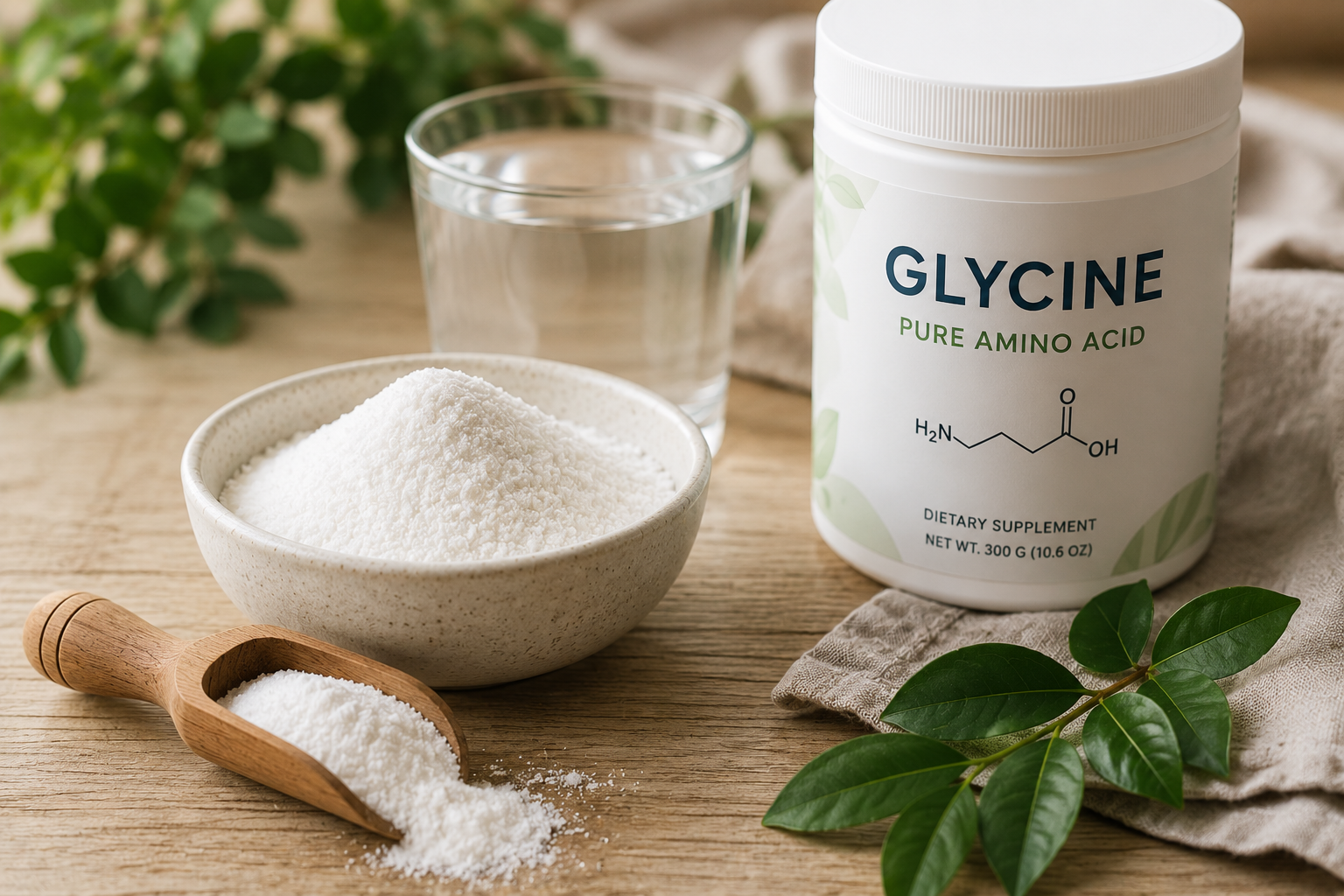
If you’ve ever struggled with poor sleep, low energy, slow recovery, brain fog, or the feeling that your body just isn’t functioning as efficiently as it used to, the answer may involve a surprisingly simple nutrient: glycine.
Most people have never heard of glycine, yet this tiny amino acid plays a massive role in human health.
It helps regulate sleep, supports detoxification, fuels glutathione production (your body’s master antioxidant), aids collagen formation, supports muscle recovery, and may even help promote healthy aging.
Despite all of that, glycine has largely flown under the radar.
Why?
Because for decades, glycine was labeled a “non-essential” amino acid, meaning the body can supposedly make enough on its own.
But newer research suggests that assumption may be incomplete.
In functional medicine, we often ask a simple question:
“Can the body make enough under modern stress, toxicity, aging, and chronic inflammation?”
For glycine, the answer may often be no.
What Is Glycine?
Glycine is the smallest amino acid in the human body.
Don’t let its size fool you.
It participates in dozens of critical biological processes, including:
- Sleep regulation
- Glutathione production
- Detoxification
- Collagen synthesis
- Creatine production
- Neurotransmitter signaling
- Liver function
- Muscle recovery
- Blood sugar balance
- Healthy aging support
It’s found naturally in:
- Bone broth
- Collagen peptides
- Gelatin
- Skin-on poultry
- Connective tissue meats
- Certain seafood
Modern diets, however, tend to be heavy in muscle meats and low in collagen-rich traditional foods, potentially creating a glycine shortfall.
Glycine for Better Sleep
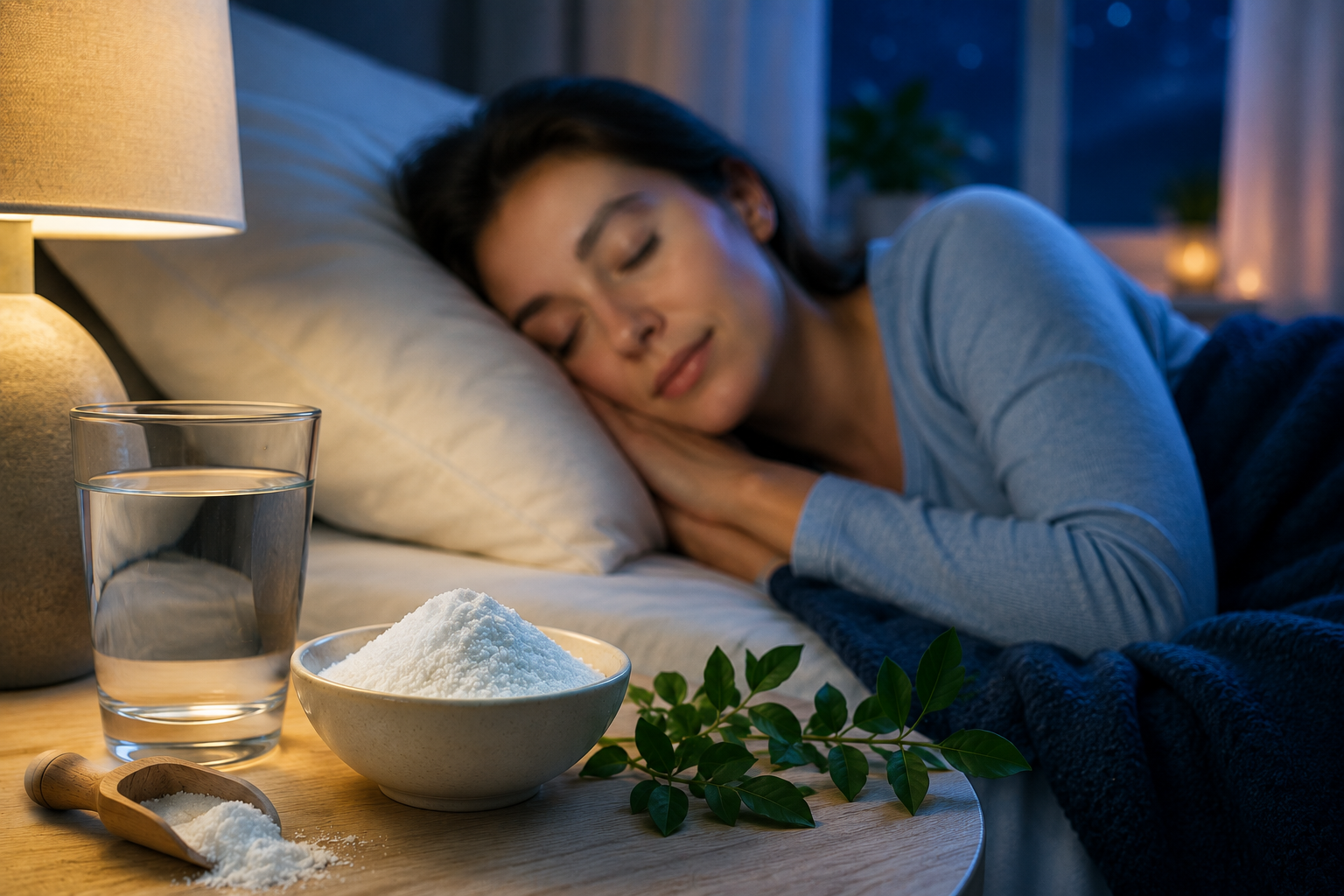
Research suggests glycine may help support better sleep quality and improved next-day recovery.
One of glycine’s most fascinating benefits is sleep support.
Unlike melatonin, which attempts to influence circadian timing directly, glycine appears to support the body’s natural sleep initiation process.
Research suggests glycine works through the suprachiasmatic nucleus (SCN)—the master clock in the brain.
This appears to trigger:
- Peripheral vasodilation (increased blood flow to hands and feet)
- Heat loss from the body
- Lower core body temperature
- Easier sleep onset
That’s important because your body naturally cools down before sleep.
Glycine may help enhance that natural process.
Human Sleep Research
Studies have shown that 3 grams of glycine before bedtime may:
✅ Improve subjective sleep quality
✅ Reduce next-day fatigue
✅ Improve morning alertness
✅ Support more restful sleep patterns
This makes glycine particularly interesting for patients who:
- Feel “wired but tired”
- Wake up unrefreshed
- Have stress-related sleep disruption
- Don’t tolerate melatonin well
Glycine and Glutathione: A Functional Medicine Power Connection
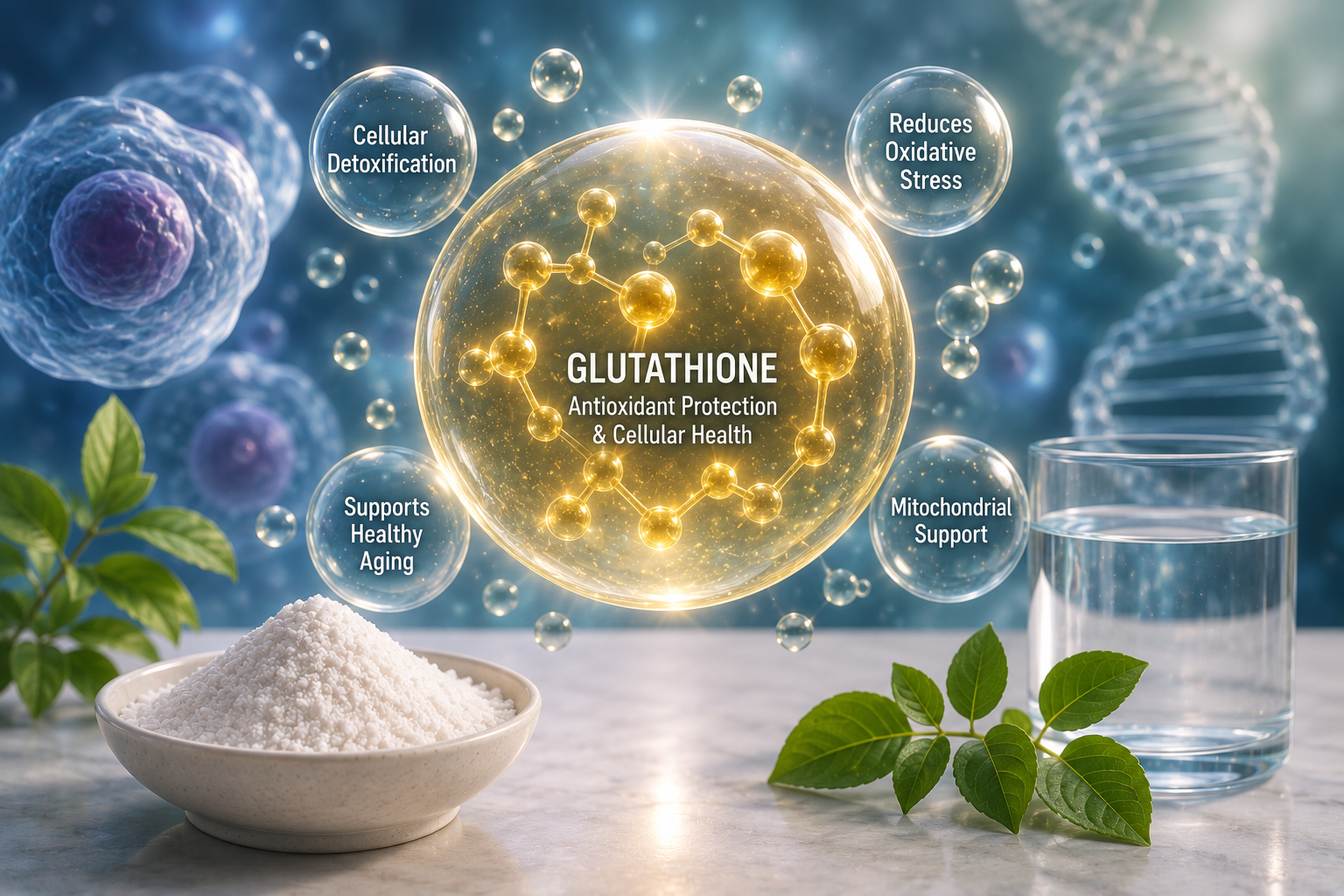
Glycine helps support glutathione production, one of the body’s most important antioxidants for cellular protection and healthy aging.
If sleep were glycine’s only benefit, it would already be impressive.
But glycine also helps build glutathione, one of the body’s most important antioxidants.
Glutathione protects cells from:
- Oxidative stress
- Toxin exposure
- Inflammation
- Mitochondrial damage
- Accelerated aging
Glutathione requires three amino acids:
- Glycine
- Cysteine
- Glutamate
In many individuals—especially older adults—glycine may be the limiting factor.
That means even if your body wants to make glutathione, it may lack the raw materials.
This is one reason the GlyNAC protocol (glycine + NAC) has gained attention.
GlyNAC and Healthy Aging
Emerging research suggests combining glycine with NAC may support multiple hallmarks of aging.
Reported benefits include improvements in:
- Oxidative stress
- Mitochondrial function
- Inflammation
- Insulin resistance
- Endothelial function
- Muscle strength
- Exercise capacity
- Cognition
This is especially relevant in functional medicine because many chronic conditions involve the same underlying themes:
- oxidative stress
- inflammation
- mitochondrial dysfunction
- impaired detoxification
Rather than chasing symptoms, supporting foundational physiology can be far more effective.
Glycine and Detoxification
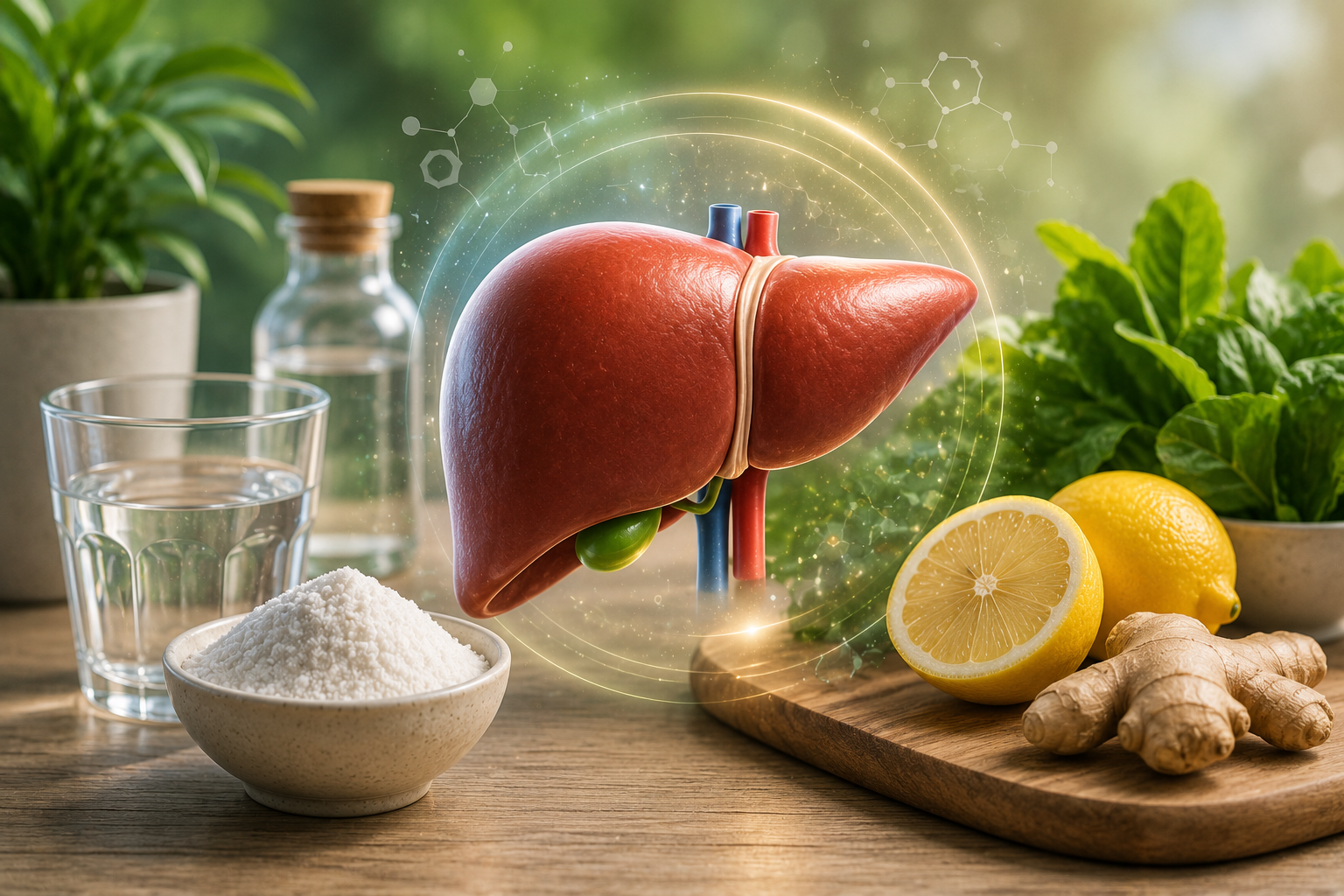
Glycine plays a role in liver detoxification pathways that help support healthy toxin processing and elimination.
Detoxification is not just about liver “cleanses.”
Your liver relies on nutrient-dependent biochemical pathways.
Glycine helps with phase II conjugation, where toxins are packaged for safe elimination.
This includes:
- environmental chemicals
- medication metabolites
- metabolic waste products
- hormone byproducts
Low glycine availability may impair this process.
Given today’s toxic burden, this is increasingly relevant.
Glycine for Collagen, Joints, Skin, and Gut Health
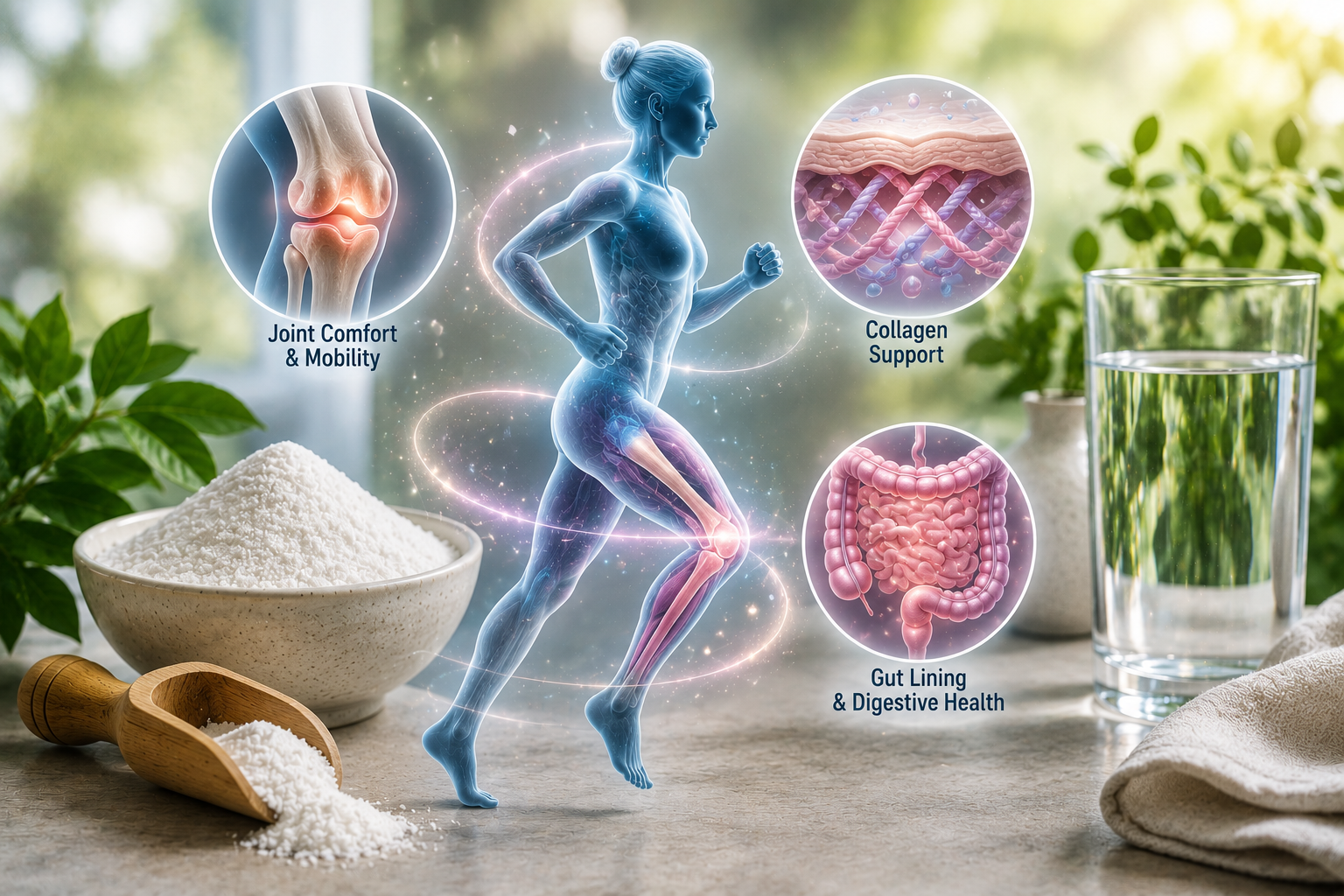
Glycine is a foundational amino acid involved in collagen production, connective tissue support, joint health, and gut lining integrity.
Glycine is a major structural component of collagen.
Collagen helps support:
- Skin elasticity
- Joint cartilage
- Tendons
- Ligaments
- Gut lining integrity
- Connective tissue repair
This may help explain why collagen supplementation often benefits:
- joint discomfort
- skin aging
- digestive health
- recovery after exercise
Glycine and Exercise Recovery
Recent research suggests glycine may also support athletic performance.
Potential benefits include:
- reduced lactic acid accumulation
- improved muscle recovery
- improved peak power output
- better resilience to training stress
This makes glycine relevant not just for aging adults, but also active patients.
Glycine and Brain Function
Glycine also acts as a neurotransmitter.
It helps regulate communication in the nervous system and participates in:
- NMDA receptor signaling
- learning
- memory
- nervous system balance
This means glycine’s effects may extend beyond sleep into cognitive resilience.
Could Glycine Help Blood Sugar?
While glycine is not a diabetes treatment, some research suggests improved glutathione status and reduced inflammation may positively influence metabolic health.
Because oxidative stress and insulin resistance often go hand in hand, glycine may offer indirect metabolic support.
This is an area worth watching.
Food Sources of Glycine
Natural glycine-rich foods include:
Bone Broth
A traditional functional medicine favorite.
Collagen Peptides
Convenient and easy to add to shakes.
Gelatin
An inexpensive classic source.
Skin-On Chicken
Contains connective tissue glycine.
Slow-Cooked Tough Cuts
Traditional nose-to-tail eating provides more glycine.
Glycine Supplementation: Common Dosing
Common evidence-based ranges include:
For sleep:
3 grams before bedtime
General support:
3–10 grams daily
Higher therapeutic protocols:
Best supervised by a healthcare professional
Glycine powder is:
- inexpensive
- mildly sweet
- easy to mix in water
Functional Medicine Perspective
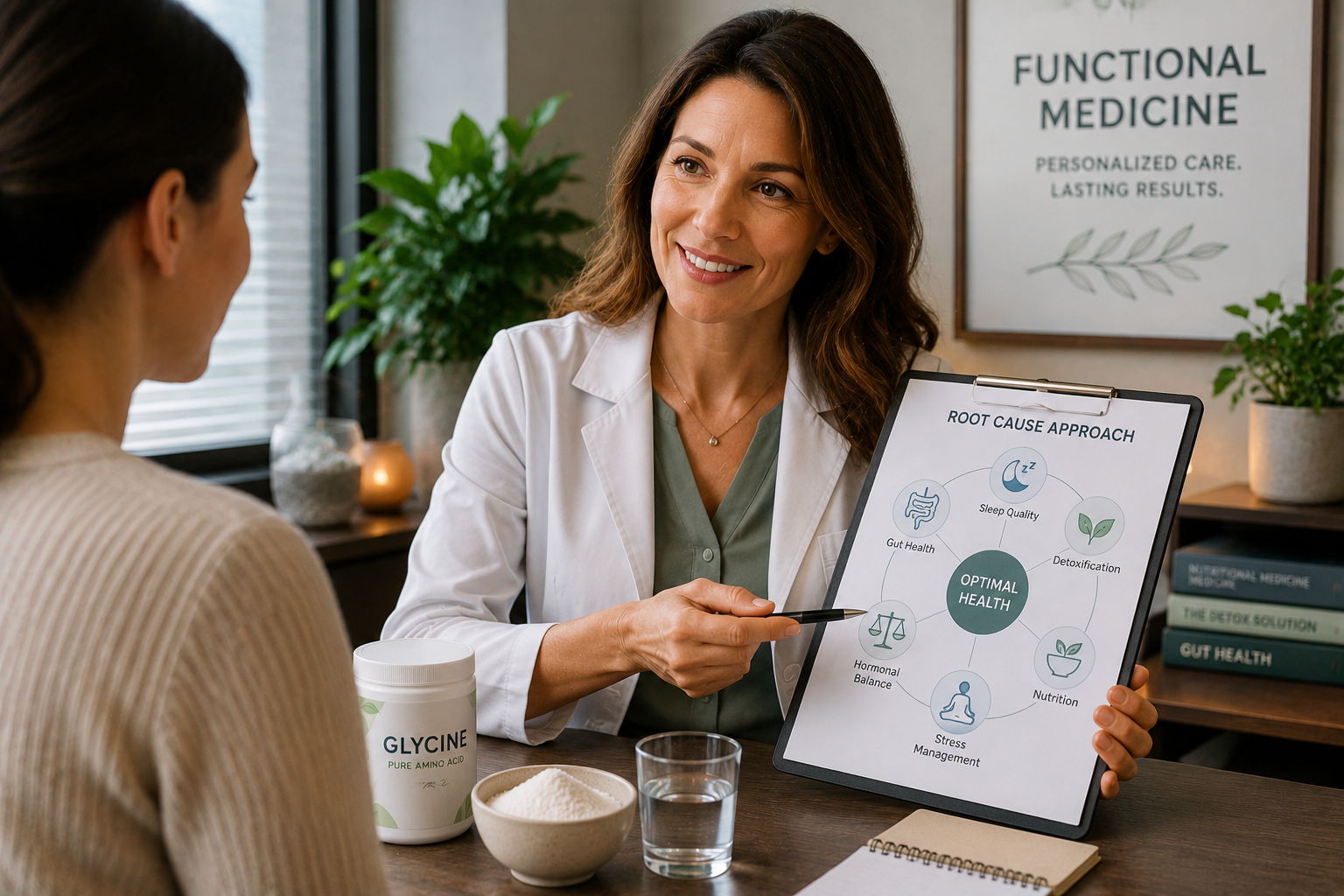
Functional medicine focuses on identifying root causes that may contribute to poor sleep, detoxification challenges, inflammation, and long-term health concerns.
In conventional medicine, glycine is often overlooked.
In functional medicine, we ask:
What foundational nutrients are quietly limiting physiology?
If someone has:
- poor sleep
- fatigue
- chronic inflammation
- toxic burden
- slow recovery
- accelerated aging concerns
- oxidative stress
…glycine may deserve consideration.
Final Thoughts
Glycine may be one of the most underrated nutrients in modern health care.
It supports:
✔ Better sleep
✔ Detoxification
✔ Glutathione production
✔ Collagen repair
✔ Muscle recovery
✔ Healthy aging
✔ Nervous system function
Sometimes the most powerful tools are the simplest.
If you’re struggling with fatigue, poor sleep, inflammation, digestive issues, or chronic health concerns, a functional medicine evaluation may help uncover the deeper root causes.
CLICK ON THE IMMAGE TO GO TO THE STORE.
Or call the office to order. (757)363-8571
Total Health Center – Virginia Beach
Functional Medicine & Natural Health Solutions
_________________________________________________________________________________
Frequently Asked Questions About Glycine
What is glycine and what does it do?
Glycine is an amino acid involved in many important functions in the body, including sleep regulation, detoxification, glutathione production, collagen synthesis, nervous system signaling, and healthy aging support.
Can glycine help improve sleep?
Research suggests glycine may help support better sleep quality by promoting the body’s natural cooling process before bedtime, which can make it easier to fall asleep and improve next-day alertness.
How much glycine should you take for sleep?
Many studies evaluating sleep benefits have used 3 grams of glycine before bedtime. Individual needs may vary, and supplementation should be personalized.
Is glycine good for detoxification?
Yes. Glycine participates in important liver detoxification pathways, particularly phase II conjugation, which helps the body process and eliminate toxins safely.
Does glycine help increase glutathione?
Glycine is one of the three amino acids required to make glutathione, one of the body’s most important intracellular antioxidants involved in oxidative stress protection and healthy aging.
Is glycine the same as collagen?
No, but they are closely related. Glycine is one of the major amino acids that makes up collagen, which is important for skin, joints, connective tissue, and gut lining support.
What foods naturally contain glycine?
Foods rich in glycine include:
- bone broth
- collagen peptides
- gelatin
- skin-on poultry
- connective tissue-rich meats
- slow-cooked traditional broths
Can glycine support healthy aging?
Emerging research suggests glycine may help support healthy aging by contributing to antioxidant production, mitochondrial function, inflammation balance, and cellular repair processes.
Can glycine help with gut health?
Because glycine helps support collagen production and connective tissue integrity, it may play a role in maintaining the health of the digestive tract lining.
Is glycine safe?
Glycine is generally considered well tolerated at common supplemental doses, but individual responses vary. Patients should consult a qualified healthcare provider before starting new supplements.
______________________________________________________________________________________________________________________________________
This article is for educational purposes only and is not medical advice.
References
- Kawai N, et al. Neuropsychopharmacology. 2015;40(6):1405–1416.
Mechanisms by which glycine may support sleep through circadian thermoregulation. - Bannai M, et al. Frontiers in Neurology. 2012;3:61.
Effects of glycine on subjective sleep quality in humans. - Bannai M, Kawai N. Journal of Pharmacological Sciences. 2012;118(2):145–148.
Review of glycine’s potential role in sleep support. - European Journal of Nutrition. 2024;63(1):323–335.
Collagen peptide study evaluating sleep continuity and recovery. - Sekhar RV, et al. Journal of Gerontology Series A. 2023;78(1):75–89.
GlyNAC trial examining aging biomarkers and metabolic function. - Sekhar RV, et al. Clinical and Translational Medicine. 2021;11(3):e372.
Pilot study evaluating GlyNAC and aging-related outcomes. - Sekhar RV. Journal of Nutrition. 2021;151(12):3606–3616.
Review of GlyNAC and healthy aging mechanisms. - Frontiers in Aging. 2022;3:852569.
Safety and tolerability of GlyNAC in older adults. - Nutrients. 2022;14(5):1114.
Animal research examining lifespan effects of GlyNAC. - Antioxidants. 2023;12(5):1042.
Brain glutathione and oxidative stress research. - Sports. 2024;12(10):265.
Glycine and exercise performance review. - Metabolism. 2025;170:156330.
Glycine’s role in detoxification pathways.