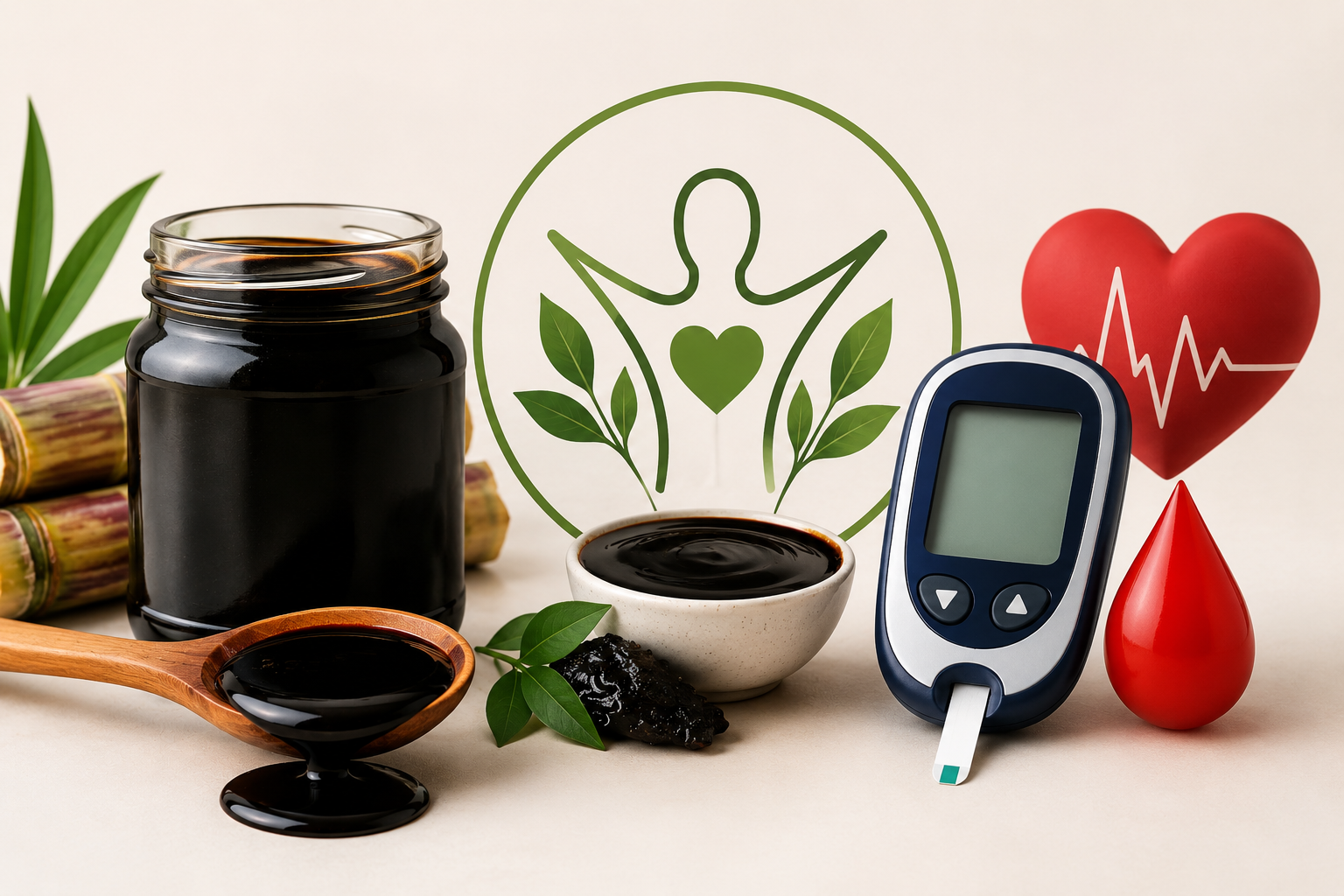
Can Blackstrap Molasses Help Lower Insulin Resistance? The Surprising Science Behind This Old-School Sweetener
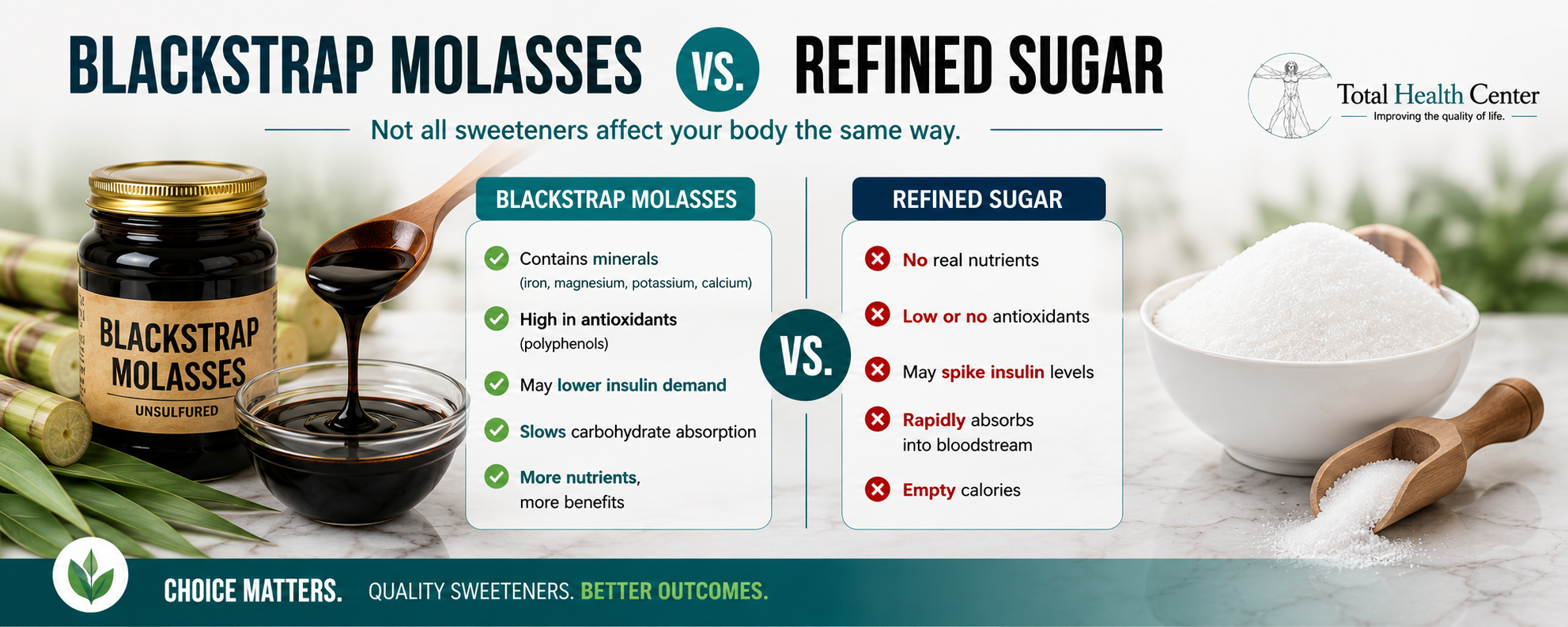
Not all sweeteners affect metabolism the same way—blackstrap molasses contains minerals and antioxidants that refined sugar lacks.
Most people assume that all sweeteners are bad—especially if you’re dealing with insulin resistance, stubborn weight gain, prediabetes, or metabolic dysfunction.
And to be fair, most sweeteners do make blood sugar control harder.
But what if one sweetener behaved differently?
What if a small amount of the right sweetener could actually help your body require less insulin to handle carbohydrates?
That’s where blackstrap molasses gets interesting.
This old-fashioned pantry staple has been largely forgotten, but emerging research suggests that when used strategically, blackstrap molasses may support healthier insulin function, reduce oxidative stress, and even help protect cells from damage.
Before you start pouring it over everything, let’s break down what the science actually says.
What Is Blackstrap Molasses?
Blackstrap molasses is the thick, dark syrup left behind after sugar cane has been processed multiple times.
Unlike refined white sugar—which is stripped of nutrients—blackstrap molasses retains beneficial compounds including:
- Iron
- Magnesium
- Potassium
- Calcium
- Trace minerals
- Polyphenol antioxidants
This makes it very different metabolically from table sugar.
But nutrient content alone isn’t the most interesting part.
Its impact on insulin may be where the real story lies.
Can Blackstrap Molasses Reduce Insulin Demand?
One of the more surprising findings in nutrition research is that blackstrap molasses may reduce the amount of insulin your body needs after eating carbohydrates.
That’s important because chronically elevated insulin (hyperinsulinemia) is one of the major drivers of:
- insulin resistance
- belly fat accumulation
- inflammation
- blood sugar instability
- fatigue after meals
- progression toward type 2 diabetes
In some studies, when molasses was consumed alongside carbohydrate-containing meals, blood glucose levels stayed similar—but insulin requirements were lower.
That suggests the body may be handling glucose more efficiently.
For people struggling with metabolic dysfunction, that’s a potentially meaningful distinction.
Why Lower Insulin Matters More Than Most People Realize
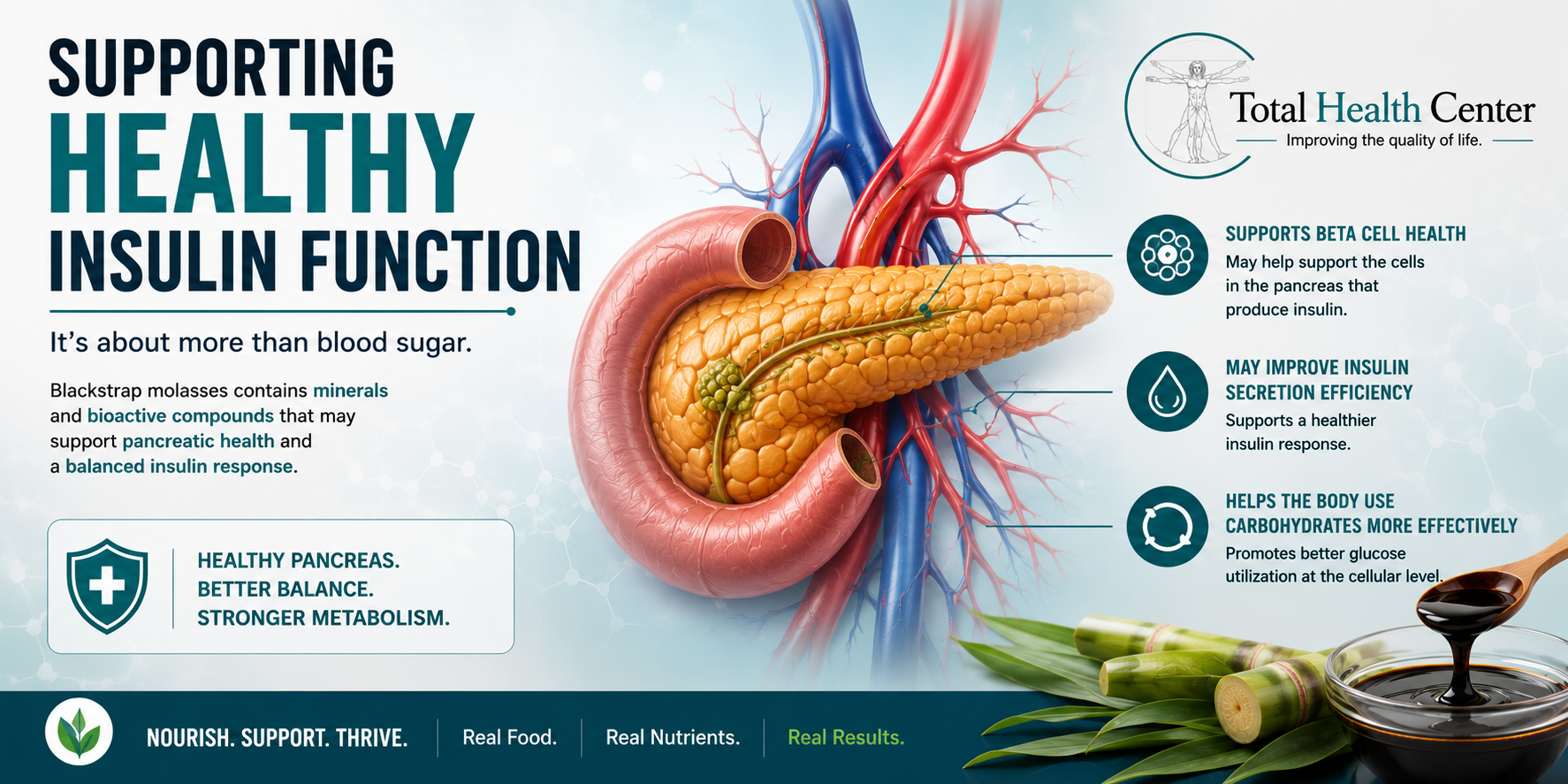
Healthy insulin regulation depends on pancreatic function, nutrient support, and balanced metabolism.
Most people focus only on blood sugar.
But in functional medicine, insulin often tells the bigger story.
You can have:
- normal fasting glucose
- “acceptable” A1c
- and still have significant insulin resistance brewing underneath
High insulin contributes to:
Weight Gain
Insulin is a fat-storage hormone.
Chronically elevated insulin makes fat loss extremely difficult—even when people are eating “healthy.”
Inflammation
Excess insulin is associated with increased inflammatory signaling.
Inflammation is a major contributor to:
- heart disease
- autoimmune conditions
- metabolic syndrome
- accelerated aging
Hormonal Imbalances
High insulin can disrupt:
- cortisol balance
- estrogen metabolism
- testosterone production
- thyroid conversion
How Blackstrap Molasses May Help
1. Slower Carbohydrate Absorption
Some research suggests compounds in blackstrap molasses may inhibit enzymes involved in carbohydrate digestion.
That means carbohydrates may break down more slowly.
Potential benefits:
- less rapid glucose spikes
- reduced insulin demand
- improved satiety
- fewer energy crashes
This creates a gentler metabolic response compared to refined sugar.
2. Pancreatic Beta Cell Support
Beta cells in the pancreas are responsible for producing insulin.
Some early research suggests blackstrap molasses may help support beta cell function—particularly in people with insulin resistance.
That does not mean molasses cures diabetes.
But improving how the pancreas responds to carbohydrate exposure could be clinically meaningful.
3. Hormonal Effects on Digestion
There’s evidence that blackstrap molasses may influence gut hormones that slow gastric emptying.
This means food moves more slowly through the digestive tract.
That can reduce how aggressively glucose enters the bloodstream.
This is one reason protein and fiber help stabilize blood sugar as well.
Blackstrap Molasses Is Rich in Antioxidants
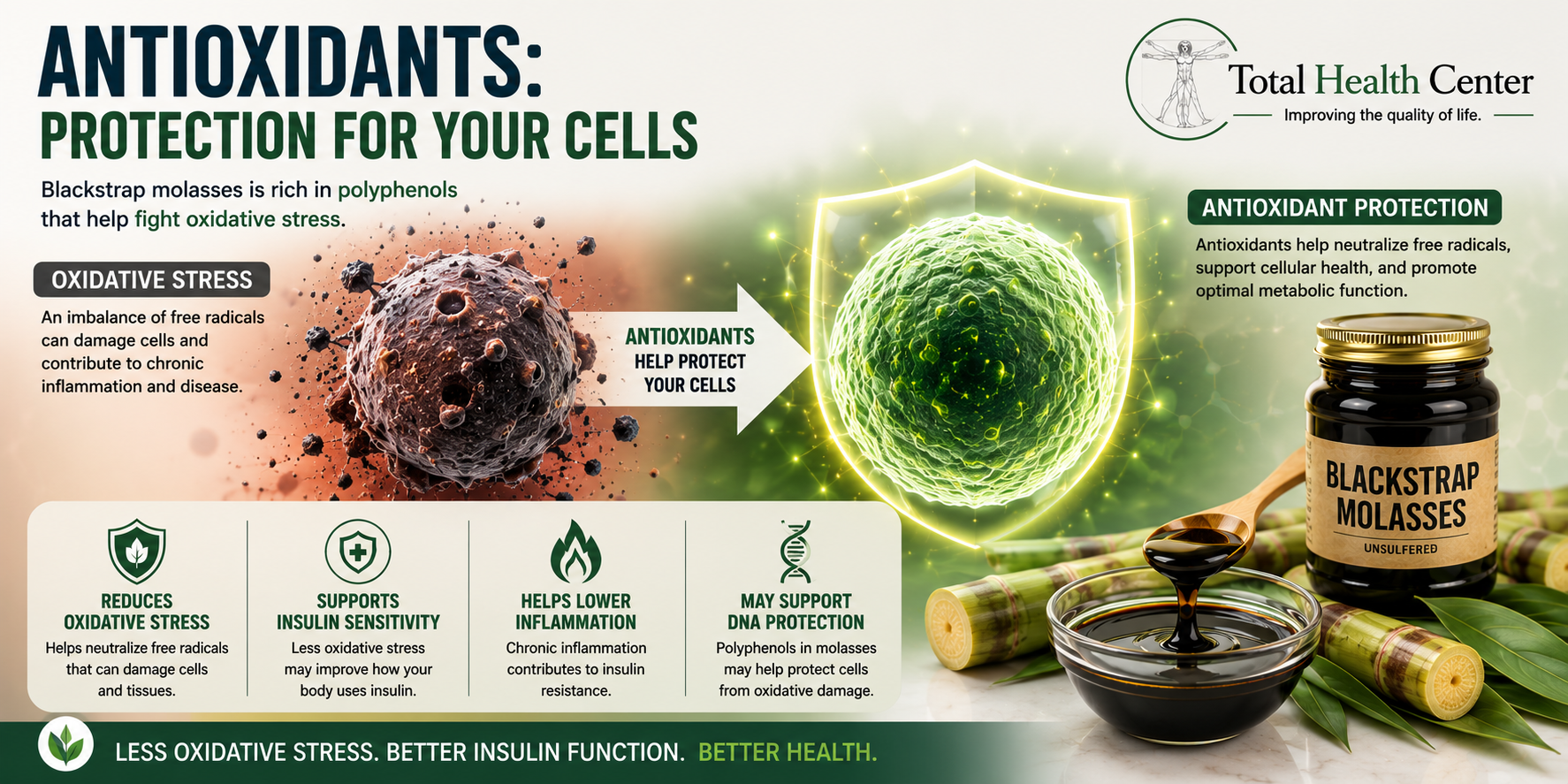
Antioxidants help protect cells from oxidative stress, inflammation, and metabolic damage.
Here’s where blackstrap molasses really separates itself from refined sweeteners.
Researchers comparing sweeteners found blackstrap molasses contains dramatically higher antioxidant capacity than:
- white sugar
- corn syrup
- many processed sweeteners
Why does this matter?
Oxidative stress contributes to:
- insulin resistance
- chronic inflammation
- accelerated aging
- cardiovascular disease
- mitochondrial dysfunction
Think of oxidative stress like rust forming inside the body.
Blackstrap molasses may help reduce some of that cellular wear and tear.
Potential DNA Protection?
Some preliminary studies suggest compounds in blackstrap molasses may have anti-mutagenic properties.
That means they may help protect cells from certain forms of oxidative damage.
Other findings suggest blackstrap molasses may help reduce oxidative stress in the liver as well.
Now—this doesn’t mean molasses is some miracle superfood.
But it does suggest it’s metabolically far more interesting than plain sugar.
Important Caveat: Portion Size Matters
This is where people get into trouble.
Blackstrap molasses is still a carbohydrate-containing sweetener.
More is NOT better.
Functional medicine perspective:
A small measured amount alongside a balanced meal may be very different from consuming large quantities.
For example:
Better:
✅ 1 teaspoon added to a whole-food meal
Not ideal:
❌ large amounts in sugary recipes
Context matters.
Who Might Benefit?
Blackstrap molasses may be worth discussing if you struggle with:
- insulin resistance
- reactive hypoglycemia
- post-meal fatigue
- metabolic syndrome
- stubborn weight loss
- high fasting insulin
- sugar cravings
But individualized care matters.
Not every patient responds the same.
Functional Medicine Looks Deeper
If you have insulin resistance, the question isn’t just:
“What sweetener should I use?”
The bigger question is:
Why is your metabolism struggling in the first place?
At Total Health Center, we look deeper at:
- fasting insulin
- glucose regulation
- inflammation markers
- cortisol patterns
- thyroid function
- nutrient deficiencies
- gut health
- mitochondrial health
Because insulin resistance is rarely just about sugar.
Final Thoughts
Blackstrap molasses isn’t a miracle cure.
But it may be one of the more fascinating examples of how food behaves differently depending on its biological complexity.
Used intelligently, in small amounts, it may:
✔ reduce insulin demand
✔ slow carbohydrate absorption
✔ provide antioxidant support
✔ support metabolic resilience
That’s a very different conversation than “all sugar is bad.”
Ready to Get to the Root Cause of Insulin Resistance?
If you’re struggling with:
- stubborn weight gain
- prediabetes
- fatigue
- metabolic issues
- inflammation
Functional medicine may help uncover the underlying cause.

Dr. Scott – Total Health Center
📍 Virginia Beach, VA
📞 (757) 363-8571
🌐 Functional Medicine for Metabolic Health
References
Evans JL, et al. Are oxidative stress–activated signaling pathways mediators of insulin resistance and beta-cell dysfunction? Diabetes. 2003.
Rains JL, Jain SK. Oxidative stress, insulin signaling, and diabetes. Free Radic Biol Med. 2011.
Hanhineva K, et al. Impact of dietary polyphenols on carbohydrate metabolism. Int J Mol Sci. 2010.