

Why Can’t I Lose Weight Even Though I’m Trying?
Few things are more frustrating than making a serious effort to lose weight and feeling as though your body simply refuses to cooperate.
You may be eating better, cutting calories, exercising more, or following a plan that worked for you in the past—yet the scale barely moves. Or perhaps you lose weight initially, only to hit a plateau and regain it despite continuing to work at it.
When this happens, the usual advice is predictable: eat less and exercise more.
But that answer can miss an important part of the picture.
Your body is not a passive calorie-burning machine. It is a remarkably adaptive biological system that continuously adjusts energy expenditure, hunger, hormone signaling, glucose metabolism, muscle tissue, fat storage, and other physiological processes in response to what is happening around it.
That means persistent difficulty losing weight deserves a better question than simply:
“How can I eat less?”
The more useful question may be:
“Why is my body responding this way?”
At Total Health Center, this is how we approach weight loss resistance. Rather than assuming every person struggling with weight needs greater restriction, we look for the physiological factors that may be making healthy weight regulation more difficult.
These can include insulin resistance, thyroid dysfunction, hormonal changes, loss of muscle mass, metabolic adaptation from repeated dieting, poor sleep, chronic stress, medications, inflammation, digestive problems, and other health conditions.
The goal is not to find an excuse for weight gain. It is to understand the physiology well enough to develop a strategy that makes sense for the individual.
For a broader overview of our approach, see Functional Medicine for Weight Loss.
Weight Loss Is More Than a Willpower Problem
Weight loss is often presented as a simple equation: eat fewer calories, burn more calories, and body fat will decrease.
At a basic level, energy balance matters. The body cannot create stored energy from nothing, and meaningful fat loss ultimately requires the body to draw on stored energy.
But that does not mean weight regulation is simple.
The human body actively regulates hunger, satiety, energy expenditure, body temperature, spontaneous physical activity, glucose utilization, fat storage, and many of the hormonal signals involved in maintaining body weight.
When food intake decreases, the body can respond. Hunger may increase. Energy expenditure may decline. People may unconsciously move less. Thyroid and reproductive signaling can change. With inadequate nutrition or insufficient resistance exercise, muscle tissue may also be lost.
These responses make sense when we consider what the body is designed to do: survive periods when food availability changes.
This is one reason two people can follow similar diets and experience very different results—and why a strategy that worked well for someone at age 30 may not produce the same response at 50.
It also explains why simply telling someone who has struggled with their weight for years to “try harder” often provides very little useful information.
The better approach is to determine which factors are influencing that person’s ability to regulate weight and then address the factors that can realistically be changed.
That is the central idea behind a functional medicine approach to weight loss: understand the physiology influencing the individual rather than assuming everyone should respond identically to the same weight-loss strategy.
What Is Weight Loss Resistance?
Weight loss resistance is not a specific medical diagnosis. It is a practical term used to describe persistent difficulty losing body fat despite meaningful efforts to improve nutrition, physical activity, and other lifestyle factors.
The distinction matters because there is rarely one universal cause.
For one person, insulin resistance may be an important part of the picture. For another, thyroid dysfunction, menopause, hormonal changes, loss of muscle mass, poor sleep, medication effects, repeated restrictive dieting, or a combination of factors may be more important.
Weight loss resistance also does not mean that energy balance no longer matters. Rather, it recognizes that the physiological systems influencing hunger, energy expenditure, insulin sensitivity, muscle mass, activity, and fat storage can affect how easily a person creates and maintains the conditions necessary for fat loss.
This is why two people following apparently similar diets can experience very different results.
Rather than assuming the same solution should work for everyone, the objective is to understand what may be creating resistance in this particular person.
And sometimes the answer is not another diet.
It is a better understanding of the physiology that has been making weight regulation difficult in the first place.
Your Body Is Designed to Adapt
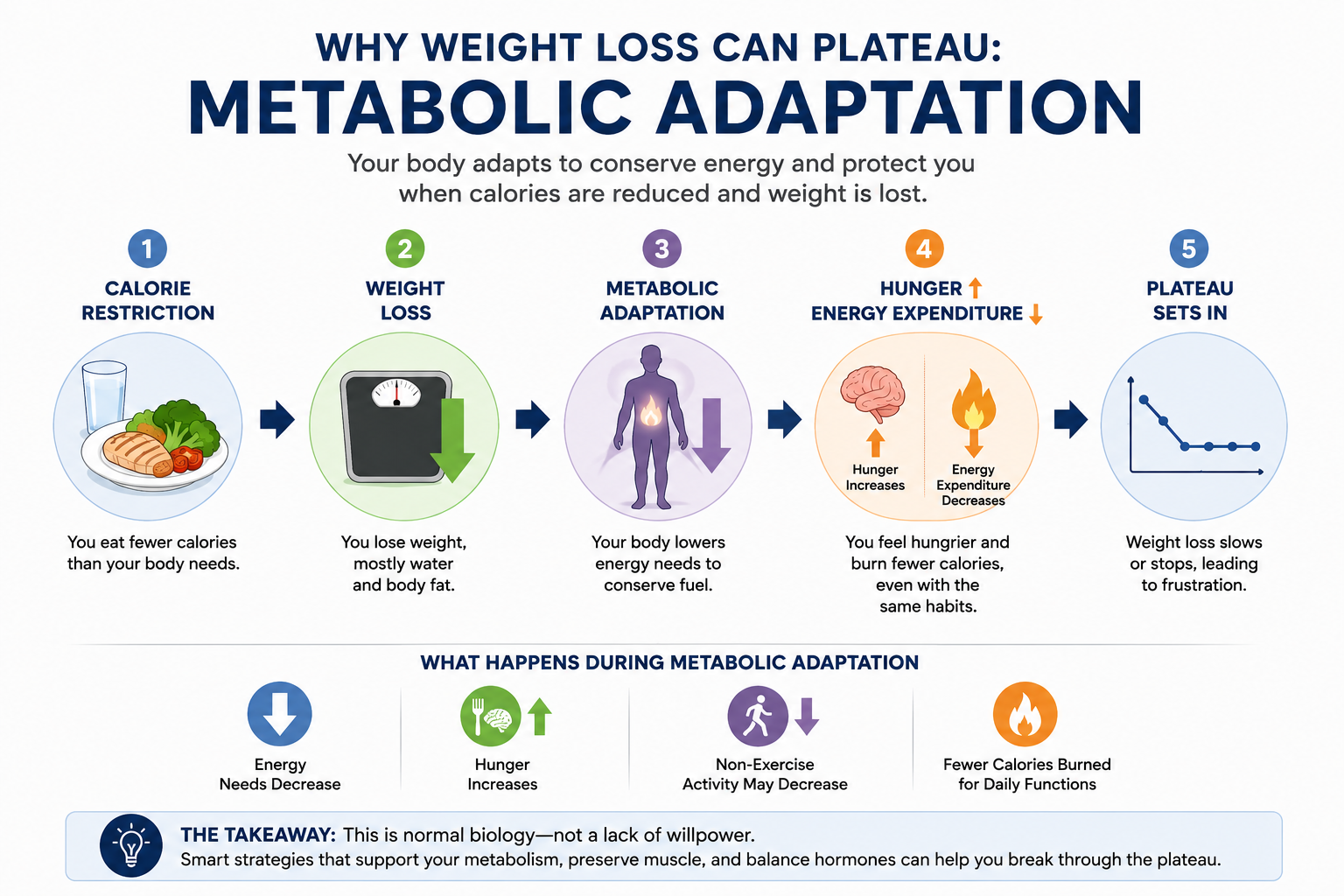
As weight is lost, the body can adapt by reducing energy requirements and increasing hunger. This normal physiological response can contribute to a weight-loss plateau.
One of the most important ideas in understanding weight loss resistance is that the body is not trying to make weight loss difficult. It is adapting to the environment you give it.
For most of human history, periods of abundant food could be followed by periods when food was scarce. A body capable of conserving energy, increasing hunger, and becoming more efficient when food availability declined had an obvious survival advantage.
Those adaptive mechanisms are still part of our physiology today.
When calorie intake is reduced—particularly when restriction is aggressive or repeated—the body can respond by lowering energy expenditure. Hunger and food-seeking signals may increase, spontaneous physical activity may decrease, and hormonal signals involved in energy regulation can change.
This response is often referred to as metabolic adaptation or adaptive thermogenesis.
It does not mean that energy balance has stopped working. It means the body can influence both sides of the equation.
A person may begin a diet with a particular energy requirement, lose weight, and later discover that the same calorie intake no longer produces the same rate of weight loss. Part of this is simply because a smaller body requires less energy, but physiological adaptation can reduce energy expenditure further.
This helps explain a pattern I have seen repeatedly in practice:
Eat less → lose weight → plateau → eat even less → plateau again.
Eventually, repeatedly increasing restriction can become a poor long-term strategy—particularly when it is accompanied by inadequate protein, loss of muscle tissue, poor sleep, excessive exercise, increasing hunger, or declining energy.
Dr. Scott’s Perspective
I think it is important to respect what the body is doing rather than immediately assuming it is malfunctioning.
Many of the physiological responses that frustrate us today exist because they helped humans survive in very different environments.
The objective should not be to fight the body harder.
It should be to understand the signals the body is responding to and create an environment in which maintaining a healthier body composition becomes physiologically easier.
That shift—from fighting physiology to understanding it—is central to how I approach weight loss resistance.
Insulin Resistance Can Change the Metabolic Environment
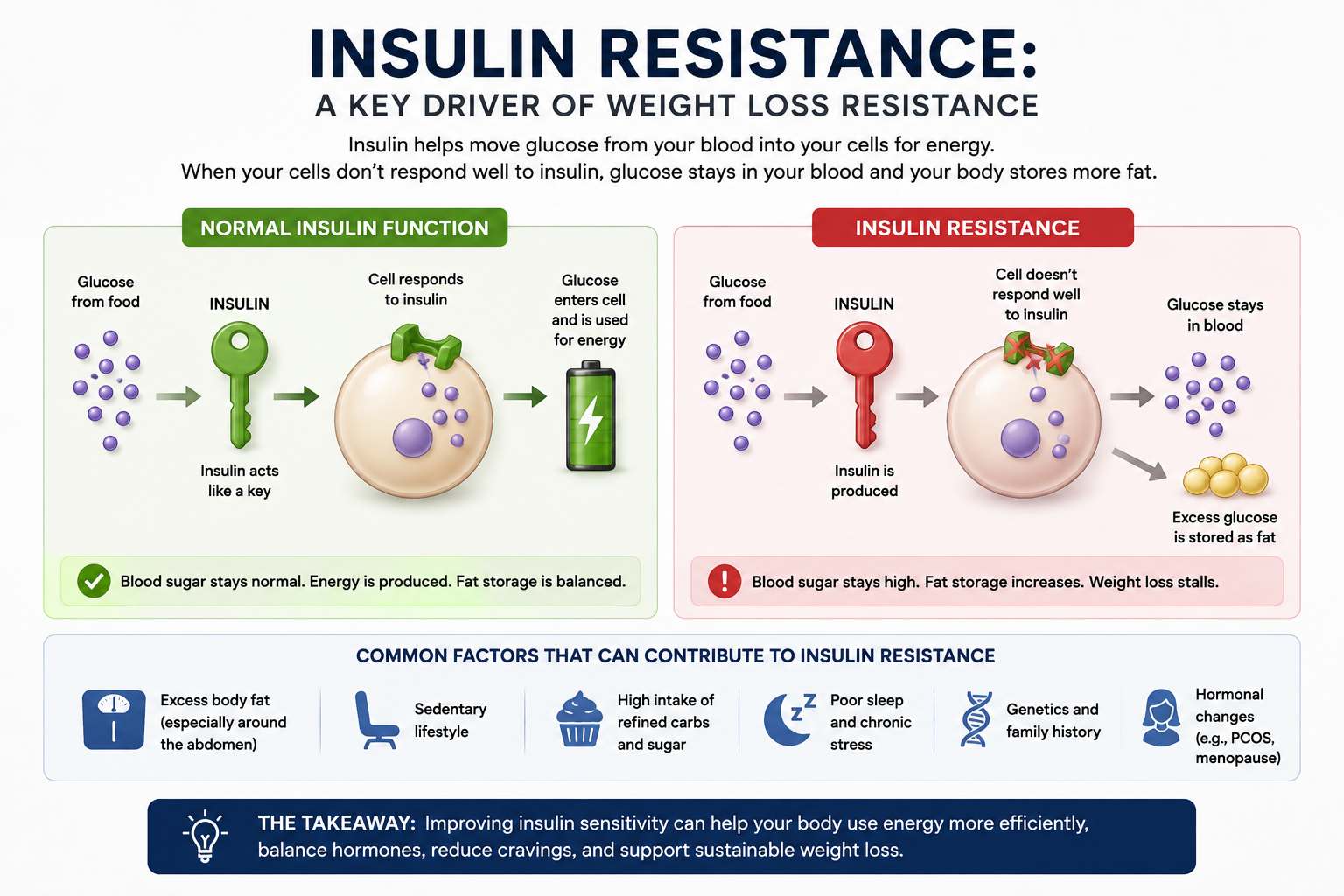
With insulin resistance, cells become less responsive to insulin and the body may compensate by producing more of it. Over time, this can affect glucose regulation, energy metabolism, and weight management.
Insulin resistance is one of the most important metabolic factors to consider when someone is struggling with weight loss.
Insulin itself is not the enemy. It is an essential hormone that helps regulate blood glucose and allows cells to use or store energy.
The problem develops when tissues become less responsive to insulin. The pancreas then has to produce more insulin to accomplish the same job. This is insulin resistance.
During the earlier stages, blood sugar may still appear normal because the pancreas is compensating by producing more insulin. As a result, insulin resistance can be developing for years before fasting glucose or A1C reaches the diabetic range.
This metabolic environment can make weight regulation more challenging.
Higher circulating insulin suppresses the release of stored fat while insulin is elevated. Blood sugar fluctuations can influence hunger and cravings in some people. Increasing visceral and liver fat can further impair insulin sensitivity, creating a cycle in which worsening metabolic health and increasing body fat reinforce one another.
But it would be too simplistic to say “insulin causes obesity.”
People with insulin resistance can lose body fat when an energy deficit is achieved. The more important question is whether insulin-resistant physiology is making it more difficult to achieve and sustain that deficit by influencing hunger, energy utilization, metabolic flexibility, and other aspects of weight regulation.
Improving insulin sensitivity can therefore be an important part of improving both metabolic health and long-term weight regulation.
Because this is such an important subject, we have a separate authority page explaining the progression in detail: Insulin Resistance, Metabolic Syndrome & Type 2 Diabetes.
Thyroid Function Influences Energy Expenditure
The thyroid deserves special attention because thyroid hormones help regulate metabolic activity throughout the body.
When thyroid function is significantly reduced, energy expenditure can decline. People may also experience fatigue, cold intolerance, constipation, fluid retention, reduced exercise tolerance, and other symptoms that can make maintaining a healthy body weight more difficult.
But thyroid function and weight should not be reduced to the idea that “a slow thyroid makes you fat.”
Thyroid physiology is more complex than that.
The thyroid gland produces primarily thyroxine (T4), which must be appropriately converted and regulated throughout the body. Thyroid hormone transport, conversion, receptor activity, autoimmune thyroid disease, nutritional status, illness, medications, and other physiological factors can all influence the larger thyroid picture.
This is also why evaluating someone with persistent symptoms may require more context than simply asking whether a single TSH result falls within a laboratory reference range.
At the same time, thyroid dysfunction should not become the explanation for every case of difficult weight loss.
When thyroid physiology is contributing, it should be identified and addressed appropriately. When it is not, continuing to blame the thyroid can distract from the metabolic, hormonal, nutritional, sleep, muscle, or lifestyle factors that actually deserve attention.
Because we have developed an entire thyroid education system around this subject, we do not need to reproduce it here. You can begin with Thyroid Problems & Symptoms or learn more about Thyroid Testing.
Hormones Can Influence Appetite, Energy and Fat Distribution
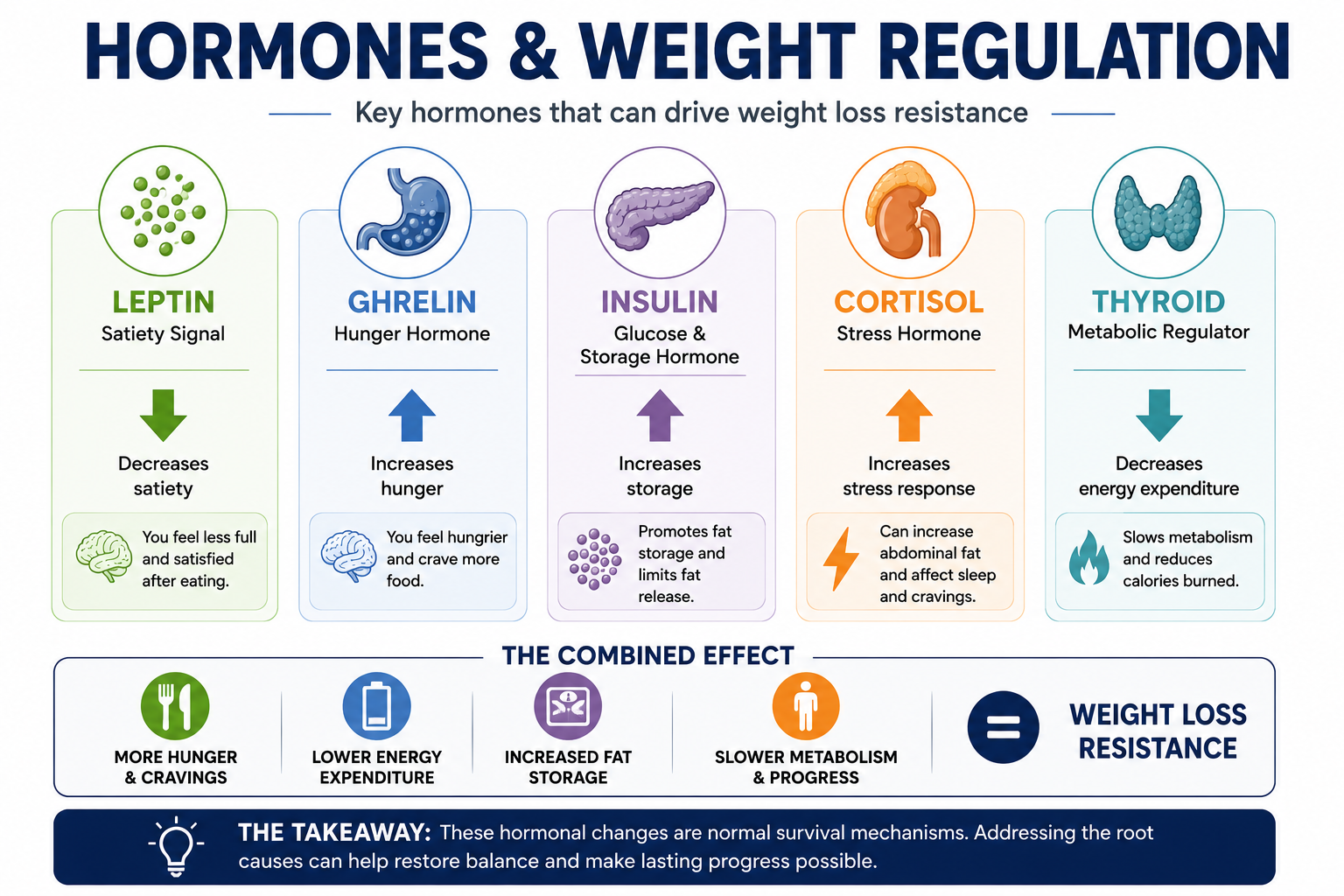
Hormones participate in an interconnected system that influences appetite, energy expenditure, glucose regulation, stress responses, fat distribution, and body composition.
Hormones influence far more than reproductive function. They help regulate appetite, energy expenditure, insulin sensitivity, muscle maintenance, sleep, stress responses, and where the body tends to store fat.
This becomes particularly noticeable during periods of hormonal transition.
For women, perimenopause and menopause can change body composition even when body weight does not initially change dramatically. Declining estrogen, changes in progesterone, aging-related muscle loss, worsening insulin sensitivity, sleep disruption, and changes in activity can all contribute to a greater tendency to accumulate abdominal fat.
This does not mean that estrogen deficiency simply “causes weight gain.” The physiology is more complicated, and aging, muscle mass, nutrition, activity, sleep, and metabolic health remain important parts of the picture.
Stress hormones also deserve a more nuanced explanation.
Cortisol is essential for normal physiology. Problems arise when chronic stress, inadequate recovery, poor sleep, excessive exercise, or other stressors repeatedly alter the body’s stress response. In some people, this can influence appetite, food choices, glucose regulation, sleep, and fat distribution.
Leptin is another important signal. Produced primarily by fat cells, leptin helps communicate information about stored energy to the brain. As body fat increases, leptin usually increases as well—but the brain may become less responsive to that signal. This is sometimes described as leptin resistance.
The larger point is that hormones should neither be ignored nor blamed for every difficult case of weight loss.
They are part of an interconnected regulatory system.
When hormonal changes are contributing to weight loss resistance, the goal is to understand those changes in the context of the person’s metabolism, age, body composition, thyroid function, sleep, stress, nutrition, and overall health.
You can learn more in Hormonal Health and Functional Medicine for Menopause.
Repeated Dieting Can Produce Metabolic Adaptation
One of the most overlooked contributors to weight loss resistance is a long history of repeated dieting.
Many people struggling with their weight have spent years moving from one restrictive diet to another. Calories are reduced, weight comes off initially, progress slows, and restriction becomes more aggressive.
The problem is that the body does not remain metabolically unchanged during this process.
As body weight decreases, energy requirements naturally decline because a smaller body requires less energy. But the body can also respond with metabolic adaptation, reducing energy expenditure beyond what would be expected from the change in body size alone.
At the same time, hunger can increase, satiety signals can change, spontaneous physical activity may decline, and maintaining the diet can become progressively more difficult.
If significant muscle is lost during repeated dieting, the situation can become even more challenging.
This helps explain why someone may say:
“I used to be able to lose weight by cutting calories. Now that doesn’t work anymore.”
The calories have not somehow stopped mattering. What may have changed is the person’s body composition, energy expenditure, activity, appetite regulation, and metabolic response to restriction.
This is why simply prescribing another increasingly restrictive diet may not address the underlying problem.
For some people, a better strategy involves protecting or rebuilding muscle, eating adequate protein, improving insulin sensitivity, increasing appropriate physical activity, addressing sleep and stress, and developing a nutritional approach that can be sustained rather than repeatedly cycling between severe restriction and regain.
The goal is not to find the diet that forces the greatest short-term weight loss.
It is to create a metabolic environment that supports healthier body composition and sustainable weight regulation over time.
For the broader relationship between hormones, metabolic adaptation, and difficult weight loss, see Hormones and Metabolism: Why Weight Loss Is More Than Calories.
Muscle Mass Changes the Weight-Loss Equation
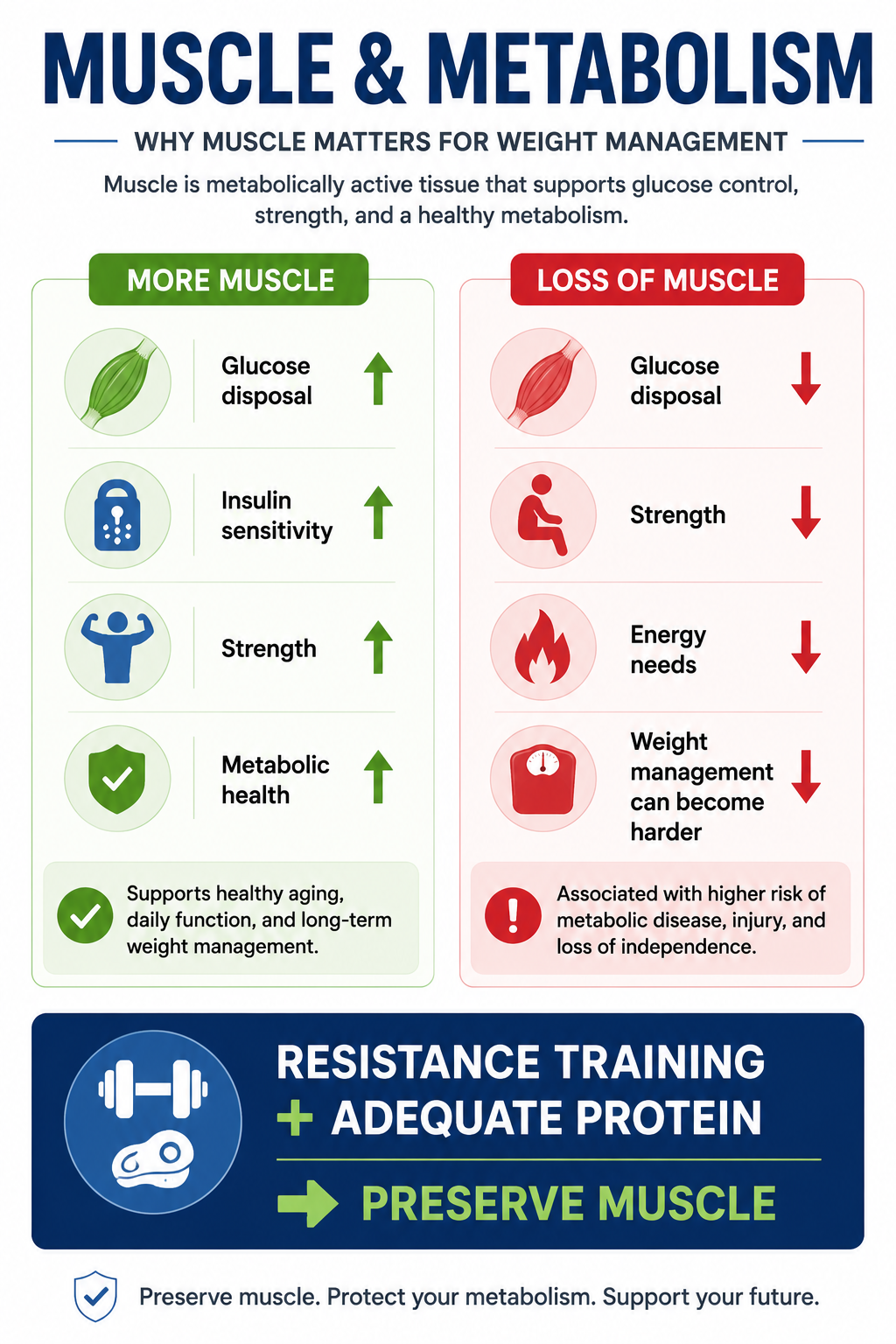
Maintaining muscle supports insulin sensitivity, glucose disposal, physical function, and energy expenditure. Resistance training and adequate protein become increasingly important as we age.
Muscle is often discussed in terms of strength and appearance, but skeletal muscle is also one of the body’s most important metabolic tissues.
It is a major site for glucose disposal, contributes to insulin sensitivity, influences resting energy expenditure, and provides a reservoir of metabolically active tissue that becomes increasingly important as we age.
This matters because weight loss and fat loss are not necessarily the same thing.
When someone loses weight through aggressive calorie restriction without adequate protein or resistance training, some of the weight lost may come from muscle tissue.
The scale may be moving in the desired direction while body composition is moving in a less desirable one.
Loss of muscle can reduce strength and physical capacity, decrease the amount of glucose that can be readily utilized by muscle, and contribute to the decline in energy requirements that occurs during weight loss.
Age makes this increasingly important.
Beginning in midlife, maintaining muscle generally requires more deliberate attention. If someone combines age-related muscle loss with years of restrictive dieting and little resistance exercise, they may eventually have substantially less metabolically active tissue than they had when losing weight was easier.
This is one reason I believe resistance training deserves a central role in many weight-loss programs.
The goal is not simply to burn calories during a workout.
The goal is to give the body a reason to preserve or build muscle.
Adequate protein, progressive resistance exercise, appropriate recovery, and sufficient nutrition can help protect lean tissue while body fat is being reduced.
This also changes how we should think about progress.
A person who loses body fat while maintaining or gaining muscle may experience significant improvements in waist circumference, insulin sensitivity, strength, and metabolic health even when the scale changes more slowly than expected.
For that reason, successful weight management should not be judged by body weight alone.
The better question is:
What is happening to body composition and metabolic health?
This relationship between muscle and metabolism is important enough that it deserves its own future THC authority page. For now, you can learn more about the larger metabolic picture in Functional Medicine & Metabolic Health.
Sleep Can Work Against Weight Regulation
Sleep is often treated as separate from weight loss, but inadequate or disrupted sleep can influence many of the same physiological systems involved in appetite and metabolism.
Poor sleep can affect insulin sensitivity, hunger, food cravings, stress signaling, recovery, physical activity, and the ability to make consistent nutritional choices.
Even a well-designed diet becomes more difficult to follow when someone is chronically tired and hungry.
Sleep loss can also reduce the quality of exercise and recovery. Someone who is exhausted may train less effectively, move less throughout the day, and have greater difficulty maintaining or building muscle.
There is also an important relationship between sleep and glucose regulation.
Research has shown that insufficient sleep can reduce insulin sensitivity, meaning the body may require more insulin to manage the same amount of glucose. Over time, chronic sleep disruption may therefore contribute to the metabolic environment associated with insulin resistance.
The relationship also works in the opposite direction.
Obesity and metabolic dysfunction can increase the likelihood of conditions such as obstructive sleep apnea, which can repeatedly disrupt sleep throughout the night. Someone may spend eight hours in bed yet still wake feeling exhausted because normal sleep architecture has been repeatedly interrupted.
This is why persistent fatigue, snoring, witnessed breathing interruptions, morning headaches, or excessive daytime sleepiness should not simply be dismissed as consequences of being overweight.
Sleep problems may be part of the physiology making weight regulation more difficult.
Improving sleep does not eliminate the need for appropriate nutrition and physical activity, but it can remove an important obstacle that makes those strategies harder to sustain.
We explore this relationship further in Sleep and Insulin: The Overlooked Key to Weight Loss and Metabolic Health.
Stress Can Change the Metabolic Environment
Stress is another factor that is often oversimplified in discussions about weight gain.
You may have heard that “cortisol makes you fat.” That is not an accurate way to describe what is happening.
Cortisol is an essential hormone. It helps regulate blood glucose, blood pressure, immune activity, energy availability, and the body’s response to physical and psychological stress.
The problem is not cortisol itself.
The issue is what can happen when someone experiences persistent stress without adequate recovery.
Chronic stress can influence sleep, appetite, food cravings, blood sugar regulation, physical activity, recovery from exercise, and the choices a person makes around food. In some people, prolonged stress may also contribute to changes in abdominal fat distribution and insulin sensitivity.
Stress can also affect weight indirectly.
Someone who is sleeping poorly, working long hours, caring for family members, dealing with chronic pain, or living under significant emotional pressure may simply have fewer physiological and psychological resources available for meal preparation, exercise, recovery, and other behaviors that support healthy weight regulation.
This is why I do not think telling someone to “reduce stress” is particularly useful advice by itself.
The better question is:
What stressors are present, how is the person responding to them, and where can we realistically improve recovery?
That might involve improving sleep, changing exercise intensity, spending more time outdoors, creating periods of genuine recovery, addressing chronic pain, improving nutrition, or dealing with other health problems that are placing additional demands on the body.
In a functional medicine approach, stress is therefore not treated as a vague explanation for every symptom.
It is evaluated as one part of the larger physiological environment influencing metabolism, recovery, behavior, and weight regulation.
For a broader look at how hormones and stress physiology can influence weight regulation, see Hormones and Metabolism: Why Weight Loss Is More Than Calories.
Gut Health and Inflammation Can Influence Weight Regulation
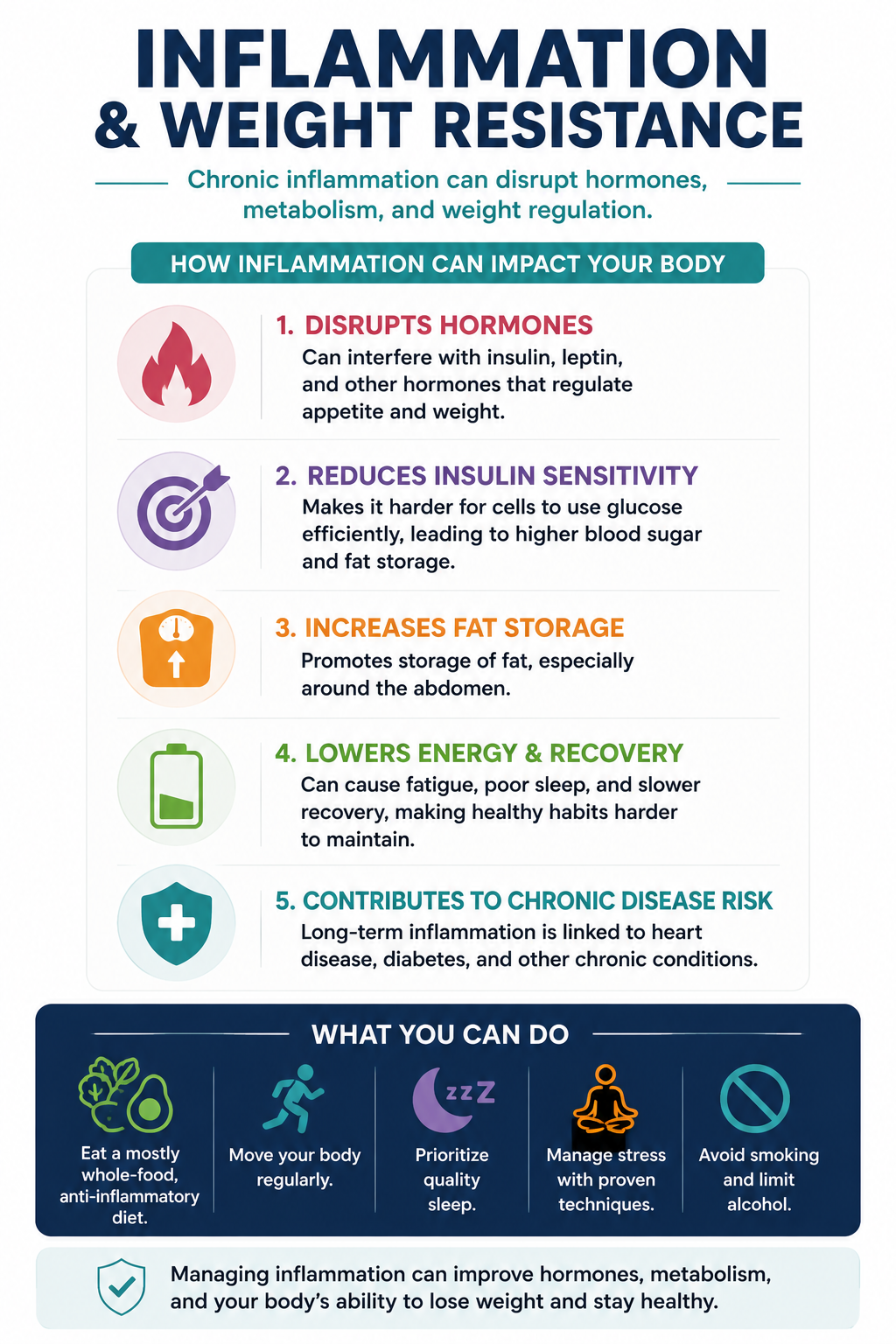
Persistent inflammatory signaling can interact with insulin sensitivity, metabolic health, energy, recovery, and weight regulation. Inflammation may be both a contributor to and a consequence of metabolic dysfunction.
Digestive health and weight regulation are closely connected, but this is another area where it is easy to make claims that go beyond what the evidence supports.
Not every person struggling to lose weight has a “gut problem,” and changing the microbiome is not a guaranteed weight-loss strategy.
However, the digestive system interacts with metabolism in several important ways.
The gut microbiome participates in the metabolism of nutrients, production of signaling molecules, maintenance of the intestinal barrier, immune regulation, and communication between the digestive system and the brain.
Changes in digestive health can also affect something much more practical: what foods a person can comfortably eat and how consistently they can maintain a healthy diet.
Someone dealing with chronic bloating, constipation, diarrhea, reflux, IBS, SIBO, or food reactions may gradually restrict more and more foods or develop eating patterns designed primarily around avoiding symptoms rather than supporting overall metabolic health.
Inflammation also deserves careful consideration.
Inflammation is a normal and necessary biological response. The problem is persistent inflammatory signaling associated with conditions such as visceral obesity, insulin resistance, poor metabolic health, chronic disease, and certain digestive disorders.
In this setting, inflammation may be both a consequence and contributor to metabolic dysfunction rather than a single independent cause of weight gain.
This is why I do not approach gut health as a hidden explanation for every case of weight loss resistance.
But when significant digestive symptoms, inflammation, or microbiome-related problems are present, ignoring them can leave an important piece of the patient’s health unexplored.
The objective is to determine whether digestive health is actually contributing to the person’s larger metabolic picture—and address it when it is.
For a deeper discussion, see Gut Health and Weight Loss.
Medications and Medical Conditions Can Matter Too
Sometimes difficulty losing weight is influenced by factors that cannot be solved simply by changing diet or exercise.
Certain medications can affect appetite, insulin sensitivity, fluid balance, energy levels, or body weight. These effects vary considerably from one medication and one person to another.
Medications associated with weight changes can include certain antidepressants and psychiatric medications, corticosteroids, some diabetes medications, seizure medications, and other drugs.
This does not mean someone should stop a necessary medication because they are concerned about weight gain.
Instead, medication history should be considered when trying to understand why someone’s weight or metabolism changed—particularly when the change began after starting or changing a medication.
Medical conditions can also contribute.
Hypothyroidism, polycystic ovary syndrome (PCOS), menopause-related changes, sleep apnea, insulin resistance and type 2 diabetes are examples of conditions that may influence weight regulation directly or indirectly.
Chronic pain can matter as well. Someone who becomes less active because movement hurts may gradually lose muscle, reduce daily energy expenditure, sleep poorly, and find it increasingly difficult to maintain the activity level they once had.
This is why the timeline is so valuable.
When did the weight problem begin?
What else changed around that time?
Was there an illness, pregnancy, menopause, injury, medication change, major period of stress, change in sleep, reduction in activity, or repeated period of restrictive dieting?
Those details can reveal much more than simply asking someone how many calories they eat.
A functional medicine evaluation should therefore consider the person’s medical history, medications, symptoms, lifestyle, metabolic health, and appropriate laboratory findings together rather than assuming every case of weight loss resistance has the same cause.
For more about how we evaluate these interconnected factors, see Understanding Functional Medicine Testing.
The Scale Does Not Tell You Everything
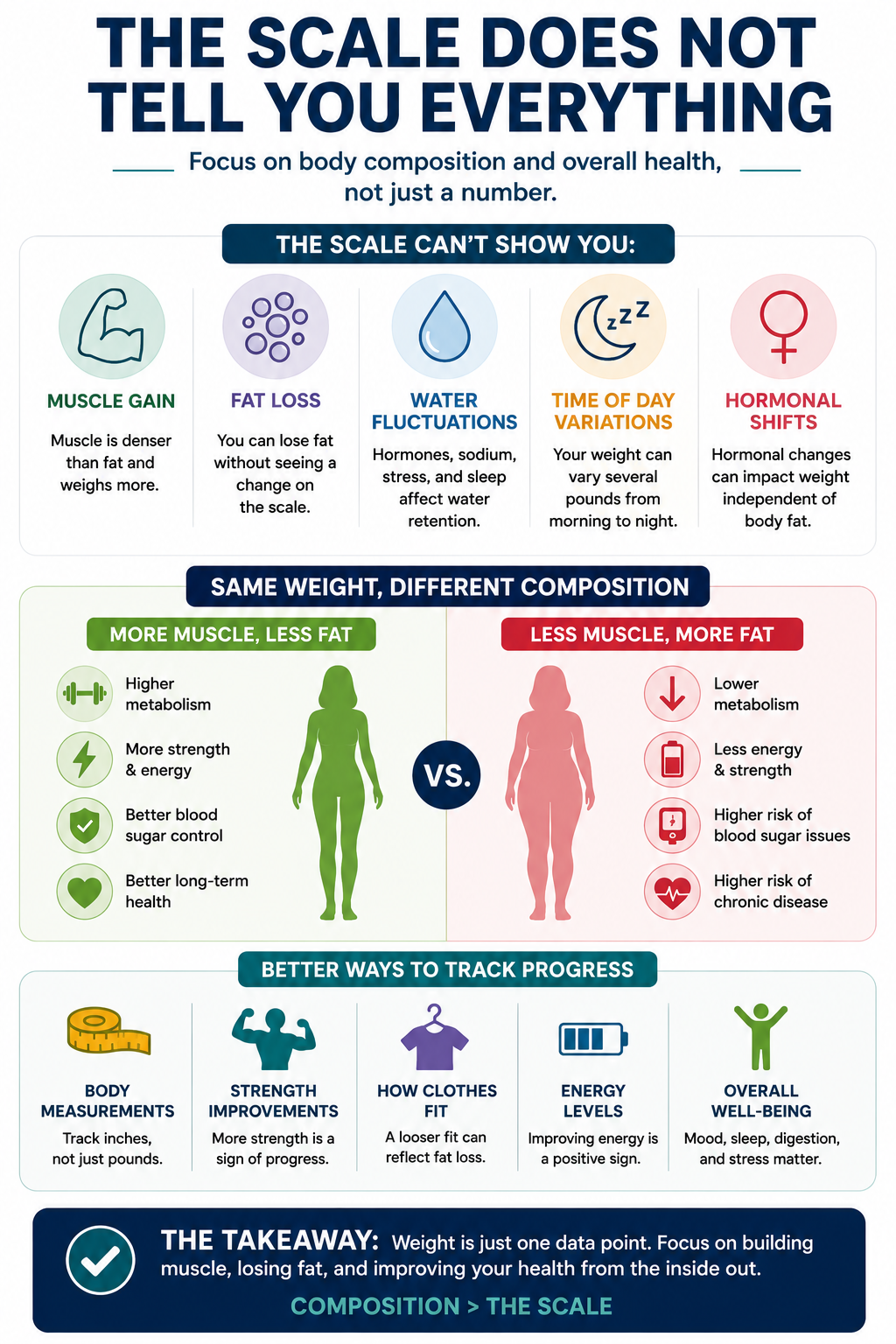
Scale weight is only one measure of progress. Changes in muscle, body fat, water, strength, waist circumference, and metabolic health can provide a more complete picture.
Body weight is useful information, but it is only one measurement.
Two people can weigh exactly the same and have very different amounts of muscle, body fat, visceral fat, bone, and water. They can also have very different levels of insulin sensitivity, physical fitness, strength, and overall metabolic health.
This is why focusing exclusively on the number on the scale can sometimes give the wrong impression about progress.
Consider someone who begins resistance training while improving nutrition.
They may lose body fat while simultaneously maintaining or gaining muscle. Because muscle has weight, the scale may change more slowly than expected even though waist circumference, strength, insulin sensitivity, and body composition are improving.
The opposite can happen as well.
Someone following an aggressive calorie-restricted diet may lose weight quickly, but if a significant portion of that loss comes from muscle, the scale can look impressive while body composition and long-term metabolic resilience are moving in the wrong direction.
Where body fat is stored also matters.
Excess visceral fat—the fat stored around the abdominal organs—is more strongly associated with insulin resistance and metabolic disease than fat stored in some other areas of the body.
For this reason, I prefer to look at weight as one piece of a larger metabolic picture.
Depending on the individual, useful measures may include body weight, waist circumference, body composition, strength, energy, metabolic laboratory markers, blood pressure, sleep quality, and how the person is functioning overall.
The goal should not simply be:
“How light can I become?”
A better question is:
“Am I becoming metabolically healthier while improving my body composition?”
That distinction becomes increasingly important as we move from short-term weight loss toward long-term health.
For a broader explanation of the relationship between body composition, insulin resistance and metabolic health, see Functional Medicine & Metabolic Health.
How We Evaluate Weight Loss Resistance
When someone has struggled to lose weight despite repeated efforts, the first step should not automatically be another diet.
The first step is to understand what has been happening and why.
That begins with the person’s history.
When did the weight gain begin? Was it gradual or sudden? What strategies have worked in the past? When did they stop working? Has the person repeatedly lost and regained weight? What happened around the time their metabolism or body composition seemed to change?
We also look at factors such as sleep, stress, physical activity, resistance exercise, muscle mass, digestive health, medications, hormonal changes, thyroid symptoms, appetite, food cravings, and previous dietary patterns.
Laboratory testing can sometimes add another important layer of information.
Depending on the individual’s history and symptoms, this may include evaluation of blood glucose regulation, hemoglobin A1C, fasting insulin, triglycerides, HDL cholesterol, thyroid markers, and other testing when clinically appropriate.
The objective is not to order every possible laboratory test.
Testing should answer a question.
If we suspect insulin resistance, we want information that helps us understand glucose and insulin regulation. If thyroid dysfunction is a concern, we evaluate the thyroid appropriately. If symptoms suggest another medical or hormonal issue, the evaluation should follow that evidence rather than applying the same testing panel to everyone.
Body composition can provide useful information as well.
Someone who has spent years repeatedly dieting may have a very different metabolic situation from someone with the same body weight who has maintained substantial muscle mass and remained physically active.
Ultimately, we are trying to build a physiological picture of the individual.
That is one of the fundamental differences between simply prescribing a weight-loss program and asking why weight regulation has become difficult for this particular person.
For a deeper explanation of our approach to laboratory evaluation, see Understanding Functional Medicine Testing.
What Actually Helps Restore Progress?
Once we understand the factors contributing to weight loss resistance, the goal is not simply to force the scale downward.
The goal is to improve the physiological environment that supports healthy fat loss, muscle preservation, metabolic health, and long-term weight regulation.
For many people, nutrition remains foundational—but that does not necessarily mean eating less and less.
An effective nutritional strategy should provide adequate protein, support stable energy and blood sugar, emphasize nutrient-dense foods, and create an appropriate energy intake without making the diet so restrictive that it becomes difficult to sustain.
Resistance training is equally important, particularly as we age.
Building or preserving muscle can improve insulin sensitivity, maintain physical capacity, and help protect metabolically active tissue during weight loss. Walking and other forms of regular physical activity can further support glucose regulation, cardiovascular health, and daily energy expenditure.
Sleep and recovery matter as well.
Someone consistently sleeping five hours per night, experiencing untreated sleep apnea, or living in a state of chronic exhaustion may have a much harder time regulating appetite, exercising effectively, recovering from training, and maintaining healthy eating patterns.
When insulin resistance, thyroid dysfunction, hormonal changes, digestive problems, medications, or other medical conditions are contributing, those issues should be addressed appropriately rather than expecting another diet to compensate for them.
And sometimes the strategy requires patience.
A person who has spent years repeatedly losing weight, regaining it, losing muscle, and becoming progressively less active may need to first improve strength, metabolic health, sleep, nutrition, and body composition rather than pursuing the fastest possible drop on the scale.
This is why I prefer to think in terms of restoring metabolic capacity, not simply restricting calories.
The objective is to create a healthier body that is stronger, more metabolically flexible, more insulin sensitive, and better able to maintain a healthy body composition over time.
That is the larger philosophy behind our Functional Medicine for Weight Loss approach.
Dr. Scott’s Perspective: Stop Fighting the Body and Start Understanding It
One of the biggest mistakes I see in weight loss is the assumption that when the body stops responding, the answer must always be more restriction, more exercise, or more discipline.
Sometimes that works temporarily.
But if the same strategy repeatedly produces weight loss followed by a plateau and regain, I think we should ask a different question.
What is the body adapting to?
The human body is remarkably good at survival. It can adjust energy expenditure, hunger, activity, hormone signaling, glucose metabolism, and other physiological processes in response to changes in food availability, activity, sleep, stress, illness, and the environment.
Those adaptations are not necessarily signs that the body is broken.
In many cases, the body is doing exactly what it was designed to do—respond to the conditions it has been given.
That is why my approach to weight loss resistance begins with understanding physiology rather than fighting it.
If someone has insulin resistance, we work on improving the metabolic environment.
If muscle has been lost through aging, inactivity, or repeated dieting, rebuilding and protecting muscle becomes important.
If thyroid dysfunction, hormonal changes, poor sleep, chronic stress, digestive problems, medications, or another health condition is contributing, we address the factors that are actually present.
And if years of restrictive dieting have produced a cycle of weight loss and regain, simply prescribing an even more restrictive diet may not be the most intelligent solution.
The goal is not to convince the body to surrender.
The goal is to create conditions in which the body can function better.
That means improving metabolic health, preserving muscle, providing adequate nutrition, restoring appropriate activity, improving sleep and recovery, and addressing identifiable physiological problems when they exist.
When we approach weight loss this way, the conversation changes from:
“Why won’t my body cooperate?”
to:
“What is my body responding to—and what can we change?”
That is a much more useful place to begin.
When to Consider a Functional Medicine Evaluation
If weight loss has become increasingly difficult despite meaningful changes in nutrition and physical activity, it may be worth looking more closely at the factors influencing your metabolism.
This is particularly true when difficulty losing weight occurs alongside other symptoms such as fatigue, abnormal blood sugar, strong food cravings, digestive problems, poor sleep, menstrual changes, menopause symptoms, loss of muscle, unexplained changes in body composition, or symptoms suggesting thyroid dysfunction.
A functional medicine evaluation is not about searching for an obscure diagnosis to explain every extra pound.
It is about asking whether there are identifiable factors making healthy weight regulation more difficult—and whether addressing those factors could improve both weight management and overall health.
At Total Health Center, we look at the individual rather than starting with a predetermined weight-loss program.
That may include reviewing your health history, previous weight-loss attempts, nutrition, physical activity, sleep, stress, medications, digestive health, metabolic markers, thyroid function, hormonal factors, and appropriate laboratory testing when indicated.
The objective is to understand why your body may be responding differently now than it did in the past.
Sometimes that reveals an important metabolic or health issue that needs attention.
Sometimes it shows that the bigger opportunity is improving muscle mass, sleep, nutrition, activity, or body composition.
And sometimes several factors are working together.
The important point is that persistent weight loss resistance should not automatically be interpreted as a failure of willpower.
It can be an opportunity to better understand your physiology and develop a strategy that fits the person rather than forcing the person to fit another generic diet.