
A Root-Cause Approach to Blood Sugar, Weight, Energy, and Long-Term Health
Metabolic Health Is About More Than Your Weight
When most people hear the word metabolism, they think about losing weight. While body weight is certainly part of metabolic health, it represents only one piece of a much larger picture.
Your metabolism is the collection of processes that allows your body to convert food into energy, regulate blood sugar, maintain hormone balance, support brain function, repair tissues, and fuel nearly every cell in your body. When these processes begin to function less efficiently, the effects may be felt throughout your entire body.
Some people notice gradual weight gain or difficulty losing weight despite eating well. Others experience fatigue, low energy, sugar cravings, brain fog, elevated cholesterol, or blood sugar concerns. Although these symptoms can have many different causes, they may also be signs that your metabolic health deserves a closer look.
Functional medicine approaches metabolic health differently than many conventional weight-loss programs. Rather than focusing only on the number on the scale, we ask a broader question:
Why is your metabolism struggling in the first place?
By understanding the factors that may be contributing to metabolic dysfunction, we can develop a more personalized strategy to support healthy metabolism, improve overall wellness, and complement appropriate medical care.
What Makes Functional Medicine Different
Dr. Scott Insight
Many people spend years trying different diets without asking why their body seems to resist change. While healthy nutrition is important, metabolism is influenced by many interconnected factors, including sleep, stress, hormones, thyroid function, physical activity, nutrition, and overall health. Understanding those factors is often the first step toward achieving lasting results.
What Affects Your Metabolic Health?
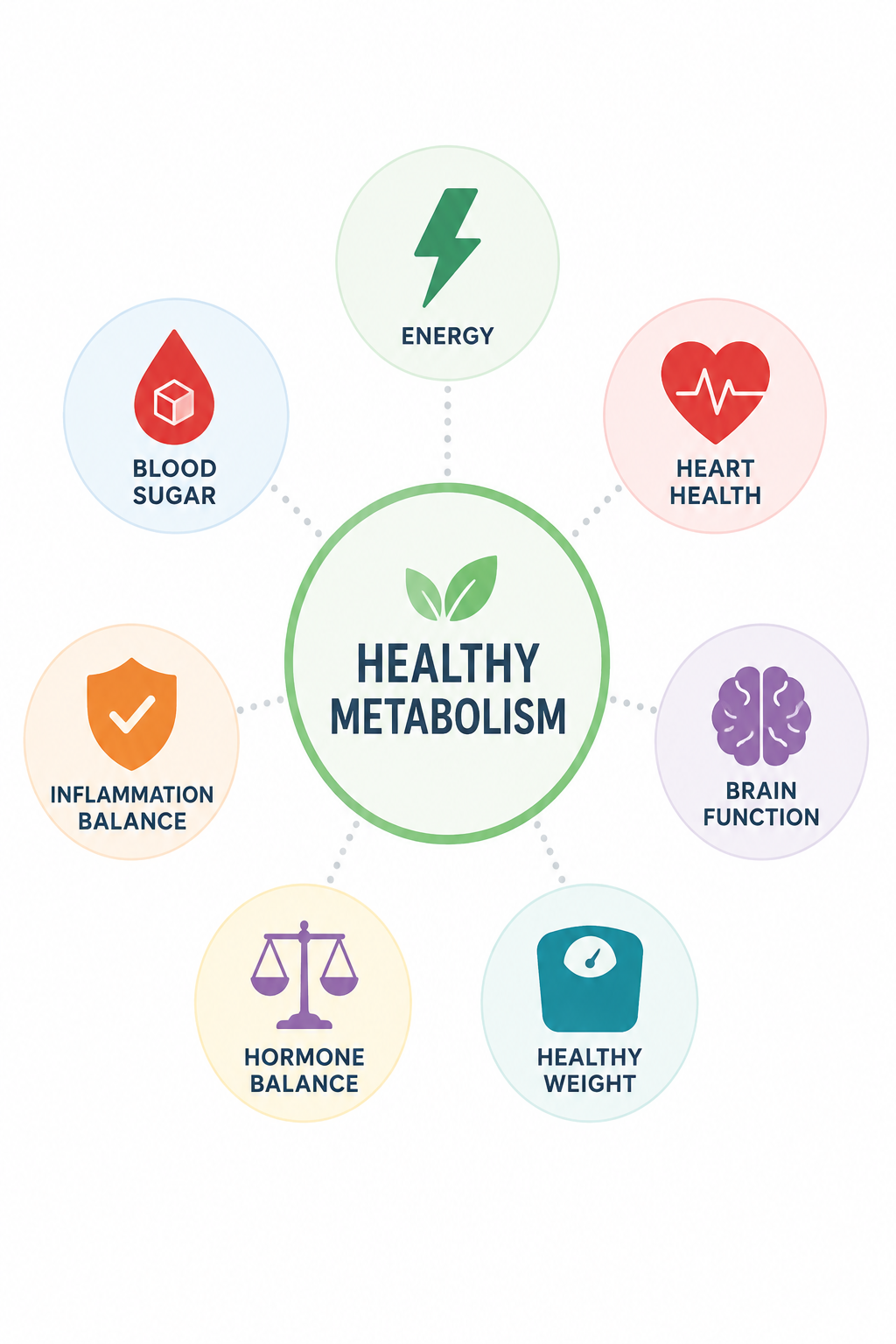
Healthy metabolism supports nearly every major body system, making it a foundation for long-term health rather than simply a measure of body weight.
Metabolic health is influenced by much more than the number of calories you eat or the amount of exercise you do. It reflects how well multiple body systems work together to produce energy, regulate blood sugar, maintain a healthy weight, and support overall wellness.
Many factors can influence metabolism, including:
Nutrition
The foods you eat provide the building blocks your body uses to produce energy, regulate blood sugar, and support healthy metabolism. A diet high in processed foods and added sugars can make these systems work harder, while a nutrient-rich eating pattern helps support normal metabolic function.
Physical Activity
Regular movement helps improve insulin sensitivity, maintain muscle mass, and support energy production. Physical activity doesn’t have to be extreme—even consistent daily movement can make a meaningful difference.
Sleep
Poor sleep can affect appetite regulation, blood sugar balance, stress hormones, and energy levels. Getting enough quality sleep is an important part of supporting a healthy metabolism.
Stress
Chronic stress influences hormones that affect appetite, energy, and blood sugar regulation. Managing stress is often an overlooked but important part of improving metabolic health.
Hormones and Thyroid Function
Hormones help regulate many aspects of metabolism. Changes in thyroid function, insulin activity, and other hormone systems can influence how efficiently your body uses and stores energy.
Digestive Health
Your digestive system plays an important role in breaking down food, absorbing nutrients, and supporting the gut microbiome. Digestive problems may affect your ability to obtain the nutrients your body needs to maintain healthy metabolic function.
Rather than assuming there is one cause for every patient, functional medicine looks at how these factors work together. Understanding that bigger picture helps us develop a personalized approach instead of relying on a one-size-fits-all solution.
Understanding Functional Medicine Testing
Functional Medicine & Digestive Health
Dr. Scott Insight
Many people are frustrated because they’ve been told to simply “eat less and exercise more.” While healthy eating and regular activity are important, metabolism is influenced by many interconnected systems. When those systems are out of balance, lasting improvement often requires looking beyond calories alone.
How Functional Medicine Evaluates Metabolic Health
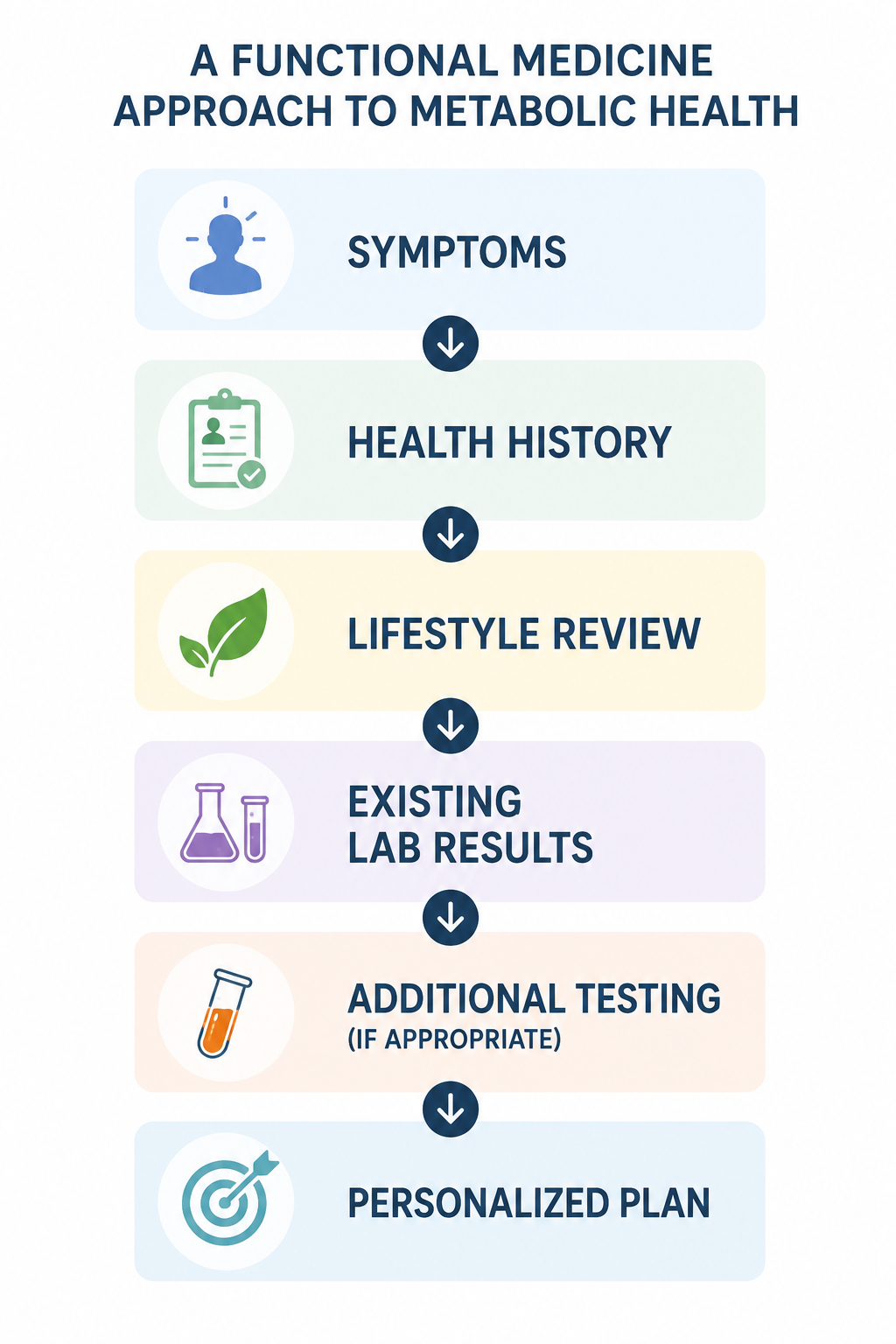
Functional medicine begins by understanding the whole person before recommending targeted testing and creating a personalized plan to support long-term metabolic health.
Improving metabolic health begins with understanding what may be contributing to the problem. Rather than focusing on a single symptom or diagnosis, functional medicine looks at the factors that influence how your body produces and uses energy.
Your evaluation begins with a detailed review of your health history, current symptoms, lifestyle, nutrition, sleep, stress, physical activity, medications, and previous laboratory testing. This information often reveals patterns that help guide the next steps.
When appropriate, we may also review blood sugar markers, cholesterol, thyroid function, nutritional status, or other laboratory findings. In some cases, additional testing may be recommended if it helps answer important clinical questions and supports a more personalized approach to your care.
The goal is not simply to identify what is wrong. The goal is to understand why your metabolism may not be functioning as efficiently as it could and to identify practical opportunities to support better health.
No two patients are exactly alike. Someone struggling with fatigue and weight gain may require a different approach than someone with elevated blood sugar or metabolic syndrome. Functional medicine recognizes these differences and develops recommendations based on your individual health picture rather than a standardized program.
Understanding Functional Medicine Testing
What to Expect During Your First Functional Medicine Visit
Dr. Scott Insight
One of the biggest misconceptions about metabolism is that there is a single cause or a single solution. In reality, metabolism reflects the interaction of many body systems. Taking the time to understand those interactions often leads to a more personalized and sustainable approach than simply chasing the next diet trend.
Building a Personalized Plan for Better Metabolic Health
There is no single program that works for everyone. The best approach depends on your health history, current symptoms, lifestyle, laboratory findings, and personal goals.
For some people, improving metabolic health begins with better nutrition and increasing daily physical activity. Others may need to focus on improving sleep, managing stress, correcting nutritional deficiencies, supporting thyroid function, or addressing digestive health. In many cases, meaningful progress comes from making several small improvements that work together over time.
Functional medicine emphasizes practical, sustainable changes rather than quick fixes. The goal is to create a plan that fits your life and supports long-term health—not simply achieve short-term weight loss.
As your health improves, your plan may evolve as well. Recommendations are adjusted based on your progress, changing health needs, and ongoing communication. This personalized approach helps ensure that your care remains focused on your individual goals rather than a one-size-fits-all program.
Ultimately, metabolic health is about more than achieving a number on the scale. It’s about supporting healthy blood sugar regulation, maintaining energy, improving overall wellness, and helping your body function at its best.
Internal Links
Understanding Functional Medicine Testing
Functional Medicine & Digestive Health
Dr. Scott Insight
I encourage patients to think of metabolic health as a journey rather than a destination. Lasting improvements rarely come from a single diet or supplement. They come from consistently supporting the body’s natural ability to regulate energy, blood sugar, and overall health through personalized, sustainable changes.
Is Functional Medicine Right for Your Metabolic Health?
If you’re struggling with weight gain, fatigue, blood sugar concerns, or simply don’t feel as healthy as you once did, improving your metabolic health may be one of the most important investments you can make in your long-term well-being.
Functional medicine offers a personalized approach that looks beyond individual symptoms to better understand the factors influencing your health. By evaluating your history, lifestyle, nutrition, previous laboratory work, and overall health, we can determine whether there are opportunities to support healthier metabolic function.
Whether your goal is improving energy, supporting healthy blood sugar, managing your weight, or simply feeling your best, the first step is understanding where you are today and developing a plan that fits your individual needs.
Ready to Take the Next Step?
If you’re interested in learning more about your metabolic health and whether a functional medicine approach may be right for you, we’d be happy to help.
Schedule a Functional Medicine Consultation
📞 757-363-8571
Or request an appointment through our website to begin your personalized evaluation.
Continue Learning
Understanding Functional Medicine Testing
What Makes Functional Medicine Different
What to Expect During Your First Functional Medicine Visit
Functional Medicine & Digestive Health
Functional Medicine & Autoimmune Disease
About Dr. Scott
Dr. Mark Scott is the founder and clinic director of Total Health Center in Virginia Beach. Since 1997, he has helped patients with chronic and complex health concerns using a comprehensive functional medicine approach that combines careful clinical evaluation with personalized nutrition, lifestyle recommendations, and targeted laboratory testing when appropriate.
His goal is to understand the underlying factors influencing each patient’s health and develop practical, individualized strategies that support long-term wellness. Dr. Scott works with patients experiencing thyroid disorders, digestive conditions, autoimmune diseases, metabolic concerns, fatigue, and other chronic health challenges.
Whether you’re seeking answers for ongoing symptoms or looking to optimize your overall health, Dr. Scott believes that understanding the whole person—not just a diagnosis—is the foundation of effective care.
If you’d like to learn whether a functional medicine approach may be right for you, we invite you to schedule a consultation at Total Health Center.
References
- Institute for Functional Medicine. What Is Functional Medicine?
- American Diabetes Association. Standards of Care in Diabetes.
- National Institute of Diabetes and Digestive and Kidney Diseases (NIDDK). Insulin Resistance & Prediabetes.
- Centers for Disease Control and Prevention (CDC). Prediabetes.
- National Institutes of Health. Metabolic Syndrome.
- American Heart Association. Metabolic Syndrome and Cardiometabolic Health.
- Evert AB, et al. Nutrition Therapy for Adults With Diabetes or Prediabetes. Diabetes Care.
- Hall KD, Kahan S. Maintenance of Lost Weight and Long-Term Management of Obesity. Medical Clinics of North America.
Frequently Asked Questions
What is metabolic health?
Metabolic health refers to how well your body regulates blood sugar, uses energy, maintains hormone balance, and supports normal body function. It involves much more than body weight alone.
Can someone be overweight and still have good metabolic health?
Yes. While excess body weight can increase the risk of metabolic problems, overall metabolic health also depends on factors such as blood sugar regulation, cholesterol, blood pressure, physical activity, nutrition, and lifestyle.
What are common signs of poor metabolic health?
Common signs may include weight gain, difficulty losing weight, fatigue, sugar cravings, elevated blood sugar, increased waist circumference, high blood pressure, abnormal cholesterol levels, or low energy.
How does functional medicine approach metabolic health differently?
Rather than focusing only on weight or individual laboratory values, functional medicine evaluates nutrition, sleep, stress, digestive health, hormone balance, lifestyle, previous laboratory findings, and other factors that may influence metabolism.
Will I need specialized laboratory testing?
Not necessarily. Many patients benefit from a careful review of their medical history and existing laboratory results before additional testing is considered. Specialized testing is recommended only when it is likely to provide useful clinical information.
Can improving metabolic health increase my energy?
It may. Many factors that influence metabolic health—including nutrition, sleep, physical activity, and blood sugar regulation—also affect energy production. Individual results vary, and recommendations are tailored to each person’s health needs.
Is this page only for people trying to lose weight?
No. While weight management is one aspect of metabolic health, this page is intended for anyone interested in supporting healthy metabolism, improving energy, maintaining healthy blood sugar, and promoting long-term wellness.
How do I know if functional medicine is right for my metabolic health?
If you are struggling with ongoing fatigue, weight concerns, blood sugar issues, or other chronic symptoms and want a more personalized evaluation, a functional medicine consultation may help determine which factors are influencing your health and what next steps may be appropriate.