Four Powerful Ingredients That May Help Support the Body’s Natural Defense Against Cancer
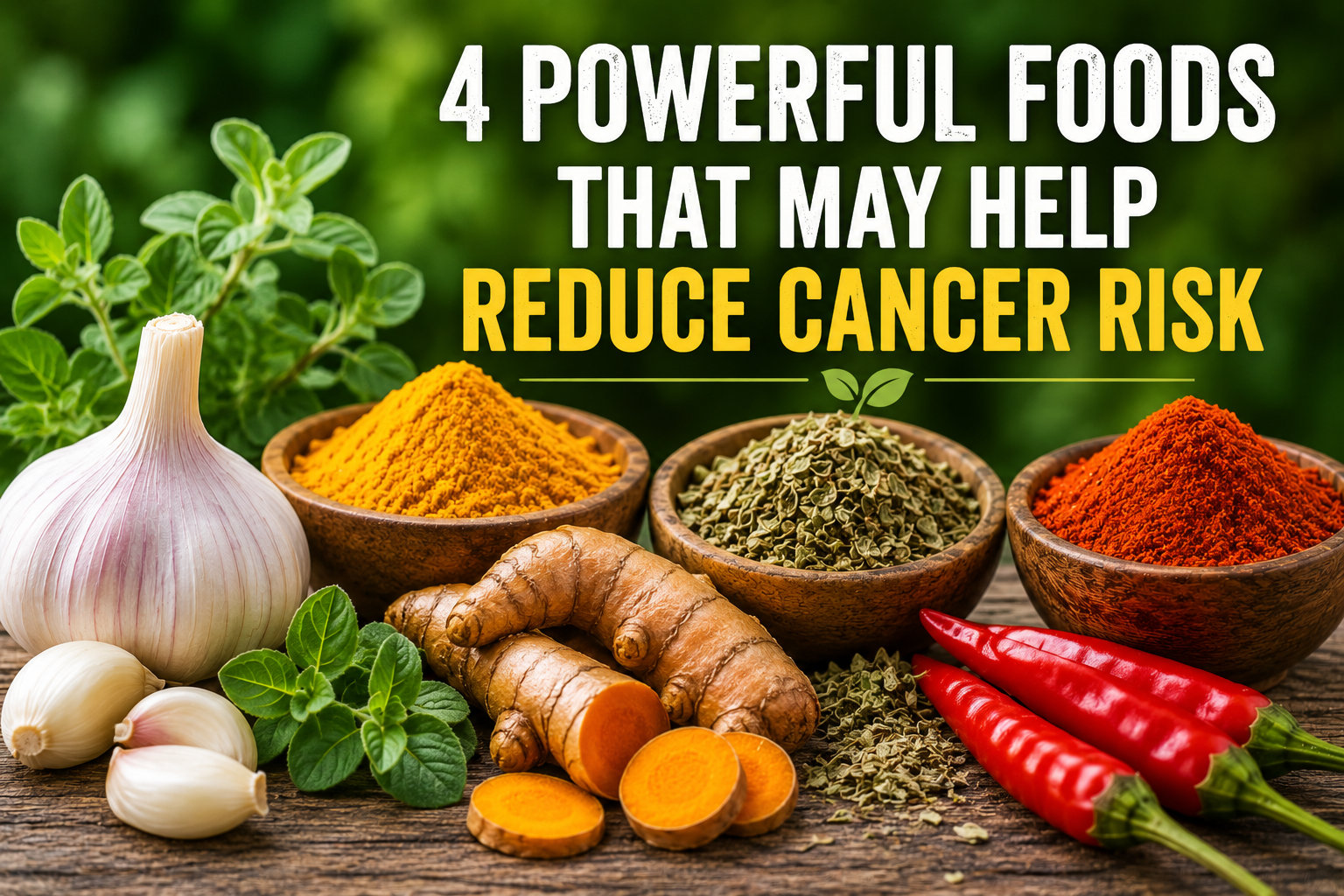
These four common kitchen ingredients provide antioxidants, phytochemicals, and anti-inflammatory compounds that may support healthy cellular function.
If there is one lesson that continues to emerge from both modern research and traditional healing systems, it is that food does far more than simply provide calories. Every meal delivers information to the body. Certain foods send signals that promote inflammation, oxidative stress, and metabolic dysfunction. Others provide compounds that help support healthy cellular function, balanced inflammation, and resilient immune defenses.
When it comes to reducing the risk of chronic disease, including cancer, there is no single superfood, supplement, or miracle cure. Cancer is a complex condition influenced by genetics, environment, lifestyle, toxic exposures, metabolic health, immune function, and many other factors. However, some foods contain powerful compounds that have been extensively studied for their potential protective effects.
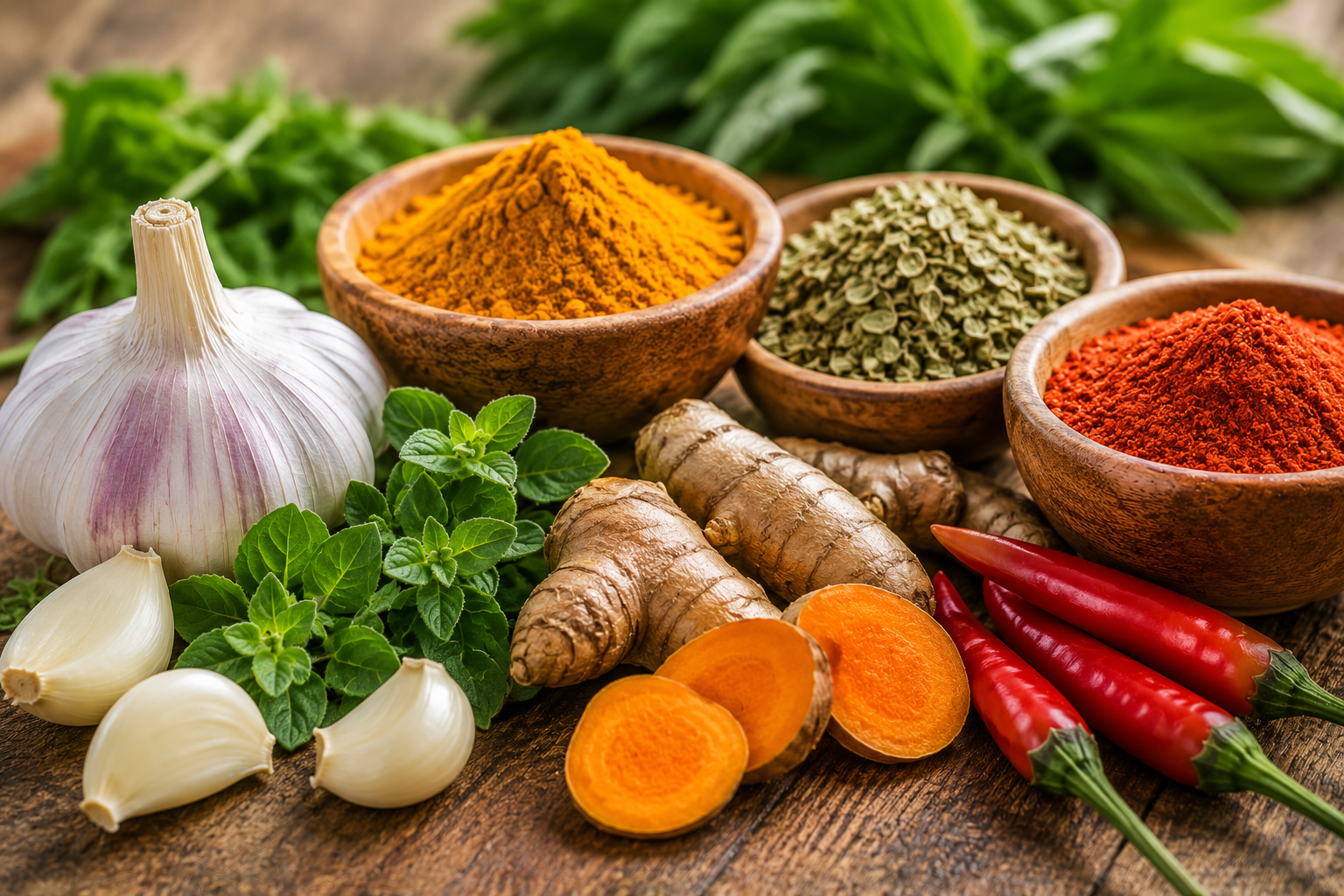
Four of the most impressive ingredients are garlic, turmeric, oregano, and cayenne pepper. These common kitchen staples have been used for centuries in traditional cultures and are now being investigated by researchers for their antioxidant, anti-inflammatory, and immune-supportive properties.
Garlic: Nature’s Sulfur-Rich Superfood
Garlic has earned a reputation as one of the most powerful medicinal foods on the planet. Rich in sulfur-containing compounds such as allicin, garlic has demonstrated antioxidant, antimicrobial, and immune-supportive effects in numerous studies.
Researchers have observed that populations with higher garlic consumption often experience lower rates of certain digestive cancers. While garlic should never be viewed as a cancer treatment, its ability to support detoxification pathways, reduce oxidative stress, and promote healthy immune function makes it a valuable addition to a health-focused diet.
One of the simplest ways to maximize garlic’s benefits is to crush or chop fresh garlic and allow it to sit for several minutes before eating or cooking. This helps activate many of the beneficial compounds responsible for its health effects.
Turmeric: The Golden Spice
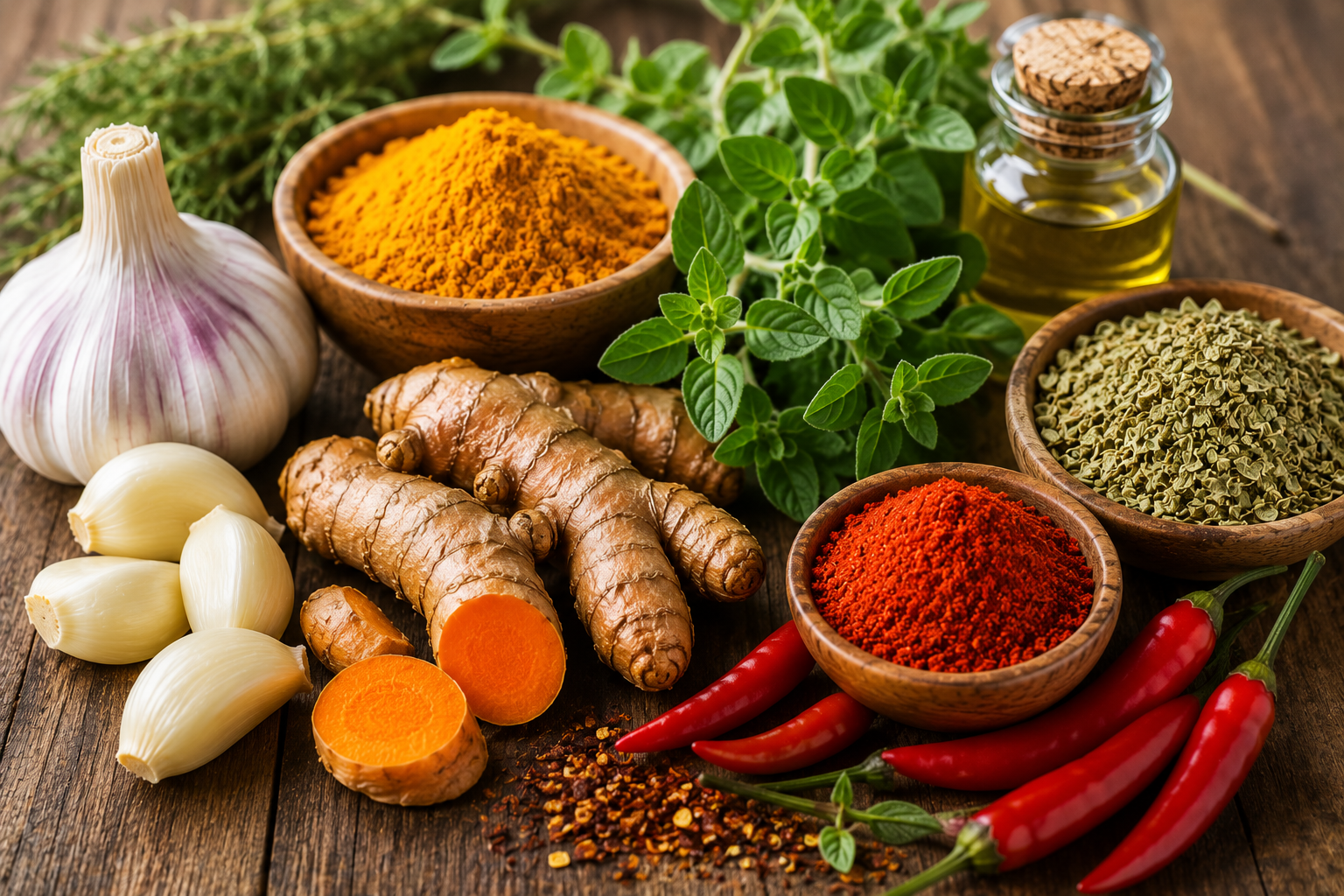
These common kitchen ingredients contain bioactive compounds that may help support healthy inflammation levels, immune function, and cellular health.
Turmeric has become one of the most studied spices in nutritional science. Its active compound, curcumin, has demonstrated remarkable anti-inflammatory and antioxidant properties in laboratory and animal studies.
Chronic inflammation is increasingly recognized as a common thread connecting many modern diseases, including cardiovascular disease, diabetes, neurodegenerative conditions, and certain cancers. By helping support healthy inflammatory balance, turmeric may contribute to a healthier internal environment.
One challenge with turmeric is absorption. Curcumin is not easily absorbed by the body when consumed alone. Combining turmeric with black pepper significantly improves absorption and allows the body to utilize more of its beneficial compounds.
In my practice, turmeric is one of the most frequently recommended foods and supplements because inflammation sits at the center of so many chronic health complaints.
Oregano: More Than a Pizza Topping
Most people think of oregano as a seasoning for Italian dishes, but this herb contains an impressive collection of biologically active compounds. Oregano is particularly rich in carvacrol, thymol, and rosmarinic acid, all of which possess antioxidant and anti-inflammatory properties.
Oxidative stress occurs when free radicals overwhelm the body’s natural defense systems. Over time, excessive oxidative stress may contribute to accelerated aging and increased risk of chronic disease. The antioxidant compounds found in oregano help support the body’s ability to neutralize these damaging molecules.
Oregano has also been studied for its antimicrobial properties, making it a popular herb within the functional medicine community for supporting a healthy balance of bacteria, yeast, and other microorganisms.
Cayenne Pepper: Turning Up the Heat
The compound responsible for cayenne pepper’s fiery kick is capsaicin. Researchers have been fascinated by capsaicin for decades because of its potential effects on inflammation, metabolism, circulation, and cellular health.
Laboratory studies have demonstrated that capsaicin can influence pathways involved in cell growth and programmed cell death. While much of this research is still preliminary and should not be overstated, it highlights the remarkable biological activity found in everyday foods.
Beyond its potential cellular benefits, cayenne pepper can be a useful tool for individuals looking to add flavor to meals while reducing reliance on processed sauces and flavor enhancers.
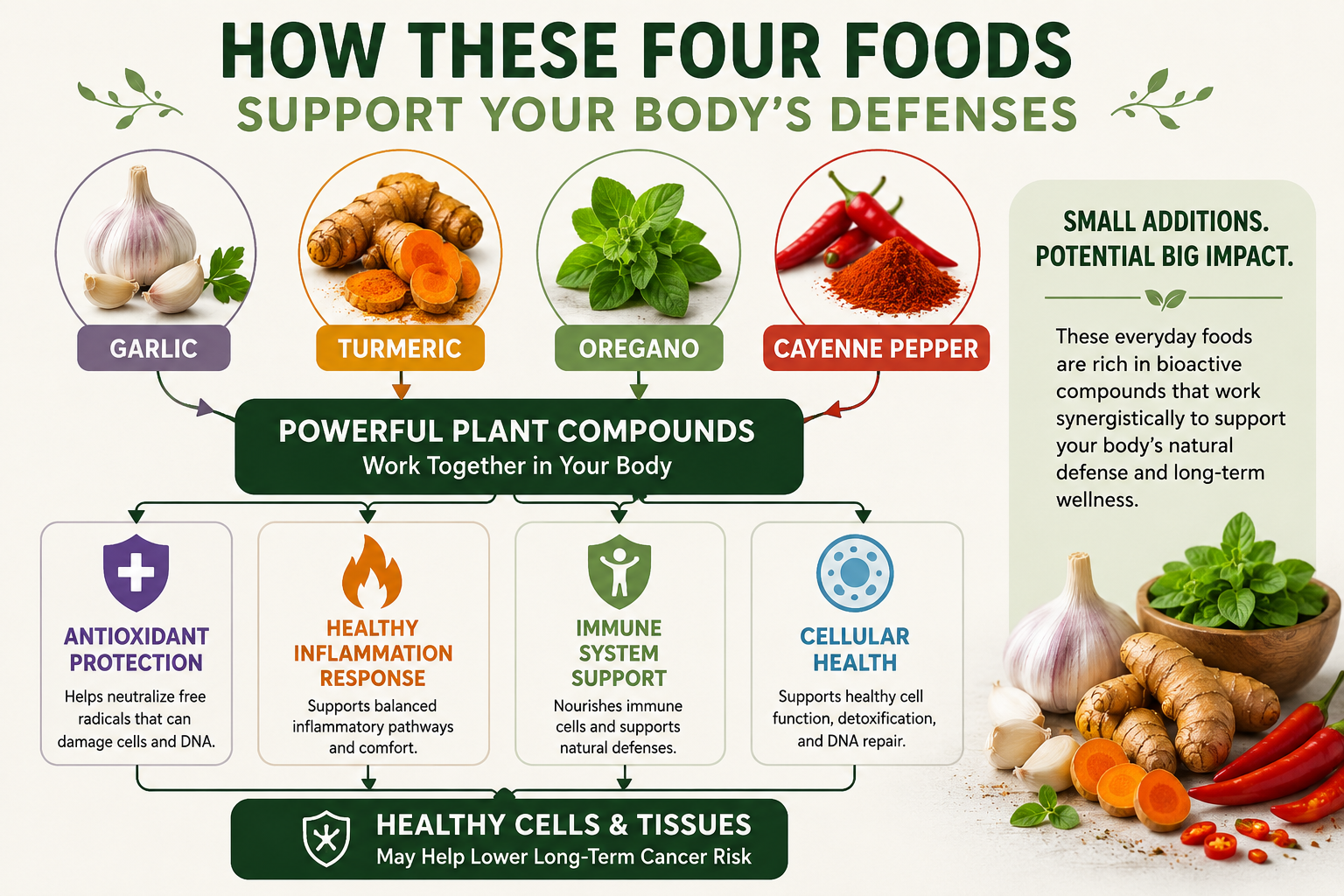
Garlic, turmeric, oregano, and cayenne pepper contain plant compounds that may work together to support antioxidant defenses, immune function, and long-term cellular health.
The Bigger Picture: Creating a Healthier Internal Environment
One of the biggest mistakes people make is looking for a single food, supplement, or herb that will prevent disease. Health rarely works that way.
The real power of garlic, turmeric, oregano, and cayenne pepper is not that they magically stop cancer. Their value lies in their ability to support the body’s natural systems. These foods help provide antioxidants, phytochemicals, and anti-inflammatory compounds that work alongside healthy lifestyle habits.
A diet rich in vegetables, fruits, herbs, spices, quality proteins, healthy fats, regular exercise, restorative sleep, stress management, and adequate vitamin D exposure creates an internal environment that is generally less favorable to chronic disease.
Think of these four ingredients as members of a larger team. On their own, they are helpful. Combined with an overall healthy lifestyle, they become part of a powerful long-term strategy for supporting wellness and resilience.
Simple Ways to Use These Four Ingredients Daily
Fortunately, incorporating these foods into your routine is easy. Fresh garlic can be added to vegetables, soups, sauces, and stir-fries. Turmeric works well in eggs, soups, smoothies, and herbal teas. Oregano can be sprinkled on vegetables, salads, and protein dishes. Cayenne pepper adds flavor and heat to soups, chili, dressings, and even lemon water for those who enjoy a little spice.
Small daily habits often create the greatest long-term results. While no food can guarantee protection from cancer, regularly consuming nutrient-dense herbs and spices may be one of the simplest ways to support your body’s natural defenses and improve overall health.
About Dr. Scott
Dr. Mark Scott has been helping patients improve their health through chiropractic care and functional medicine since 1997. As the founder of Total Health Center in Virginia Beach, he focuses on identifying and addressing the underlying causes of chronic health problems rather than simply managing symptoms.
Dr. Scott works with patients experiencing fatigue, digestive disorders, thyroid conditions, autoimmune diseases, metabolic dysfunction, chronic pain, and other complex health challenges. His approach combines advanced laboratory testing, nutrition, lifestyle medicine, and natural therapies to help patients achieve lasting improvements in health and quality of life.
If you would like to learn more about functional medicine or explore the root causes of your health concerns, contact Total Health Center to schedule a consultation.
References
- National Cancer Institute. Garlic and Cancer Prevention. Available at: https://www.cancer.gov
- Kunnumakkara AB, Bordoloi D, Padmavathi G, et al. Curcumin, the golden nutraceutical: multitargeting for multiple chronic diseases. British Journal of Pharmacology. 2017.
- Aggarwal BB, Harikumar KB. Potential therapeutic effects of curcumin. International Journal of Biochemistry & Cell Biology. 2009.
- Sharifi-Rad M, Varoni EM, Salehi B, et al. Plants of the genus Origanum and their biological activities. Molecules. 2017.
- Srinivasan K. Biological activities of red pepper (Capsicum annuum) and its pungent principle capsaicin. Critical Reviews in Food Science and Nutrition. 2016.
- World Cancer Research Fund. Diet, Nutrition, Physical Activity and Cancer Prevention. Available at: https://www.wcrf.org
- National Institutes of Health Office of Dietary Supplements. Turmeric Fact Sheet. Available at: https://ods.od.nih.gov
Frequently Asked Questions
Can garlic prevent cancer?
No single food can prevent cancer. However, garlic contains sulfur compounds and antioxidants that have been associated with lower rates of certain cancers in population studies and may support overall health.
Is turmeric effective against cancer?
Research suggests that curcumin, the active compound in turmeric, has anti-inflammatory and antioxidant properties that may support healthy cellular function. More human research is needed, and turmeric should not be considered a cancer treatment.
What is the best way to consume turmeric?
Turmeric is often best consumed with black pepper, which can significantly improve the absorption of curcumin. It can be added to foods, teas, smoothies, or taken as a supplement.
Are oregano and oregano oil the same thing?
No. Oregano is the herb commonly used in cooking, while oregano oil is a concentrated extract. Oregano oil is much more potent and should be used carefully and according to product directions.
Can cayenne pepper kill cancer cells?
Laboratory studies have shown that capsaicin, the active compound in cayenne pepper, may influence cancer cell behavior. However, these findings do not prove that consuming cayenne pepper will prevent or treat cancer in humans.
How often should I consume these foods?
Including garlic, turmeric, oregano, and cayenne pepper regularly as part of a nutrient-dense whole-food diet may help support overall health. Consistency is more important than consuming large amounts occasionally.
What is the most important dietary strategy for cancer prevention?
Current evidence suggests that maintaining a healthy weight, eating plenty of vegetables and fruits, limiting ultra-processed foods, staying physically active, getting adequate sleep, and avoiding tobacco are among the most important lifestyle factors associated with lower cancer risk.