
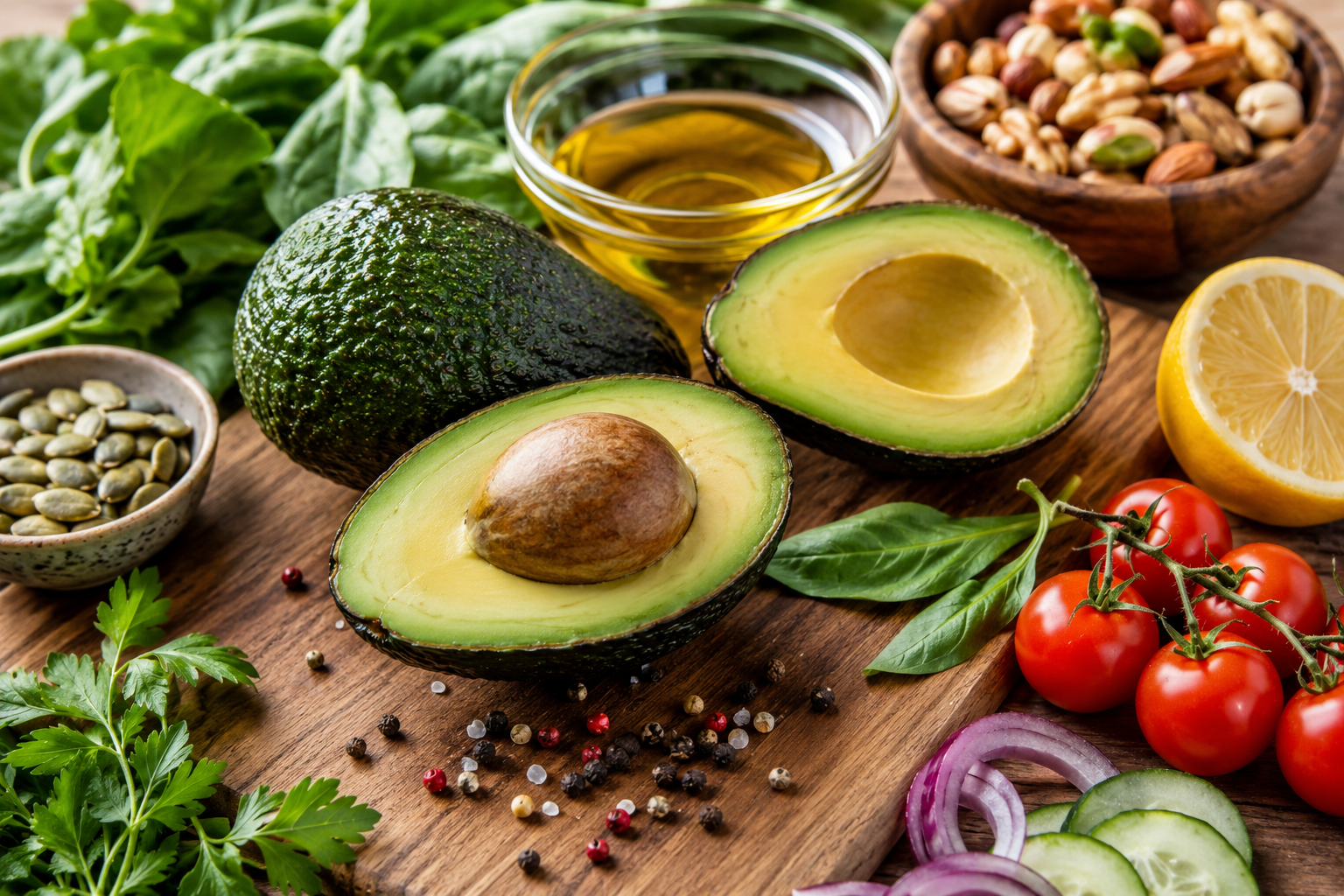
Avocados and Inflammation: Functional Medicine Benefits for Heart, Blood Sugar, and Gut Health
There was a time when people were taught to fear fat.
For decades, “low-fat” foods were promoted as the healthiest option, while healthy natural fats were blamed for weight gain, heart disease, and poor health. Unfortunately, many of those low-fat foods were loaded with sugar, processed carbohydrates, and inflammatory seed oils that may actually contribute to metabolic dysfunction and chronic disease.
Today, modern nutritional research is telling a very different story.
Functional medicine practitioners now recognize that healthy fats play a critical role in blood sugar balance, inflammation control, hormone production, brain function, and long-term metabolic health. One of the best examples of a nutrient-dense healthy fat source is the avocado.
Avocados are far more than a trendy food or guacamole ingredient. They contain a unique combination of monounsaturated fats, fiber, potassium, antioxidants, and anti-inflammatory compounds that may support everything from cardiovascular health to insulin sensitivity and gut health.
At Total Health Center Virginia Beach, we often discuss how nutrition can either promote inflammation or help calm it. Foods like avocados may be one of the simplest ways to support a healthier inflammatory response naturally.
Why Healthy Fats Matter More Than Calories
One of the biggest shifts in modern nutrition science is the realization that the quality of calories matters just as much — if not more — than the quantity.
Processed carbohydrates and ultra-processed foods may spike blood sugar and insulin levels rapidly, contributing to:
- increased hunger
- cravings
- energy crashes
- fat storage
- inflammation
- insulin resistance
Healthy fats work differently.
Foods rich in healthy monounsaturated fats, like avocados, tend to:
- slow digestion
- improve satiety
- stabilize blood sugar
- reduce cravings
- support hormone production
- provide long-lasting energy
This is one reason many people feel fuller longer after eating meals that include healthy fats.
From a functional medicine perspective, balancing blood sugar is one of the foundational strategies for improving fatigue, weight management, inflammation, and metabolic health. Poor sleep may also significantly affect insulin sensitivity and appetite regulation, which is why optimizing sleep is often part of a comprehensive metabolic health strategy.
Related article:
Sleep and Insulin: The Overlooked Key to Weight Loss and Metabolic Health
Avocados and Inflammation
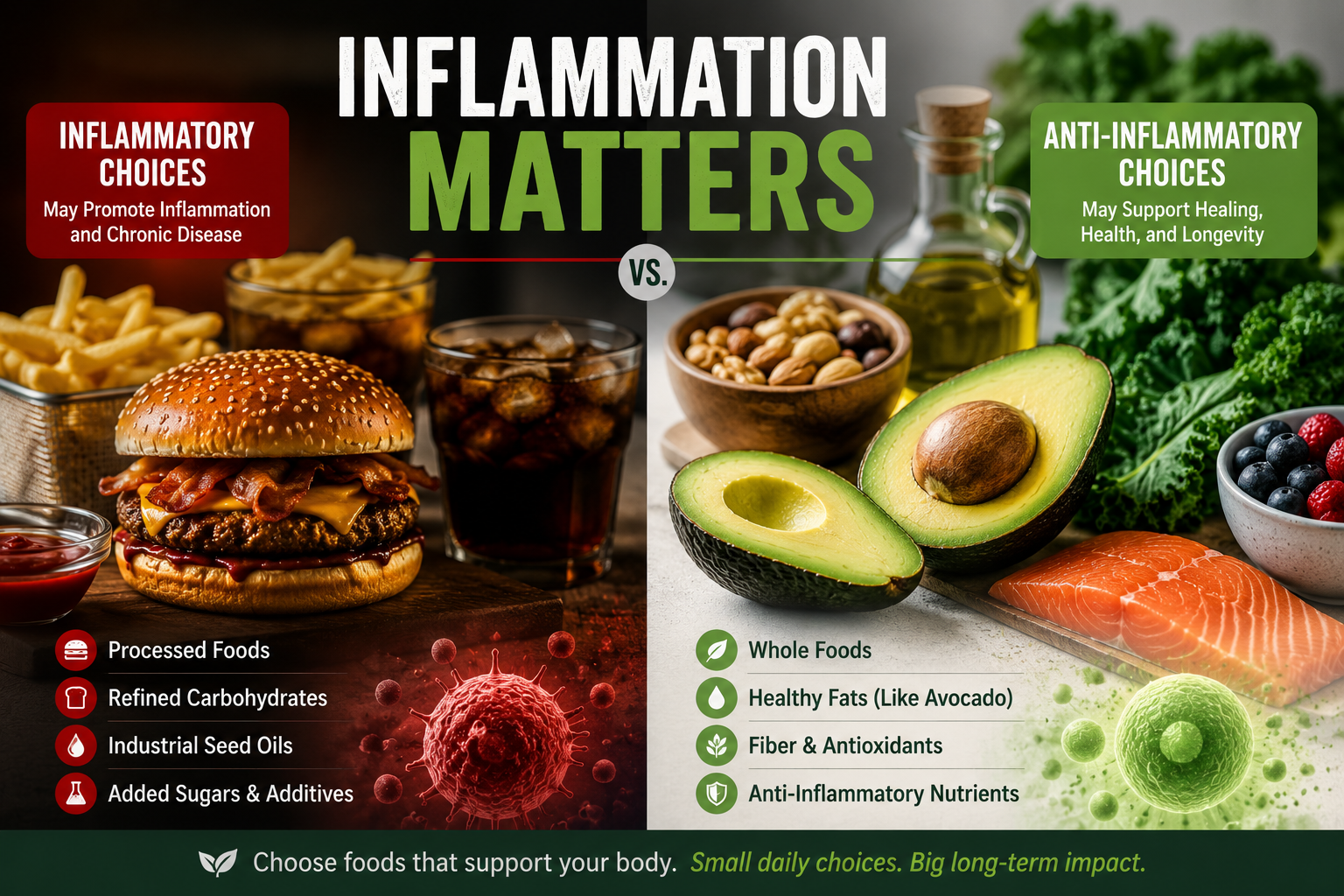
Whole-food fats like avocados differ significantly from ultra-processed industrial seed oils and inflammatory processed foods.
Chronic inflammation is now believed to play a role in many modern health conditions, including:
- cardiovascular disease
- diabetes
- obesity
- autoimmune conditions
- arthritis
- neurodegenerative disease
One fascinating study discussed in the original avocado article found that adding avocado to a hamburger meal appeared to reduce inflammatory effects associated with the meal.
Researchers observed lower levels of Interleukin-6 (IL-6), an inflammatory marker, in participants who consumed avocado alongside the meal. The avocado group also showed less reduction in blood flow after eating.
This is important because chronic low-grade inflammation and vascular dysfunction are strongly associated with long-term cardiovascular risk.
While no single food is a miracle cure, regularly choosing anti-inflammatory whole foods instead of processed foods may have a profound cumulative effect over time.
Avocados contain:
- monounsaturated fats
- carotenoids
- polyphenols
- fiber
- antioxidants
- vitamin E
These nutrients may help support a healthier inflammatory response throughout the body.
Many modern processed foods contain industrial seed oils that may contribute to inflammatory stress when consumed excessively. Understanding the difference between healthy whole-food fats and highly processed fats is an important part of functional medicine nutrition.
Related article:
The Fat Lie: Seed Oils, Inflammation, and the Truth About Healthy Fats
Blood Sugar and Metabolic Health Benefits
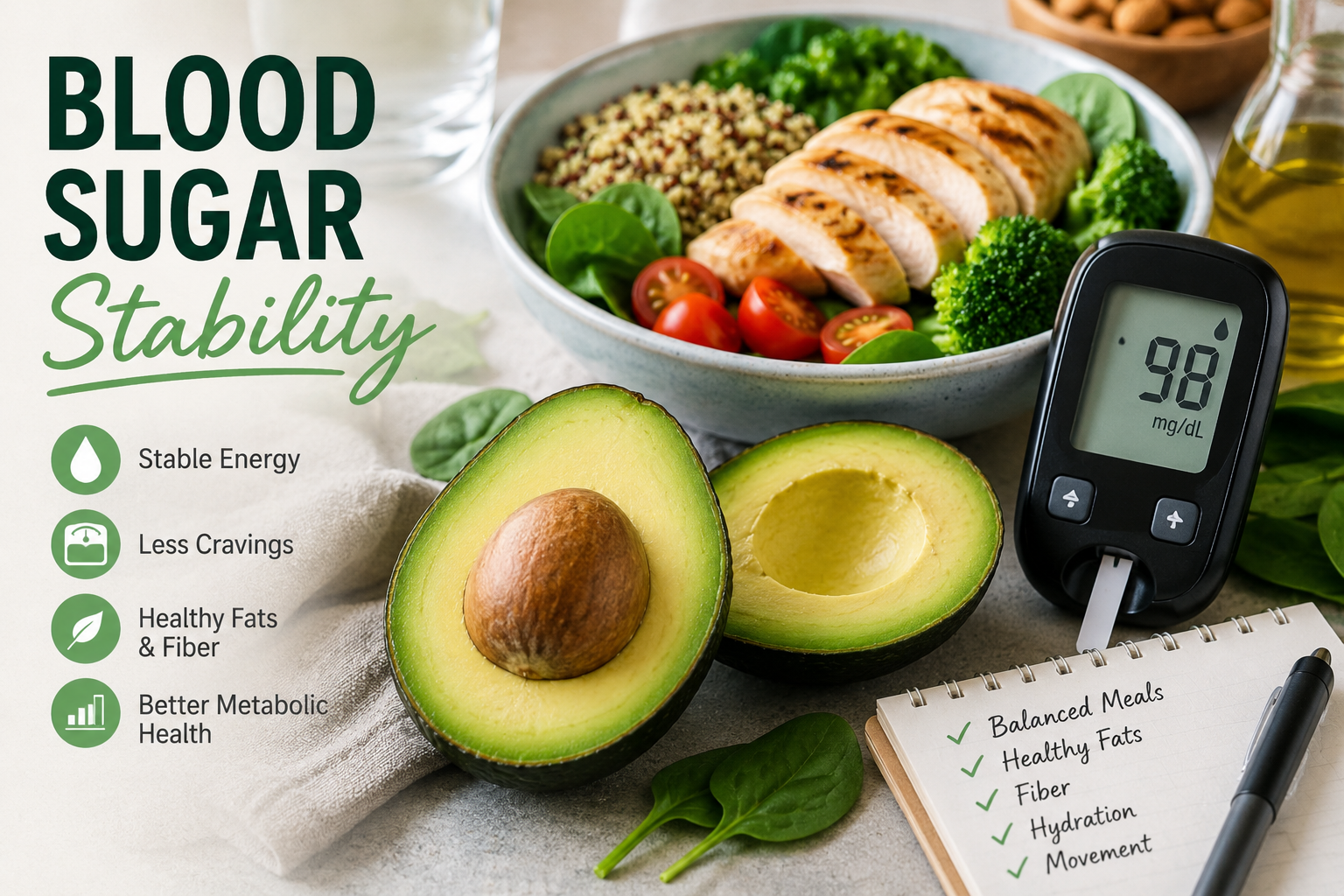
Healthy fats and fiber may help support more stable blood sugar levels, improved satiety, and better metabolic health.
One of the most overlooked benefits of avocados is their impact on blood sugar regulation and metabolic health.
Unlike highly processed carbohydrate foods, avocados are:
- low in sugar
- high in fiber
- rich in healthy fats
This combination may help reduce rapid blood sugar spikes after meals.
Stable blood sugar matters because repeated glucose and insulin spikes may contribute to:
- insulin resistance
- weight gain
- fatigue
- cravings
- increased hunger
- inflammation
Many people are surprised to learn that healthy fats may actually support weight management by improving satiety and helping reduce overeating.
From a functional medicine perspective, improving metabolic flexibility — the body’s ability to efficiently burn fat and maintain stable energy — is often a key part of long-term wellness strategies.
Related article:
Collagen, Insulin Resistance, and the 15g Difference
Potassium, Blood Pressure, and Stress Physiology
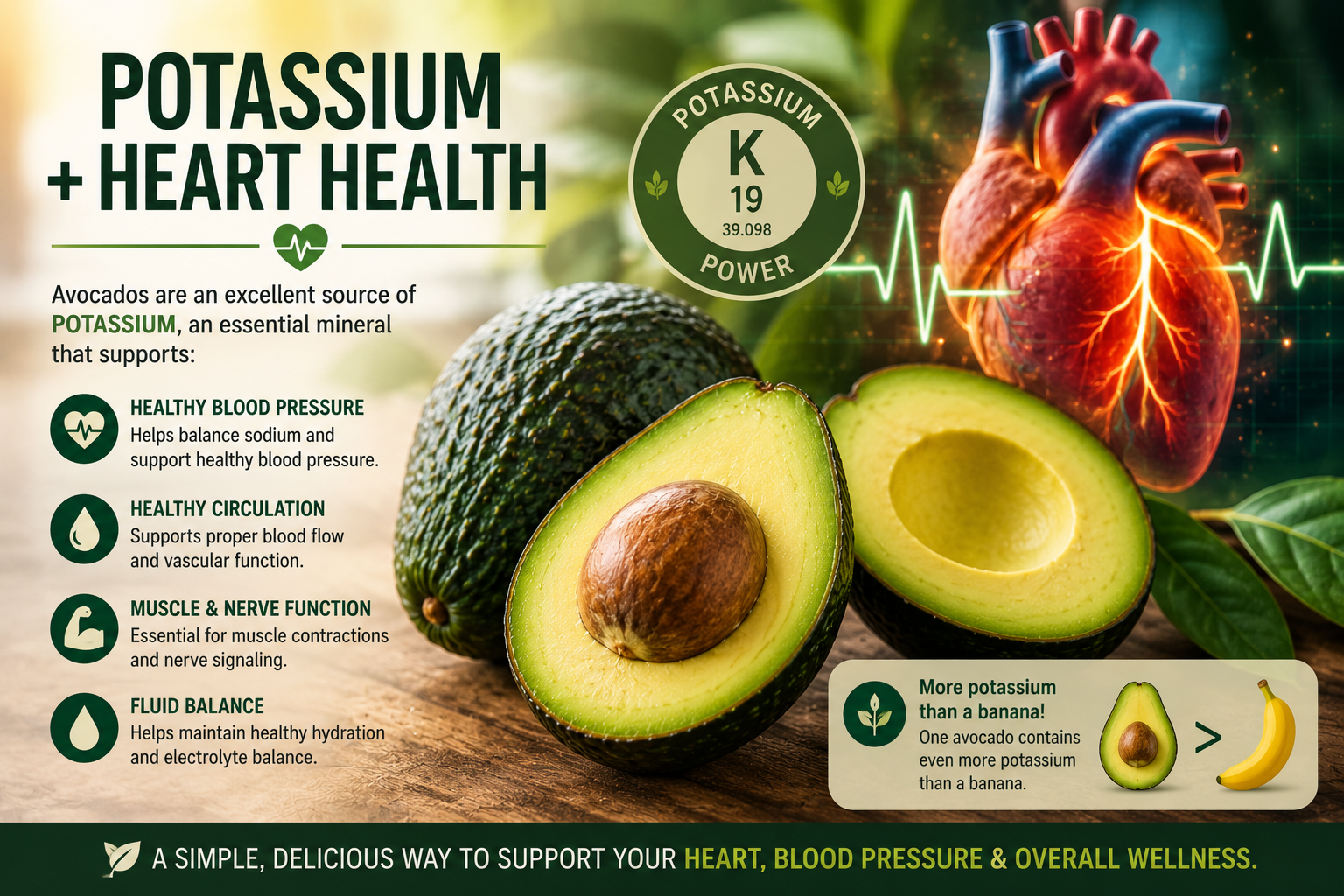
Avocados are rich in potassium, an important mineral involved in cardiovascular health, fluid balance, and healthy blood pressure support.
Most people associate bananas with potassium, but avocados actually contain even more potassium than bananas.
Potassium is an essential mineral involved in:
- fluid balance
- muscle function
- nerve signaling
- cardiovascular health
- blood pressure regulation
Modern diets tend to be extremely high in sodium from processed foods while being relatively low in potassium-rich whole foods. This imbalance may contribute to:
- elevated blood pressure
- water retention
- fatigue
- stress on the cardiovascular system
Functional medicine often focuses on restoring mineral balance through whole-food nutrition rather than relying entirely on supplementation.
Avocados can be an excellent addition to a nutrient-dense diet that supports healthy electrolyte balance naturally.
Avocados May Improve Nutrient Absorption
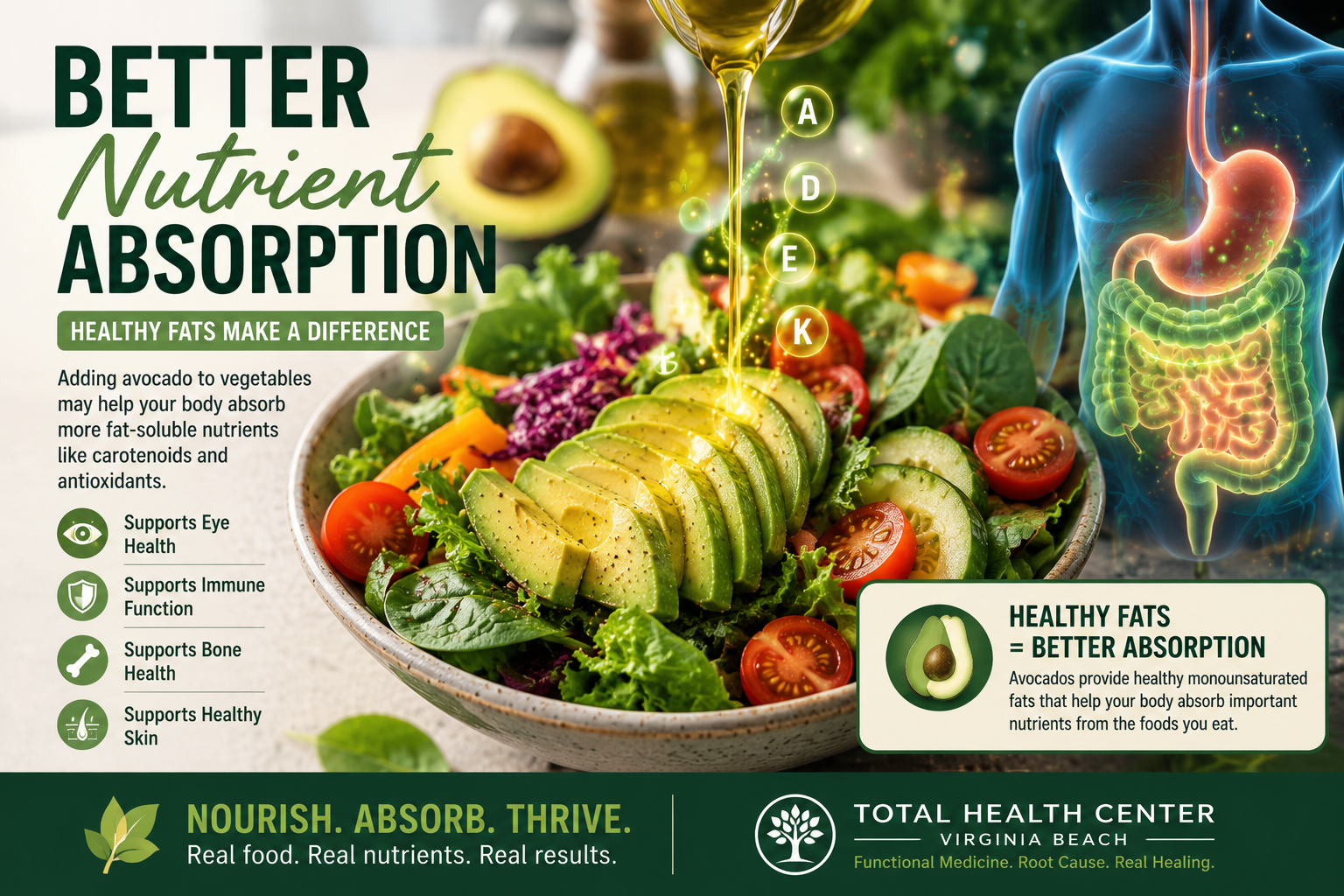
Healthy fats may help improve absorption of fat-soluble nutrients and support better digestive and metabolic function.
Healthy fats do more than provide energy — they also help your body absorb important nutrients.
Research has shown that adding avocado to meals may significantly increase absorption of carotenoids and other fat-soluble nutrients from vegetables.
This is important because many beneficial nutrients require dietary fat for proper absorption, including:
- vitamin A
- vitamin D
- vitamin E
- vitamin K
- carotenoids
- lutein
In practical terms, adding avocado to a salad may actually help your body utilize more of the nutrients already present in the vegetables.
This is one reason functional medicine practitioners often emphasize whole-food combinations rather than viewing nutrients in isolation.
Gut health and digestion also play an important role in nutrient absorption and inflammatory balance. Supporting digestive function may help improve how effectively the body utilizes nutrients from food.
Explore more functional medicine nutrition content at:
Total Health Center Virginia Beach Blog
Healthy Fats vs Processed Seed Oils
Not all fats are created equal.
One of the biggest nutritional problems in the modern diet is the excessive intake of ultra-processed industrial seed oils found in:
- fast food
- fried foods
- processed snacks
- commercial salad dressings
- packaged convenience foods
These oils are often highly processed and heavily consumed in amounts far beyond what humans historically ate.
By contrast, whole-food fat sources like avocados provide naturally occurring fats alongside:
- fiber
- antioxidants
- vitamins
- minerals
- phytonutrients
This is a major distinction.
Functional medicine focuses heavily on reducing inflammatory processed foods while increasing nutrient-dense whole foods that support cellular health and metabolic function.
Simple Ways to Add More Avocados to Your Diet
Avocados are versatile and easy to include in meals.
Simple ideas include:
- sliced on salads
- blended into smoothies
- added to eggs
- guacamole with vegetables
- avocado bowls with protein and greens
- mashed onto sourdough or grain-free toast
- added to wraps or lettuce wraps
They can also replace less healthy processed spreads and oils in many meals.
The goal is not perfection — it is consistency and improving overall dietary quality over time.
Functional Medicine Nutrition at Total Health Center

Functional medicine focuses on addressing inflammation, metabolism, digestion, and long-term wellness through personalized nutrition and lifestyle strategies.
At Total Health Center Virginia Beach, our goal is to help patients understand how nutrition, inflammation, metabolism, gut health, and lifestyle factors interact to influence long-term wellness.
Functional medicine takes a root-cause approach by looking at:
- blood sugar regulation
- inflammation
- digestive health
- nutrient deficiencies
- stress physiology
- metabolic function
Learn more about our functional medicine approach here:
Functional Medicine at Total Health Center
Small daily choices — including the foods we eat — may have a significant impact on energy, inflammation, cardiovascular health, and overall quality of life over time.
If you are looking for a more personalized functional medicine approach to your health concerns, our team may be able to help.
Frequently Asked Questions
Are avocados inflammatory?
No. Avocados are generally considered anti-inflammatory due to their healthy monounsaturated fats, antioxidants, fiber, and phytonutrient content.
Are avocados good for blood sugar?
Avocados are low in sugar and high in healthy fats and fiber, which may help support more stable blood sugar levels and improve satiety.
Are avocados healthy fats?
Yes. Avocados are rich in monounsaturated fats, which are generally considered beneficial for cardiovascular and metabolic health.
Can avocados help with weight management?
Because avocados may improve fullness and satiety, they can potentially help reduce overeating and support healthier eating patterns.
Are avocados good for heart health?
Research suggests avocados may help support healthy cholesterol levels, vascular function, and inflammatory balance when included as part of a healthy diet.
How often can you eat avocados?
Many people can safely enjoy avocados regularly as part of a balanced whole-food diet, although individual nutritional needs may vary.
References
- Wang L, et al. Effects of avocado consumption on inflammatory and vascular markers. Journal of Nutrition Research, 2012.
- Hass Avocado Board research summary. Referenced in uploaded source article.
- Unlu NZ, et al. Carotenoid absorption from salad and avocado consumption. Journal of Nutrition, 2005.
- Dreher ML, Davenport AJ. Hass avocado composition and potential health effects. Critical Reviews in Food Science and Nutrition.
- Original source article: “The Many Health Benefits of Avocado” by Joseph Mercola