The Truth About Olive Oil and Functional Medicine
For years, fat was unfairly blamed as the cause of heart disease, inflammation, and weight gain. But modern research continues to show that not all fats are created equal.
In fact, one traditional food consistently stands out in the research for supporting heart health, brain function, inflammation balance, metabolic health, and healthy aging:
Extra virgin olive oil.
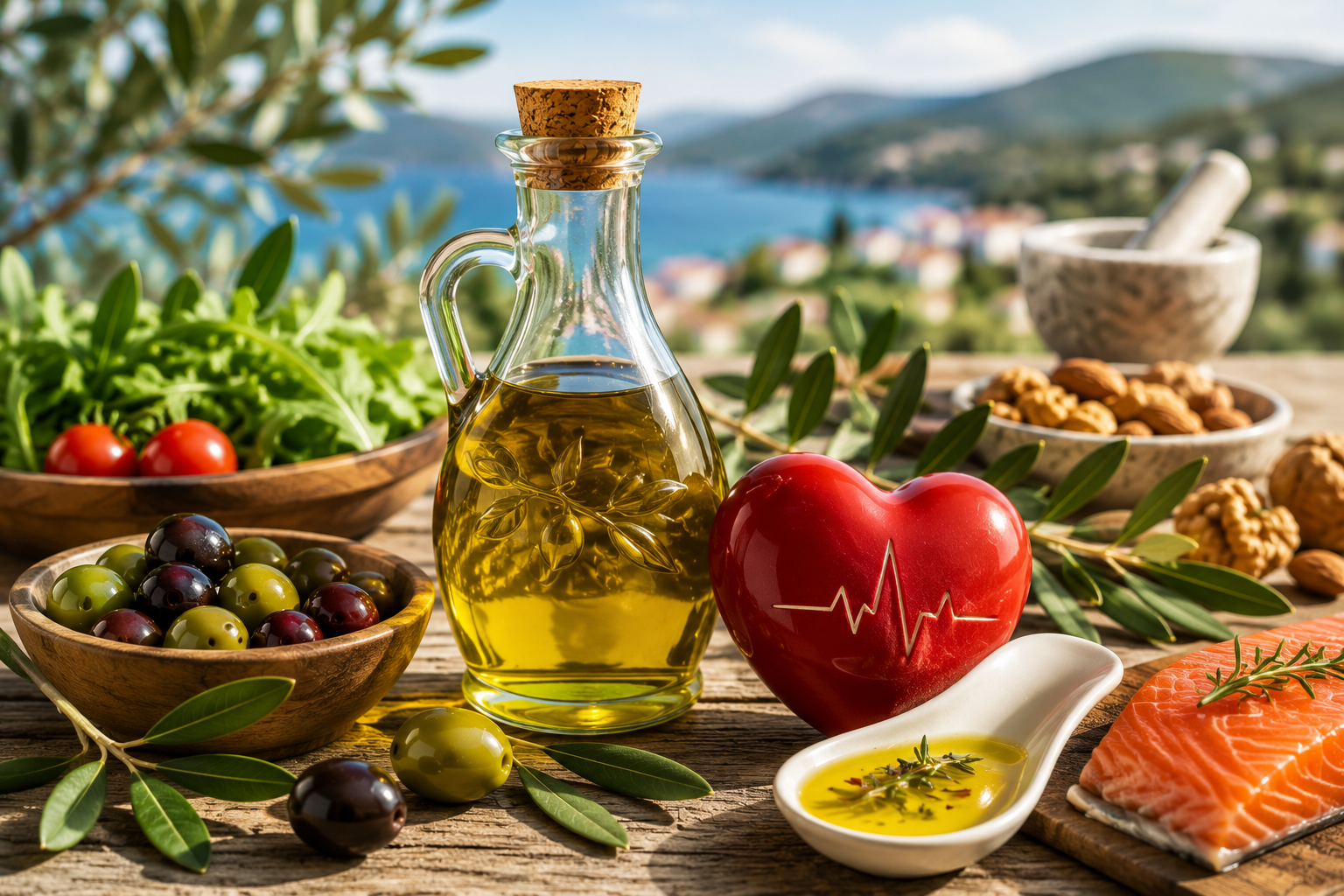
In functional medicine, we often look at food not just as calories, but as information for the body. Extra virgin olive oil contains powerful compounds that appear to influence inflammation pathways, oxidative stress, blood vessel health, gut bacteria, and even gene expression.
The quality of the olive oil matters tremendously. Highly processed oils lose many of their beneficial compounds. True extra virgin olive oil retains naturally occurring plant chemicals called polyphenols that are believed to drive many of its health benefits.
Research published in the New England Journal of Medicine found that Mediterranean dietary patterns rich in olive oil were associated with improved cardiovascular outcomes:
https://www.nejm.org/doi/full/10.1056/NEJMoa1200303
What Makes Extra Virgin Olive Oil So Unique?
Extra virgin olive oil is rich in bioactive compounds known as polyphenols.
These compounds act as antioxidants and may help regulate inflammatory processes inside the body.
Some of the most researched olive oil compounds include:
- Hydroxytyrosol
- Oleuropein
- Tyrosol
- Luteolin
- Apigenin
- Quercetin
- Caffeic acid
These compounds have been studied for their potential ability to help protect cells from oxidative stress and support healthy inflammatory balance.
This is one reason why olive oil is considered one of the foundational foods of the Mediterranean diet.
Harvard Medical School has also discussed the health benefits associated with Mediterranean-style eating patterns:
https://www.hsph.harvard.edu/nutritionsource/healthy-weight/diet-reviews/mediterranean-diet/
Olive Oil and Inflammation
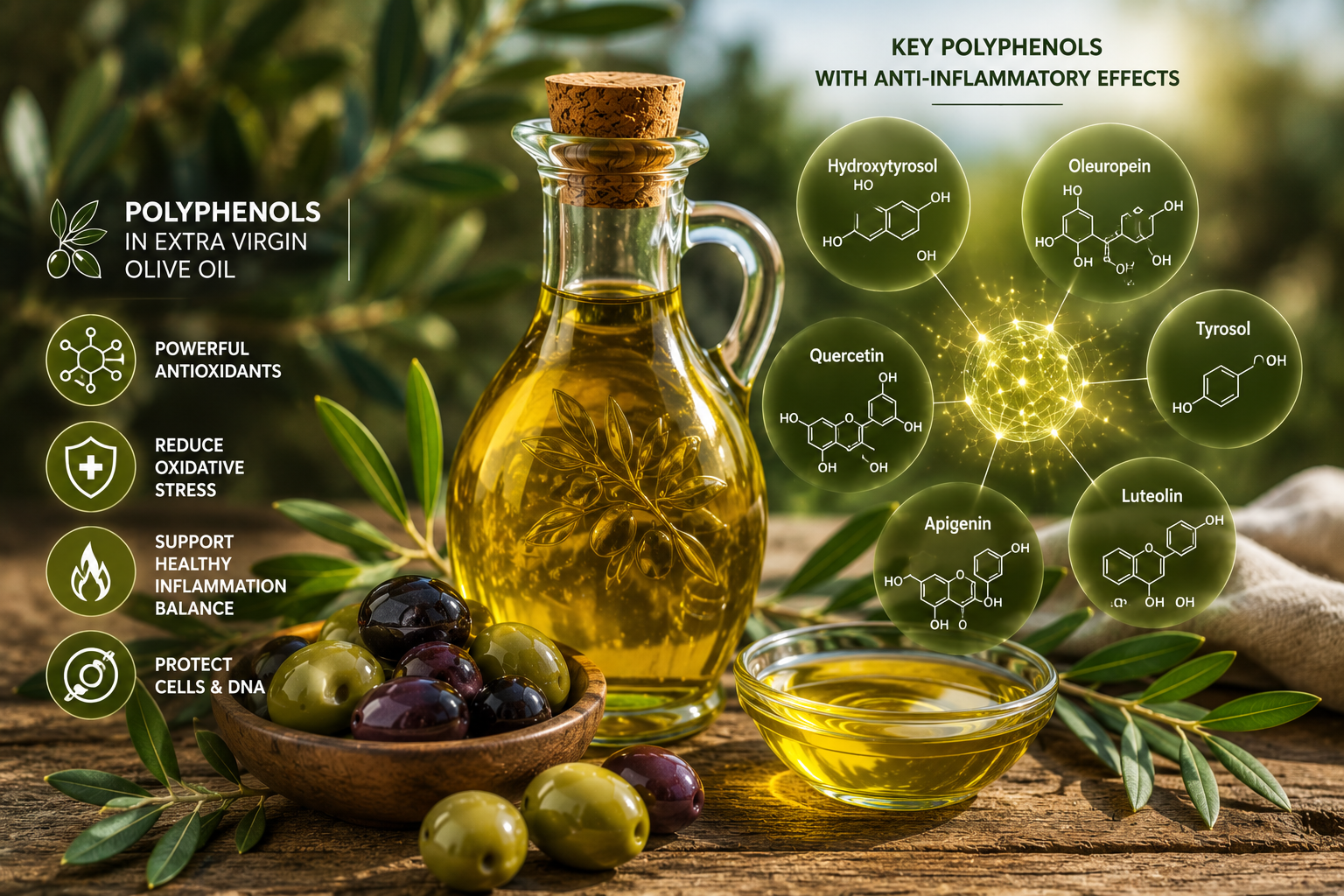
Olive oil contains powerful polyphenols that may help reduce oxidative stress and support healthy inflammatory balance.
One of the most impressive areas of olive oil research involves inflammation.
Chronic low-grade inflammation has been associated with many modern health problems including:
- Cardiovascular disease
- Insulin resistance
- Autoimmune conditions
- Neurodegeneration
- Digestive disorders
- Accelerated aging
Research suggests that the polyphenols in extra virgin olive oil may help influence several inflammatory pathways in the body.
Some studies show olive oil compounds may help:
- Reduce inflammatory signaling molecules
- Support healthy blood vessel function
- Lower oxidative stress
- Reduce inflammatory enzyme activity
Even relatively small amounts — around 1–2 tablespoons daily — have been associated with measurable benefits in some studies.
Additional olive oil polyphenol research:
https://www.ncbi.nlm.nih.gov/pmc/articles/PMC5877547/
Olive Oil and Heart Health
For decades, olive oil has been associated with cardiovascular support.
One reason may involve its high concentration of monounsaturated fat, particularly oleic acid.
Unlike many processed seed oils, olive oil appears to support a healthier balance of cholesterol and may help reduce oxidation of LDL particles.
Why does that matter?
Oxidized LDL is believed to play a major role in plaque formation and blood vessel damage.
Olive oil polyphenols may also help:
- Support healthy blood pressure
- Improve endothelial function
- Reduce platelet aggregation
- Protect blood vessels from oxidative stress
From a functional medicine perspective, reducing oxidative stress and improving vascular health are major strategies for long-term wellness and healthy aging.
If you are interested in reducing inflammation naturally, you may also enjoy our article on collagen and metabolic health:
https://totalhealthcentervb.com/collagen-insulin-resistance-15g-benefits/
Olive Oil and Gut Health
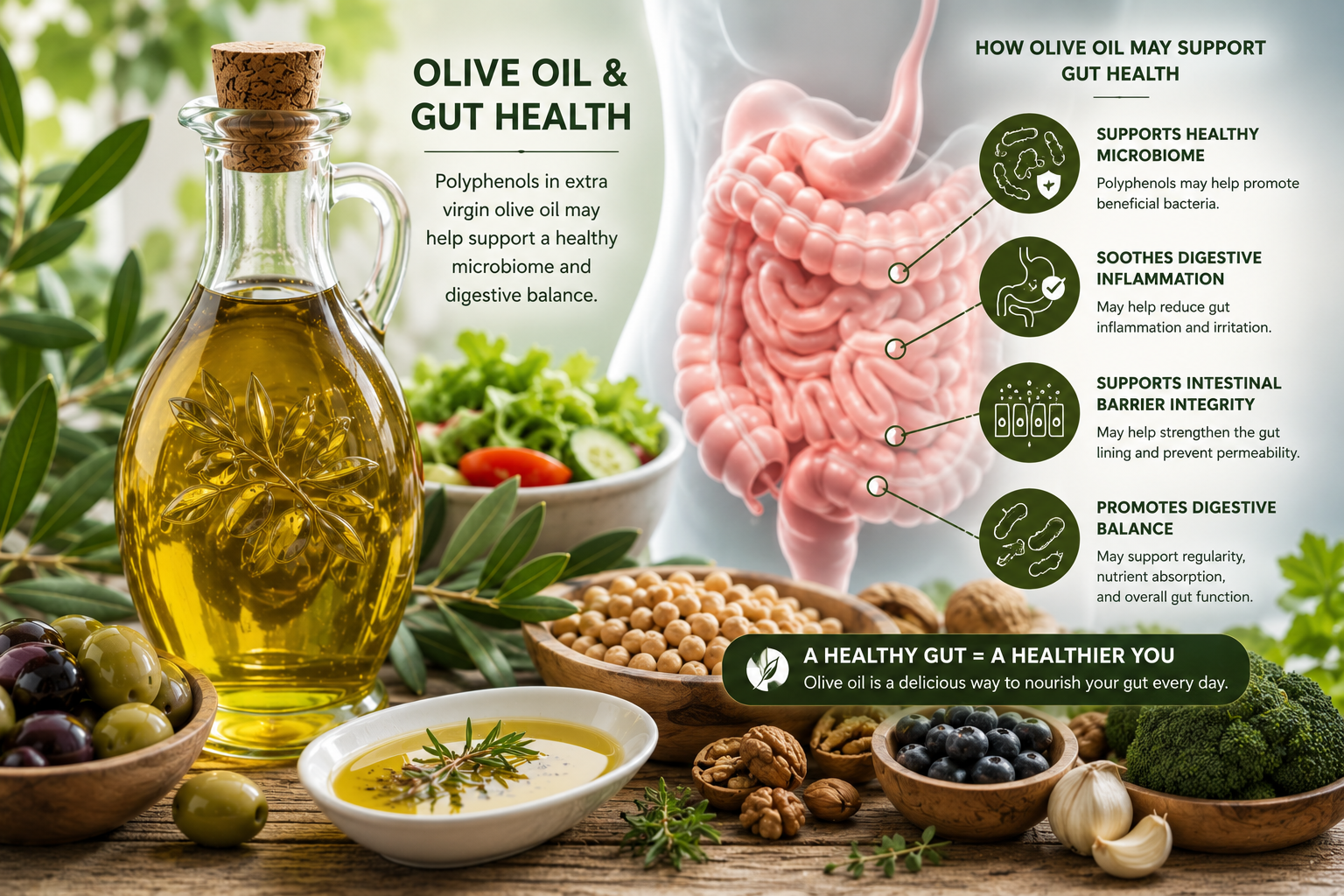
Emerging research suggests extra virgin olive oil may help support gut health, microbiome balance, and digestive wellness.
Emerging research suggests olive oil may also support the microbiome.
Certain olive oil polyphenols appear to help inhibit undesirable bacteria while potentially supporting a healthier gut environment.
Some studies have examined olive oil’s effects on:
- Digestive inflammation
- Stomach health
- Helicobacter pylori balance
- Gut barrier integrity
This is especially important because chronic digestive dysfunction and microbiome imbalance are often linked with systemic inflammation and immune dysregulation.
If you struggle with bloating, digestive issues, or chronic inflammation, improving dietary fat quality may be an important piece of the puzzle.
You may also enjoy reading:
Leaky Gut and Weight Loss:
https://totalhealthcentervb.com/leaky-gut-and-weight-loss/
Sleep and Insulin Resistance:
https://totalhealthcentervb.com/sleep-and-insulin-the-overlooked-key-to-weight-loss-and-metabolic-health/
Brain and Cognitive Health Benefits
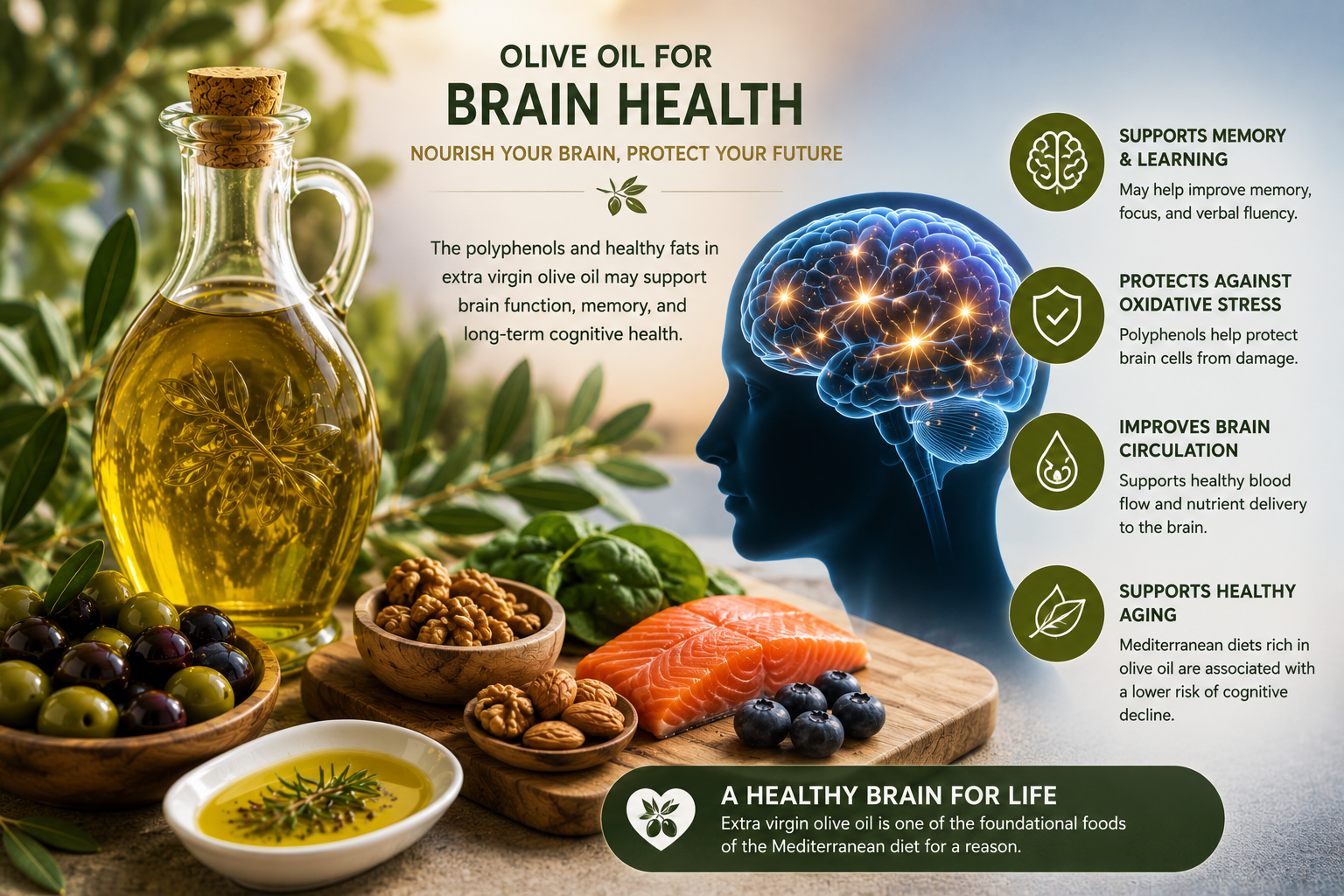
Mediterranean dietary patterns rich in olive oil have been associated with cognitive support and healthy aging benefits.
Researchers have also explored olive oil’s possible role in cognitive function and healthy aging.
Some studies suggest higher olive oil intake may support:
- Memory
- Verbal fluency
- Brain circulation
- Protection against oxidative stress in brain tissue
The brain is highly vulnerable to inflammation and oxidative damage because of its high fat content and energy demands.
This may help explain why traditional Mediterranean dietary patterns are often associated with healthier aging and cognitive resilience.
Olive Oil and Cancer Research
Researchers have investigated olive oil’s potential role in supporting healthy cell function and reducing oxidative stress.
Polyphenols found in olive oil may help protect DNA from oxidative damage and influence inflammatory pathways associated with cellular stress.
Some studies have explored associations between olive oil intake and reduced risk of certain cancers including:
- Breast cancer
- Digestive tract cancers
- Colorectal cancers
While olive oil is not a treatment for cancer, incorporating anti-inflammatory whole foods into the diet may be an important long-term wellness strategy.
NIH review article:
https://pubmed.ncbi.nlm.nih.gov/33744034/
Not All Olive Oils Are Equal
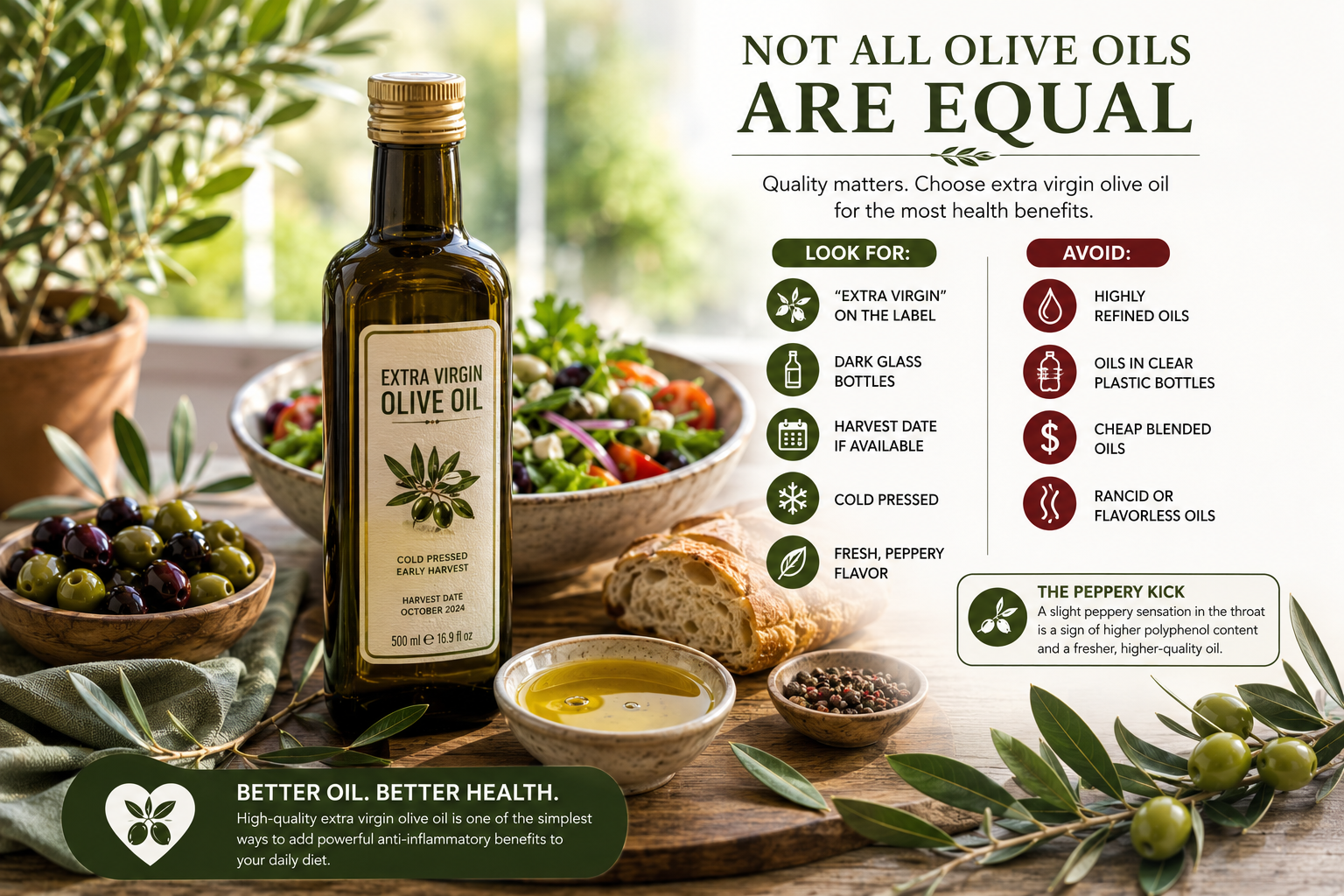
Not all olive oils are equal. Cold-pressed extra virgin olive oil in dark glass bottles may retain higher levels of beneficial polyphenols and antioxidants.
This is critical.
Many commercial olive oils are heavily processed, diluted, oxidized, or improperly stored.
For the greatest potential benefit:
Look for:
- “Extra Virgin” on the label
- Dark glass bottles
- Harvest dates if available
- Cold-pressed oils
- Fresh, peppery flavor
Avoid:
- Highly refined oils
- Oils in clear plastic bottles
- Cheap blended oils
- Rancid or flavorless oils
A peppery sensation in the throat is often a sign of higher polyphenol content.
Functional Medicine Perspective on Olive Oil
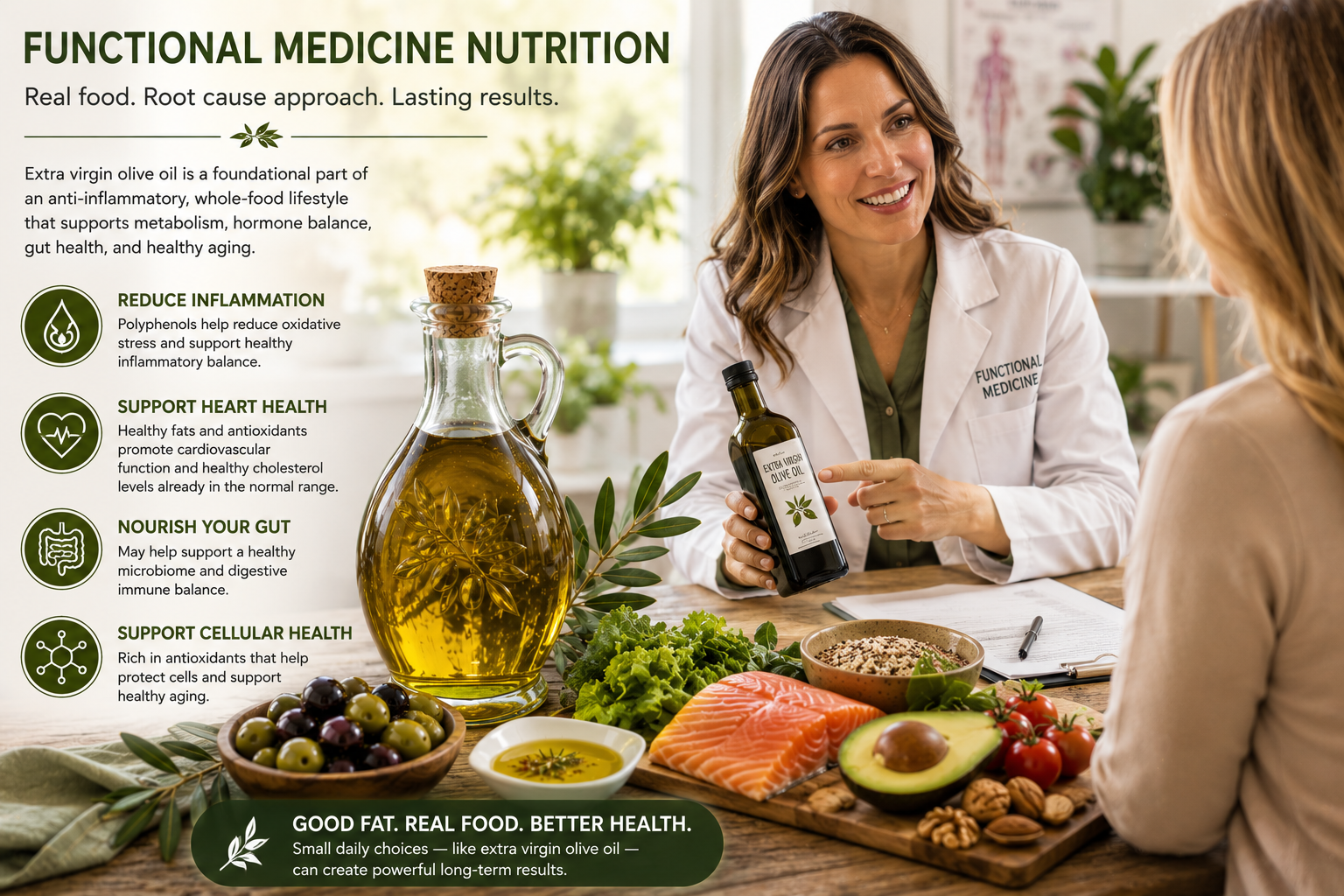
Functional medicine focuses on anti inflammatory nutrition strategies that support metabolism, gut health, cardiovascular wellness, and healthy aging.
In functional medicine, we focus heavily on reducing chronic inflammation and supporting cellular health.
Extra virgin olive oil fits naturally into this approach because it may help support:
- Cardiovascular function
- Healthy inflammatory balance
- Brain health
- Gut health
- Oxidative stress reduction
- Healthy aging
Small daily dietary changes can create major long-term effects over time.
Replacing processed oils with high-quality extra virgin olive oil may be one of the simplest nutrition upgrades many people can make.
Learn more about our functional medicine approach here:
https://totalhealthcentervb.com/functional-medicine/
Final Thoughts
Food is not just fuel.
Food communicates with your hormones, immune system, metabolism, microbiome, and even your genes.
Extra virgin olive oil is far more than a cooking oil. Research suggests it may function as a powerful anti-inflammatory functional food that supports multiple systems throughout the body.
At Total Health Center, we often help patients identify hidden inflammatory triggers while building sustainable nutrition strategies that support long-term health.
If you are struggling with inflammation, digestive issues, fatigue, metabolic dysfunction, or chronic health concerns, a personalized functional medicine approach may help uncover deeper root causes.
Learn more about Total Health Center:
https://totalhealthcentervb.com/
Frequently Asked Questions
Is extra virgin olive oil healthier than regular olive oil?
Extra virgin olive oil is generally considered healthier because it undergoes less processing and retains more beneficial polyphenols and antioxidants.
How much olive oil should you consume daily?
Many Mediterranean diet studies use approximately 1–2 tablespoons daily as part of a balanced diet.
Can olive oil help reduce inflammation?
Research suggests the polyphenols in extra virgin olive oil may help support healthy inflammatory balance and reduce oxidative stress.
Is olive oil good for heart health?
Extra virgin olive oil has been associated with cardiovascular benefits including healthier cholesterol balance, blood vessel support, and antioxidant protection.
What is the healthiest type of olive oil?
Cold-pressed extra virgin olive oil stored in dark glass bottles is generally considered the best option.
References
- Estruch R, et al. Primary Prevention of Cardiovascular Disease with a Mediterranean Diet. N Engl J Med. 2013.
- Covas MI. Olive oil and the cardiovascular system. Pharmacol Res. 2007.
- Servili M, et al. Health and sensory properties of virgin olive oil hydrophilic phenols. Int J Mol Sci. 2014.
- Schwingshackl L, Hoffmann G. Monounsaturated fatty acids and risk of cardiovascular disease. Nutrients. 2012.
- Psaltopoulou T, et al. Mediterranean diet and cognitive function. Epidemiology. 2013.