

Vitamin D Deficiency: More Than Just Bone Health
By Total Health Center Virginia Beach
Vitamin D deficiency has quietly become one of the most common nutritional deficiencies in modern society. While many people associate vitamin D only with bone health, research now shows that vitamin D plays a critical role in immune function, hormone balance, inflammation control, mood, metabolism, cardiovascular health, and even cancer prevention.
In functional medicine, low vitamin D is often one of the first laboratory findings we investigate in patients struggling with fatigue, chronic illness, autoimmune conditions, recurrent infections, depression, hormone imbalance, or unexplained inflammation.
Despite its name, vitamin D is not technically a vitamin at all. It functions more like a steroid hormone, influencing thousands of genes throughout the body.
Why Vitamin D Matters So Much
Vitamin D receptors are found throughout the entire body, including:
- Immune cells
- Brain tissue
- Muscles
- Thyroid tissue
- Bones
- Blood vessels
- Digestive tract
This explains why low vitamin D levels have been associated with a wide range of health problems including:
- Fatigue
- Chronic pain
- Frequent colds or infections
- Autoimmune disease
- Depression
- Osteoporosis
- Muscle weakness
- Insulin resistance
- Cardiovascular disease
- Thyroid dysfunction
Research suggests vitamin D helps regulate immune balance and may reduce excessive inflammatory responses that contribute to chronic disease.
Common Signs of Vitamin D Deficiency
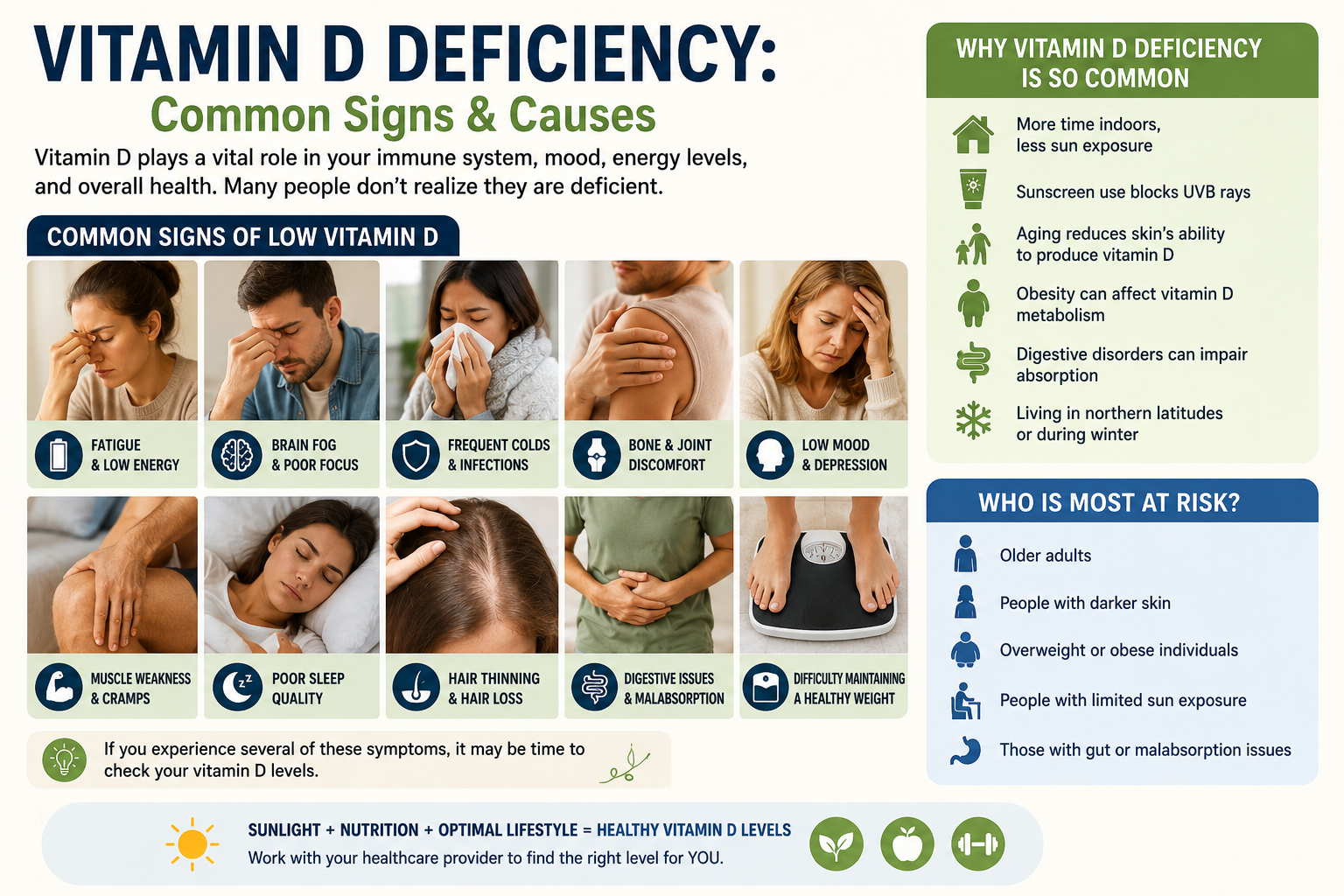
Vitamin D deficiency may contribute to fatigue, brain fog, immune dysfunction, low mood, muscle weakness, and other chronic health concerns
Many patients are deficient without realizing it. Symptoms can include:
- Low energy
- Brain fog
- Depression or low mood
- Poor immune function
- Bone or joint pain
- Muscle weakness
- Slow recovery
- Sleep problems
- Frequent illness
- Hair thinning
In some people, deficiency may contribute to chronic inflammatory conditions and autoimmune activity.
Why Vitamin D Deficiency Is So Common
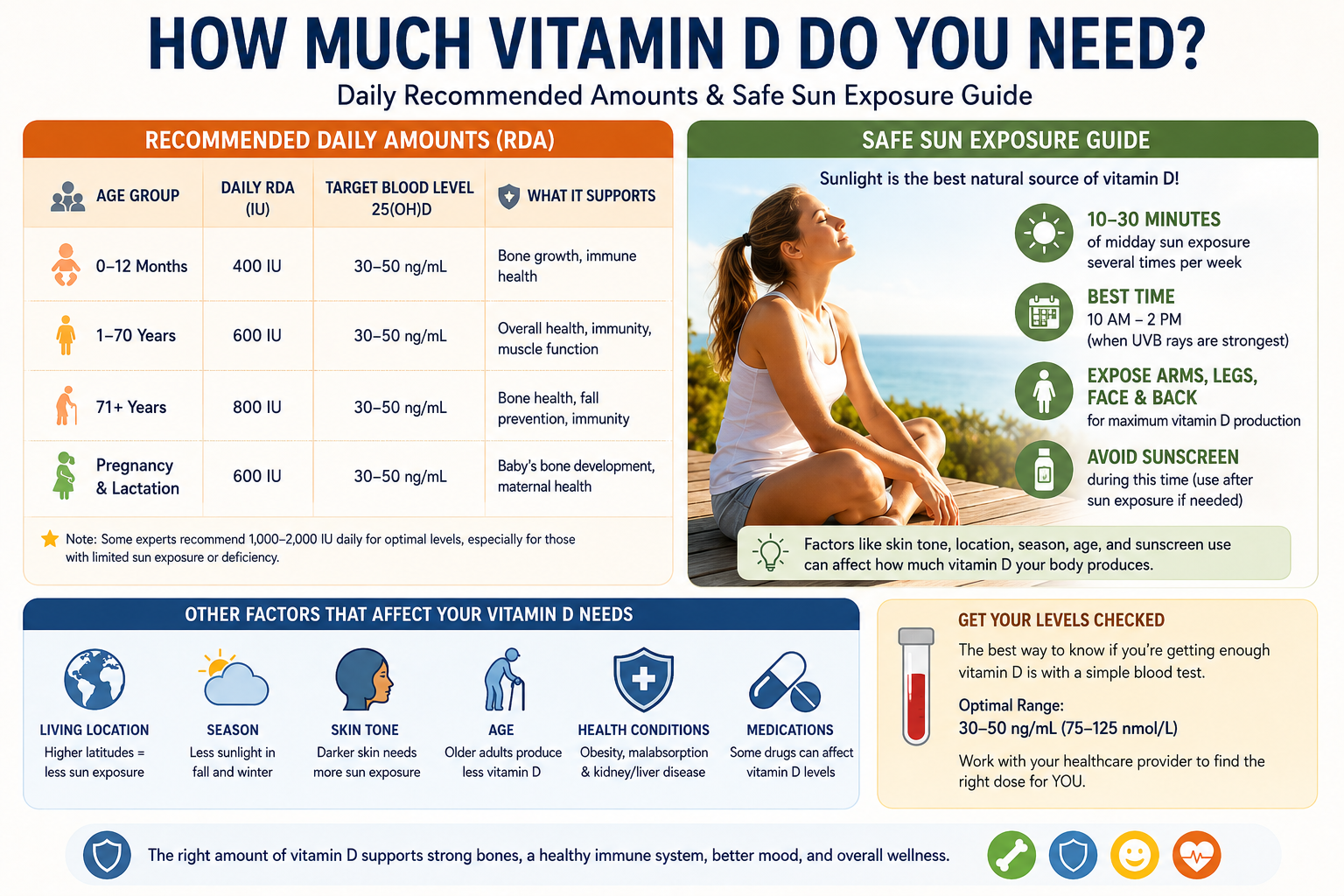
Vitamin D needs vary based on age, lifestyle, sun exposure, and health status, making testing and individualized support important for optimal wellness.
Modern lifestyles dramatically reduce natural sun exposure. Several factors contribute to deficiency:
- Indoor lifestyles
- Sunscreen overuse
- Aging
- Poor gut absorption
- Chronic inflammation
- Obesity
- Darker skin pigmentation
- Geographic location
- Winter months
- Digestive disorders
Many patients in Virginia Beach and across the United States spend most of their time indoors under artificial lighting while avoiding sunlight almost completely.
The Functional Medicine Perspective on Vitamin D
At Total Health Center, we do not simply ask whether vitamin D falls into a “normal” lab range. We look for optimal functional ranges associated with better overall health and resilience.
Many conventional lab ranges consider levels above 30 ng/mL acceptable. However, many functional medicine practitioners aim for optimal levels closer to 50–70 ng/mL depending on the individual and clinical context.
Vitamin D should also never be viewed in isolation. Several nutrients work together synergistically:
- Magnesium
- Vitamin K2
- Calcium
- Zinc
- Healthy fats
Without adequate magnesium and vitamin K2, vitamin D metabolism and calcium regulation may not function properly.
You may also enjoy:
- The Importance of Magnesium for Energy, Sleep, and Stress Recovery
- Can Poor Sleep Affect Weight Loss and Insulin Resistance?
- What Causes Hashimoto’s Thyroiditis?
Sunlight vs Supplements
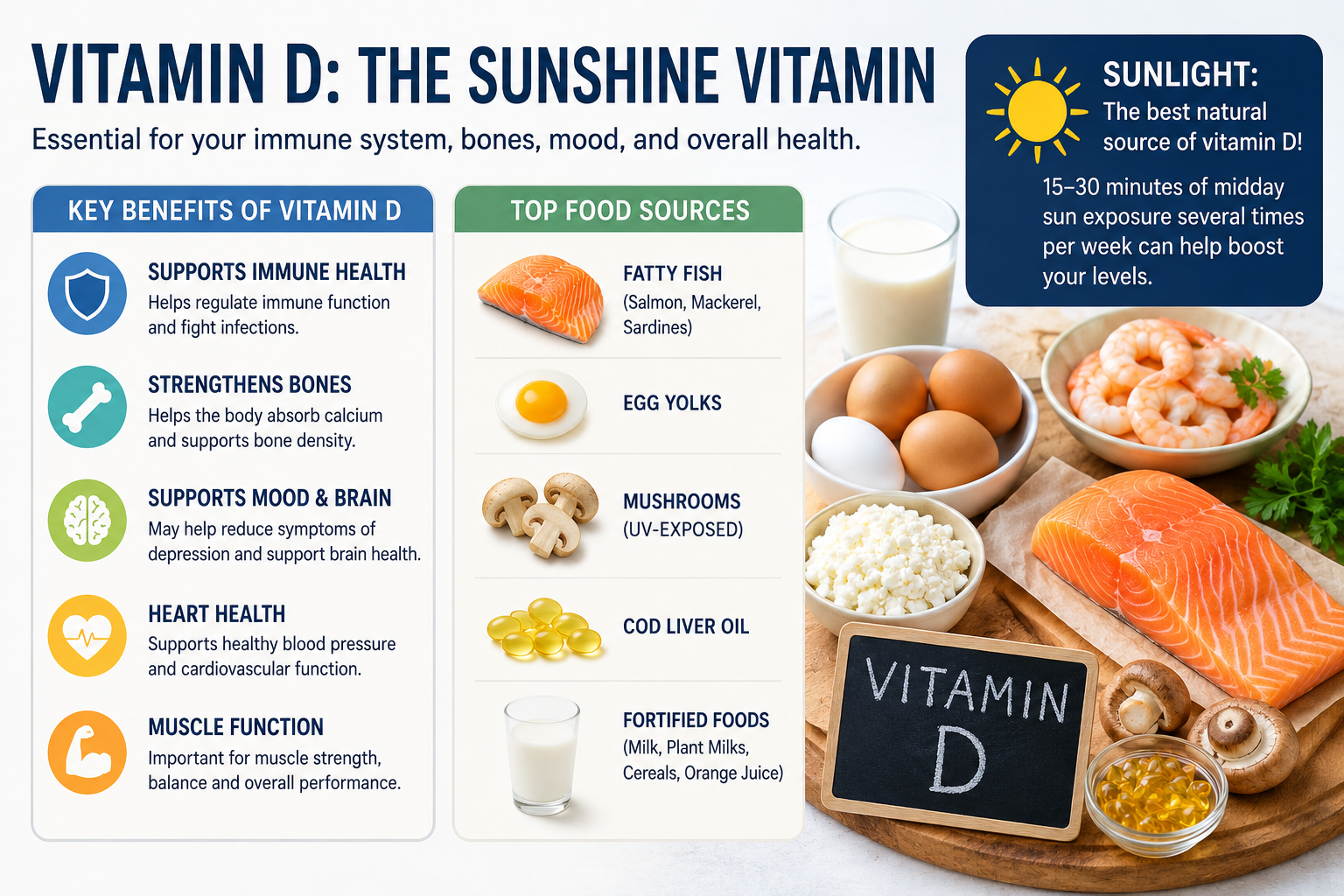
Vitamin D supports immune health, mood, muscle function, bone strength, and overall wellness while sunlight and nutrient-rich foods help maintain healthy levels.
Sunlight remains one of the most natural ways to support healthy vitamin D production.
Moderate sun exposure may provide benefits beyond vitamin D alone, including support for circadian rhythm, nitric oxide production, mood regulation, and mitochondrial health.
However, many people are unable to maintain optimal vitamin D levels year-round through sunlight alone, especially during winter months or periods of high stress and illness.
In those cases, targeted supplementation may be helpful under professional guidance.
Vitamin D and Immune Function
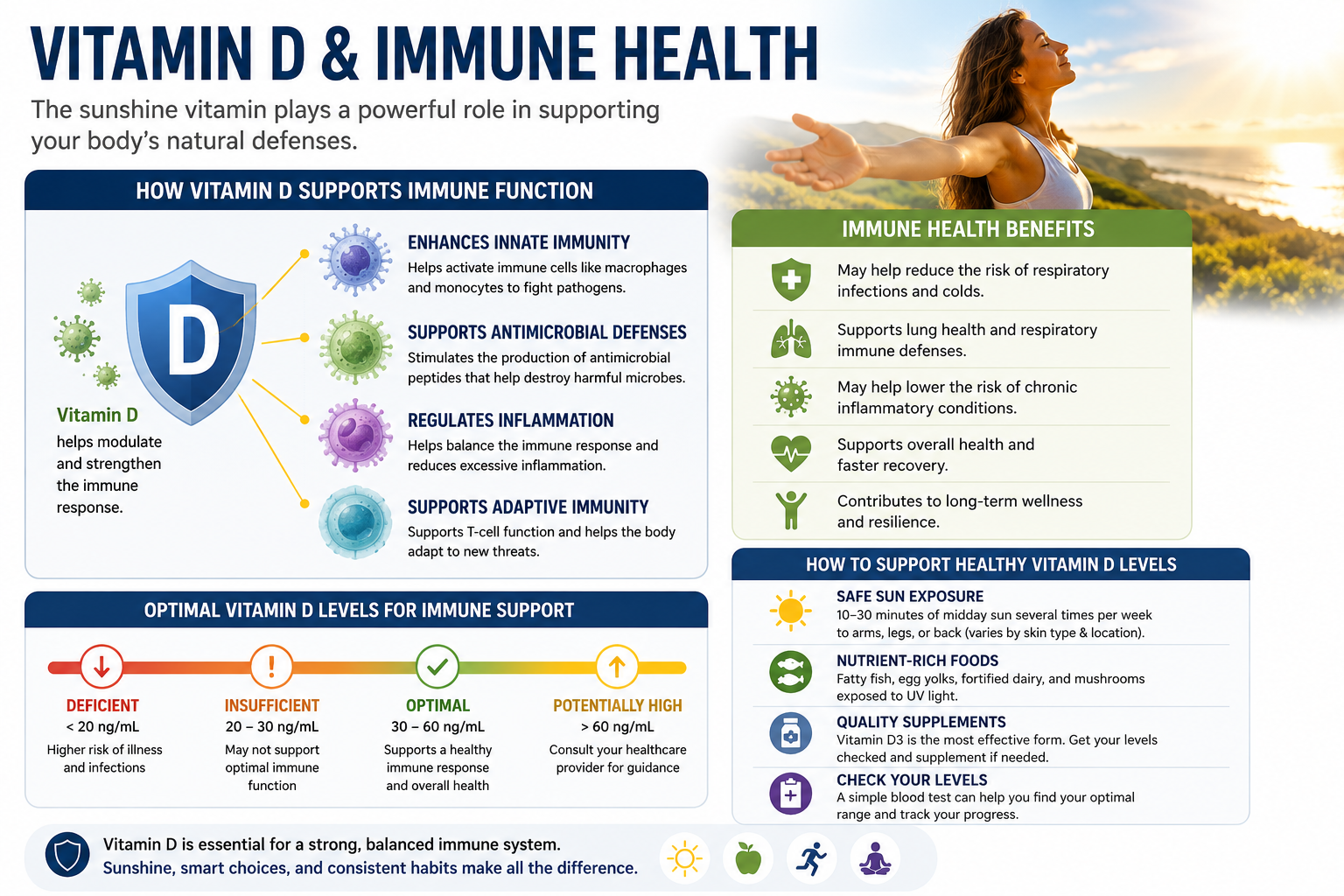
Vitamin D plays a major role in immune regulation, helping support inflammation balance, respiratory health, and the body’s natural defenses.
Vitamin D plays a major role in immune regulation. Research suggests adequate vitamin D levels may support:
- Balanced inflammatory responses
- Healthy immune signaling
- Antimicrobial activity
- Respiratory health
This is one reason functional medicine practitioners often evaluate vitamin D status in patients with recurrent infections, autoimmune disease, or chronic inflammation.
Vitamin D and Autoimmune Disease
Low vitamin D levels have been associated with increased risk of several autoimmune conditions including:
- Hashimoto’s thyroiditis
- Multiple sclerosis
- Rheumatoid arthritis
- Inflammatory bowel disease
- Type 1 diabetes
While vitamin D alone is not a cure, optimizing levels may help support immune balance as part of a comprehensive functional medicine approach.
How We Evaluate Vitamin D at Total Health Center
At Total Health Center Virginia Beach, we evaluate vitamin D levels as part of a broader functional medicine assessment that may include:
- Inflammation markers
- Thyroid testing
- Gut health evaluation
- Hormone testing
- Nutritional deficiencies
- Lifestyle and stress analysis
The goal is not simply symptom suppression — it is identifying and correcting the underlying factors contributing to chronic health problems.
Final Thoughts
Vitamin D deficiency is incredibly common and often overlooked. Optimizing vitamin D may support:
- Energy
- Immune health
- Mood
- Hormone balance
- Bone strength
- Healthy aging
- Inflammation regulation
If you are struggling with fatigue, immune dysfunction, chronic inflammation, thyroid issues, or unexplained symptoms, vitamin D status may be one important piece of the puzzle.
Schedule a Functional Medicine Consultation
If you would like a comprehensive functional medicine evaluation, our team at Total Health Center Virginia Beach may be able to help uncover underlying contributors to your symptoms.
Visit:
Total Health Center Virginia Beach
Frequently Asked Questions About Vitamin D
What is the best vitamin D level?
Many functional medicine practitioners aim for blood levels between 50–70 ng/mL, although ideal levels vary by individual.
Can vitamin D deficiency cause fatigue?
Yes. Low vitamin D has been associated with fatigue, muscle weakness, low mood, and chronic pain.
Is sunlight better than supplements?
Sunlight is the body’s natural source of vitamin D production, but supplementation may be necessary for some individuals.
Should vitamin D be taken with vitamin K2?
In many cases, yes. Vitamin K2 helps direct calcium into bones and away from arteries and soft tissues.
Can low vitamin D affect immunity?
Research suggests vitamin D plays an important role in immune regulation and inflammatory balance.
References
- Holick MF. Vitamin D Deficiency. New England Journal of Medicine.
- National Institutes of Health Office of Dietary Supplements:
NIH Vitamin D Fact Sheet - GrassrootsHealth:
GrassrootsHealth Vitamin D Research - Harvard School of Public Health:
Vitamin D Overview