

The Importance of Magnesium: Why This Mineral May Be One of the Most Overlooked Keys to Better Health
By Dr. Mark Scott – Functional Medicine Practitioner, Total Health Center Virginia Beach
Magnesium may be one of the most important nutrients your body needs — yet it’s also one of the most commonly overlooked. Research suggests that a large percentage of Americans may not be getting enough magnesium, and the consequences can affect everything from energy levels and sleep to muscle function, blood sugar balance, stress response, heart health, and even detoxification.
At Total Health Center Virginia Beach, we frequently see signs of magnesium deficiency in patients struggling with fatigue, stress, poor sleep, muscle tension, headaches, digestive issues, and chronic inflammation.
The problem is that magnesium deficiency often goes unrecognized because conventional blood tests may not accurately reflect total body magnesium levels.
Why Magnesium Matters So Much
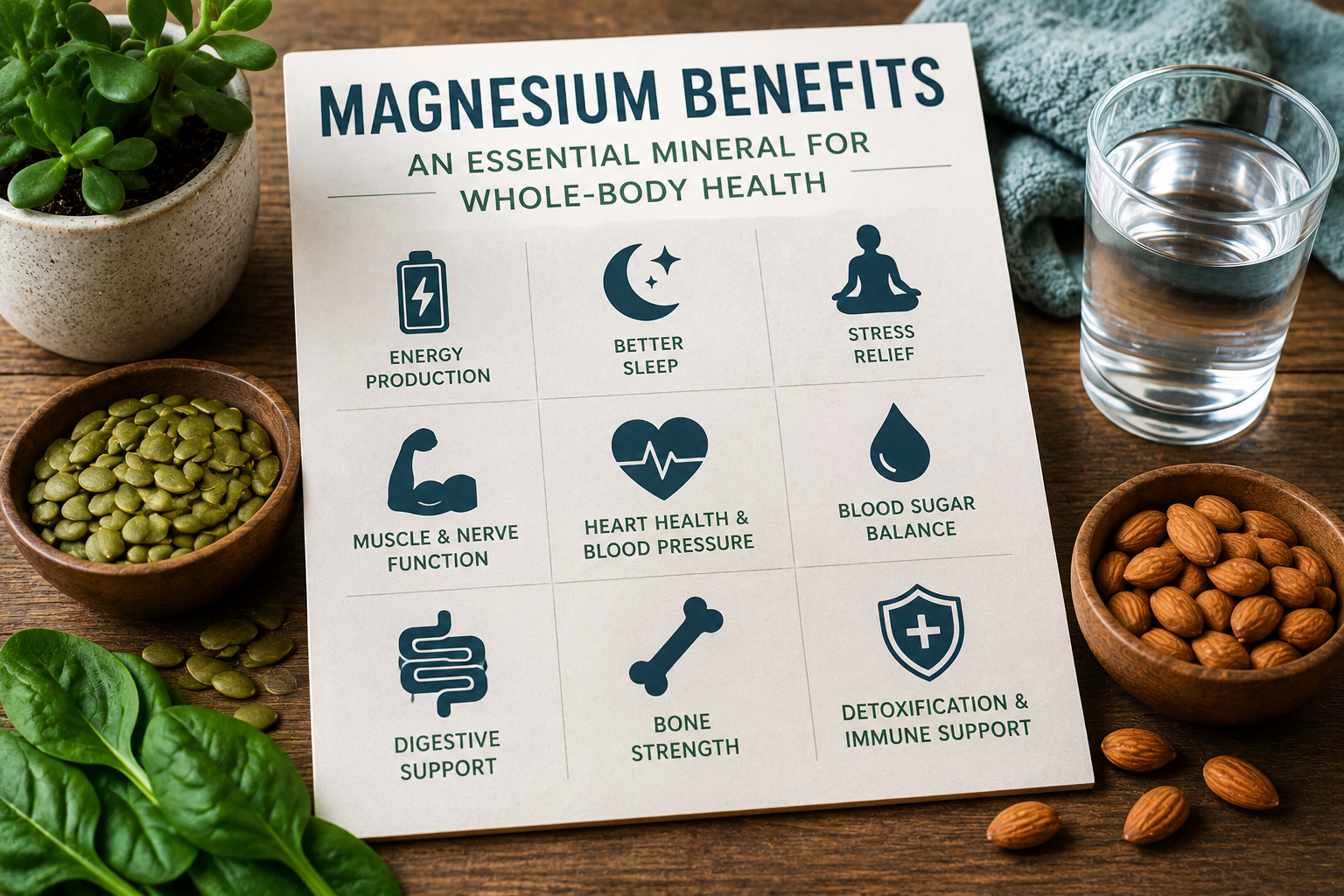
Magnesium supports multiple systems in the body including energy production, sleep, stress resilience, cardiovascular health, digestion, and metabolic balance.
Magnesium is involved in over 300 enzymatic reactions in the body and plays a critical role in:
- Energy production (ATP)
- Muscle and nerve function
- Blood sugar regulation
- Heart rhythm
- Bone health
- Relaxation of blood vessels
- Stress response
- Healthy bowel function
- Detoxification pathways
Researchers have even identified thousands of magnesium-binding sites on human proteins, suggesting its importance may be far greater than previously understood.
Common Signs of Magnesium Deficiency
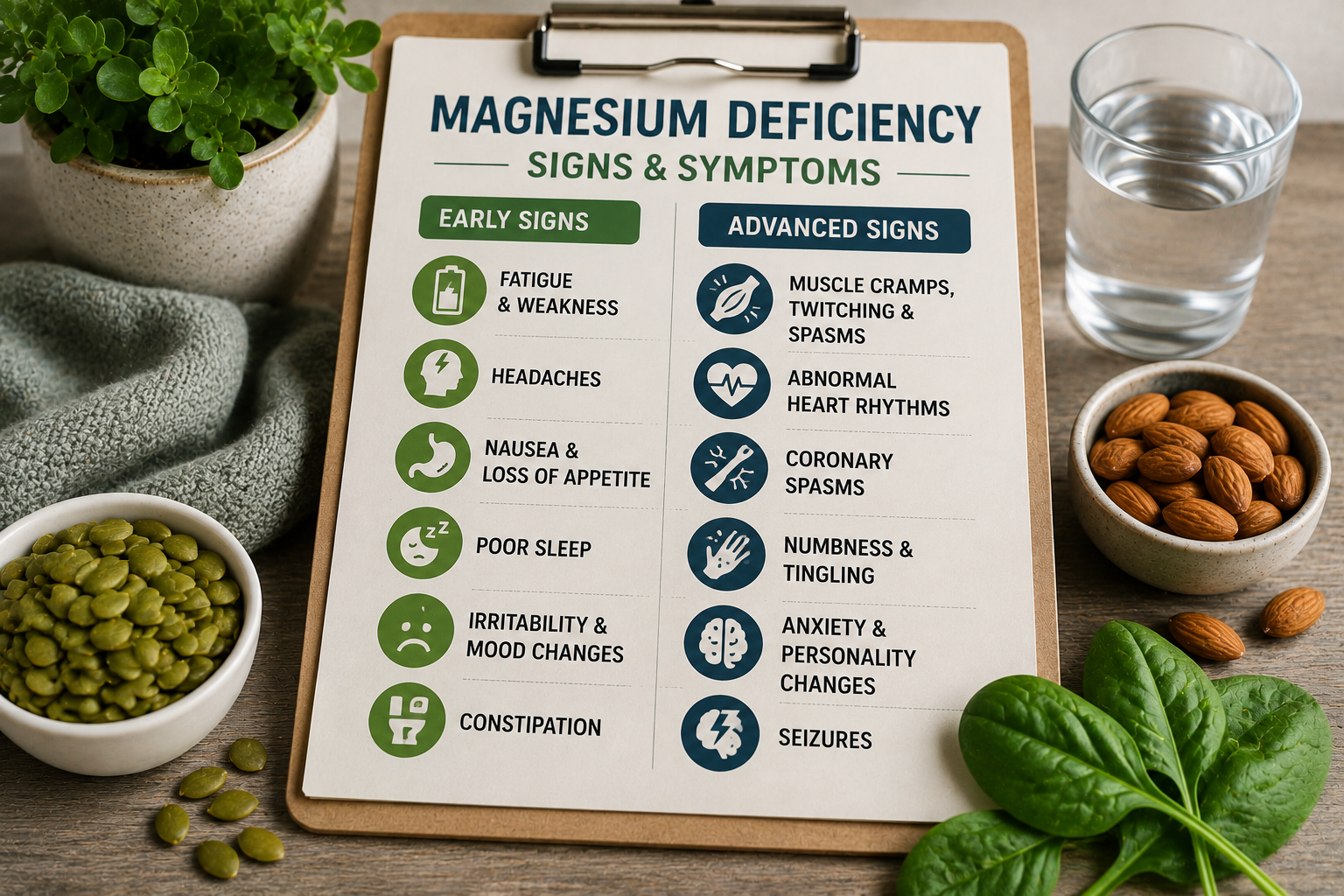
Magnesium deficiency may contribute to fatigue, muscle tension, headaches, poor sleep, mood changes, constipation, and cardiovascular symptoms.
Many people are living with low magnesium levels without realizing it.
Some early warning signs include:
- Fatigue
- Muscle cramps or twitching
- Headaches
- Poor sleep
- Anxiety or irritability
- Constipation
- Weakness
- Loss of appetite
- Nausea
More advanced deficiency can contribute to:
- Abnormal heart rhythms
- Coronary spasms
- Seizures
- Numbness and tingling
- Chronic muscle tension
Magnesium and Stress: A Hidden Connection
One of the most important — and underappreciated — roles of magnesium is its relationship with stress.
Stress depletes magnesium, and magnesium deficiency can make the body more sensitive to stress. This creates a vicious cycle that can contribute to:
- Anxiety
- Fatigue
- Poor sleep
- Muscle tension
- Elevated cortisol
- Burnout
From a functional medicine perspective, this is one reason many people feel “wired but tired.”
Magnesium helps calm the nervous system and supports healthy neurotransmitter balance, making it especially important in today’s high-stress world.
Magnesium and Blood Sugar Balance
Magnesium also plays a major role in insulin sensitivity and metabolic health.
Low magnesium levels have been associated with:
- Insulin resistance
- Type 2 diabetes
- Blood sugar instability
- Increased inflammation
This is one reason magnesium-rich foods are often emphasized in functional medicine nutrition plans focused on weight loss, metabolic health, and energy optimization.
You may also enjoy:
- Sleep and Insulin: The Overlooked Key to Weight Loss and Metabolic Health
- Can Blackstrap Molasses Help Lower Insulin Resistance?
Magnesium and Heart Health
Magnesium is critical for cardiovascular health and healthy blood pressure regulation.
Research has shown magnesium may help support:
- Healthy circulation
- Vascular relaxation
- Heart rhythm stability
- Reduced stroke risk
One large meta-analysis found that higher magnesium intake was associated with a lower risk of ischemic stroke.
Unlike the simplistic “low salt and low fat” conventional approach, functional medicine looks deeper at nutrient deficiencies, stress physiology, inflammation, insulin resistance, and mineral balance as key drivers of cardiovascular dysfunction.
Magnesium and Detoxification
Magnesium is also essential for detoxification pathways.
It supports:
- Liver function
- Cellular energy production
- Glutathione synthesis
- Protection against oxidative stress
Even glutathione — often called the body’s “master antioxidant” — requires magnesium for proper production.
This makes magnesium especially important in today’s environment of:
- Chronic stress
- Environmental toxins
- Poor sleep
- Processed foods
- Inflammation
Best Food Sources of Magnesium

Whole-food sources of magnesium may help support energy production, blood sugar balance, muscle function, and nervous system health.
One of the best ways to improve magnesium status is through whole foods.
Magnesium-rich foods include:
- Spinach
- Swiss chard
- Pumpkin seeds
- Almonds
- Flax seeds
- Avocados
- Dark chocolate/cocoa
- Sea vegetables
- Beans and legumes
Functional medicine often emphasizes mineral-rich whole foods because nutrients work synergistically together in nature.
Different Types of Magnesium Supplements

Different forms of magnesium may support sleep, stress response, digestion, heart health, and cognitive function depending on the individual’s needs.
Not all magnesium supplements are the same.
Here are some of the most commonly used forms:
Magnesium Glycinate
Often considered one of the best absorbed forms and commonly used for:
- Stress
- Sleep
- Muscle tension
- General deficiency support
Magnesium Citrate
Often used for:
- Constipation
- Bowel regularity
Magnesium Threonate
May support:
- Brain health
- Cognitive function
- Neurological support
Magnesium Taurate
Often used for:
- Cardiovascular support
- Calming effects
Magnesium, Vitamin D, and K2: Why Balance Matters
Magnesium does not work alone.
It works closely with:
- Vitamin D
- Calcium
- Vitamin K2
Magnesium helps activate vitamin D and helps regulate calcium balance in the body.
This is one reason some people take vitamin D supplements but still do not feel optimal — they may also be low in magnesium.
Related articles:
Functional Medicine Perspective on Magnesium
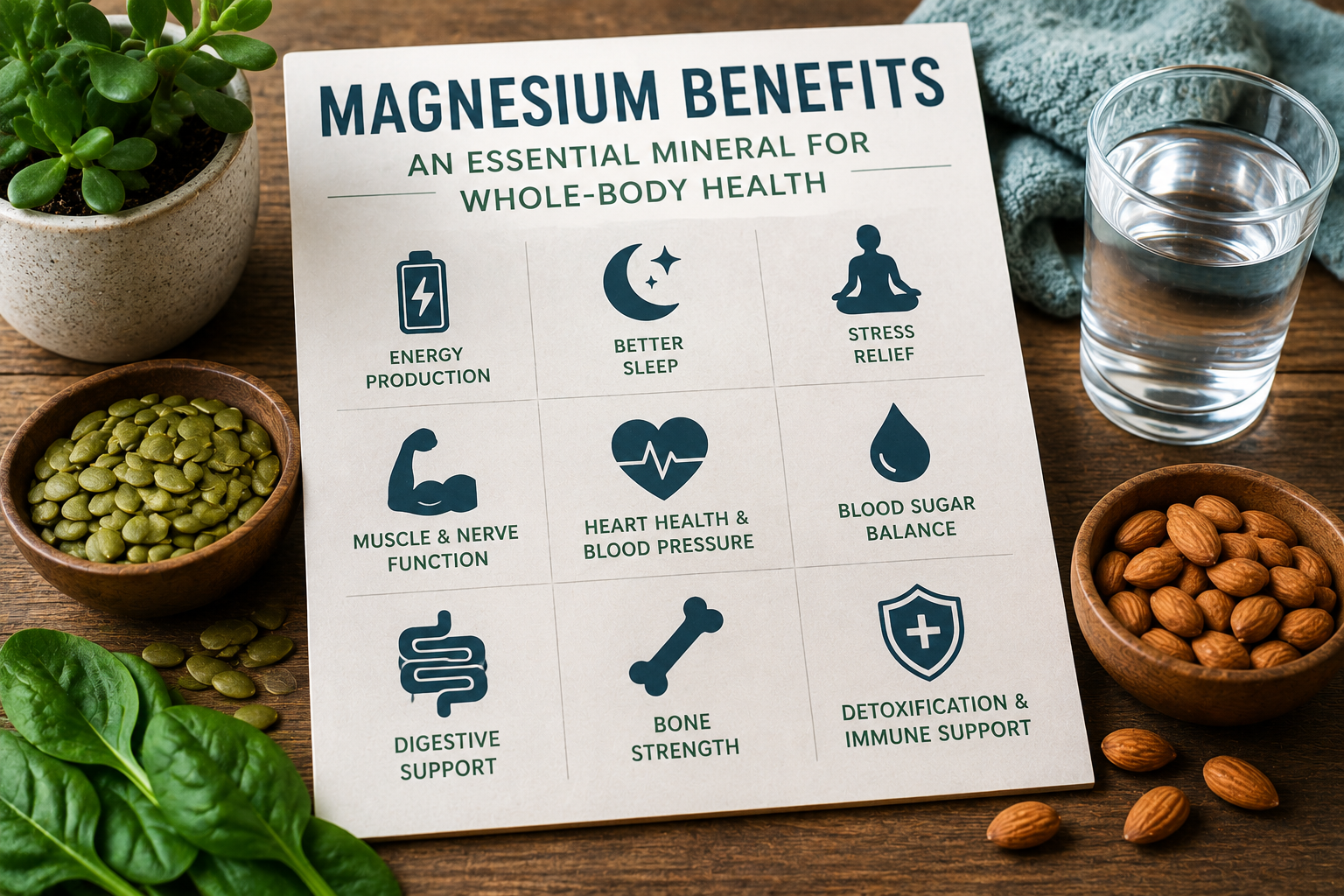
Magnesium influences multiple interconnected systems in the body including stress resilience, sleep quality, digestion, metabolism, cardiovascular function, and energy production.
At Total Health Center Virginia Beach, we rarely look at symptoms in isolation.
If someone is dealing with:
- Fatigue
- Anxiety
- Sleep problems
- Muscle tension
- Blood sugar issues
- Chronic stress
- Headaches
- Digestive issues
…we often investigate underlying nutrient deficiencies and metabolic imbalances, including magnesium status.
Instead of simply masking symptoms, functional medicine focuses on identifying and addressing root causes.
Final Thoughts
Magnesium may truly be one of the most underestimated nutrients in modern health care.
In a world filled with chronic stress, processed foods, poor sleep, and nutrient depletion, optimizing magnesium intake may support:
- Better energy
- Improved sleep
- Reduced stress
- Healthier blood sugar
- Cardiovascular support
- Muscle relaxation
- Overall wellness
If you’re struggling with chronic fatigue, stress, inflammation, digestive problems, or metabolic issues, it may be worth evaluating whether magnesium deficiency could be part of the bigger picture.
FAQ
What are the symptoms of low magnesium?
Common symptoms include fatigue, muscle cramps, headaches, anxiety, poor sleep, constipation, and weakness.
What is the best form of magnesium?
Magnesium glycinate is often considered one of the best absorbed and is commonly used for stress, sleep, and muscle support.
Can magnesium help with sleep?
Yes. Magnesium supports nervous system relaxation and may help improve sleep quality.
Does magnesium help with anxiety and stress?
Magnesium helps regulate the nervous system and stress response and may help support a calmer mood.
What foods are highest in magnesium?
Dark leafy greens, pumpkin seeds, almonds, avocados, flax seeds, cocoa, and legumes are among the best sources.
References
- GreenMedInfo Magnesium Research Summary
- American Journal of Clinical Nutrition – Magnesium and Stroke Risk
- National Institutes of Health Office of Dietary Supplements – Magnesium Fact Sheet
- Research on magnesium deficiency and metabolic health
- Functional medicine nutrition and mineral balance literature