
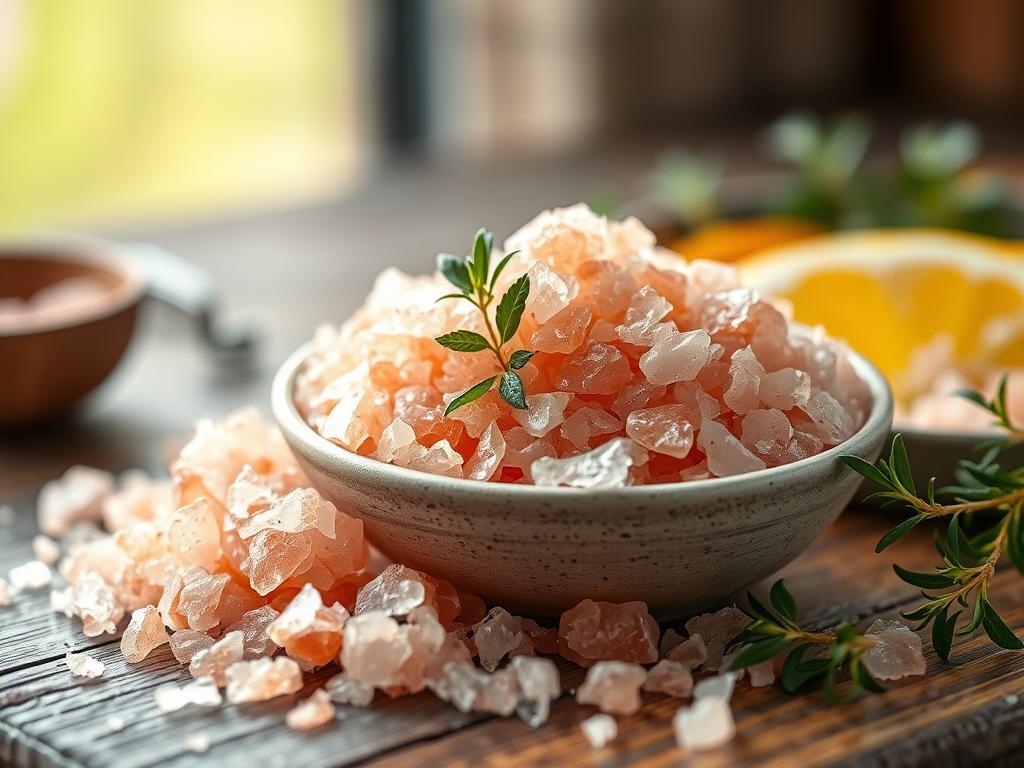
The Truth About Salt: Not All Salt Is Created Equal
For decades, salt has been blamed for everything from high blood pressure to water retention and heart disease. But what many people don’t realize is that the type of salt you consume may matter just as much — if not more — than the amount.
In functional medicine, we often look beyond simplistic “good vs bad” narratives and ask a deeper question:
What form is the body actually designed to use?
The reality is that highly processed white table salt is dramatically different from natural mineral-rich salts like Himalayan pink salt, Redmond Real Salt, and unrefined sea salt.
And those differences may impact hydration, mineral balance, muscle function, energy production, adrenal health, and overall wellness.
What Is Wrong With Regular Table Salt?
Most conventional table salt is heavily refined and stripped of its naturally occurring trace minerals.
Typical white table salt is primarily composed of sodium chloride and often contains:
- Anti-caking chemicals
- Bleaching agents
- Moisture absorbents
- Added iodine
- Processing residues
During manufacturing, salt is frequently heated to extremely high temperatures and chemically refined to create a uniform white appearance and free-flowing texture.
The result is a product that looks clean and pure — but may be nutritionally depleted.
Unlike natural salts, refined table salt no longer contains the broad spectrum of trace minerals that originally existed in the salt crystal.
This same “ultra-processing” problem is something we also see in many modern foods and oils. If you enjoyed this article, you may also want to read our article on unhealthy processed fats and inflammation:
https://totalhealthcentervb.com/the-fat-lie-seed-oils-inflammation-and-the-truth-about-healthy-fats/
Natural Salt Contains More Than Just Sodium
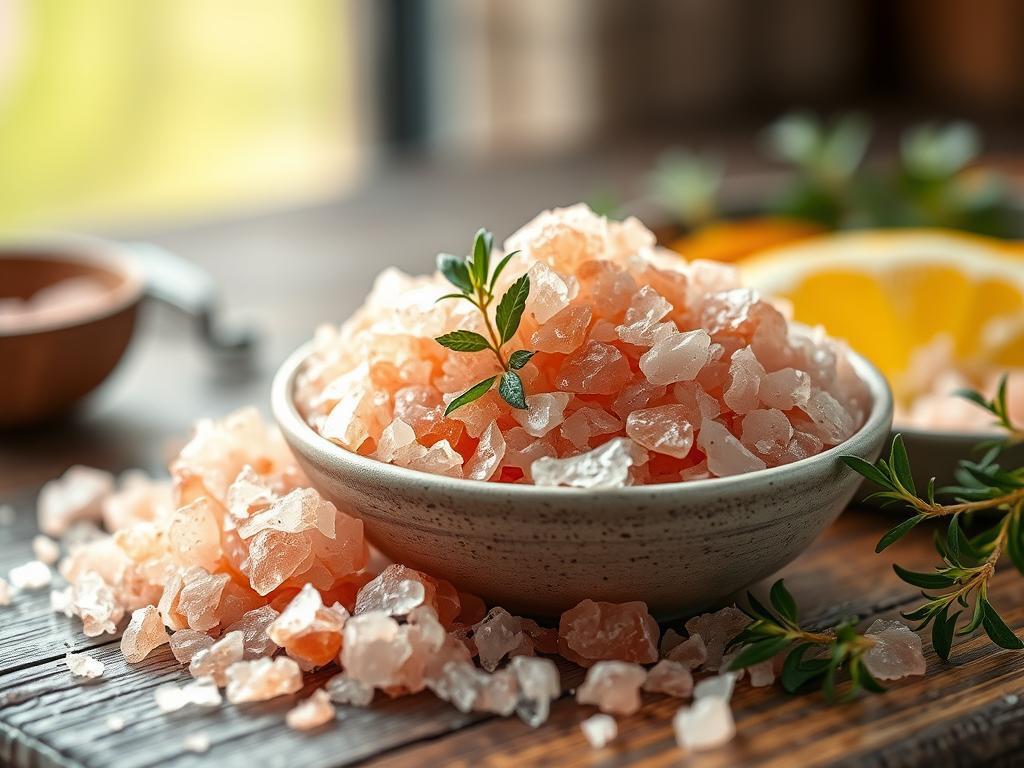
Himalayan pink salt contains naturally occurring trace minerals and is minimally processed.
Unrefined salts contain small amounts of naturally occurring trace minerals and elements that may support overall mineral balance.
Examples include:
- Magnesium
- Potassium
- Calcium
- Zinc
- Iron
- Manganese
These minerals are present in relatively small amounts, but they contribute to the unique color, taste, and composition of natural salts.
For example:
- Himalayan salt gets its pink hue from iron and trace minerals
- Redmond Real Salt has a reddish-tan appearance from naturally occurring mineral content
- High-quality sea salt often contains magnesium and other ocean-derived minerals
Magnesium itself plays a major role in muscle function, stress regulation, sleep, and metabolic health. You can learn more in our article:
https://totalhealthcentervb.com/magnesium-deficiency-signs-symptoms-and-functional-medicine-solutions/
While natural salt should not be viewed as a major mineral supplement, many people prefer it because it is less processed and retains its original mineral structure.
Is Salt Really the Cause of High Blood Pressure?
For decades, salt has been blamed as one of the primary causes of high blood pressure.
But modern research paints a far more complex picture.
Sodium is not a toxin — it is an essential electrolyte required for life. Your body tightly regulates sodium levels through sophisticated hormonal systems involving the kidneys, adrenal glands, nervous system, and vascular system.
In a healthy body, sodium balance is normally maintained automatically.
Research has shown that aggressively restricting sodium intake may activate the body’s stress-response systems, including the renin-angiotensin-aldosterone system (RAAS) and the sympathetic nervous system. Some studies have also shown associations between very low sodium diets and increased insulin resistance, elevated stress hormones, and unfavorable metabolic changes.
https://pmc.ncbi.nlm.nih.gov/articles/PMC3036792/
This suggests that the relationship between salt and blood pressure is far more nuanced than many people realize.
Importantly, many individuals are “salt resistant,” meaning changes in sodium intake have little effect on blood pressure. Other factors such as insulin resistance, chronic inflammation, obesity, stress, poor sleep, ultra-processed foods, potassium deficiency, and metabolic dysfunction may play a much larger role in hypertension for many people.
Sleep and stress physiology also play major roles in blood pressure regulation and metabolic health:
https://totalhealthcentervb.com/sleep-and-insulin-the-overlooked-key-to-weight-loss-and-metabolic-health/
In functional medicine, we often focus less on blindly restricting natural salt and more on improving overall metabolic health, reducing processed foods, balancing minerals, supporting hydration, and addressing the underlying causes of cardiovascular dysfunction.
That said, every individual is different. Some people may still need personalized sodium guidance depending on kidney function, cardiovascular disease, medications, or specific medical conditions.
The Body Is Designed to Regulate Salt
Humans evolved with highly sophisticated systems to regulate sodium and fluid balance.
When sodium intake drops too low, the body increases hormones like renin and aldosterone to help conserve sodium and maintain blood pressure and circulation.
This is one reason why excessively low sodium diets may leave some people feeling:
- fatigued
- lightheaded
- weak
- crampy
- mentally foggy
- exercise intolerant
This can be especially true in individuals who:
- exercise heavily
- sweat frequently
- use saunas
- follow low-carb diets
- fast regularly
- live under chronic stress
Rather than viewing salt as inherently harmful, it may be more accurate to view sodium as an essential nutrient that needs proper balance — particularly when consumed in its more natural, mineral-rich forms.
Himalayan Pink Salt vs Table Salt
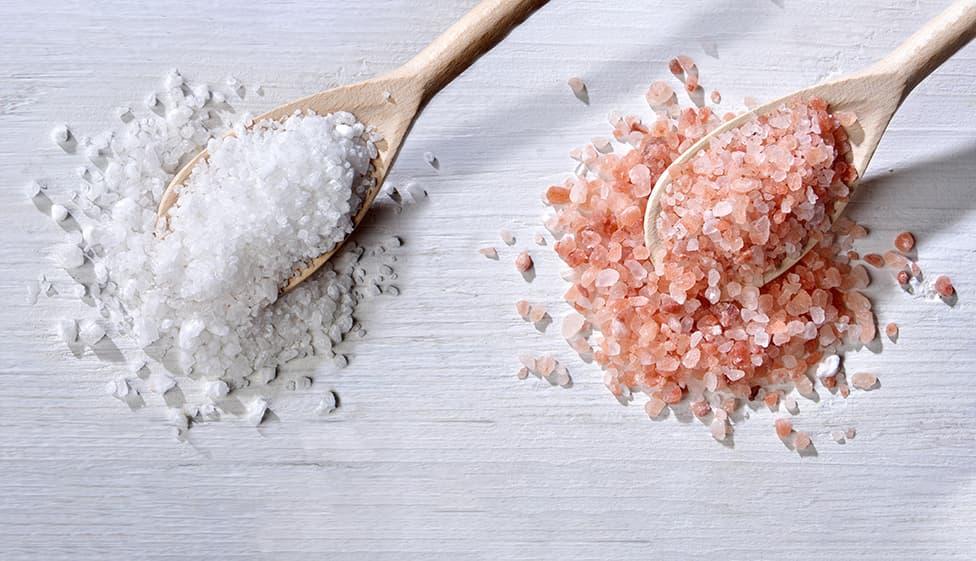
Highly processed table salt differs significantly from natural mineral-rich salts in processing and mineral content.
Himalayan pink salt is mined from ancient sea salt deposits formed millions of years ago beneath the Himalayan mountain region.
Because it has remained protected from modern environmental pollutants, many people consider it one of the purest natural salts available.
Potential benefits people associate with Himalayan salt include:
- Better taste and flavor complexity
- Trace mineral content
- Less processing
- More natural texture
- No bleaching agents
Some functional medicine practitioners also believe mineral-rich salts may support:
- Electrolyte balance
- Cellular hydration
- Adrenal function
- Healthy muscle and nerve signaling
Hydration and cellular health are also deeply connected to collagen, gut integrity, and metabolic function:
https://totalhealthcentervb.com/collagen-insulin-resistance-15g-benefits/
Why Many Functional Medicine Practitioners Prefer Redmond Real Salt
Many natural health practitioners recommend salts like Redmond Real Salt because they are:
- Minimally processed
- Free of chemical additives
- Naturally mineralized
- Sourced from ancient sea beds
Redmond Real Salt is particularly popular because it is sourced in the United States and tested for purity.
Patients often report that mineral-rich salts have a smoother taste and may feel less harsh than heavily refined table salt.
What About Sea Salt?
Sea salt can also be a good option — but quality matters.
Modern ocean pollution has raised concerns about contaminants in some lower-quality sea salts.
Choosing reputable brands that test for purity is important.
Higher-quality unrefined sea salts may still retain naturally occurring minerals and provide a more natural alternative to processed table salt.
Salt, Hydration, and Electrolytes

Sodium and trace minerals play important roles in hydration, nerve signaling, and muscle function.
Sodium is an essential electrolyte that plays a critical role in:
- Fluid balance
- Muscle contraction
- Nerve signaling
- Blood pressure regulation
- Cellular communication
Ironically, many people who are fatigued, dehydrated, low-carb dieting, fasting, or sweating heavily may actually benefit from proper electrolyte intake rather than aggressively restricting salt.
This is especially true in people with:
- Excessive sweating
- Sauna use
- Intense exercise
- Chronic stress
- Low-carb or ketogenic diets
Electrolyte imbalance can contribute to symptoms like:
- Fatigue
- Muscle cramps
- Brain fog
- Headaches
- Low energy
If you are interested in functional medicine approaches to energy production and cellular metabolism, you may also enjoy:
https://totalhealthcentervb.com/glycine-benefits-for-sleep-detox-and-healthy-aging/
The Real Problem: Ultra-Processed Foods
One of the biggest issues in modern nutrition is not necessarily natural salt itself — but the massive amount of sodium hidden inside ultra-processed foods.
Packaged foods often contain:
- Refined sodium
- Artificial additives
- Poor-quality oils
- Preservatives
- Excess sugar
This creates a very different physiological effect compared to using moderate amounts of mineral-rich salt on whole foods prepared at home.
This same metabolic dysfunction pattern is one reason functional medicine practitioners focus heavily on insulin resistance and inflammation:
https://totalhealthcentervb.com/can-blackstrap-molasses-help-lower-insulin-resistance-the-surprising-science-behind-this-old-school-sweetener/
Functional Medicine Perspective on Salt

Functional medicine focuses on supporting mineral balance, hydration, and metabolic health through whole-food nutrition.
In functional medicine, we try to work with the body rather than against it.
Natural mineral-rich salts are often viewed as a more ancestral, less processed option that aligns better with whole-food nutrition principles.
The goal is not excessive salt intake.
The goal is choosing higher-quality ingredients that support hydration, mineral balance, adrenal resilience, and metabolic wellness.
Final Thoughts
Salt is essential for life — but the form matters.
There is a significant difference between highly processed white table salt and natural mineral-rich salts like:
- Himalayan pink salt
- Redmond Real Salt
- Quality unrefined sea salt
Choosing less processed foods and more natural sources of minerals may support overall health, hydration, and metabolic balance.
Small daily choices matter.
And sometimes even something as simple as switching your salt can be part of a healthier lifestyle strategy.
References
Low sodium intake and RAAS activation:
https://pmc.ncbi.nlm.nih.gov/articles/PMC3036792/
Meta-analysis on sodium restriction and stress hormones:
https://academic.oup.com/ajh/article/25/1/1/238666
NIH Electrolyte Overview:
https://www.ncbi.nlm.nih.gov/books/NBK541123/
Harvard Nutrition Source — Salt and Sodium:
https://nutritionsource.hsph.harvard.edu/salt-and-sodium/