
Gluten University – Lesson #6
Are Oats Really Gluten-Free?
Part of the Gluten University Educational Series
Gluten University Home Page:
https://totalhealthcentervb.com/gluten-university/
Lesson #1:
https://totalhealthcentervb.com/why-going-gluten-free-isnt-always-enough/
Lesson #2:
https://totalhealthcentervb.com/what-is-gluten-really/
Lesson #3:
https://totalhealthcentervb.com/many-faces-of-gluten-sensitivity/
Lesson #4:
https://totalhealthcentervb.com/are-you-really-gluten-free-hidden-sources-of-gluten-exposure/
Lesson #5:
https://totalhealthcentervb.com/why-corn-may-be-the-most-overlooked-grain/
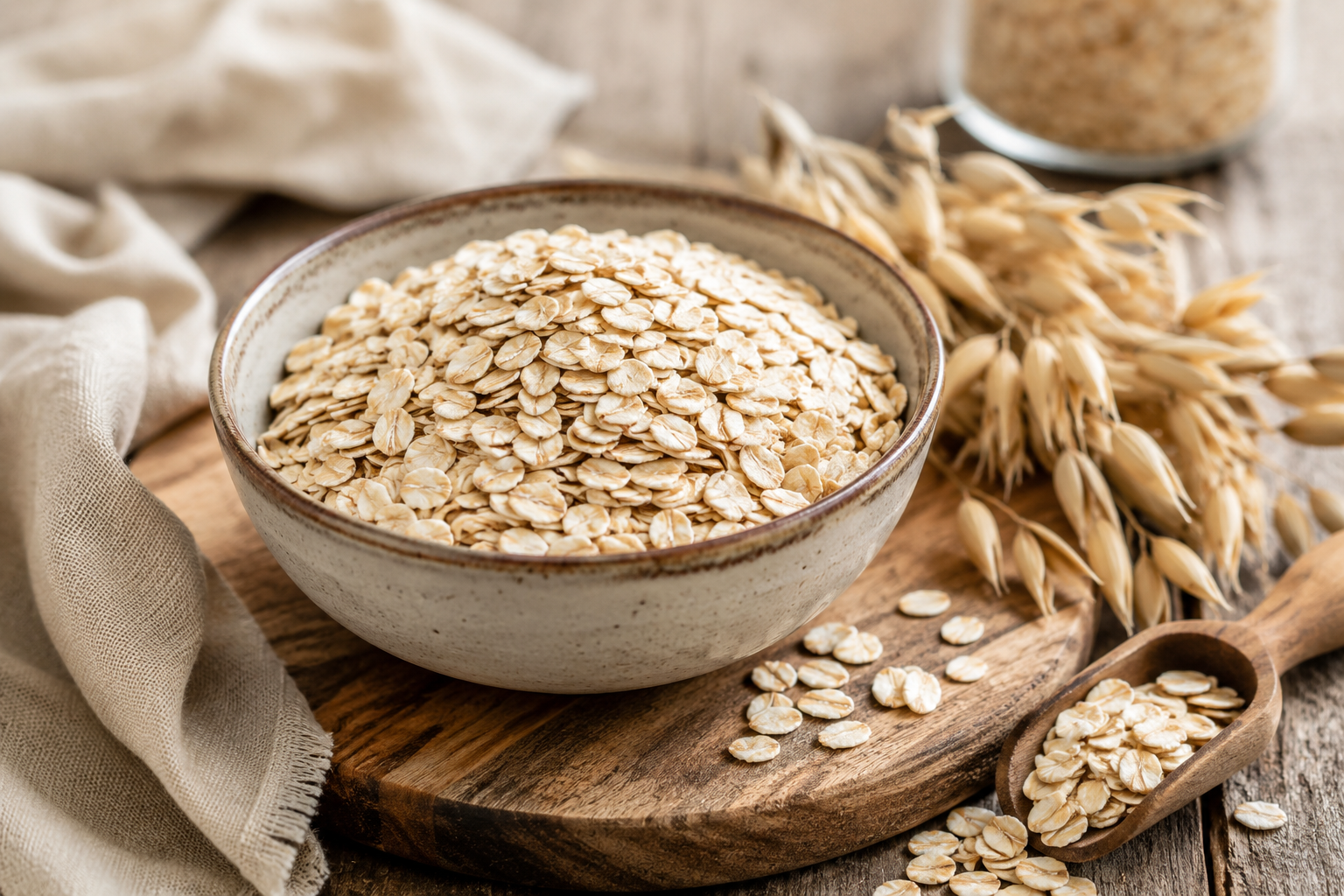
For years, oats have been promoted as one of the healthiest foods available.
They’re often recommended for:
- Heart health
- Cholesterol management
- Fiber intake
- Blood sugar support
- Digestive health
When someone decides to go gluten-free, oats are frequently one of the first foods recommended as a replacement for wheat-based products.
But are oats really gluten-free?
The answer depends on who you ask.
While oats do not contain the exact gluten proteins found in wheat, many individuals continue to experience symptoms after switching from wheat products to oat-based alternatives.
This raises an important question:
Could oats be a problem for some people, even when they’re labeled gluten-free?
Why Oats Are Considered Gluten-Free
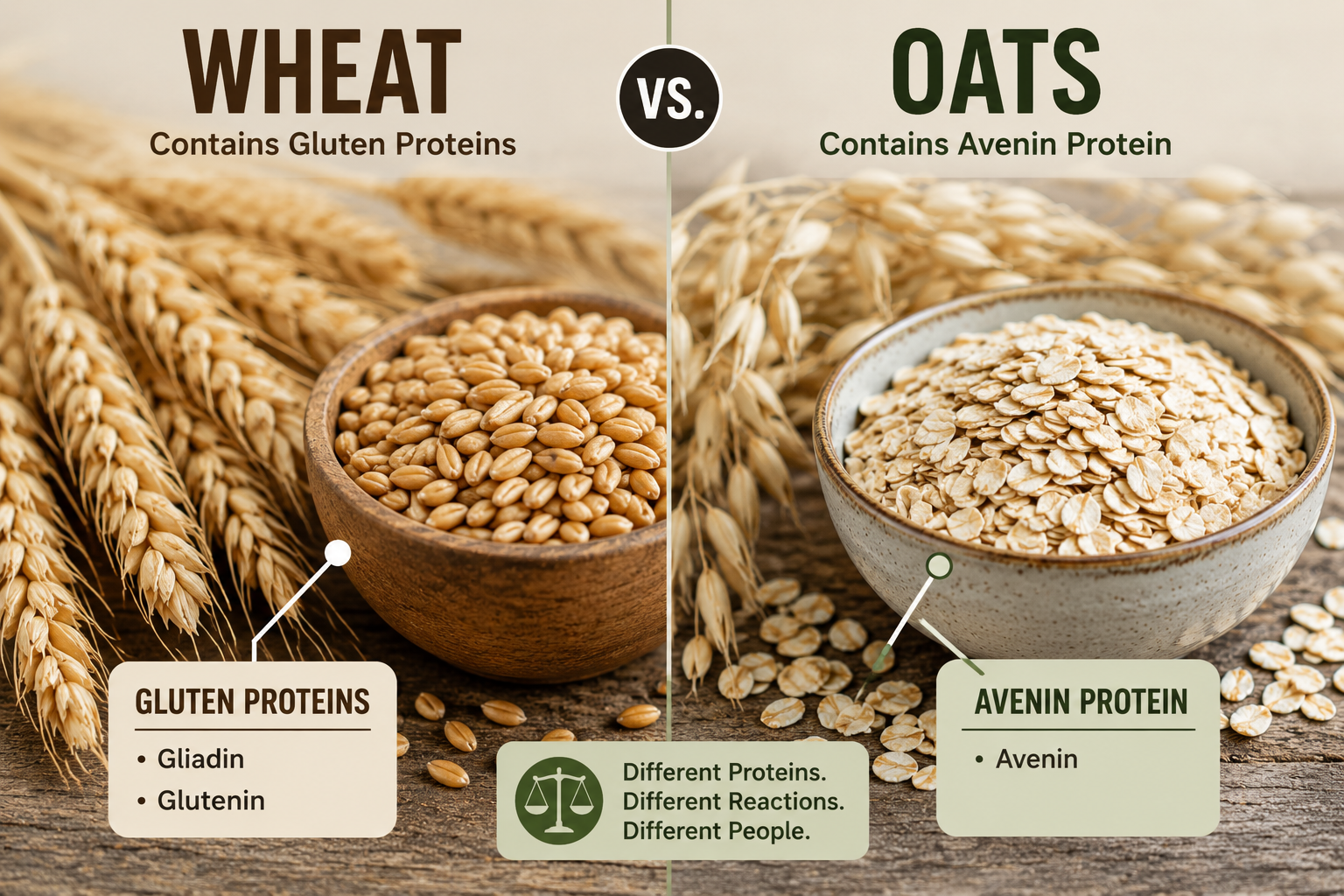
Although oats do not contain wheat gluten, they contain their own storage protein called avenin. Some individuals may tolerate oats well, while others continue experiencing symptoms despite consuming gluten-free oat products.
Traditional gluten-free recommendations classify oats as safe because they do not contain wheat gluten.
Instead of gliadin and glutenin, oats contain their own storage protein known as:
Avenin
Because avenin is structurally different from wheat gluten, most organizations classify oats as gluten-free.
For many people, oats may not create obvious symptoms.
However, that does not automatically mean oats are appropriate for everyone.
The Cross-Contamination Problem

Oats may become contaminated with wheat at multiple stages before reaching the consumer, including farming, harvesting, transportation, storage, and processing. This is one reason certified gluten-free oats were developed.
One of the biggest challenges with oats is contamination.
Oats are frequently:
- Grown near wheat
- Harvested with shared equipment
- Transported with shared equipment
- Processed in facilities that handle wheat
As a result, many oat products contain measurable amounts of wheat contamination.
This is one reason certified gluten-free oats were introduced.
However, contamination is only part of the story.
What Is Avenin?
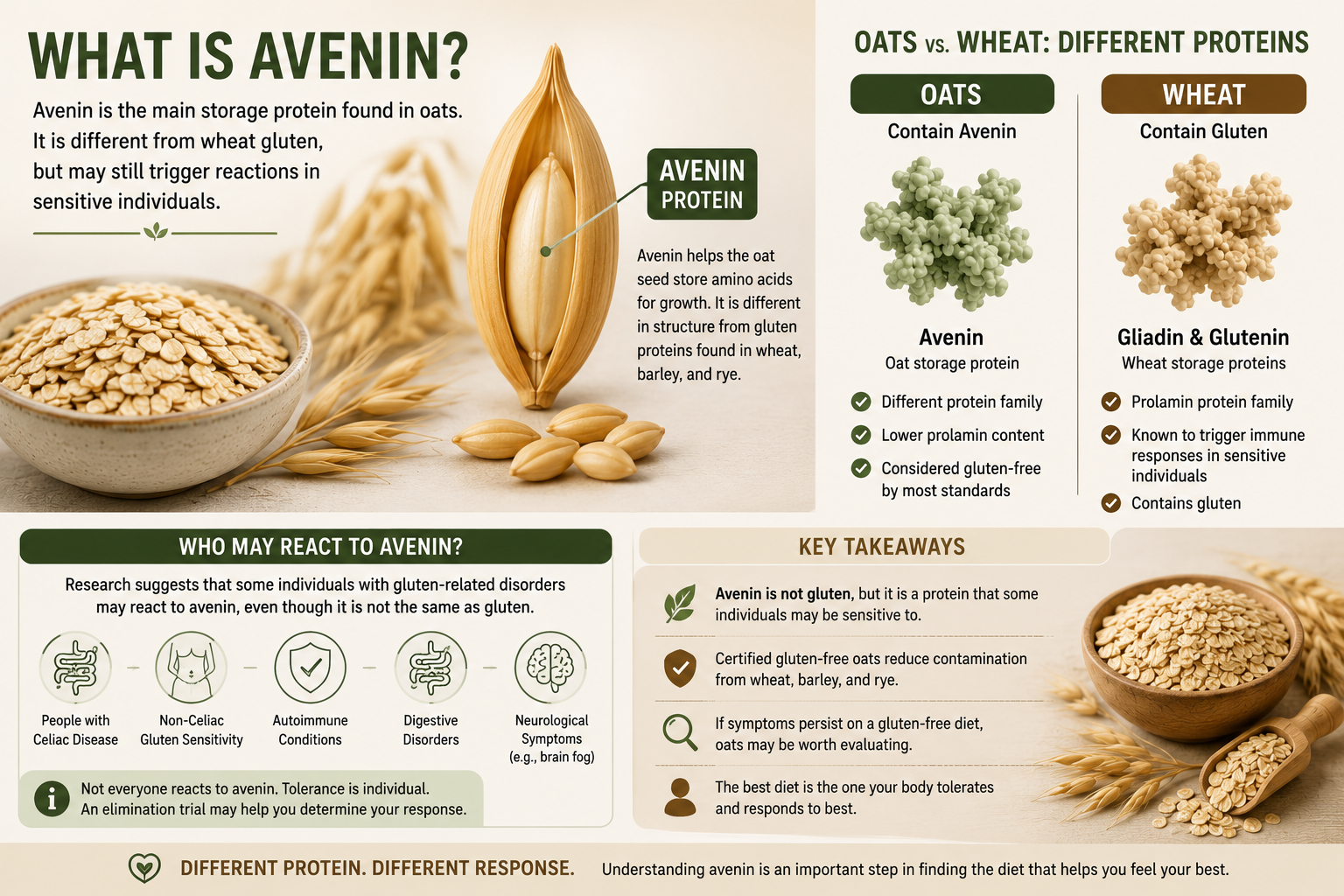
Avenin is the primary storage protein found in oats. While it is different from wheat gluten, some individuals with gluten-related disorders may continue experiencing symptoms when consuming oat products.
Avenin is the primary storage protein found in oats.
While it is not technically gluten, it shares certain similarities with other grain proteins.
Researchers have identified that some individuals with gluten-related disorders may react to avenin.
This does not appear to affect everyone.
However, it may explain why some people continue experiencing symptoms despite following a traditional gluten-free diet.
Why Some People Feel Better When They Remove Oats
In clinical practice, some individuals notice improvements in:
- Bloating
- Gas
- Constipation
- Diarrhea
- Brain fog
- Fatigue
- Joint discomfort
- Skin symptoms
after removing oats from their diet.
This does not prove oats are the sole cause of their symptoms.
However, it does suggest that oats deserve consideration when someone has removed wheat but continues to struggle.
The Oatmeal Trap
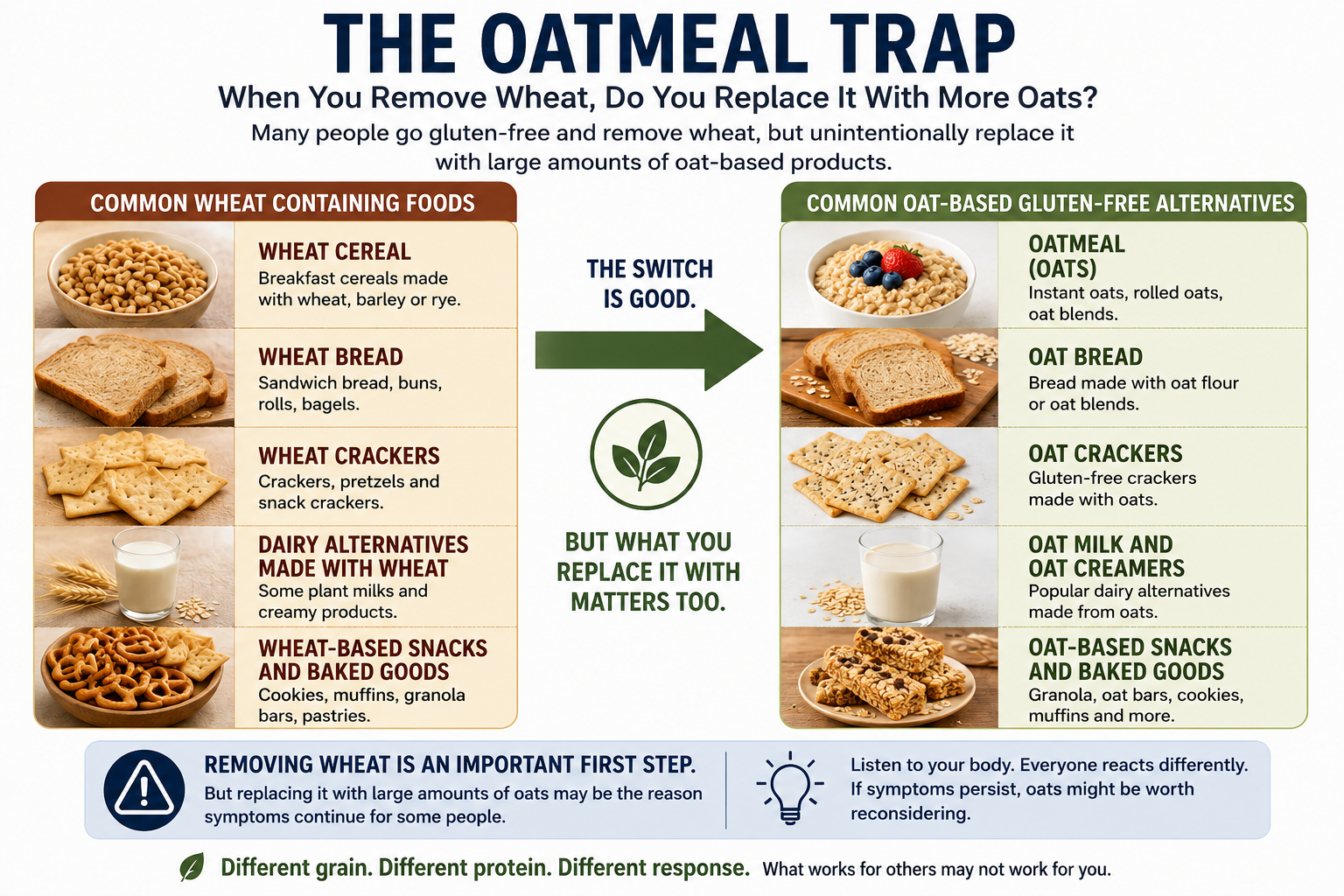
One of the most common mistakes people make after going gluten-free is replacing wheat products with large amounts of oat-based foods. When symptoms persist, oats are rarely questioned because they have a healthy reputation.
One of the most common mistakes people make after going gluten-free is replacing wheat with large amounts of oat-based foods.
Examples include:
- Oatmeal
- Oat flour
- Oat bread
- Oat crackers
- Oat milk
- Oat protein products
In many cases, people consume far more oats than they ever did before going gluten-free.
When symptoms persist, oats are rarely questioned because they carry a healthy reputation.
Oats and Autoimmune Conditions
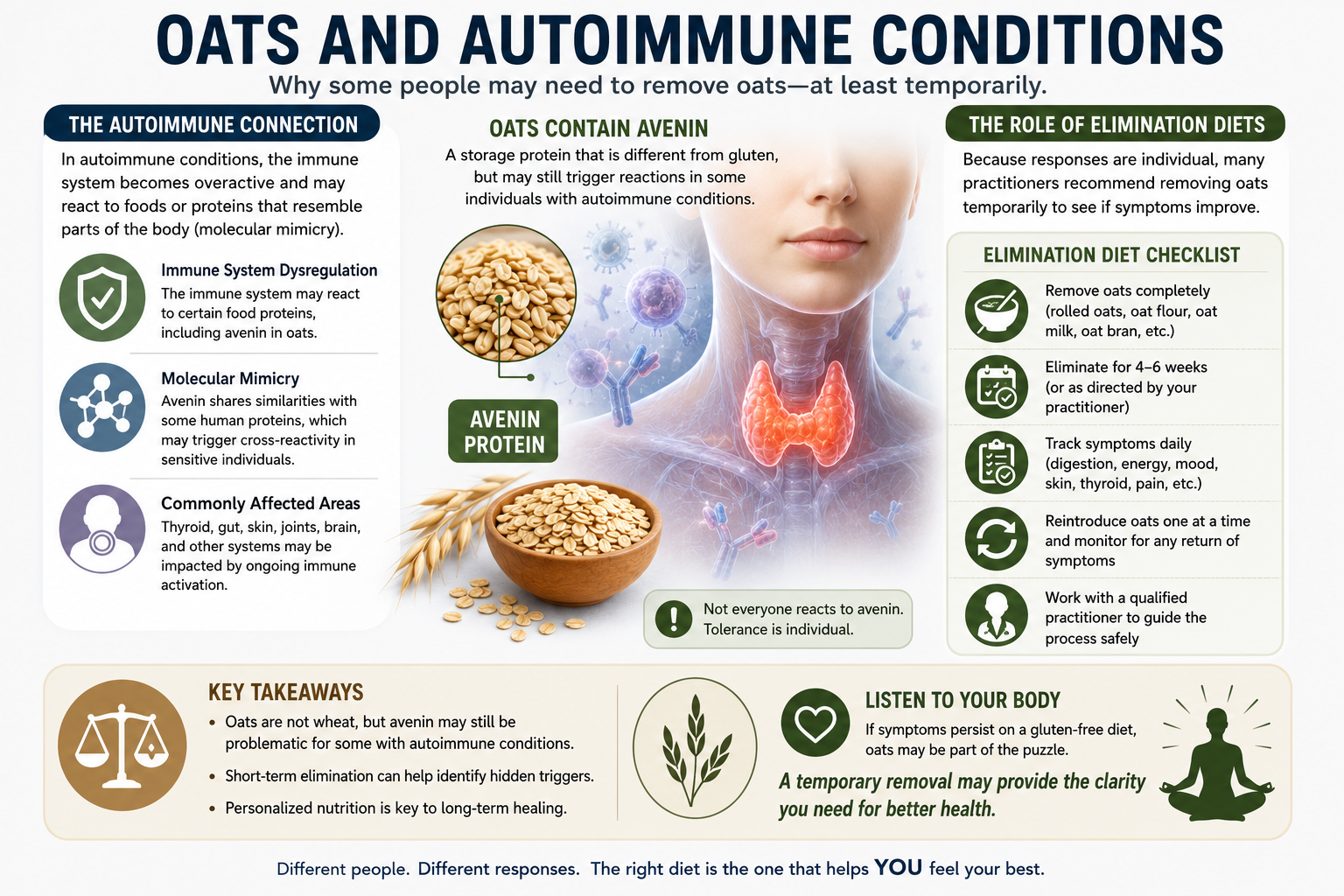
Some practitioners recommend temporarily removing oats during an elimination diet to determine whether they may be contributing to ongoing symptoms. Individual responses vary, and not everyone reacts to oats or avenin.
Some practitioners working with autoimmune patients recommend avoiding oats during elimination diets.
The reasoning is simple:
If the goal is to identify every possible trigger, oats should be evaluated just like any other food.
This does not mean oats cause autoimmune disease.
It simply means they may not be appropriate for every individual.
Future lessons will explore the relationship between gluten, immune activation, and autoimmune disease in much greater detail.
The Difference Between “Safe” and “Optimal”
One of the biggest problems in nutrition is confusing the words safe and optimal.
A food may be considered safe for the general population while still not being ideal for a particular individual.
This is especially true for people dealing with:
- Digestive disorders
- Autoimmune disease
- Chronic inflammation
- Persistent symptoms despite dietary changes
The question should not simply be:
“Is this food allowed?”
The better question is:
“How does my body respond to this food?”
Dr. Scott’s Clinical Perspective
I’m not suggesting that everyone should permanently avoid oats.
Many people tolerate oats without obvious problems.
However, I frequently see individuals who remove wheat yet continue consuming oats every day while wondering why they still struggle with symptoms.
If you’ve removed gluten and are not getting the results you expected, oats may deserve a closer look.
The goal is not to create unnecessary dietary restrictions.
The goal is to identify obstacles preventing recovery.
The Bottom Line
Oats do not contain wheat gluten.
However, they do contain their own storage protein called avenin.
Some individuals appear to tolerate oats very well.
Others may continue experiencing symptoms despite consuming only certified gluten-free oat products.
If you’ve removed wheat and still don’t feel your best, an oat-free trial may be worth considering.
Sometimes the foods we assume are helping are the very foods standing in the way of progress.
Next Lesson
Rice: The Gluten-Free Food Nobody Questions
Continue your Gluten University journey:
https://totalhealthcentervb.com/gluten-university/
About Dr. Scott
Dr. Scott of Total Health Center in Virginia Beach has been helping patients improve digestive health, thyroid function, autoimmune conditions, fatigue, and chronic inflammation through functional medicine since 1997. His approach focuses on identifying and addressing the underlying causes of illness through advanced testing, nutrition, lifestyle modification, and personalized care.
Frequently Asked Questions
Are oats actually gluten-free?
Oats do not contain the same gluten proteins found in wheat, barley, or rye. However, oats contain their own storage protein called avenin, and some individuals may continue experiencing symptoms despite consuming gluten-free oats.
What is avenin?
Avenin is the primary storage protein found in oats. While it is different from wheat gluten, some research suggests that certain individuals with gluten-related disorders may react to avenin or other oat proteins.
Why do some people react to oats if they are gluten-free?
Potential reasons include:
- Cross-contamination with wheat during farming or processing
- Sensitivity to avenin
- Individual immune responses
- Underlying digestive or autoimmune conditions
Not everyone reacts to oats, but some individuals report improvement when they remove them.
What are certified gluten-free oats?
Certified gluten-free oats are oats that have been tested and processed to minimize contamination from wheat, barley, and rye. They generally contain lower levels of gluten contamination than conventional oat products.
Can oats cause digestive symptoms?
Some individuals report symptoms such as:
- Bloating
- Gas
- Constipation
- Diarrhea
- Stomach discomfort
after consuming oats, even when the oats are certified gluten-free.
Can oats affect brain fog and fatigue?
Some people report improvements in energy, mental clarity, and overall well-being after removing oats during an elimination diet. Individual responses vary and may depend on multiple factors.
Should people with autoimmune disease avoid oats?
Not necessarily. However, some practitioners recommend temporarily removing oats during an elimination diet to determine whether they may be contributing to ongoing symptoms or immune activation.
How can I tell if oats are causing my symptoms?
The most practical approach is a structured elimination trial. Remove oats completely for several weeks, monitor symptoms, and then carefully reintroduce them while observing any changes.
Are oat milk and oat flour different from oatmeal?
No. Oat milk, oat flour, oat cereal, oat crackers, and oatmeal all contain oat proteins. Individuals sensitive to oats may react regardless of the form consumed.
References
- Comino I, et al. Diversity in oat varieties and immune responses in celiac disease.
- Pulido O, et al. Clinical evidence of oat safety and oat intolerance.
- Lundin KEA, et al. Oat challenge studies in celiac patients.
- Catassi C, Fasano A. Gluten-related disorders.
- Vojdani A. Food protein immune reactivity and cross-reactivity.