
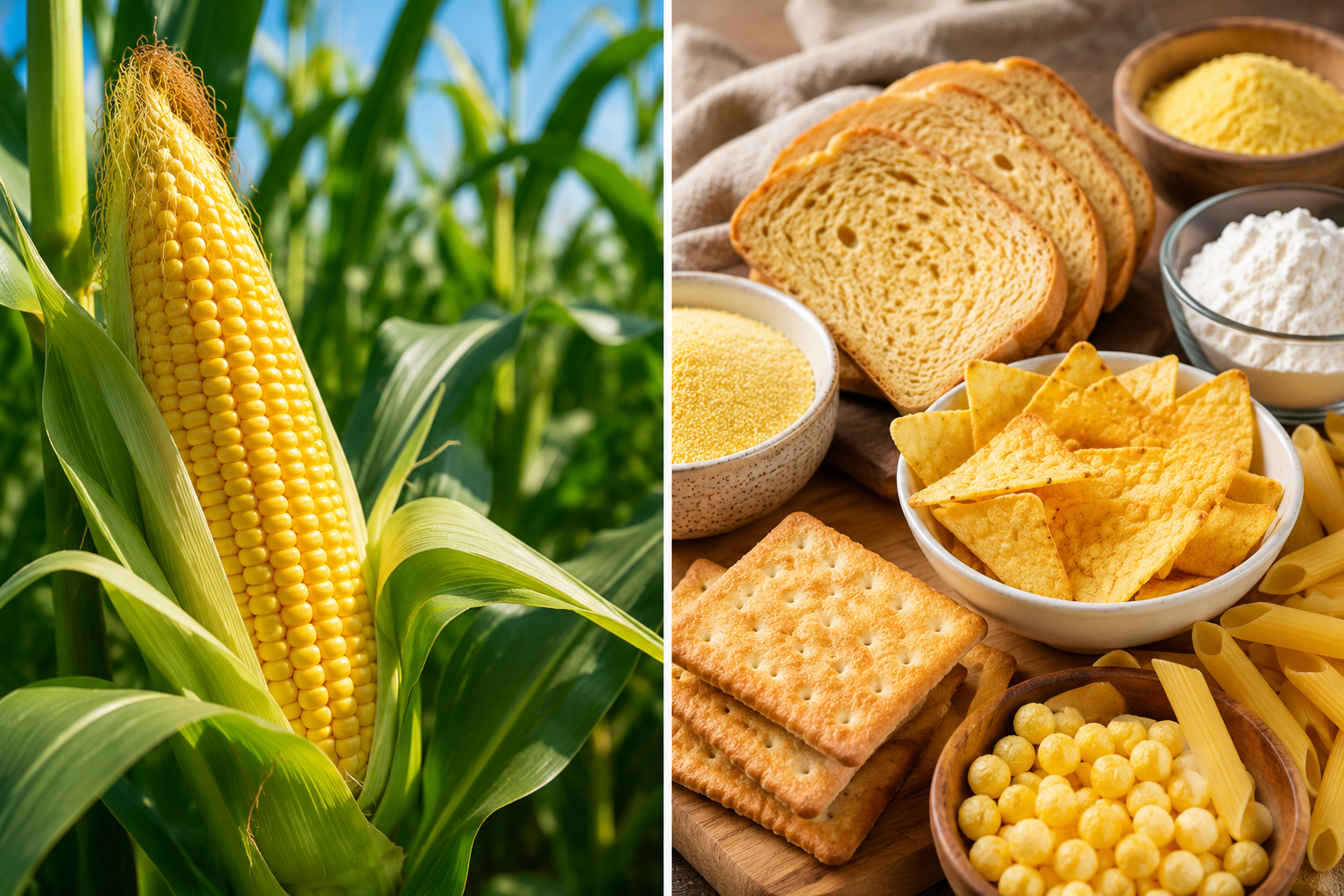
Why Corn May Be the Most Overlooked Grain
Gluten University – Lesson #5
Continue Your Gluten University Journey
Gluten University Home Page
https://totalhealthcentervb.com/gluten-university/
Lesson #1: Why Going Gluten-Free Isn’t Always Enough
https://totalhealthcentervb.com/why-going-gluten-free-isnt-always-enough/
Lesson #2: What Is Gluten Really?
https://totalhealthcentervb.com/what-is-gluten-really/
Lesson #3: The Many Faces of Gluten Sensitivity
https://totalhealthcentervb.com/many-faces-of-gluten-sensitivity/
Lesson #4: Are You Really Gluten-Free? Hidden Sources of Gluten Exposure
https://totalhealthcentervb.com/hidden-sources-of-gluten-exposure/
Many people begin a gluten-free diet expecting dramatic improvements in their health.
Sometimes that happens.
Sometimes it doesn’t.
One of the most common questions I hear is:
“I’ve been gluten-free for months. Why do I still have symptoms?”
For some individuals, the answer may have nothing to do with gluten itself.
Instead, it may involve one of the most overlooked grains in the modern food supply:
Corn.
Most gluten-free programs teach people to avoid wheat, barley, and rye while freely consuming corn products. But for some individuals, corn may deserve a closer look.
Why Corn Became the Gluten-Free Replacement
When gluten-free diets became popular, food manufacturers needed alternatives to wheat.
Corn quickly became one of the most common replacements.
Today, corn is found in countless gluten-free products including:
- Gluten-free bread
- Gluten-free pasta
- Gluten-free cereals
- Gluten-free crackers
- Gluten-free snack foods
- Gluten-free desserts
For many people, removing wheat simply means replacing it with corn-based products.
The question is:
Is replacing one grain with another always the best solution?
Corn Is Everywhere
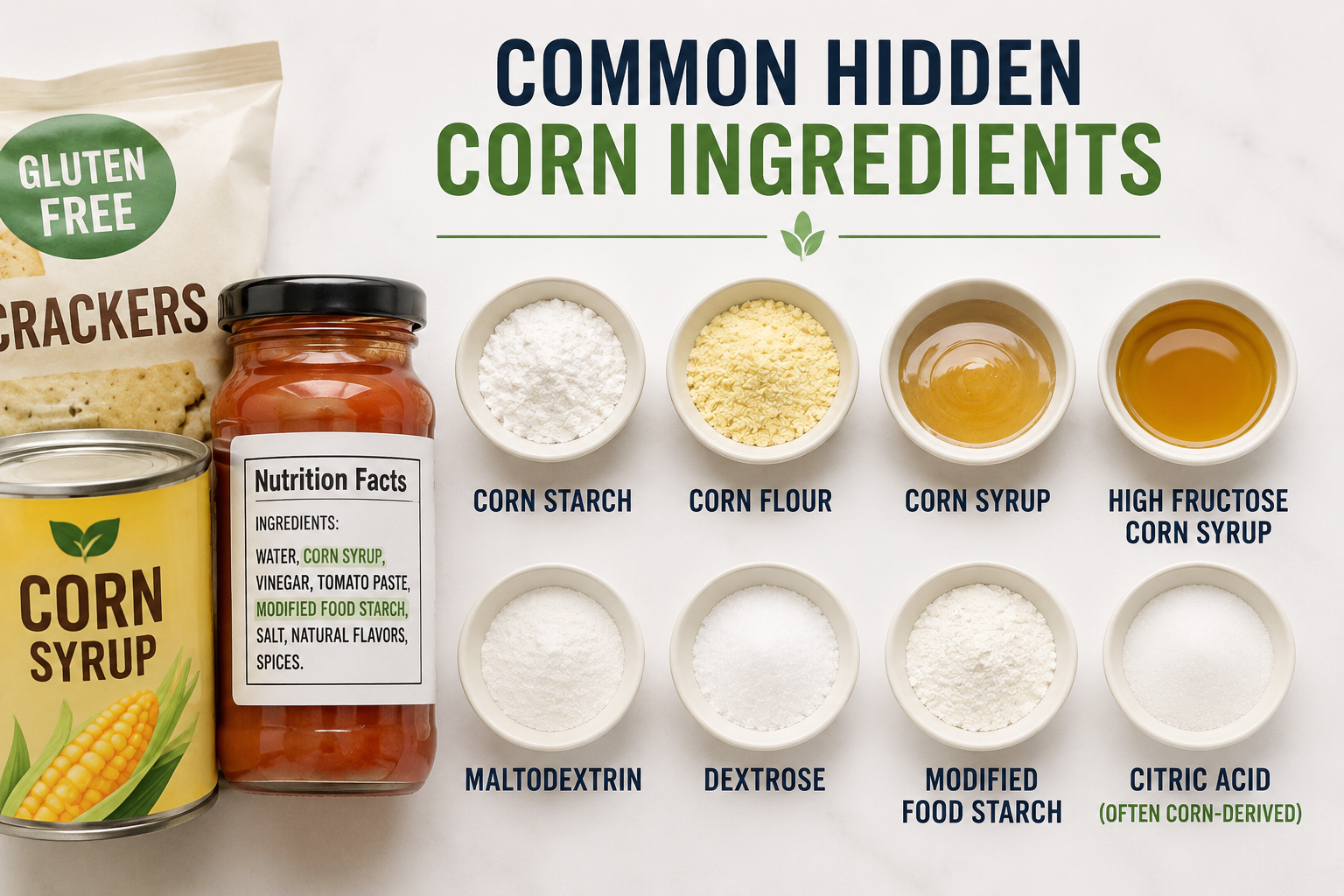
Many people consume corn every day without realizing it. Corn-derived ingredients such as corn starch, maltodextrin, dextrose, corn syrup, and modified food starch are common in processed foods and gluten-free products.
Most people think they eat very little corn.
The reality is often very different.
Corn hides in many ingredients including:
- Corn flour
- Corn meal
- Corn starch
- Corn syrup
- High fructose corn syrup
- Dextrose
- Maltodextrin
- Modified food starch
- Citric acid (often corn-derived)
- Xanthan gum
Even people who rarely eat corn on the cob may consume corn-derived ingredients multiple times per day.
This is especially true when relying heavily on processed gluten-free foods.
The GMO Corn Reality

Modern corn production often involves genetically engineered crops and herbicide use. These agricultural practices have sparked ongoing discussions regarding glyphosate exposure, environmental impact, and long-term health considerations.
One factor that makes corn unique is the widespread use of genetic modification.
According to USDA data, more than 90% of corn grown in the United States is genetically engineered.
Most GMO corn has been developed to:
- Tolerate herbicides
- Resist insects
- Increase crop yields
Supporters point to improved agricultural efficiency.
Critics raise concerns regarding:
- Chemical exposure
- Environmental impact
- Biodiversity
- Long-term health effects
Regardless of where someone stands on the GMO debate, modern corn is significantly different from the corn consumed by previous generations.
Glyphosate and Corn Production
Another concern frequently discussed in functional medicine is glyphosate exposure.
Glyphosate is the active ingredient in many herbicides used throughout modern agriculture.
Because many GMO crops are designed to tolerate glyphosate, its use has increased substantially over the past several decades.
Research continues to investigate the potential effects of chronic exposure on:
- Gut microbiome health
- Intestinal permeability
- Immune function
- Nutrient metabolism
While the science continues to evolve, many health-conscious consumers choose organic foods to help reduce overall exposure to agricultural chemicals.
Can Corn Cause Symptoms?
One of the biggest misconceptions in the gluten-free community is:
“If it’s gluten-free, nobody reacts to it.”
The reality is that the immune system doesn’t read food labels.
Corn does not contain wheat gluten.
However, corn contains its own unique proteins.
Some individuals appear to react to these proteins and may experience symptoms such as:
- Bloating
- Gas
- Digestive discomfort
- Brain fog
- Fatigue
- Joint pain
- Skin issues
This does not mean corn is harmful for everyone.
It simply means that some people may tolerate corn differently than others.
The Functional Medicine Perspective
At Total Health Center, I occasionally work with patients who have already removed gluten but continue experiencing symptoms.
Common complaints include:
- Digestive problems
- Fatigue
- Brain fog
- Chronic inflammation
- Joint pain
- Skin issues
In some cases, additional dietary triggers may be contributing to ongoing symptoms.
Corn is one food that may deserve consideration, particularly when a person’s diet consists largely of processed gluten-free products.
This is one reason I often encourage patients to focus on whole foods rather than simply searching for gluten-free substitutes.
A gluten-free cookie is still a cookie.
A gluten-free cracker is still a processed food.
A gluten-free donut is still a donut.
The goal is not simply removing gluten.
The goal is improving health.
Is Organic Corn Better?
For individuals who tolerate corn, organic options may offer several potential advantages.
These include:
- Reduced glyphosate exposure
- Reduced pesticide exposure
- Non-GMO production standards
- Fewer agricultural chemical inputs
Organic foods are not automatically healthy.
However, many people prefer them as part of a strategy to reduce overall chemical exposure.
Focus on Whole Foods First
One of the simplest ways to avoid confusion is to build meals around foods that do not require ingredient labels.
Examples include:
- Beef
- Poultry
- Fish
- Eggs
- Vegetables
- Fruit
- Nuts and seeds
- Healthy fats
The fewer processed foods you eat, the easier it becomes to identify potential triggers.
The Bottom Line
Corn may be one of the most overlooked foods in the gluten-free community.
Many people tolerate corn without difficulty.
Others may continue experiencing symptoms despite eliminating wheat, barley, and rye.
If you’ve been gluten-free but still don’t feel your best, it may be worth looking beyond gluten and considering other foods that have become staples of the modern gluten-free diet.
Sometimes the next step forward isn’t removing more foods forever.
It’s asking better questions and paying closer attention to how your body responds.
Next Lesson
TRUE Gluten-Free: Why Some People Need More Than a Gluten-Free Diet
In the next lesson, we’ll explore why some individuals continue to struggle even after removing gluten and how functional medicine approaches food sensitivity differently than conventional dietary advice.
Frequently Asked Questions
Is corn gluten-free?
Yes. Corn does not contain the gluten proteins found in wheat, barley, and rye. However, some individuals may still react to corn or corn-derived ingredients.
Why do some people still have symptoms after removing gluten?
Some individuals may be reacting to other foods, hidden ingredients, cross-contamination, or additional dietary triggers that remain in the diet after gluten is removed.
What are common hidden sources of corn?
Common corn-derived ingredients include corn starch, maltodextrin, dextrose, corn syrup, high fructose corn syrup, modified food starch, and citric acid.
Is most corn in the United States genetically modified?
Yes. More than 90% of corn grown in the United States is genetically engineered according to USDA data.
What is glyphosate?
Glyphosate is a commonly used herbicide in modern agriculture. Research continues to investigate its effects on gut health, the microbiome, immune function, and overall health.
Is organic corn better?
Organic corn may reduce exposure to glyphosate and other agricultural chemicals while also meeting non-GMO production standards.
Should everyone avoid corn?
No. Many people tolerate corn without difficulty. The goal is to determine how your individual body responds rather than assuming one approach works for everyone.
Why does functional medicine sometimes evaluate corn sensitivity?
Functional medicine focuses on identifying potential contributors to symptoms. In some individuals, corn may be a dietary trigger that deserves further investigation.
References
- United States Department of Agriculture (USDA). Adoption of Genetically Engineered Crops in the U.S.
- National Institutes of Health (NIH). Research on glyphosate exposure and human health.
- Vojdani A. Food protein immune reactivity and cross-reactivity.
- Fasano A. Intestinal permeability and immune activation.
- Sapone A, et al. Spectrum of gluten-related disorders.
- Environmental Working Group (EWG). Glyphosate exposure reports.
- National Library of Medicine. Research on the gut microbiome and environmental exposures.
About Dr. Scott
Dr. Scott has been helping patients improve digestive health, thyroid disorders, autoimmune conditions, fatigue, and chronic inflammation through functional medicine since 1997. At Total Health Center in Virginia Beach, he focuses on identifying underlying causes rather than simply managing symptoms. His approach combines nutrition, lifestyle medicine, advanced testing, and personalized care to help patients achieve lasting improvements in health.