Goitrogenic Foods and Thyroid Health
If you’ve been diagnosed with Hashimoto’s disease, hypothyroidism, or another thyroid condition, you’ve probably heard the warning:
“Don’t eat broccoli.”
Or maybe it was kale, cabbage, cauliflower, Brussels sprouts, or soy.
I’ve had countless patients come into my office convinced they were harming their thyroid every time they ate a salad or ordered steamed broccoli with dinner. Many have removed some of the healthiest foods from their diet because they read that these foods are “goitrogenic.”
Unfortunately, thyroid nutrition is rarely that simple.
Many patients are surprised to learn there are several different types of thyroid dysfunction, and each requires a different approach to diagnosis and treatment. Before worrying about individual foods, it’s important to understand the bigger picture of thyroid health. If you’re new to thyroid disease, I recommend reading my article on Thyroid Problems and Natural Treatment:
The problem is that advice about goitrogenic foods is often oversimplified.
While goitrogenic foods can affect thyroid function under certain circumstances, they are rarely the primary reason someone develops thyroid disease. In fact, for most people, these vegetables provide far more health benefits than risks.
The important question isn’t whether goitrogenic foods are good or bad.
The real question is:
When do goitrogenic foods actually matter?
Understanding the answer can help you make better dietary decisions without unnecessarily eliminating foods that support overall health.
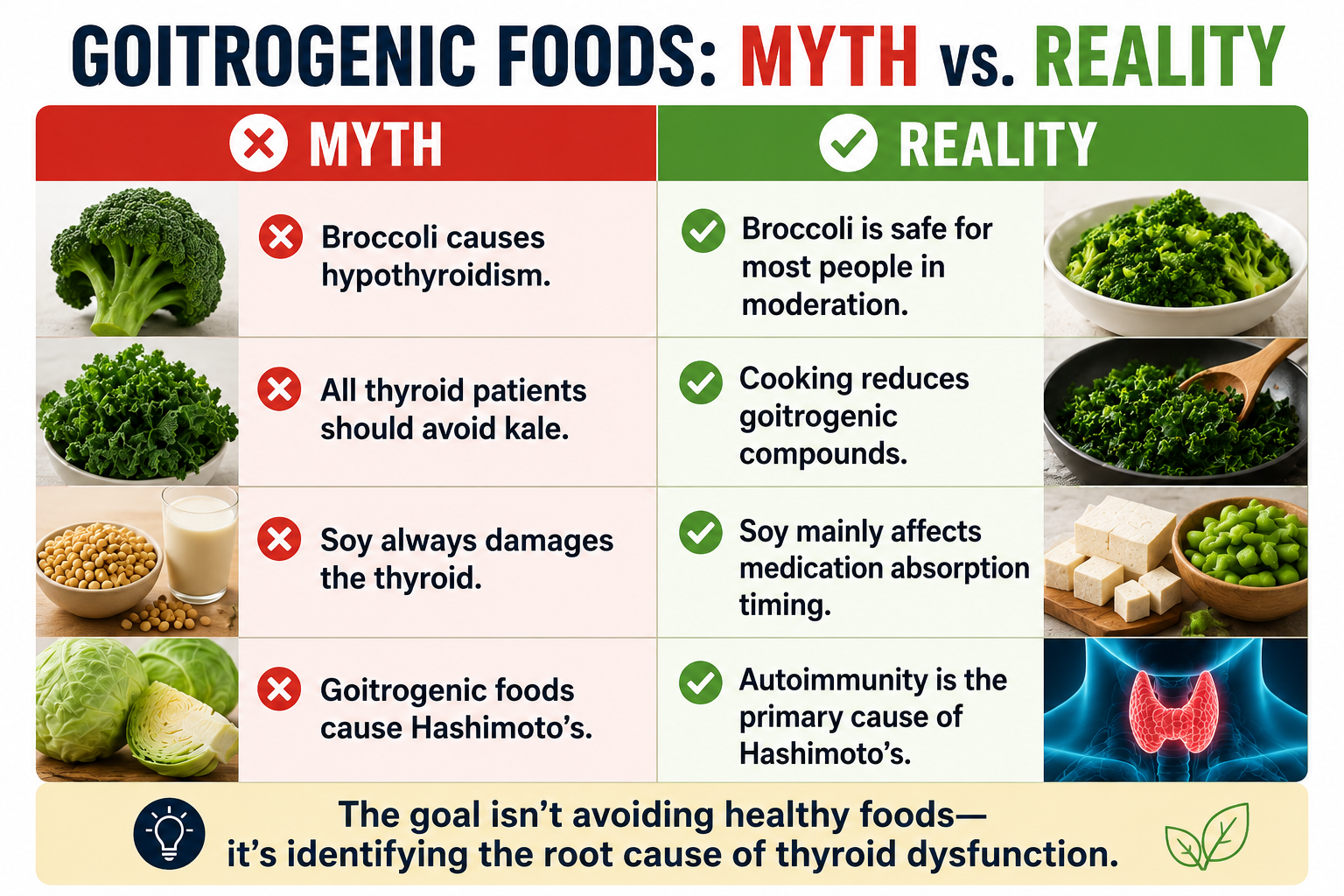
Many people with thyroid disease unnecessarily avoid healthy foods because of common myths. This comparison highlights what the research actually shows about goitrogenic foods and thyroid health.
What Are Goitrogenic Foods?
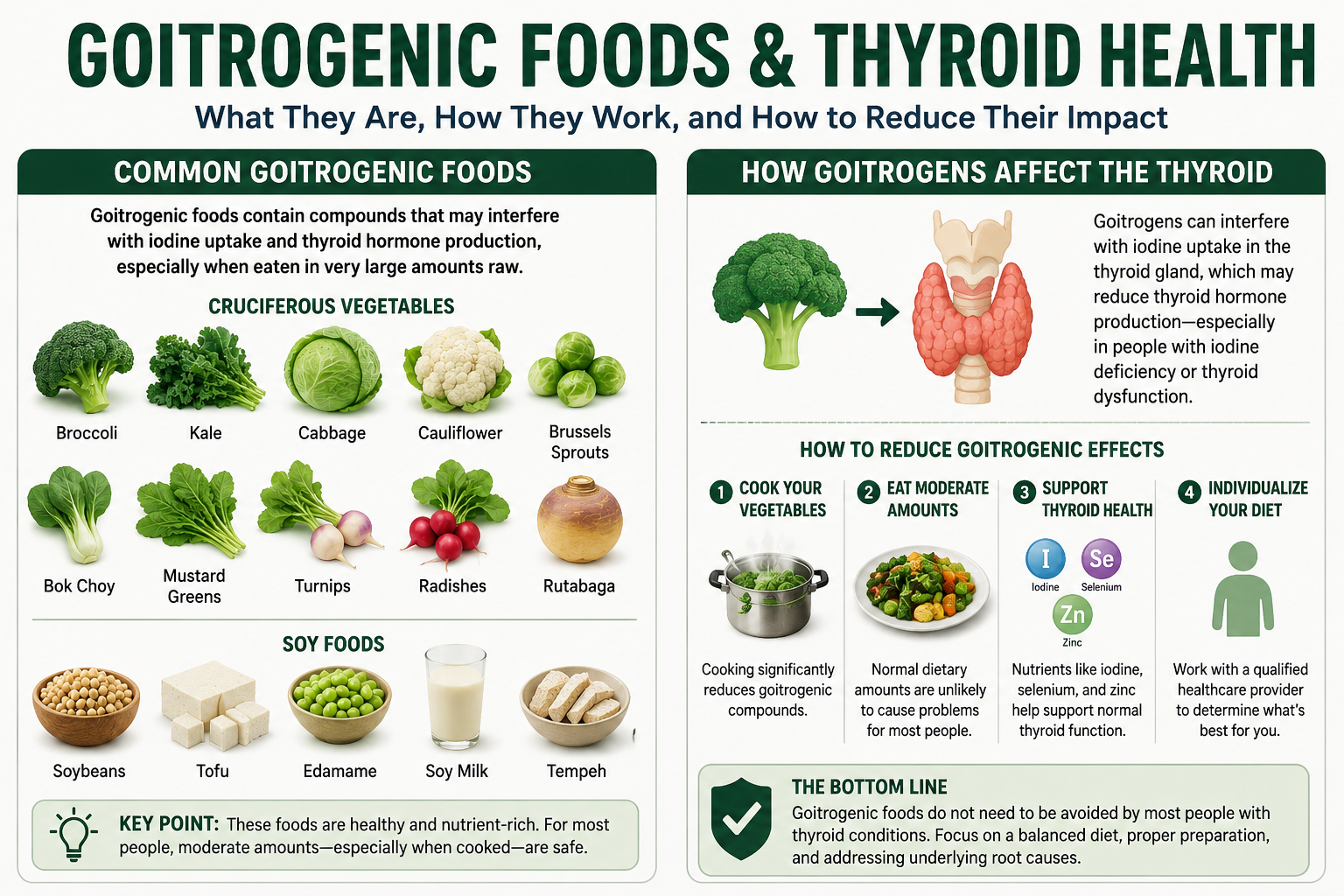
Goitrogens are naturally occurring compounds found in certain plants. Under specific conditions, these compounds can interfere with the thyroid’s ability to utilize iodine, a mineral required for the production of thyroid hormones.
The word goitrogen comes from the word goiter, an enlargement of the thyroid gland. Historically, goiters commonly developed in people who were iodine deficient. When the thyroid cannot produce enough thyroid hormone, the pituitary gland increases thyroid-stimulating hormone (TSH) in an attempt to make the thyroid work harder. Over time, this constant stimulation can enlarge the gland.
Because goitrogenic compounds can influence iodine metabolism, researchers have studied whether these foods might contribute to thyroid dysfunction.
The key point is that there is a significant difference between what happens in laboratory studies and what happens when someone eats normal amounts of these vegetables as part of a healthy diet.
Understanding whether your thyroid is functioning properly involves much more than simply measuring TSH. In many cases, a comprehensive evaluation should include Free T3, Free T4, thyroid antibodies, and other laboratory markers that help identify why thyroid symptoms persist. You can learn more in my article on Comprehensive Thyroid Testing:
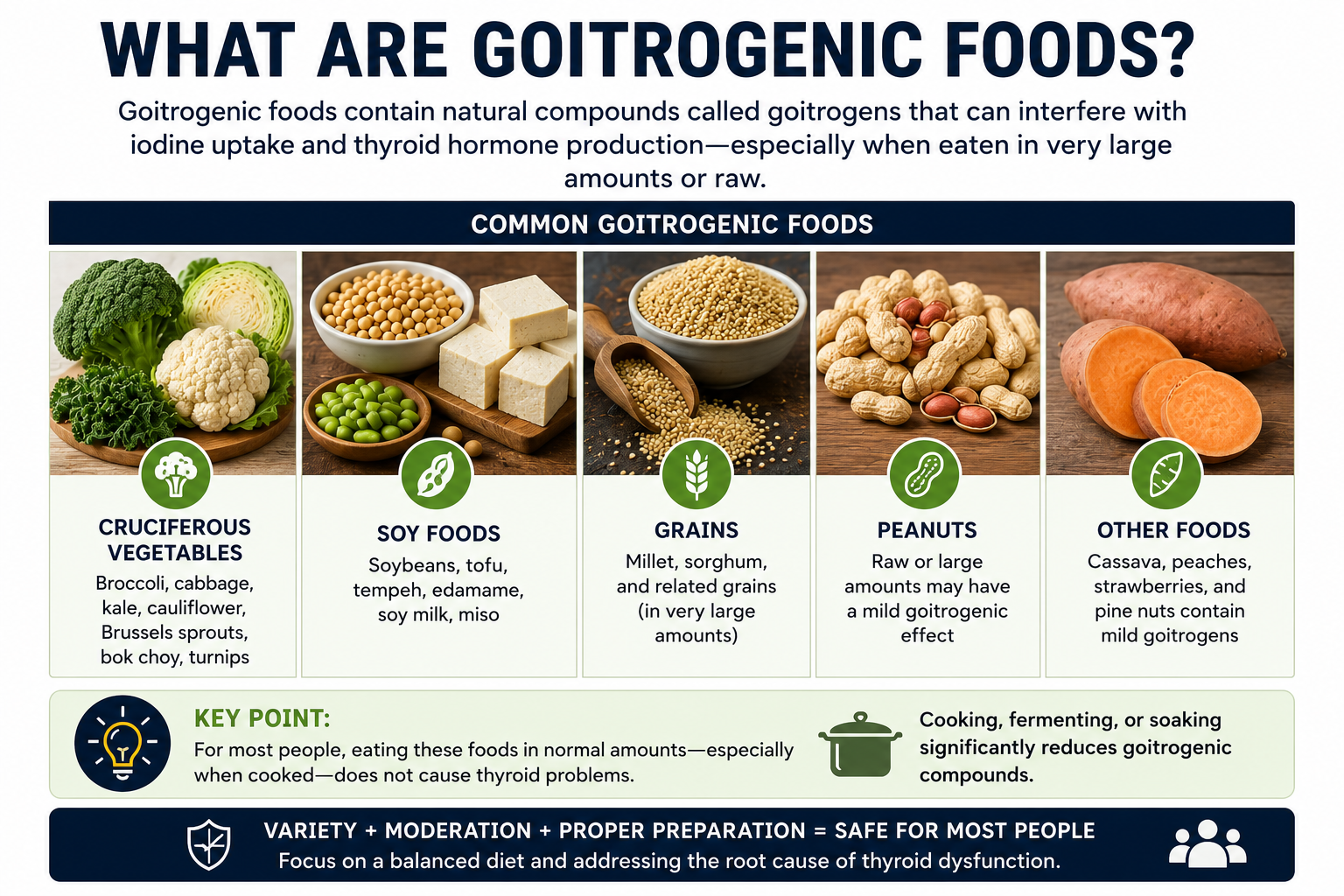
Goitrogenic foods include cruciferous vegetables, soy foods, and a few other plant foods. For most people, moderate consumption—especially when these foods are cooked—is safe and does not cause thyroid disease.
Common Goitrogenic Foods
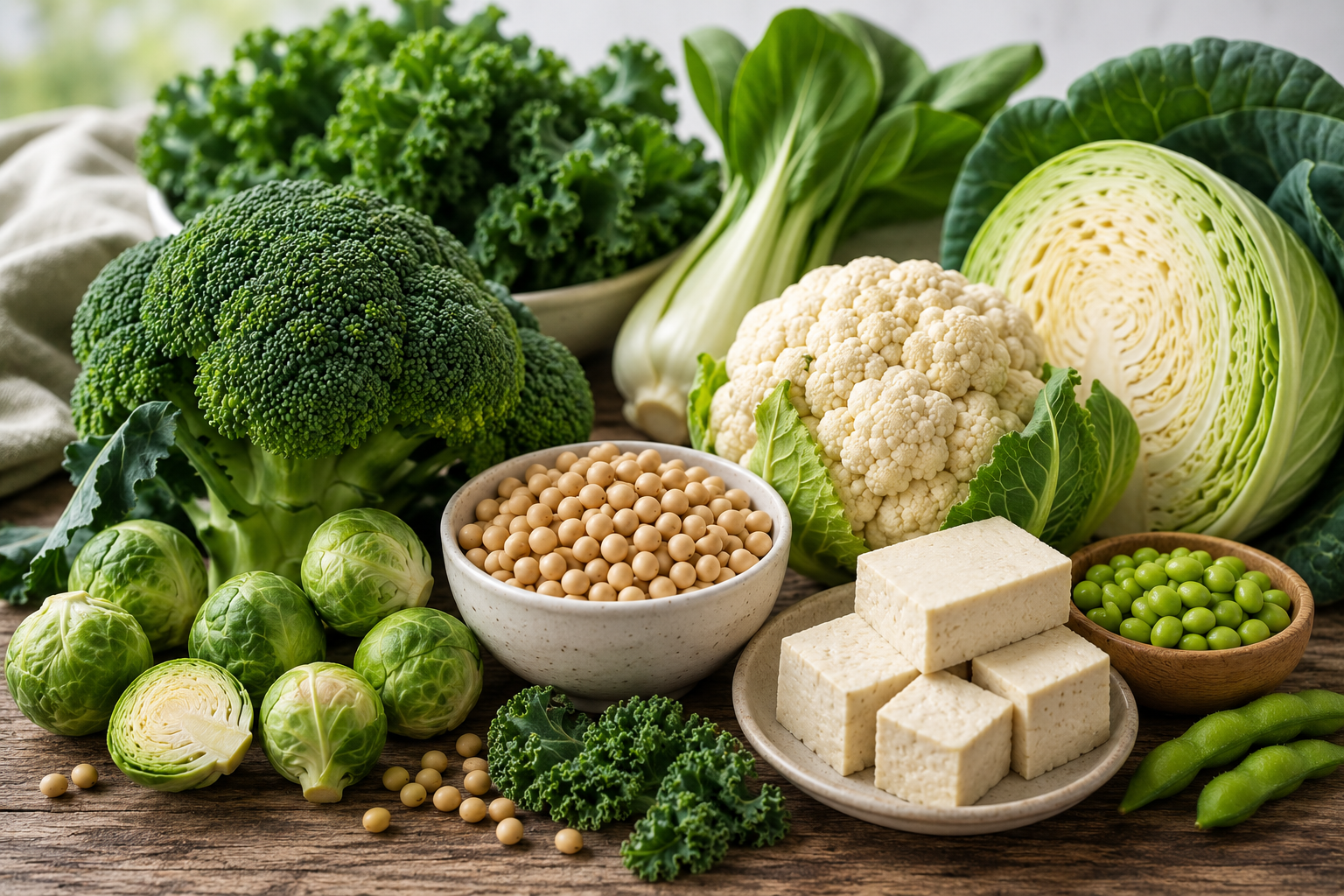
Foods that naturally contain goitrogenic compounds include:
- Broccoli
- Kale
- Cabbage
- Cauliflower
- Brussels sprouts
- Bok choy
- Mustard greens
- Turnips
- Rutabagas
- Radishes
- Kohlrabi
- Cassava
- Bamboo shoots
- Soybeans and soy products
- Spinach
- Strawberries
- Peaches
At first glance, that list can be alarming.
Ironically, many of these foods are also considered nutritional powerhouses. They are rich in fiber, vitamins, minerals, antioxidants, and plant compounds that support immune function, cardiovascular health, detoxification, and digestive health.
This is why eliminating every goitrogenic food simply because you have a thyroid disorder usually isn’t the best approach.
Should Thyroid Patients Avoid Them?
For most people, the answer is no.
Current research does not support the idea that eating reasonable amounts of cruciferous vegetables causes thyroid disease in people with adequate iodine intake. Even many patients with Hashimoto’s thyroiditis or hypothyroidism can safely enjoy these foods as part of a balanced diet.
Where problems may occur is when several risk factors exist at the same time.
These may include:
- Iodine deficiency
- Eating extremely large amounts of raw cruciferous vegetables every day
- Heavy reliance on soy products
- Existing thyroid disease
- Certain nutritional deficiencies
Another factor that is frequently overlooked is thyroid hormone conversion. Some patients continue to experience fatigue, brain fog, weight gain, constipation, and other symptoms even though their TSH appears “normal.” One possible reason is poor conversion of T4 into the active thyroid hormone T3, or elevated Reverse T3, which can interfere with thyroid hormone activity. I discuss this in much greater detail in my article:
How Reverse T3 Affects Thyroid Under Conversion
This is one reason nutrition can never be reduced to a simple list of “good” and “bad” foods.
Every patient is different.
Two people can eat exactly the same diet and have completely different outcomes depending on their genetics, digestive health, nutrient status, hormone balance, immune system, and overall thyroid function.
| Myth | Reality |
|---|---|
| If you have hypothyroidism or Hashimoto’s disease, you should never eat broccoli, kale, or cabbage. | Most people with thyroid disease can safely eat these vegetables in moderation, especially when they are cooked. |
| Goitrogenic foods cause thyroid disease. | Goitrogenic foods rarely cause thyroid disease by themselves. Autoimmune disease, genetics, nutrient deficiencies, inflammation, and hormone imbalances are much more common causes. |
| All cruciferous vegetables are harmful to the thyroid. | Cruciferous vegetables are among the most nutrient-dense foods you can eat and provide fiber, antioxidants, vitamins, and phytochemicals that support overall health. |
| Cooking doesn’t make a difference. | Cooking significantly reduces many of the compounds responsible for goitrogenic activity, making these vegetables well tolerated by most people. |
| Everyone with a thyroid condition should follow the same diet. | There is no one-size-fits-all thyroid diet. Nutritional recommendations should be individualized based on your health history, laboratory findings, medications, and underlying causes of thyroid dysfunction. |
| Avoiding goitrogenic foods will solve most thyroid problems. | Food is only one piece of the puzzle. Successful treatment often requires addressing immune function, gut health, nutrient deficiencies, stress, sleep, inflammation, and thyroid hormone conversion. |
Does Cooking Make a Difference?
Yes.
Cooking significantly reduces many of the compounds responsible for goitrogenic activity.
Steaming, roasting, sautéing, or lightly cooking cruciferous vegetables allows most people to enjoy their nutritional benefits while decreasing their potential effect on iodine metabolism.
That doesn’t mean raw vegetables are unhealthy.
It simply means there is a difference between eating an occasional salad and drinking several large raw kale smoothies every day for months.
As with most aspects of nutrition, moderation matters.
What About Soy?
Soy deserves special consideration because it raises two separate concerns.
First, soy naturally contains goitrogenic compounds that can influence iodine metabolism under certain circumstances.
Second, soy may interfere with the absorption of thyroid medication if it is consumed too close to taking your prescription medication. This doesn’t mean soy causes thyroid disease, but it does mean medication timing is important.
For most patients, moderate consumption of soy is not a major concern. Fermented soy products such as tempeh, natto, and miso are generally considered preferable to highly processed soy foods. If you take thyroid medication, talk with your healthcare provider about how long you should wait before eating soy-containing foods.
Like most nutritional recommendations, the answer is not simply “avoid soy.” The goal is understanding whether soy is actually contributing to your individual health picture.
Goitrogenic foods are rarely the primary cause of thyroid disease. A comprehensive functional medicine approach looks beyond diet to identify underlying factors such as autoimmunity, gut health, nutrient deficiencies, inflammation, stress, and thyroid hormone conversion.
Looking Beyond Food
One of the biggest mistakes I see is patients becoming so focused on avoiding a handful of foods that they overlook the much larger issues affecting their thyroid.
In my practice, thyroid dysfunction is rarely caused by broccoli.
Far more commonly, we uncover autoimmune disease, chronic inflammation, digestive dysfunction, nutrient deficiencies, chronic stress, blood sugar imbalance, poor sleep, hormone imbalances, or impaired thyroid hormone conversion.
This is one of the major differences between conventional medicine and functional medicine.
Instead of simply asking, “What medication matches this diagnosis?” functional medicine asks, “Why is the thyroid struggling in the first place?”
We evaluate the interactions between nutrition, digestion, immune function, hormones, inflammation, lifestyle, and environmental factors to identify the underlying causes of thyroid dysfunction.
If you’re unfamiliar with this approach, I encourage you to read:
What Makes Functional Medicine Different
Removing healthy vegetables while ignoring these underlying issues rarely leads to lasting improvement.
Instead of asking,
“Which foods should I avoid?”
I encourage patients to ask,
“Why is my thyroid struggling in the first place?”
That question almost always leads to much more meaningful answers.
Dr. Scott’s Clinical Insight
After treating thyroid patients for many years, I’ve learned that successful treatment almost never comes from chasing a single food.
The patients who experience the greatest improvement are the ones who understand that thyroid health is influenced by many interconnected systems.
Nutrition certainly matters.
But so do digestive health, inflammation, stress, sleep quality, nutrient deficiencies, hormone balance, and immune function.
When we identify and address those underlying issues, many patients are able to enjoy a much more varied diet without constantly worrying about every bite they eat.
My goal is never to place unnecessary restrictions on your diet.
My goal is to help you understand why your thyroid is struggling so we can create a plan that is personalized for you.
My Recommendations
For most thyroid patients, I recommend:
- Eat a wide variety of vegetables rather than avoiding them out of fear.
- Avoid consuming excessive amounts of raw cruciferous vegetables every day.
- Cook cruciferous vegetables if they make up a significant portion of your diet.
- Ensure adequate iodine intake, but avoid high-dose iodine supplementation unless specifically recommended by your healthcare provider.
- Be mindful of soy if you take thyroid medication.
- Work with a knowledgeable practitioner to determine which dietary recommendations are appropriate for your specific situation.
Vitamin D is another nutrient that deserves attention.
Many patients with Hashimoto’s disease and other autoimmune conditions have low vitamin D levels, and correcting a deficiency may support immune regulation as part of a comprehensive treatment plan. Learn more in my article:
How Vitamin D Affects Thyroid Conditions
Nutrition should always be individualized.
There is no single thyroid diet that works for everyone.
Final Thoughts
Goitrogenic foods have developed a reputation that often exceeds the scientific evidence.
For most people, broccoli, kale, cabbage, cauliflower, and other cruciferous vegetables are not the enemy.
They are nutritious foods that can be part of a healthy diet.
Rather than fearing individual foods, focus on understanding the underlying causes of your thyroid condition and building a nutrition plan that supports your body’s unique needs.
If you’re struggling with hypothyroidism, Hashimoto’s disease, unexplained fatigue, weight gain, brain fog, or abnormal thyroid laboratory results despite treatment, a comprehensive functional medicine evaluation may help identify factors that conventional testing often overlooks.
At Total Health Center, we use advanced functional laboratory testing to evaluate thyroid hormone production, thyroid hormone conversion, immune function, nutrition, gut health, inflammation, and other systems that influence thyroid health.
If you’d like to learn more about our approach or schedule a consultation, visit our:
Thyroid Problems and Natural Treatment
If you’re experiencing persistent thyroid symptoms and would like to discuss your individual situation, schedule a free consultation with Total Health Center.

We work with patients throughout the Virginia Beach area as well as through secure virtual consultations across the United States.
We work with patients throughout the Virginia Beach area as well as through secure virtual consultations across the United States, allowing people to receive comprehensive functional medicine care regardless of where they live.
Key Takeaways
- Goitrogenic foods are not inherently harmful and should not automatically be eliminated if you have a thyroid condition.
- Most people with healthy iodine levels can safely enjoy cruciferous vegetables as part of a balanced diet.
- Cooking broccoli, kale, cabbage, cauliflower, and other cruciferous vegetables significantly reduces their goitrogenic activity.
- Soy deserves special consideration because it may interfere with the absorption of thyroid medication when consumed too close to taking it.
- Thyroid dysfunction is rarely caused by a single food. Autoimmune disease, nutrient deficiencies, digestive health, chronic inflammation, stress, hormone balance, and thyroid hormone conversion often play much larger roles.
- Nutrition should always be individualized. What works well for one thyroid patient may not be appropriate for another.
- If you continue to experience fatigue, weight gain, brain fog, or other thyroid symptoms despite “normal” laboratory tests, a comprehensive functional medicine evaluation may help identify underlying causes that conventional testing has overlooked.
About Dr. Scott
Dr. Mark Scott is the founder and clinic director of Total Health Center in Virginia Beach, Virginia. Since 1996, he has helped thousands of patients with thyroid disorders, autoimmune disease, digestive conditions, chronic fatigue, hormone imbalances, and other complex health problems using a functional medicine approach that focuses on identifying and treating the root cause rather than simply managing symptoms.
His practice combines advanced laboratory testing with evidence-based natural therapies to create personalized treatment plans tailored to each patient’s unique physiology. In addition to caring for patients in the Virginia Beach area, Dr. Scott also works with individuals throughout the United States through secure virtual consultations.
If you’re looking for a comprehensive approach to thyroid health, Hashimoto’s disease, hypothyroidism, or persistent symptoms that have not responded to conventional treatment, Total Health Center offers both in-person and virtual consultations to help uncover the underlying causes of your health concerns.
References
- American Thyroid Association. Hypothyroidism and thyroid disease patient resources.
- National Institutes of Health Office of Dietary Supplements. Iodine Fact Sheet for Health Professionals.
- National Center for Biotechnology Information. Reviews examining cruciferous vegetables, glucosinolates, and thyroid function.
- National Center for Biotechnology Information. Research on soy consumption and thyroid hormone metabolism.
- American Association of Clinical Endocrinology. Clinical practice guidance for the evaluation and management of hypothyroidism.
- National Institutes of Health Office of Dietary Supplements. Vitamin D Fact Sheet for Health Professionals.
Frequently Asked Questions
Can goitrogenic foods cause hypothyroidism?
For most people, no. While goitrogenic foods can interfere with iodine utilization under certain circumstances, eating normal amounts of cruciferous vegetables is unlikely to cause hypothyroidism. Thyroid disease is much more commonly related to autoimmune conditions such as Hashimoto’s thyroiditis, nutrient deficiencies, genetics, or other underlying health issues.
What are the most common goitrogenic foods?
Common goitrogenic foods include broccoli, kale, cabbage, cauliflower, Brussels sprouts, bok choy, mustard greens, turnips, radishes, rutabagas, soybeans, tofu, edamame, and certain other vegetables and legumes.
Are raw vegetables worse than cooked vegetables?
Generally, yes. Cooking significantly reduces many of the compounds responsible for goitrogenic activity. Most people with thyroid conditions tolerate cooked cruciferous vegetables very well as part of a balanced diet.
Should I avoid broccoli if I have Hashimoto’s disease?
Not necessarily. Most people with Hashimoto’s disease do not need to eliminate broccoli or other cruciferous vegetables. Unless you consume very large amounts of raw vegetables or have significant iodine deficiency, these foods are unlikely to be the primary cause of thyroid dysfunction.
Is kale bad for your thyroid?
Kale is an excellent source of vitamins, minerals, fiber, and antioxidants. Eating reasonable amounts of kale is unlikely to harm thyroid function in most people. Problems are more likely to occur with excessive intake of raw kale combined with iodine deficiency.
Does soy interfere with thyroid medication?
Yes. Soy may reduce the absorption of thyroid medication if eaten too close to taking your prescription. Most healthcare providers recommend separating thyroid medication from soy-containing foods by several hours. Always follow your prescribing physician’s recommendations.
Does cooking eliminate goitrogens?
Cooking does not eliminate goitrogenic compounds completely, but it significantly reduces their activity. Steaming, roasting, sautéing, and boiling cruciferous vegetables generally makes them less likely to interfere with iodine metabolism.
Should people with hypothyroidism avoid all goitrogenic foods?
No. Eliminating all goitrogenic foods is usually unnecessary and may reduce your intake of many highly nutritious vegetables. A balanced diet that includes a variety of cooked vegetables is appropriate for most people with hypothyroidism.
Is iodine supplementation the answer?
Not always. While iodine is essential for thyroid hormone production, taking excessive amounts of iodine can actually worsen certain thyroid conditions, particularly Hashimoto’s thyroiditis. Iodine supplementation should be individualized and based on appropriate evaluation.
Why do I still have thyroid symptoms if my TSH is normal?
A normal TSH does not always mean your thyroid is functioning optimally. Factors such as poor conversion of T4 to T3, elevated Reverse T3, autoimmune thyroid disease, nutrient deficiencies, chronic inflammation, digestive dysfunction, and hormonal imbalances may all contribute to persistent symptoms despite “normal” laboratory results.
Can diet alone reverse thyroid disease?
Diet plays an important role in supporting thyroid health, but it is rarely the only factor. Successful treatment often requires addressing multiple underlying contributors, including nutrition, gut health, inflammation, immune function, stress, sleep quality, hormone balance, and lifestyle factors.
When should I see a functional medicine practitioner for thyroid problems?
If you continue to experience fatigue, weight gain, brain fog, hair loss, constipation, depression, cold intolerance, or other thyroid-related symptoms despite normal laboratory tests or thyroid medication, a functional medicine evaluation may help identify underlying factors that conventional testing has not addressed. A more comprehensive assessment can often provide additional insight into the root causes of persistent thyroid symptoms.