
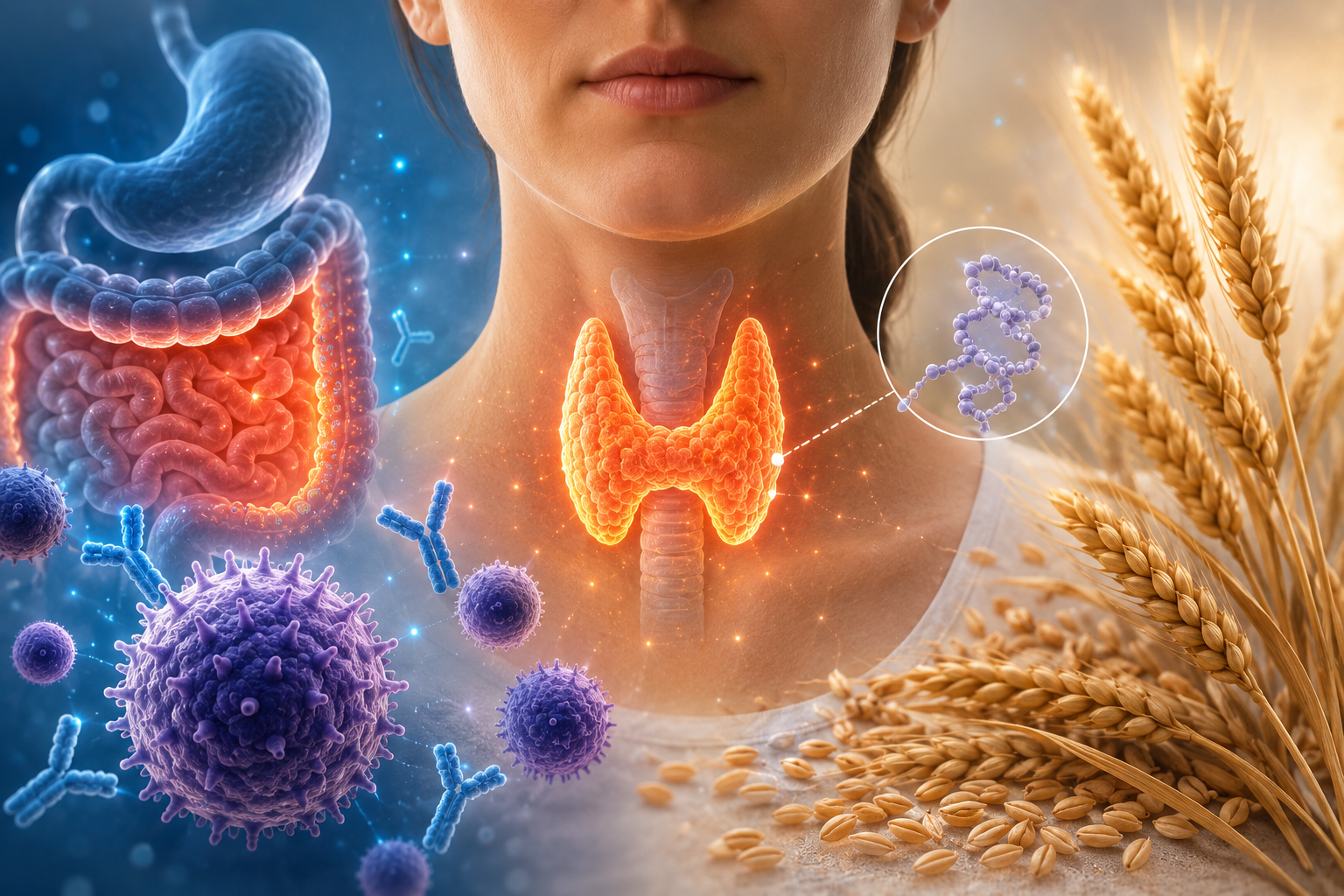
Gluten University Lesson #10
The Gluten-Autoimmune Connection
Part of the Gluten University Educational Series
Gluten University Home
https://totalhealthcentervb.com/gluten-university/
Previous Lesson
https://totalhealthcentervb.com/hidden-proteins-in-wheat-that-arent-gluten/
Introduction
Many people think gluten only affects digestion.
However, some of the most fascinating research surrounding gluten involves something entirely different:
The immune system.
Over the last several decades, researchers have explored potential connections between gluten exposure, intestinal permeability, immune activation, and autoimmune disease.
While gluten does not cause every autoimmune condition, growing evidence suggests it may play an important role in susceptible individuals.
Understanding this relationship may help explain why gluten is one of the most commonly investigated dietary triggers in functional medicine.
What Is Autoimmunity?
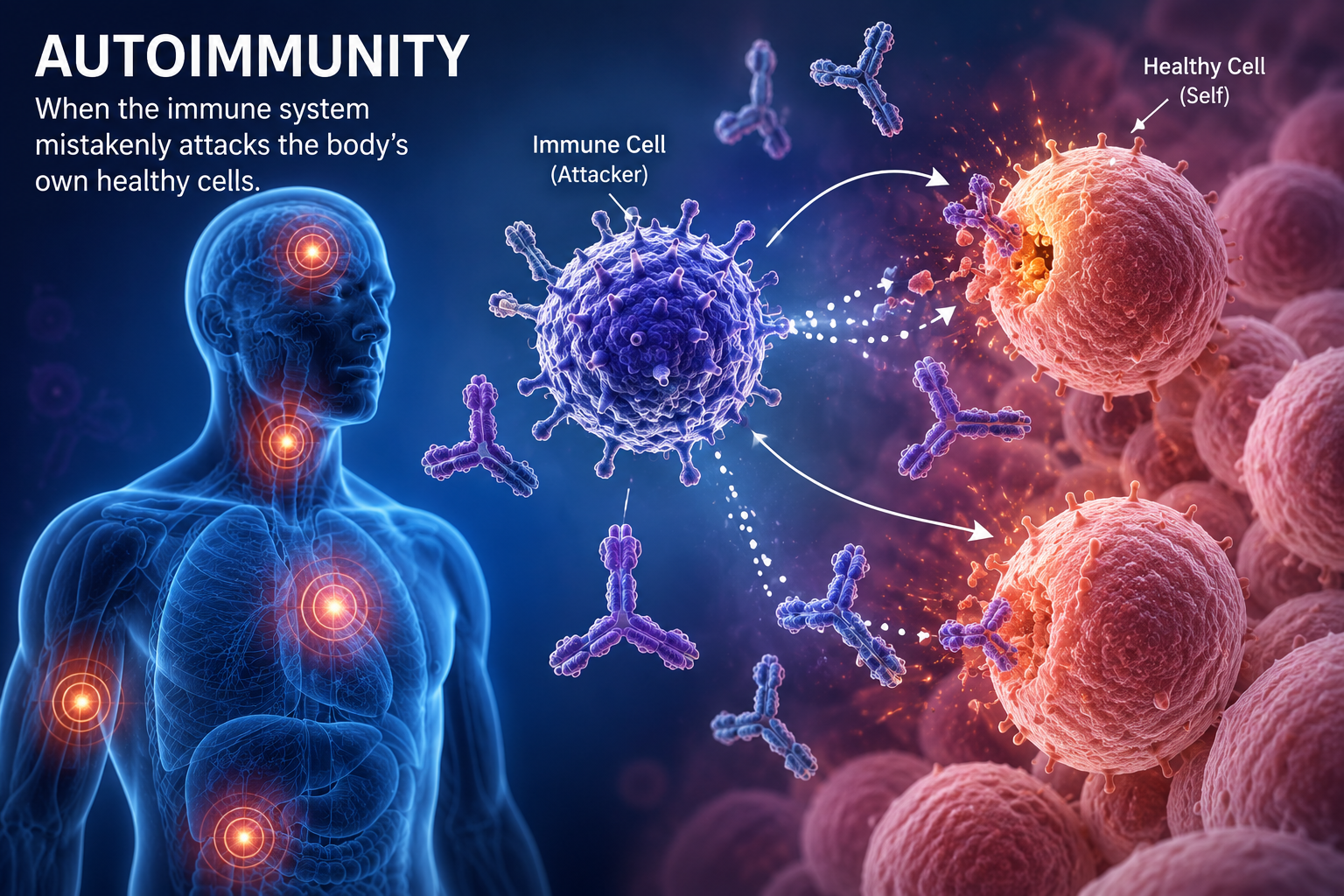
Autoimmune disease occurs when the immune system mistakenly identifies the body’s own tissues as a threat and begins attacking healthy cells. More than 100 autoimmune diseases have been identified, including Hashimoto’s thyroiditis, rheumatoid arthritis, lupus, and multiple sclerosis.
The immune system is designed to protect us from:
- Bacteria
- Viruses
- Parasites
- Toxins
Normally, the immune system can distinguish between:
Self
and
Non-Self
Autoimmune disease occurs when this process breaks down and the immune system begins attacking the body’s own tissues.
Examples include:
- Hashimoto’s thyroiditis
- Rheumatoid arthritis
- Multiple sclerosis
- Psoriasis
- Lupus
- Type 1 diabetes
More than 100 autoimmune diseases have been identified.
Why Is Gluten Often Discussed in Autoimmune Research?
One reason is that gluten is capable of stimulating the immune system.
In celiac disease, gluten triggers an autoimmune reaction that damages the lining of the small intestine.
This provides proof that gluten can trigger autoimmune activity under certain circumstances.
Researchers then began asking:
Could gluten influence immune function outside of celiac disease as well?
This question continues to drive a large amount of autoimmune research today.
The Role of Intestinal Permeability
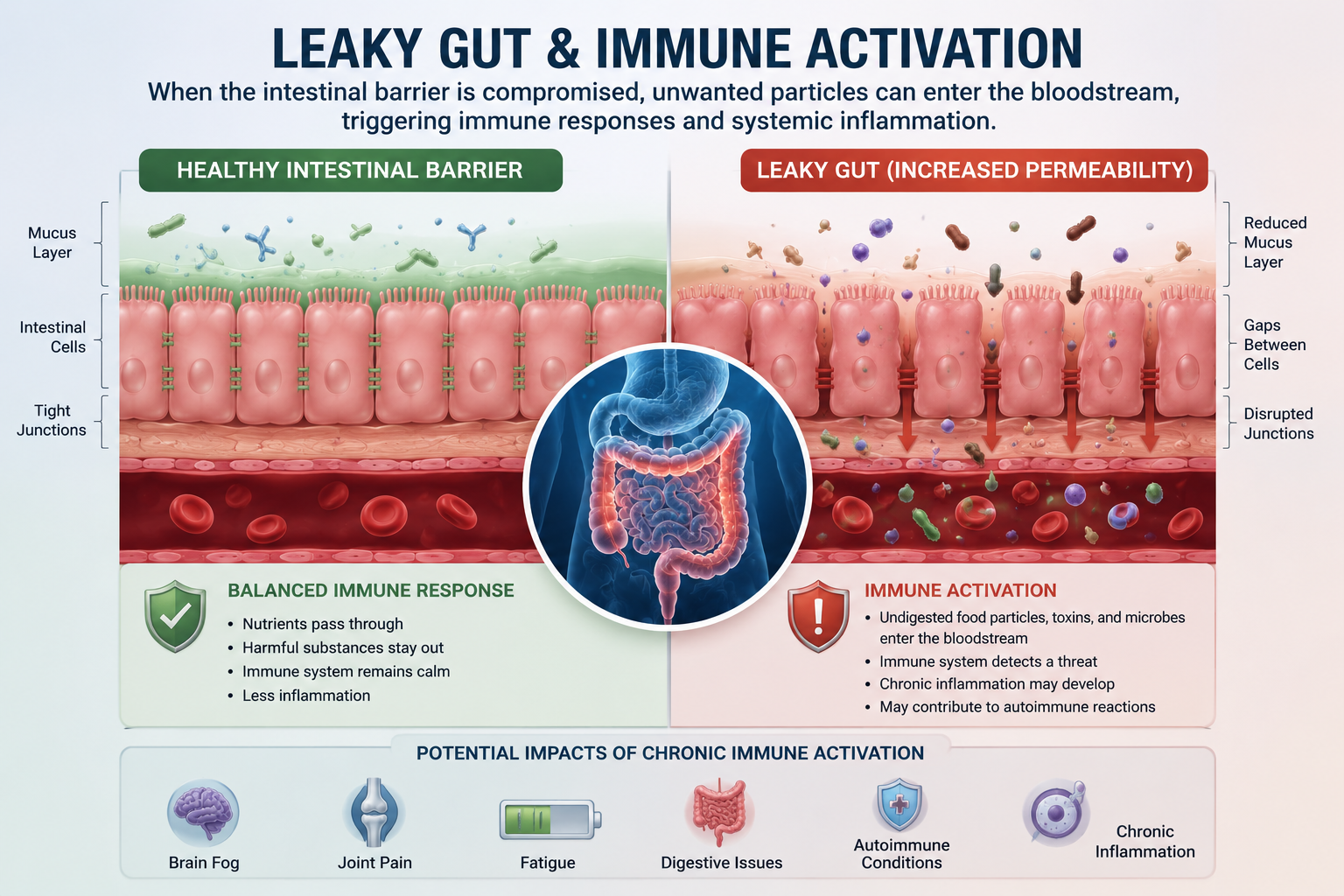
A healthy intestinal barrier helps regulate what enters the bloodstream. Researchers continue to investigate how increased intestinal permeability, often called leaky gut, may contribute to immune activation and inflammation in susceptible individuals.
One of the most discussed theories involves:
Intestinal Permeability
Often called:
Leaky Gut
The intestinal lining acts as a barrier between the digestive tract and the bloodstream.
When functioning properly, this barrier allows nutrients to enter while keeping larger particles out.
Researchers have explored whether increased intestinal permeability may contribute to immune activation in susceptible individuals.
Because a large portion of the immune system surrounds the digestive tract, gut health and immune health are closely connected.
Learn more about intestinal permeability here:
https://totalhealthcentervb.com/leaky-gut-syndrome/
Molecular Mimicry
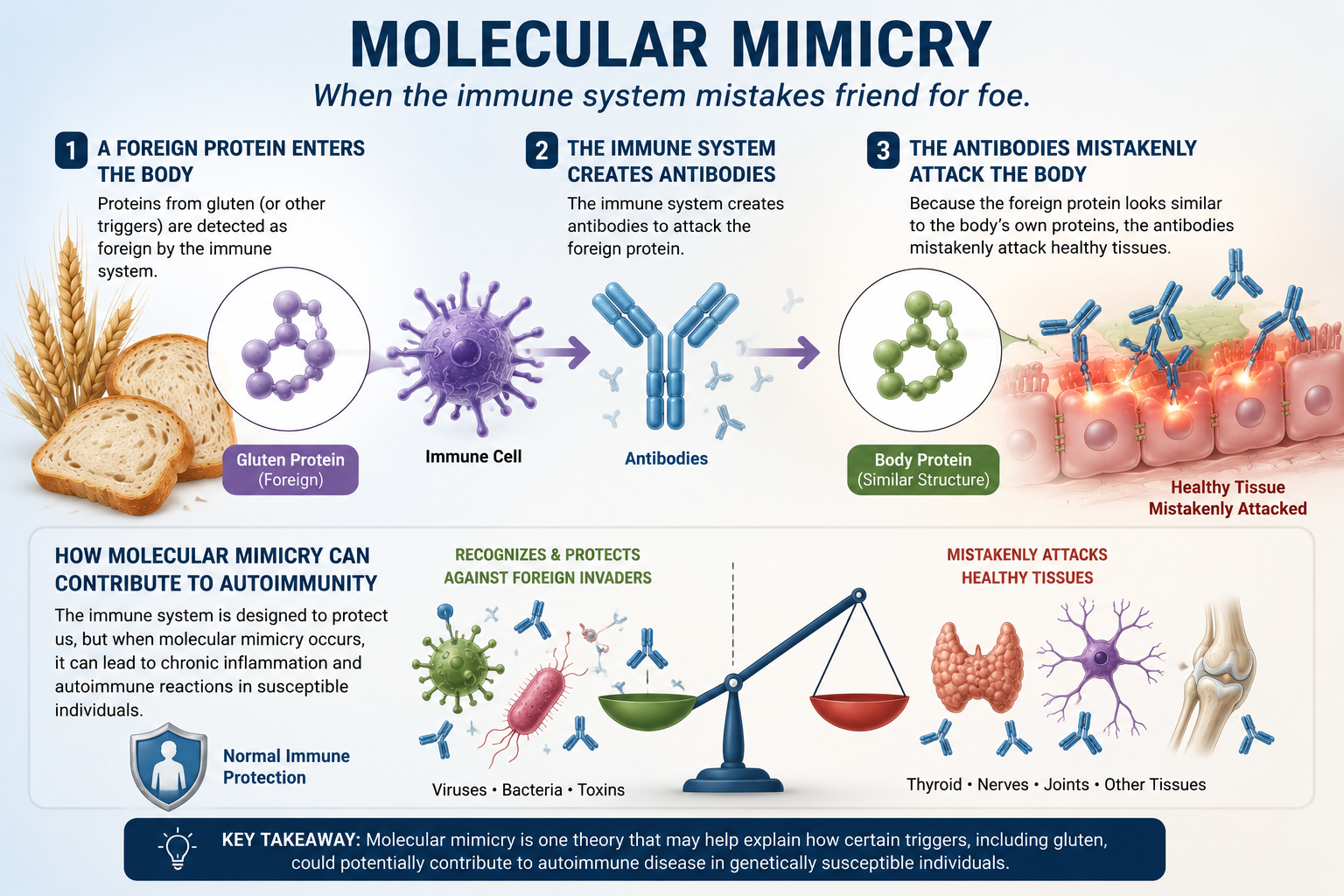
Molecular mimicry is a theory suggesting that certain foreign proteins may resemble human tissues closely enough that immune responses directed at those proteins could potentially cross-react with the body’s own cells. Researchers continue to investigate this mechanism in autoimmune disease.
One of the most interesting autoimmune concepts is:
Molecular Mimicry
In simple terms:
Some proteins may resemble human tissues closely enough that the immune system struggles to distinguish between them.
Researchers have investigated whether immune responses directed at certain food proteins may occasionally cross-react with human tissues.
While this area remains complex and continues to evolve, molecular mimicry is one reason gluten frequently appears in autoimmune discussions.
Hashimoto’s Thyroiditis and Gluten
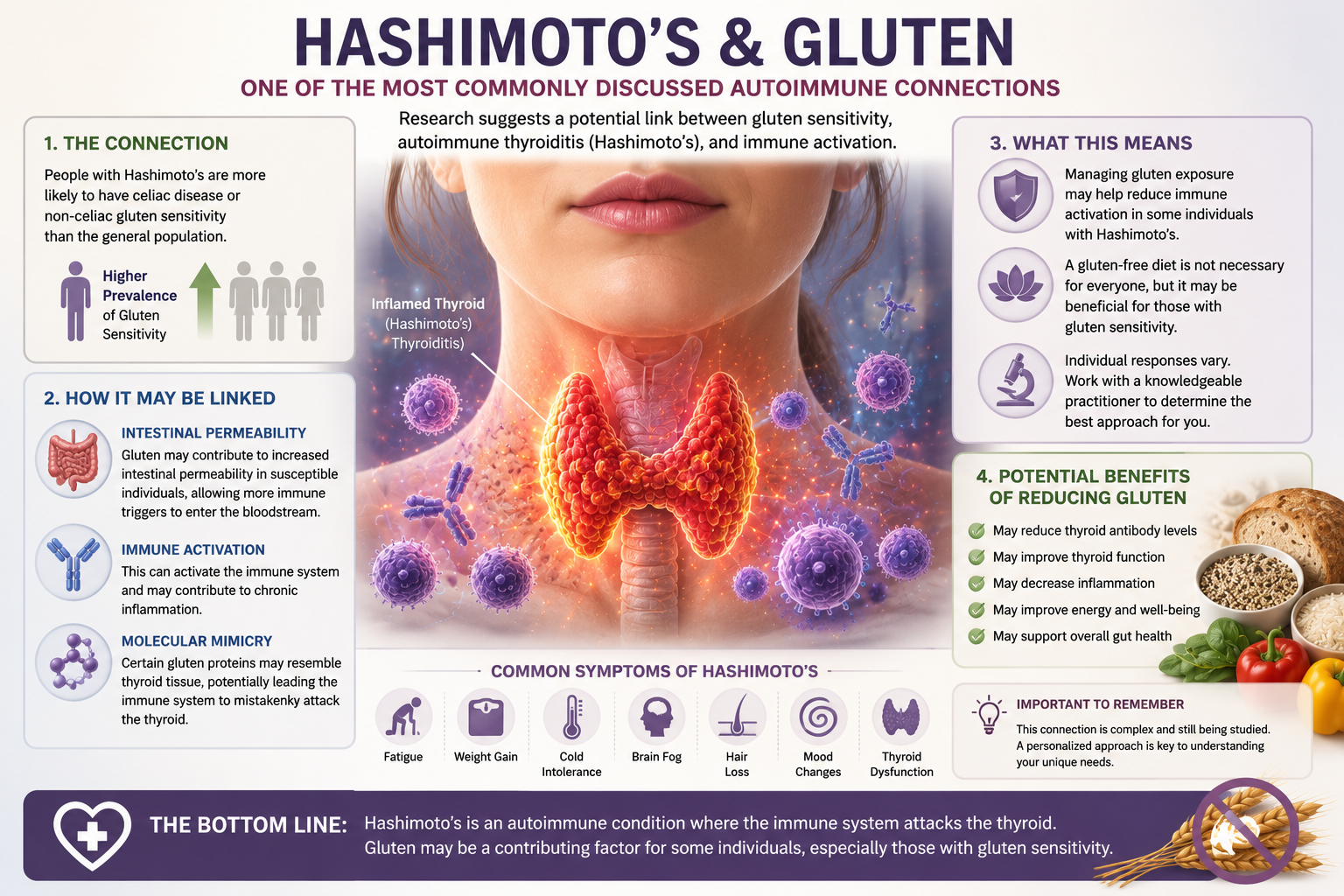
Hashimoto’s thyroiditis is one of the most commonly discussed autoimmune conditions in relation to gluten. Researchers continue to investigate how gluten sensitivity, immune activation, intestinal permeability, and thyroid autoimmunity may interact in susceptible individuals.
One of the most commonly discussed autoimmune conditions in functional medicine is:
Hashimoto’s Thyroiditis
Hashimoto’s occurs when the immune system attacks the thyroid gland.
Some studies have found higher rates of gluten-related disorders among individuals with Hashimoto’s compared to the general population.
This does not mean gluten causes Hashimoto’s.
It does suggest that exploring gluten intake may be worthwhile for some individuals with autoimmune thyroid disease.
Learn more about Hashimoto’s thyroiditis here:
https://totalhealthcentervb.com/hashimotos-thyroiditis/
Why Functional Medicine Practitioners Investigate Gluten
Functional medicine practitioners often evaluate gluten because it represents a potentially modifiable factor.
Unlike genetics:
You can change what you eat.
When patients present with:
- Autoimmune conditions
- Digestive issues
- Chronic inflammation
- Brain fog
- Fatigue
- Joint pain
gluten is often included in the investigation.
This does not mean gluten is always the cause.
It simply means it is one factor worth exploring.
Learn more about our Functional Medicine approach:
https://totalhealthcentervb.com/functional-medicine/
Autoimmunity Is Multifactorial
One of the biggest mistakes in health discussions is blaming a single cause.
Autoimmune disease is rarely caused by one thing.
Instead, multiple factors often interact:
- Genetics
- Diet
- Gut health
- Stress
- Infections
- Environmental exposures
- Sleep quality
- Nutrient status
Gluten may be one piece of the puzzle.
Rarely is it the entire puzzle.
The Functional Medicine Perspective
The goal is not to convince everyone to avoid gluten forever.
The goal is to identify whether gluten is contributing to a person’s unique health challenges.
Some people notice dramatic improvements when gluten is removed.
Others notice little change.
The only way to know is through careful evaluation and individualized care.
This is why functional medicine emphasizes personalization rather than one-size-fits-all recommendations.
Key Takeaways
✔ Autoimmunity occurs when the immune system attacks the body’s own tissues
✔ Gluten can trigger autoimmune reactions in celiac disease
✔ Researchers continue investigating gluten’s role in autoimmune conditions
✔ Intestinal permeability and immune activation may be important factors
✔ Hashimoto’s thyroiditis is one of the most commonly discussed autoimmune conditions related to gluten
✔ Autoimmune disease is multifactorial and rarely caused by a single trigger
✔ Personalized nutrition is often more valuable than blanket dietary rules
Could Gluten Be Contributing to Your Symptoms?
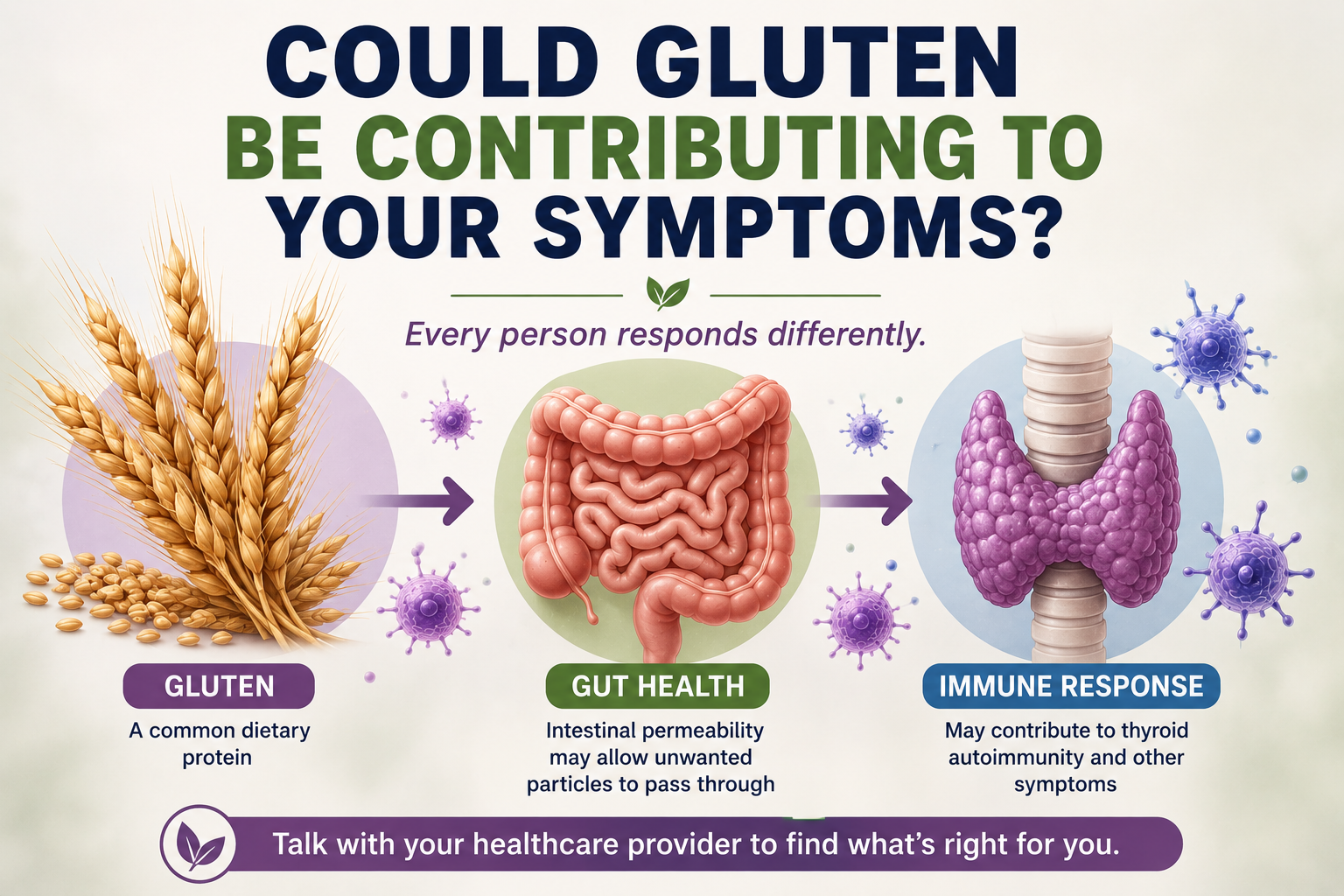
Every person responds to gluten differently. Genetics, gut health, immune function, inflammation, and overall health status may all influence how gluten affects an individual.
If you struggle with:
- Hashimoto’s thyroiditis
- Autoimmune conditions
- Digestive issues
- Chronic inflammation
- Brain fog
- Fatigue
- Joint pain
a personalized functional medicine evaluation may help identify potential dietary and lifestyle factors affecting your health.
Learn more about our Functional Medicine services:
https://totalhealthcentervb.com/functional-medicine/
References
- Fasano A. Zonulin and Intestinal Barrier Function. PubMed.
- Lerner A, Matthias T. Intestinal Permeability and Autoimmune Disease. PubMed.
- Vojdani A. Molecular Mimicry and Autoimmunity. PubMed.
- Schuppan D. Gluten-Related Disorders and Autoimmunity. PubMed.
- National Center for Biotechnology Information (NCBI)
https://www.ncbi.nlm.nih.gov/
About Dr. Scott
Dr. Scott of Total Health Center in Virginia Beach has been helping patients improve digestive health, thyroid disorders, autoimmune conditions, chronic fatigue, inflammation, and gastrointestinal dysfunction through functional medicine since 1997. His approach focuses on identifying and addressing underlying causes through advanced testing, nutrition, lifestyle modification, and personalized care.
Need Help Determining Whether Food Sensitivities Are Affecting Your Health?
Schedule a consultation with Total Health Center and discover a personalized approach to digestive health, immune function, thyroid health, and long-term wellness.
Next Lesson
Lesson #11
Why Thyroid Patients Should Consider a Gluten Trial
In the next lesson we’ll take a deeper look at Hashimoto’s thyroiditis, thyroid antibodies, and why many functional medicine practitioners recommend a structured gluten elimination trial for certain thyroid patients.
Frequently Asked Questions
What is the connection between gluten and autoimmune disease?
Researchers have been studying the relationship between gluten and autoimmune disease for decades. The strongest established connection is celiac disease, an autoimmune condition triggered by gluten. Scientists continue investigating whether gluten may influence immune function and autoimmune activity in certain susceptible individuals beyond celiac disease.
Does gluten cause autoimmune disease?
No. Autoimmune diseases are complex conditions involving genetics, environment, immune regulation, gut health, infections, stress, and other factors. Gluten may be one contributing factor in some individuals, but it is rarely the sole cause of autoimmune disease.
What is molecular mimicry?
Molecular mimicry is a theory suggesting that certain proteins may resemble human tissues closely enough that immune responses directed at those proteins could potentially cross-react with the body’s own tissues. Researchers continue to study molecular mimicry as a possible mechanism involved in some autoimmune conditions.
What is leaky gut and why is it important?
Leaky gut, also known as intestinal permeability, refers to increased permeability of the intestinal lining. Researchers have explored whether intestinal permeability may contribute to immune activation and inflammation in susceptible individuals, making it a common topic in autoimmune and functional medicine discussions.
Is there a connection between Hashimoto’s thyroiditis and gluten?
Some studies have found higher rates of gluten-related disorders among individuals with Hashimoto’s thyroiditis compared to the general population. This does not prove that gluten causes Hashimoto’s, but it is one reason healthcare practitioners may explore gluten intake in patients with autoimmune thyroid disease.
Should everyone with Hashimoto’s avoid gluten?
Not necessarily. Some individuals with Hashimoto’s report improvements when eliminating gluten, while others notice little change. The decision should be individualized and ideally made with guidance from a qualified healthcare practitioner.
Why do functional medicine practitioners investigate gluten?
Functional medicine practitioners often investigate gluten because it is a modifiable dietary factor. When patients experience autoimmune conditions, digestive symptoms, inflammation, fatigue, brain fog, or chronic health issues, gluten may be one factor worth evaluating.
Can gluten affect the immune system even if I don’t have celiac disease?
Researchers continue studying this question. While celiac disease provides clear evidence that gluten can activate the immune system, scientists are still investigating how gluten may influence immune function in individuals who do not have celiac disease.
How can I determine whether gluten is affecting me?
One of the most common approaches is a structured elimination and reintroduction trial. Functional medicine practitioners may also use symptom tracking, laboratory testing, and a detailed health history to help determine whether gluten could be contributing to symptoms.
If I remove gluten, how long does it take to notice a difference?
The answer varies from person to person. Some individuals notice changes within days or weeks, while others may require several months before meaningful improvements become apparent. Factors such as gut health, inflammation levels, autoimmune activity, and overall health status can influence recovery time.