
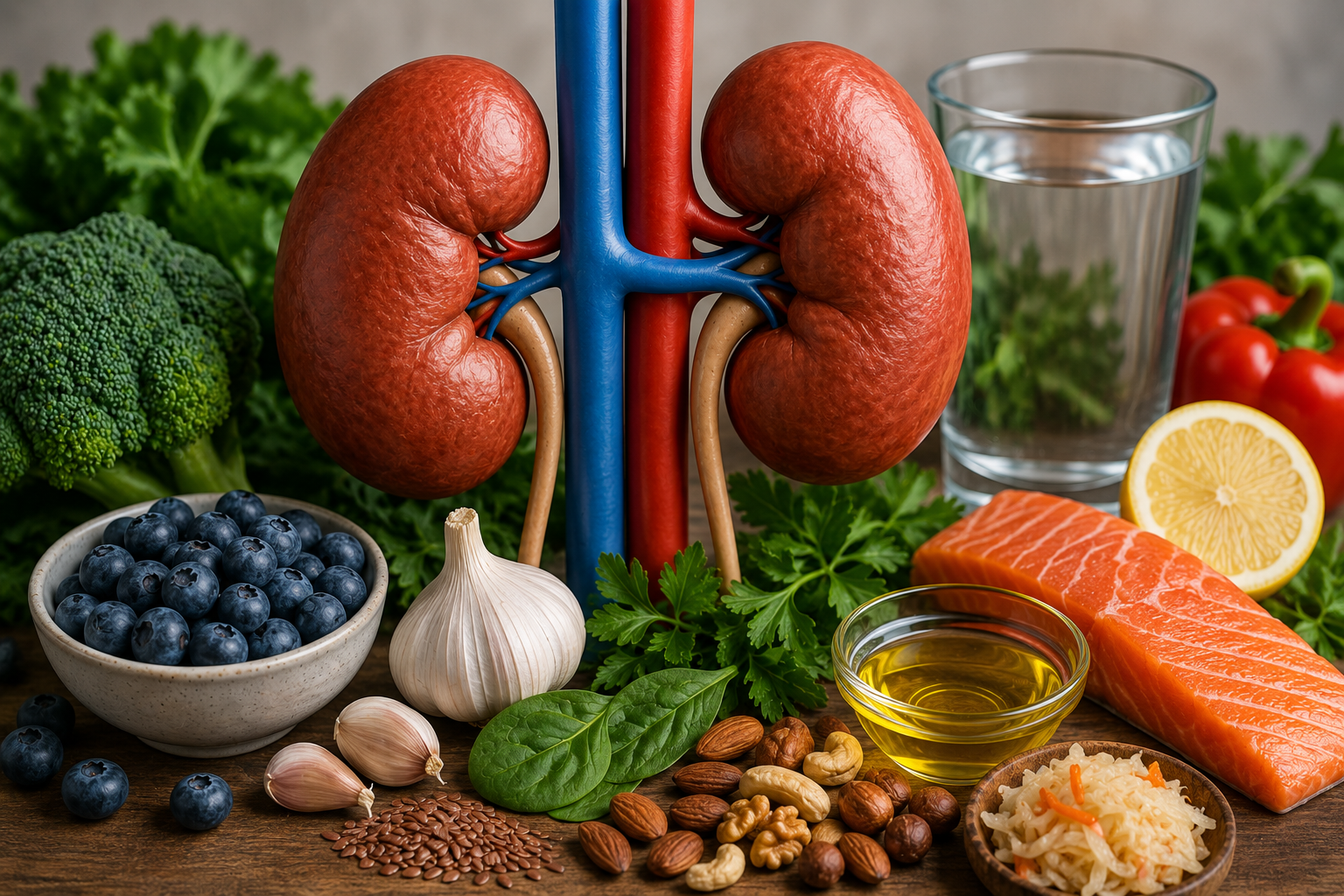
Support Kidney Function Naturally: 13 Functional Medicine Strategies for Healthy Kidneys
Kidney disease affects millions of Americans and often develops silently over many years. By the time many people are told their kidney function is declining, the underlying processes may have been progressing for decades.
The kidneys do far more than simply filter waste. They help regulate blood pressure, maintain fluid balance, support electrolyte levels, regulate acid-base balance, activate vitamin D, and even help stimulate red blood cell production.
Conventional medicine often focuses on monitoring kidney function through laboratory tests such as creatinine and eGFR. While these tests are important, a functional medicine approach looks deeper to identify and address the underlying factors contributing to declining kidney health.
At Total Health Center, we focus on identifying root causes such as insulin resistance, inflammation, digestive dysfunction, nutritional deficiencies, environmental toxins, and lifestyle factors that may contribute to kidney stress.
The good news is that many of these factors are modifiable.
Quick Start Kidney Support Protocol
Important: Always consult with your healthcare provider before beginning any supplement program, especially if you have kidney disease, diabetes, high blood pressure, or take prescription medications.
Core Kidney Support Supplements
| Supplement | Typical Dosage |
|---|---|
| Omega-3 Fish Oil | 2,000–4,000 mg EPA+DHA daily |
| Magnesium Glycinate | 200–400 mg daily |
| Methyl Folate | 800 mcg–2 mg daily |
| Vitamin D3 + K2 | Typically 2,000–5,000 IU daily based on testing |
| Immediate Release Niacin | 100–500 mg, 1–3 times daily |
| Activated Charcoal | 500–1,000 mg, 1–2 times daily |
| Sodium Bicarbonate | 1.5–5 grams daily (under supervision) |
Lifestyle Priorities
- Control blood sugar
- Reduce inflammation
- Optimize blood pressure
- Improve gut health
- Stay hydrated
- Exercise regularly
- Reduce toxin exposure
- Prioritize quality sleep
Why Kidney Function Declines
Many people believe kidney disease is simply part of aging. In reality, declining kidney function is often the result of chronic metabolic stress.
Common contributors include:
- Insulin resistance
- Diabetes
- High blood pressure
- Chronic inflammation
- Obesity
- Smoking
- Poor diet
- Environmental toxins
- Certain medications
- Digestive dysfunction
When these stressors persist for years, they can damage the tiny filtration units of the kidneys called nephrons, gradually reducing kidney function.
1. Blood Sugar Control Is the Foundation of Kidney Health
One of the most important yet overlooked contributors to kidney disease is insulin resistance.
Long before diabetes develops, elevated blood sugar and insulin levels can damage the delicate filtration membranes of the kidneys.
Many people are surprised to learn that blood sugar dysfunction is often present years before a diagnosis of diabetes.
To better understand this connection, read:
Blood Sugar and Hormone Balance
https://totalhealthcentervb.com/blood-sugar-and-hormone-balance/
Insulin Resistance and Hormone Imbalance
https://totalhealthcentervb.com/insulin-resistance-and-hormone-imbalance/
You may also find helpful information in:
Glyco-TH Foundational Blood Sugar Support for Long-Term Metabolic Health
https://totalhealthcentervb.com/glyco-th-foundational-blood-sugar-support-for-long-term-metabolic-health/
Strategies that support healthy blood sugar include:
- Reducing sugar intake
- Limiting refined carbohydrates
- Walking after meals
- Building muscle through resistance training
- Maintaining a healthy weight
- Improving sleep quality
2. Lower Chronic Inflammation
Inflammation contributes to virtually every chronic disease, including kidney disease.
A kidney-supportive diet should emphasize:
- Vegetables
- Berries
- Wild fish
- Olive oil
- Avocados
- Herbs and spices
One of the healthiest fats you can include is extra virgin olive oil.
Read more:
Extra Virgin Olive Oil Benefits
https://totalhealthcentervb.com/extra-virgin-olive-oil-benefits/
Avocados provide healthy fats, potassium, fiber, and numerous phytonutrients:
Avocado Health Benefits
https://totalhealthcentervb.com/avocado-health-benefits-functional-medicine/
You should also consider reducing highly processed seed oils:
Seed Oils, Inflammation, Linoleic Acid & Metabolic Health
https://totalhealthcentervb.com/seed-oils-inflammation-linoleic-acid-metabolic-health/
3. Optimize Blood Pressure Naturally
High blood pressure damages the kidneys, and damaged kidneys often worsen blood pressure.
The relationship works both ways.
Strategies that may help support healthy blood pressure include:
- Weight loss
- Exercise
- Stress reduction
- Magnesium
- Omega-3 fatty acids
- Improved sleep
One nutrient deficiency commonly associated with blood pressure dysfunction is magnesium.
Read:
Magnesium Benefits for Energy, Sleep, Stress & Heart Health
https://totalhealthcentervb.com/magnesium-benefits-energy-sleep-stress-heart-health/
4. Support Healthy Phosphorus Balance
As kidney function declines, phosphorus can accumulate in the body.
Excess phosphorus has been associated with:
- Vascular calcification
- Cardiovascular disease
- Progressive kidney dysfunction
Major sources include:
- Processed foods
- Fast food
- Cola beverages
- Foods containing phosphate additives
Research suggests niacin may help support healthy phosphorus metabolism.
5. Niacin: One of the Most Interesting Kidney Support Nutrients
Niacin (Vitamin B3) has been studied extensively for its effects on phosphorus metabolism.
Potential benefits include:
- Supporting healthy phosphorus levels
- Supporting cardiovascular health
- Improving lipid markers
- Supporting metabolic function
Typical doses used in research range from:
100–500 mg one to three times daily
Some individuals experience flushing with niacin. Always consult with your healthcare provider before use.
6. Correct Metabolic Acidosis
Healthy kidneys help maintain proper acid-base balance.
As kidney function declines, acid can accumulate within the body.
Potential consequences include:
- Fatigue
- Muscle loss
- Bone loss
- Accelerated kidney decline
Several studies suggest bicarbonate supplementation may help slow progression in selected patients with metabolic acidosis.
Because sodium bicarbonate contains sodium, it should be used carefully and under professional supervision.
Sodium Bicarbonate (Baking Soda): Typical doses range from ¼ to 1 teaspoon daily (approximately 1.2–4.8 grams) mixed in water, preferably taken with meals. Because baking soda contains sodium, it should be used under the guidance of a healthcare provider, especially in individuals with kidney disease, high blood pressure, or heart conditions.
Dr. Scott’s Clinical Tip
For patients looking to support kidney health naturally, I often recommend incorporating a bicarbonate-rich mineral water such as Gerolsteiner into their daily routine. Unlike baking soda, Gerolsteiner provides naturally occurring bicarbonate along with magnesium, calcium, and other trace minerals that support overall metabolic health.
For individuals with mild kidney dysfunction, metabolic syndrome, insulin resistance, or a diet high in processed foods, drinking 1–2 bottles daily may help support hydration, mineral intake, and healthy acid-base balance.
For patients with more advanced kidney dysfunction, reduced eGFR, or laboratory evidence of metabolic acidosis, I often view bicarbonate-rich mineral water as an addition to—not a replacement for—the overall protocol. In these situations, a comprehensive approach may include dietary changes, blood sugar optimization, targeted supplementation, gut health support, and, when appropriate, bicarbonate therapy under professional supervision.
One simple strategy is to drink a bottle of Gerolsteiner daily while gradually increasing vegetable intake and reducing processed foods. This provides a gentle source of bicarbonate and minerals while supporting hydration and overall kidney health.
7. Activated Charcoal and the Gut-Kidney Connection
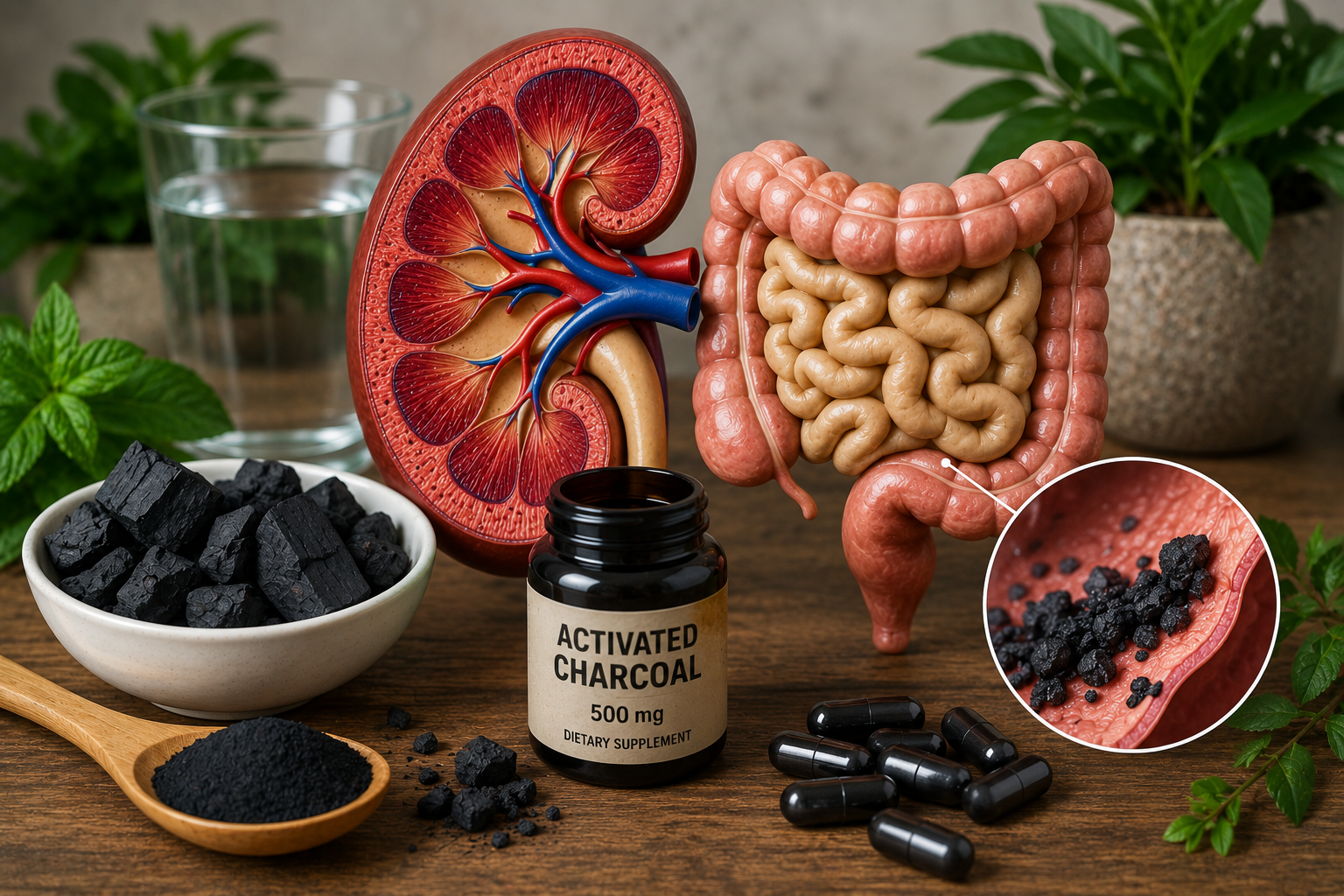
Activated charcoal may help bind certain waste products and toxins within the digestive tract, potentially reducing the burden placed on the kidneys and supporting the gut-kidney connection.
One of the most exciting areas of kidney research involves the gut-kidney axis.
Researchers now recognize that many waste products and toxins affecting the kidneys originate in the digestive tract.
Activated charcoal may help:
- Bind certain waste products
- Reduce toxin absorption
- Support elimination through the digestive tract
Typical integrative doses range from:
500–1,000 mg once or twice daily
Important:
Activated charcoal should be taken at least two hours away from medications and supplements because it may interfere with absorption.
8. Improve Gut Health
A healthy digestive system may reduce the burden placed on the kidneys.
Helpful strategies include:
- Fermented vegetables
- Fiber-rich foods
- Bone broth
- Digestive support
- Probiotic foods
Learn more:
How to Make Fermented Vegetables: A Simple Recipe with Powerful Gut Health Benefits
https://totalhealthcentervb.com/how-to-make-fermented-vegetables-a-simple-recipe-with-powerful-gut-health-benefits/
Bone Broth Chicken Soup Benefits
https://totalhealthcentervb.com/bone-broth-chicken-soup-benefits/
Leaky Gut Syndrome
https://totalhealthcentervb.com/leaky-gut-syndrome/
SIBO and Bloating: The Hidden Cause Most People Miss
https://totalhealthcentervb.com/sibo-and-bloating-the-hidden-cause-most-people-miss/
Bloating After Eating: What It Means and How to Fix It
https://totalhealthcentervb.com/bloating-after-eating-what-it-means-and-how-to-fix-it/
9. Stay Properly Hydrated

Daily habits such as proper hydration, regular exercise, quality sleep, stress management, and nutrient-dense nutrition can play a powerful role in supporting long-term kidney health.
Hydration is one of the simplest ways to support kidney health.
Most individuals benefit from:
- Drinking filtered water throughout the day
- Reducing sugary beverages
- Limiting excessive alcohol consumption
Hydration needs vary based on age, activity level, medications, and kidney function.
The Benefits of Mineral Water for Kidney Health
One of my favorite hydration strategies is incorporating a high-quality mineral water into your daily routine.
Unlike purified water, mineral waters contain naturally occurring electrolytes and minerals that support hydration and overall metabolic function.
One of my preferred options is Gerolsteiner mineral water, which naturally contains:
- Bicarbonate
- Magnesium
- Calcium
- Potassium
- Trace minerals
The bicarbonate content may help support healthy acid-base balance, while the magnesium and calcium provide additional metabolic and cardiovascular benefits.
For individuals with:
- Mild kidney dysfunction
- Insulin resistance
- Metabolic syndrome
- High dietary acid load
- Chronic inflammation
drinking one bottle daily may be a simple way to support hydration and increase mineral intake.
For patients with more significant kidney dysfunction or documented metabolic acidosis, bicarbonate-rich mineral water can be used as an additional strategy alongside a comprehensive kidney support program.
Dr. Scott’s Hydration Recommendation
Aim to drink water consistently throughout the day and consider replacing one daily beverage with a bottle of bicarbonate-rich mineral water such as Gerolsteiner.
A simple kidney-supportive hydration strategy is:
- 1 bottle Gerolsteiner mineral water
- Juice from ½ lemon
- Optional pinch of unrefined sea salt
This combination provides hydration, minerals, bicarbonate, and citrate, all of which may help support overall kidney health.
Individual hydration needs vary based on activity level, medications, kidney function, and overall health status.
10. Support Thyroid Function
Many people do not realize that thyroid function can influence kidney health.
Low thyroid function may reduce blood flow to the kidneys and affect filtration rates.
Learn more:
Functional Medicine Approach to Thyroid Health in Virginia Beach
https://totalhealthcentervb.com/functional-medicine-approach-to-thyroid-health-in-virginia-beach/
Vitamin D: One of the Most Overlooked Foundations of Health
https://totalhealthcentervb.com/vitamin-d-one-of-the-most-overlooked-foundations-of-health/
Testing may include:
- TSH
- Free T4
- Free T3
- Thyroid antibodies
- Vitamin D levels
11. Support Healthy Methylation
Elevated homocysteine is common in individuals with cardiovascular disease and kidney dysfunction.
Helpful nutrients include:
- Methyl folate
- Methyl B12
- Vitamin B6
Supporting methylation may help support cardiovascular and metabolic health.
12. Reduce Proteinuria
Protein in the urine is one of the earliest warning signs of kidney damage.
Strategies that may help reduce proteinuria include:
- Improving blood sugar control
- Optimizing blood pressure
- Reducing inflammation
- Weight loss
- Omega-3 supplementation
- Improving metabolic health
13. Avoid Kidney Stressors
Common kidney stressors include:
- Smoking
- Excess alcohol
- Heavy metals
- Environmental toxins
- Chronic inflammation
- Excessive use of NSAIDs such as ibuprofen and naproxen
Reducing exposure to these stressors may significantly improve long-term kidney health.
Top 20 Foods That Support Healthy Kidney Function
-

A nutrient-dense, anti-inflammatory diet rich in healthy fats, vegetables, berries, fermented foods, and quality protein may help support healthy kidney function and reduce inflammation.
Wild salmon
- Sardines
- Olive oil
- Blueberries
- Strawberries
- Blackberries
- Garlic
- Onions
- Broccoli
- Cauliflower
- Cabbage
- Arugula
- Kale
- Bell peppers
- Avocados
- Pasture-raised eggs
- Grass-fed beef
- Fermented vegetables
- Bone broth
- Herbs and spices
Foods That May Worsen Kidney Function
- Soda
- High-fructose corn syrup
- Processed foods
- Fast food
- Excess seed oils
- Artificial sweeteners
- Processed meats
- Excessive alcohol
- Foods containing phosphate additives
Uric Acid and Fructose: The Overlooked Kidney Stressors
Many people associate uric acid only with gout.
However, elevated uric acid has also been associated with:
- Kidney stones
- High blood pressure
- Metabolic syndrome
- Chronic kidney disease
One major contributor is excess fructose consumption.
Common sources include:
- Soda
- Fruit juice
- Sweet tea
- Sports drinks
- High-fructose corn syrup
Reducing sugar intake may be one of the most effective ways to support healthy uric acid levels.
Environmental Toxins and Kidney Health
The kidneys act as one of the body’s primary filtration systems and are constantly exposed to toxins that circulate through the bloodstream.
Over time, toxic burden may contribute to oxidative stress, inflammation, and kidney dysfunction.
Potential kidney stressors include:
- Mercury
- Lead
- Cadmium
- Arsenic
- Pesticides
- Herbicides
- Industrial chemicals
- Cigarette smoke
In a functional medicine setting, advanced testing may help identify hidden toxic burdens that contribute to chronic inflammation and metabolic dysfunction.
Supporting the body’s natural detoxification pathways may reduce the burden placed on the kidneys.
For additional information on supporting detoxification pathways:
Targeted Liver Support for Energy, Detoxification & Metabolic Health
https://totalhealthcentervb.com/targeted-liver-support-for-energy-detoxification-metabolic-health/
HepatoClear: Supporting Your Liver in a Toxic World
https://totalhealthcentervb.com/hepatoclear-supporting-your-liver-in-a-toxic-world/
Microplastics: A New Threat to Human Health
Microplastics are now found in:
- Drinking water
- Food packaging
- Seafood
- Household dust
- Bottled water
Researchers have identified microplastics in human blood, arteries, lungs, and other tissues.
Although research is still emerging, microplastics appear capable of increasing:
- Oxidative stress
- Inflammation
- Cellular dysfunction
Practical ways to reduce exposure include:
- Drinking filtered water
- Using glass food containers
- Avoiding heating food in plastic
- Reducing consumption of highly processed foods
The Protein Myth
One of the most common misconceptions surrounding kidney disease is that protein automatically damages the kidneys.
The reality is far more nuanced.
In healthy individuals, higher protein intake has not consistently been shown to cause kidney disease.
However, in advanced kidney disease, excessive protein intake may increase the workload on already compromised kidneys.
For most individuals focused on prevention and metabolic health, emphasis should be placed on consuming high-quality protein sources such as:
- Wild fish
- Pasture-raised eggs
- Grass-fed beef
- Bone broth
- Collagen-rich foods
For more information:
Health Benefits of Collagen
https://totalhealthcentervb.com/health-benefits-of-collagen/
Collagen, Insulin Resistance and the Benefits of 15 Grams Daily
https://totalhealthcentervb.com/collagen-insulin-resistance-15g-benefits/
Strategic Fasting and Kidney Health
Emerging research suggests that improving metabolic flexibility may support overall health and reduce many of the drivers associated with kidney dysfunction.
When appropriate, strategic fasting may help:
- Improve insulin sensitivity
- Reduce inflammation
- Support healthy weight loss
- Improve metabolic health
Learn more:
Beginner’s Guide to Intermittent Fasting
https://totalhealthcentervb.com/beginners-guide-to-intermittent-fasting/
The Metabolic Switch: Strategic Fasting and Cellular Repair
https://totalhealthcentervb.com/the-metabolic-switch-5-surprising-ways-strategic-fasting-rebuilds-your-biology-from-the-mitochondria-up/
Functional Medicine Testing for Kidney Health

Advanced laboratory testing can help identify kidney stress, metabolic dysfunction, inflammation, and nutritional deficiencies long before significant kidney damage develops.
Many patients are told their kidney function is “normal” based solely on creatinine levels.
Unfortunately, kidney dysfunction may develop years before abnormalities appear on standard laboratory testing.
A comprehensive kidney evaluation may include:
- Creatinine
- eGFR
- Cystatin-C
- BUN
- Urinalysis
- Microalbumin/Creatinine Ratio
- Fasting Insulin
- HbA1c
- Homocysteine
- Uric Acid
- Phosphorus
- Vitamin D
- Inflammatory markers
- Heavy metal testing
Functional testing allows practitioners to identify underlying metabolic imbalances before significant kidney damage occurs.
Conventional Kidney Care vs Functional Medicine Kidney Support
Conventional medicine and functional medicine both play important roles in kidney health.
Conventional Approach
Typically focuses on:
- Monitoring creatinine
- Monitoring eGFR
- Blood pressure management
- Diabetes management
- Medication management
- Dialysis planning when necessary
Functional Medicine Approach
Focuses on identifying and addressing:
- Insulin resistance
- Chronic inflammation
- Gut dysfunction
- Nutrient deficiencies
- Environmental toxins
- Sleep disturbances
- Hormonal imbalances
- Lifestyle factors
The goal is to identify root causes and support the body’s natural ability to maintain health and resilience.
Functional Medicine Kidney Support in Virginia Beach
Patients throughout Virginia Beach and Hampton Roads are increasingly looking for ways to support kidney function beyond simply monitoring laboratory values.
At Total Health Center, we focus on identifying underlying contributors that may be affecting kidney health, including:
- Blood sugar dysfunction
- Insulin resistance
- Chronic inflammation
- Digestive dysfunction
- Nutrient deficiencies
- Hormonal imbalances
- Environmental toxin exposure
Our goal is to provide a personalized, root-cause approach that helps patients improve overall health while supporting healthy kidney function.
Final Thoughts
Kidney disease does not happen overnight.
In many cases it develops gradually over years through a combination of blood sugar dysfunction, inflammation, poor dietary habits, toxin exposure, high blood pressure, digestive dysfunction, and nutritional deficiencies.
The encouraging news is that many of these factors are modifiable.
A comprehensive functional medicine approach that combines nutrition, lifestyle changes, targeted supplementation, advanced testing, and personalized care may help support healthy kidney function and improve overall quality of life.
If you have been told your kidney function is declining, have elevated creatinine, reduced eGFR, protein in the urine, diabetes, high blood pressure, or a family history of kidney disease, contact Total Health Center today to schedule a free consultation and learn how a personalized functional medicine approach may help support your long-term health.
Frequently Asked Questions
Can kidney function improve naturally?
In some cases, kidney function markers may improve when underlying causes such as insulin resistance, inflammation, dehydration, nutrient deficiencies, and toxin exposure are addressed. The degree of improvement depends on the severity and cause of kidney dysfunction.
Is activated charcoal good for kidney disease?
Research suggests activated charcoal may help bind certain waste products and toxins within the digestive tract, potentially reducing the burden placed on the kidneys. It should always be taken away from medications and supplements.
Does niacin help kidney function?
Several studies have shown that niacin may help support healthy phosphorus metabolism and may provide benefits for patients with chronic kidney disease.
What foods are best for kidney health?
Vegetables, berries, olive oil, wild fish, fermented vegetables, garlic, onions, and other anti-inflammatory whole foods may support healthy kidney function.
What foods should people with kidney disease avoid?
Many individuals benefit from reducing sugary beverages, processed foods, phosphate additives, excessive alcohol, and ultra-processed foods.
Is drinking more water always better for the kidneys?
Not necessarily. Hydration needs vary based on kidney function, medications, and medical history. Patients with advanced kidney disease should consult their healthcare provider.
What is the best test for kidney function?
Traditional testing includes creatinine and eGFR. Functional medicine practitioners often include Cystatin-C, microalbumin, fasting insulin, HbA1c, and inflammatory markers for a more comprehensive assessment.
Can high blood sugar damage the kidneys?
Yes. Elevated blood sugar is one of the leading causes of kidney damage and is a major contributor to chronic kidney disease worldwide.
About the Author
Dr. Mark Scott is a functional medicine practitioner and chiropractor at Total Health Center in Virginia Beach, Virginia.
Since 1997, Dr. Scott has helped patients identify and address the underlying causes of chronic health conditions through a personalized, root-cause approach. His clinical focus includes thyroid disorders, digestive health, autoimmune conditions, fatigue, metabolic dysfunction, inflammation, cardiovascular health, and chronic disease prevention.
By combining advanced laboratory testing, nutrition, lifestyle modification, and targeted supplementation, Dr. Scott helps patients develop practical strategies to improve long-term health and quality of life.
References
Rahman WK, et al. Protective Effect of Activated Charcoal Against Progression of Chronic Kidney Disease. Journal of Medicine and Life. 2023.
de Brito-Ashurst I, et al. Bicarbonate Supplementation Slows Progression of CKD and Improves Nutritional Status. Journal of the American Society of Nephrology. 2009.
Goraya N, et al. Fruits and Vegetables versus Sodium Bicarbonate for Metabolic Acidosis in CKD. Clinical Journal of the American Society of Nephrology. 2013.
Taketani Y, et al. Niacin and Chronic Kidney Disease. Journal of Nutritional Science and Vitaminology. 2015.
Streja E, et al. Niacin and Progression of CKD. American Journal of Kidney Diseases. 2015.
Dharnidharka VR, et al. Serum Cystatin C is Superior to Serum Creatinine as a Marker of Kidney Function. American Journal of Kidney Diseases. 2002.
National Institute of Diabetes and Digestive and Kidney Diseases (NIDDK). Chronic Kidney Disease Information Resources.
Kidney Disease: Improving Global Outcomes (KDIGO) Clinical Practice Guidelines.