Could a short afternoon nap help protect your brain? Research suggests daytime sleep can improve memory, learning, creativity, and alertness. Discover what the science reveals about napping, brain aging, and the ideal nap duration.
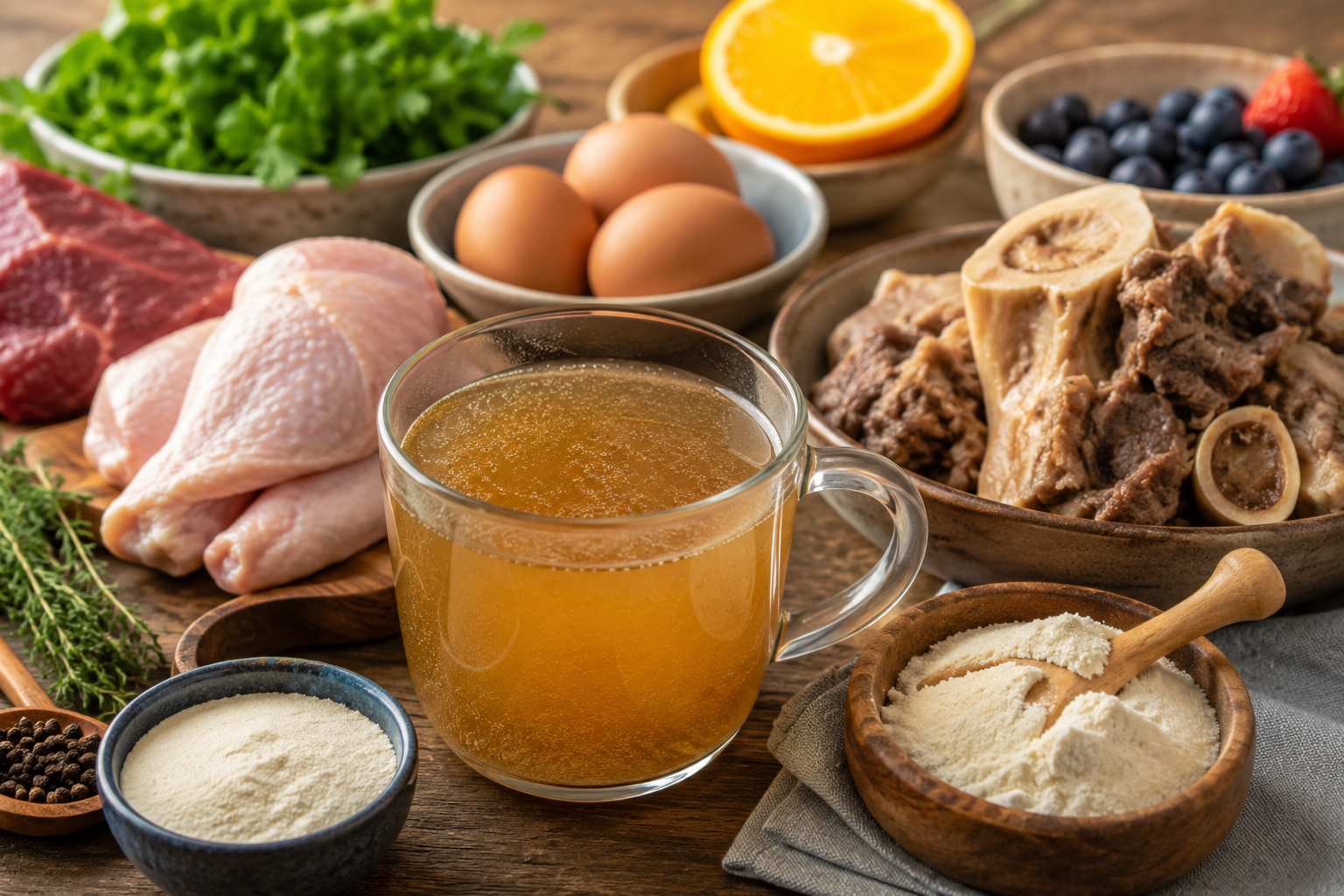
Collagen keeps your skin, joints, bones, and connective tissues strong, but production naturally slows with age. Discover the surprising glycine bottleneck, how collagen peptides work, and five practical ways to help your body build collagen naturally.
During nearly thirty years in practice, I've asked one simple question: Why do so many people still feel unwell despite having more health information than ever before? The answer may begin with one tiny wavelength of sunlight that modern life has quietly taken away. Discover how UVB, the skin, and your body's remarkable communication systems work together to influence health…
The Sunscreen Myth: Are You Really Protected From Sun Damage? For decades, we’ve been told that sunscreen is one of the most important things we can do to protect our skin. And while sunscreen certainly has a role, there’s a bigger conversation that many people never hear. The truth is this: Preventing a sunburn is not the same thing as…
A Science-Based, Practical Approach to Fasting for Better Health Intermittent fasting (IF) has become one of the most popular health strategies in the world — and for good reason. In my practice, I’ve seen how the proper use of fasting can support weight loss, metabolic health, and even long-term disease prevention. But it’s important to understand: intermittent fasting is not…
A Functional Medicine Approach to Restoring Deep, Restorative Sleep By Dr. Scott Sleep is still one of the great mysteries of human biology. Like gravity or the quantum field, we don’t fully understand why we sleep — but we absolutely know this: Sleep is one of the cornerstones of health. Most adults need 6–8 hours per night, and both too…
While dietary supplements cannot take the place of a healthy lifestyle, they can be used strategically to boost your health, especially in cases of deficiency. In the U.S., 57.6% of adults aged 20 and over, use supplements, with multivitamins, vitamin D and omega-3 fats representing the top three. Another survey put the percentage of Americans using supplements at 86%. So, it's…
Dr. Scott’s Favorite Supplements While dietary supplements cannot take the place of a healthy lifestyle, they can be used strategically to boost your health, especially in cases of deficiency. In the U.S., 57.6% of adults aged 20 and over, use supplements, with multivitamins, vitamin D and omega-3 fats representing the top three.1 Another survey put the percentage of Americans using supplements…
7 Budget-Savvy Tips for Practicing Yoga at Home While Self-Isolating Not being able to get to the yoga studio can put a real damper on your practice. Still, self-isolating is the best way to keep yourself, your family and your community healthy. So how can you strike a balance between staying inside and sticking to your yoga goals? Well you…
In the midst of the COVID-19 pandemic, we’ve received some questions from our community about what to do differently if you have an overactive or underactive immune system. First, I think it’s best to take a step back and ask, “How do you know you have an overactive or underactive immune system?” There are some situations that have a high…