Congratulations on completing Gluten University. Discover how functional medicine brings together gut health, nutrition, inflammation, and lifestyle to help you build lasting health one step at a time.
Read More

Why do some people feel better eating bread in Europe? Explore the differences in fermentation, processing, ingredients, and lifestyle that may influence digestion.
Read More

Gluten University Lesson #12 Gluten and Leaky Gut A healthy intestinal barrier allows nutrients to pass into the bloodstream while helping keep bacteria, toxins, and larger particles where they belong. Increased intestinal permeability, often called leaky gut, may allow unwanted substances to cross the intestinal barrier more easily. Why Intestinal Permeability Matters for Your Health Part of the Gluten University…
Read More

During nearly thirty years in practice, I've asked one simple question: Why do so many people still feel unwell despite having more health information than ever before? The answer may begin with one tiny wavelength of sunlight that modern life has quietly taken away. Discover how UVB, the skin, and your body's remarkable communication systems work together to influence health…
Read More
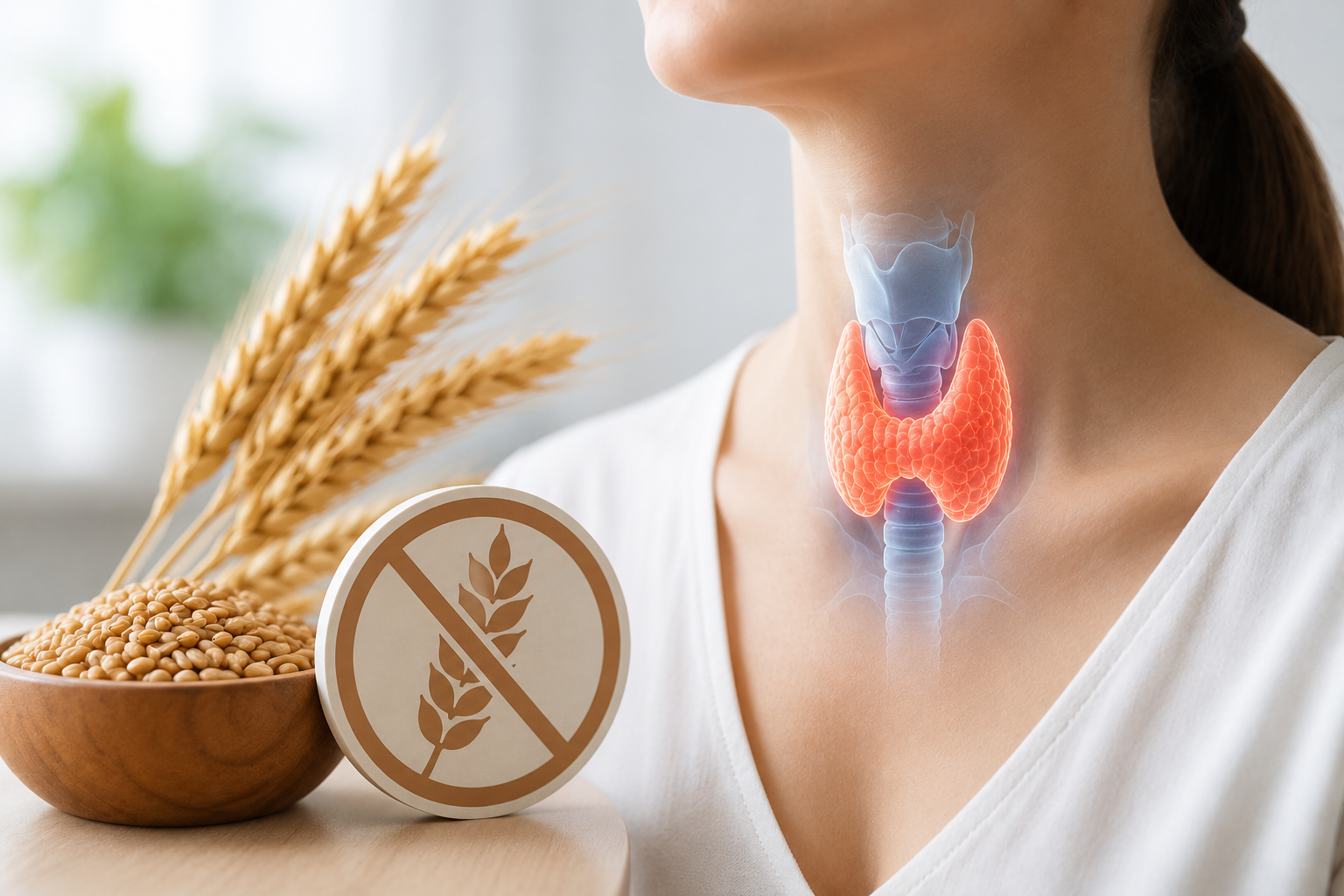
Hashimoto's thyroiditis and gluten are frequently discussed together. Learn why many practitioners recommend a structured gluten trial for thyroid patients.
Read More
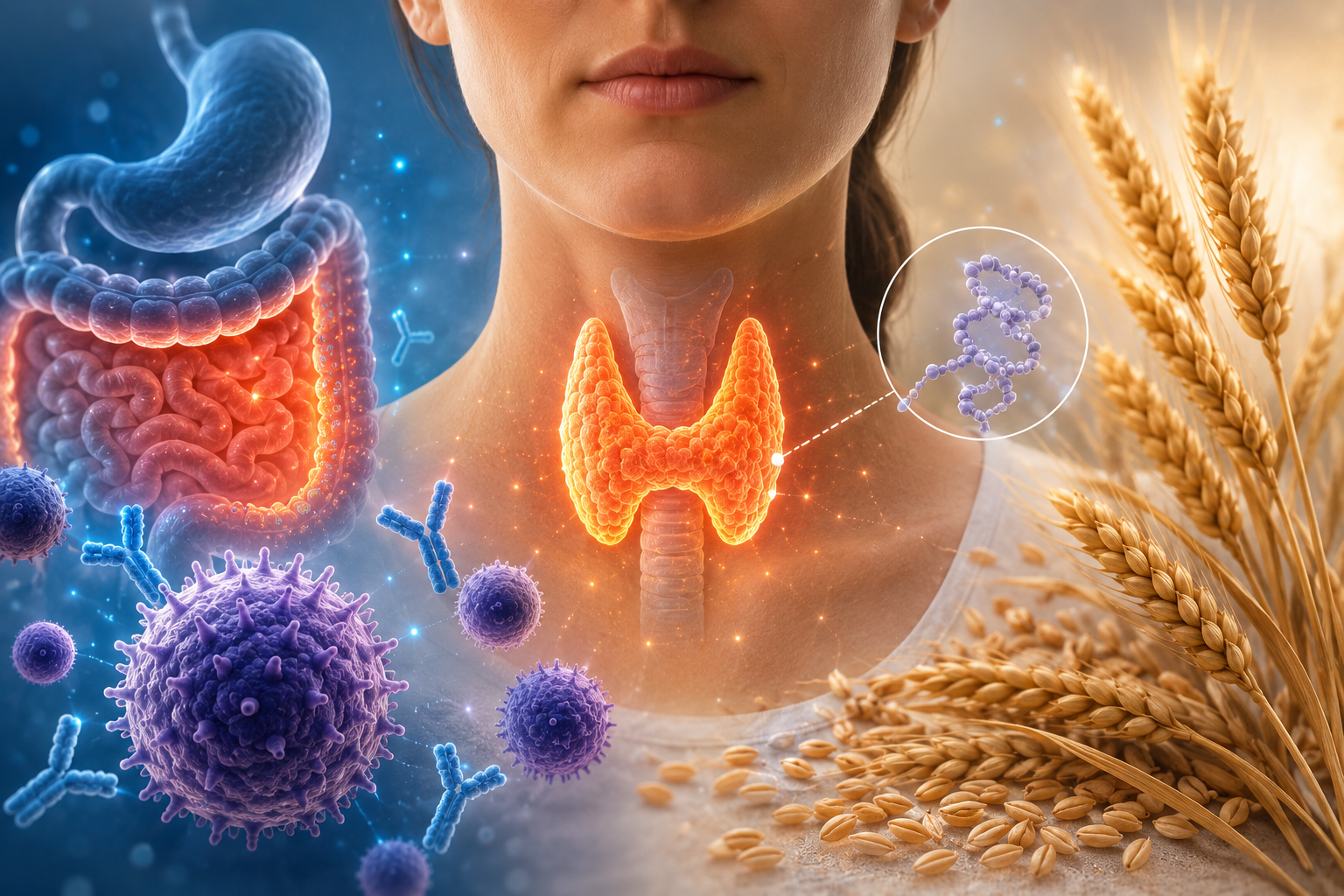
What is the connection between gluten and autoimmune disease? Learn about intestinal permeability, molecular mimicry, Hashimoto's thyroiditis, and why gluten is often explored in functional medicine.
Read More
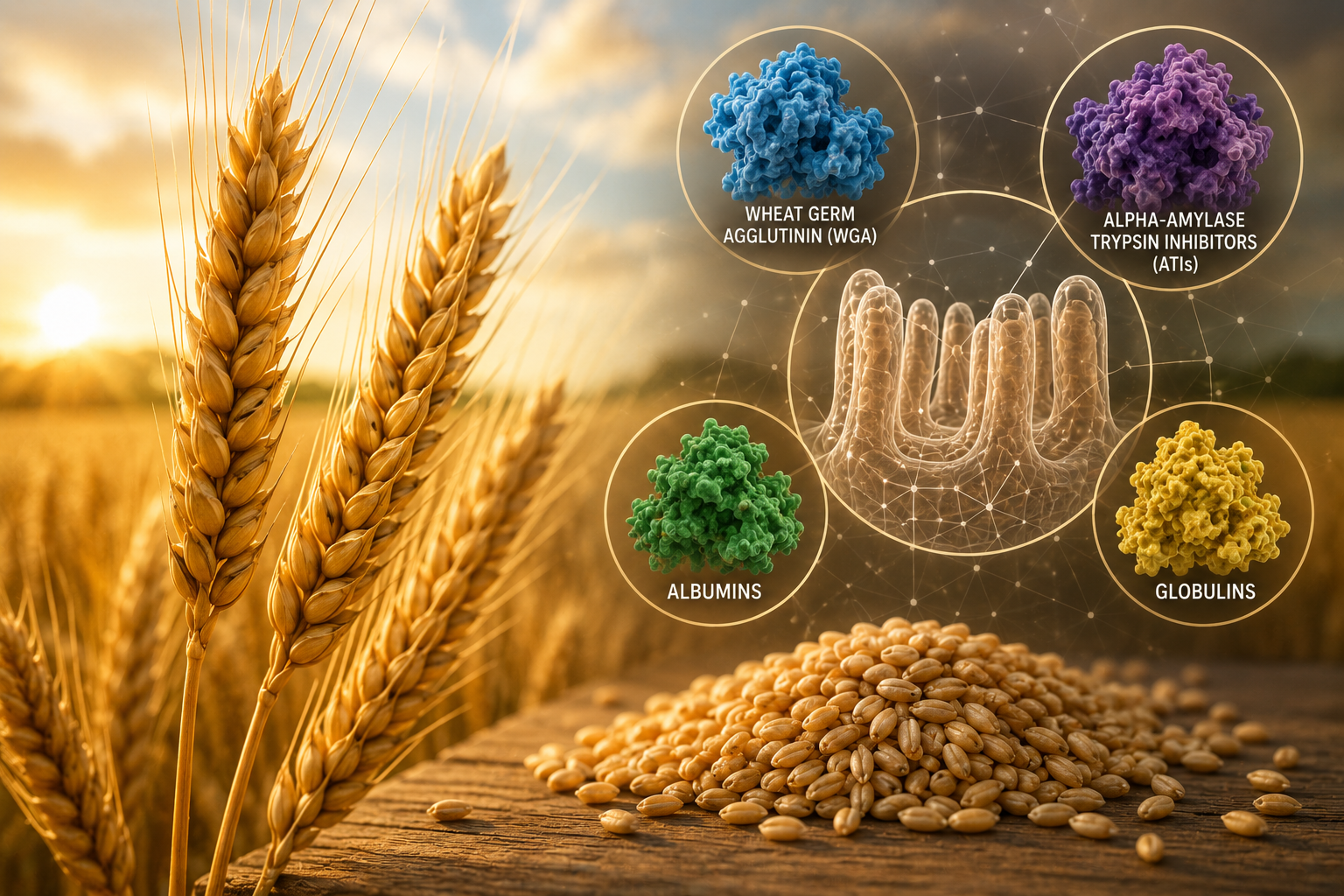
Most people focus on gluten, but wheat contains many other proteins. Discover the hidden compounds in wheat that may influence digestion, immune function, and overall health.
Read More
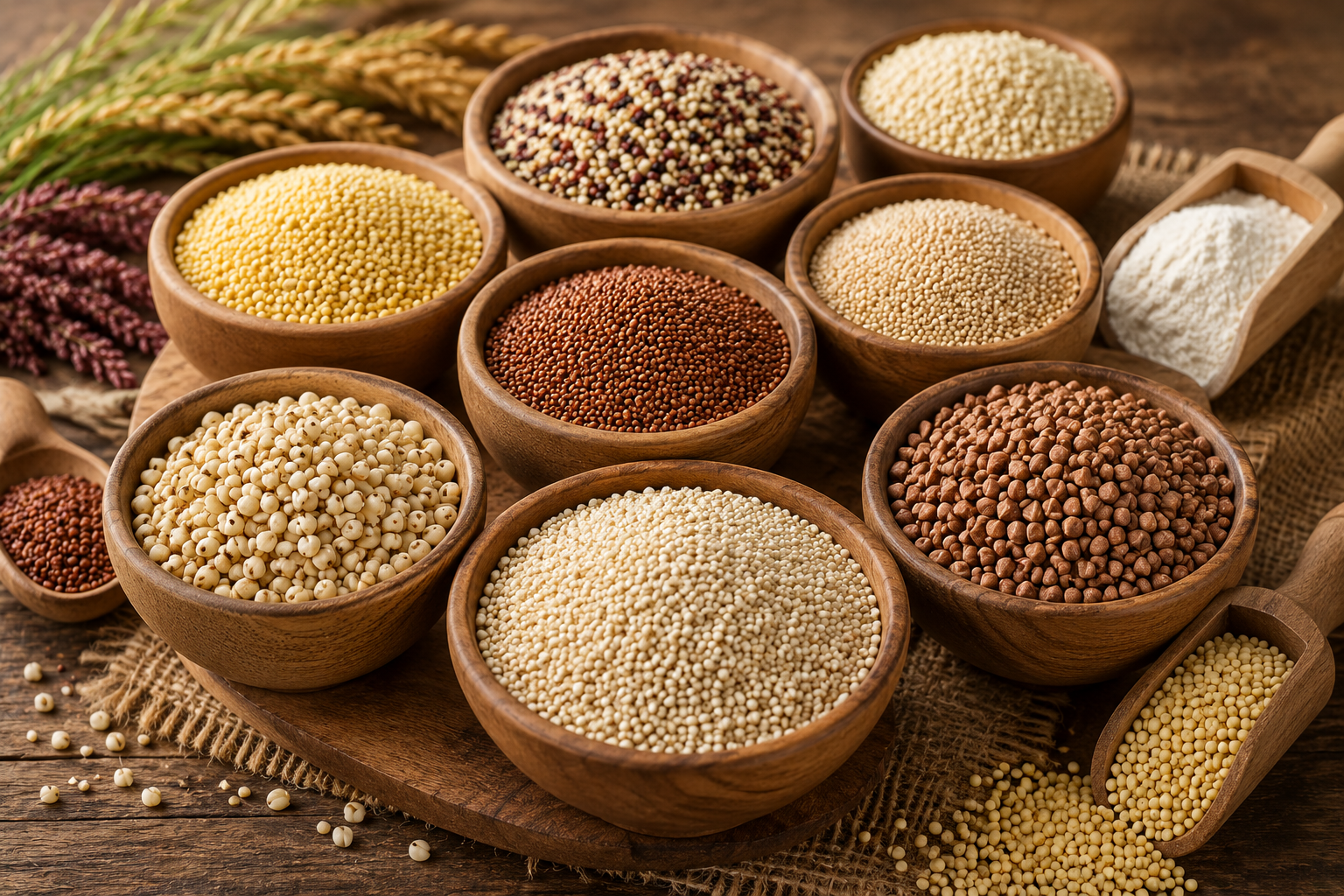
Many people replace wheat with quinoa, millet, sorghum, teff, buckwheat, cassava, and other gluten-free grains. Learn why no grain is perfect for everyone and why individual tolerance matters.
Read More
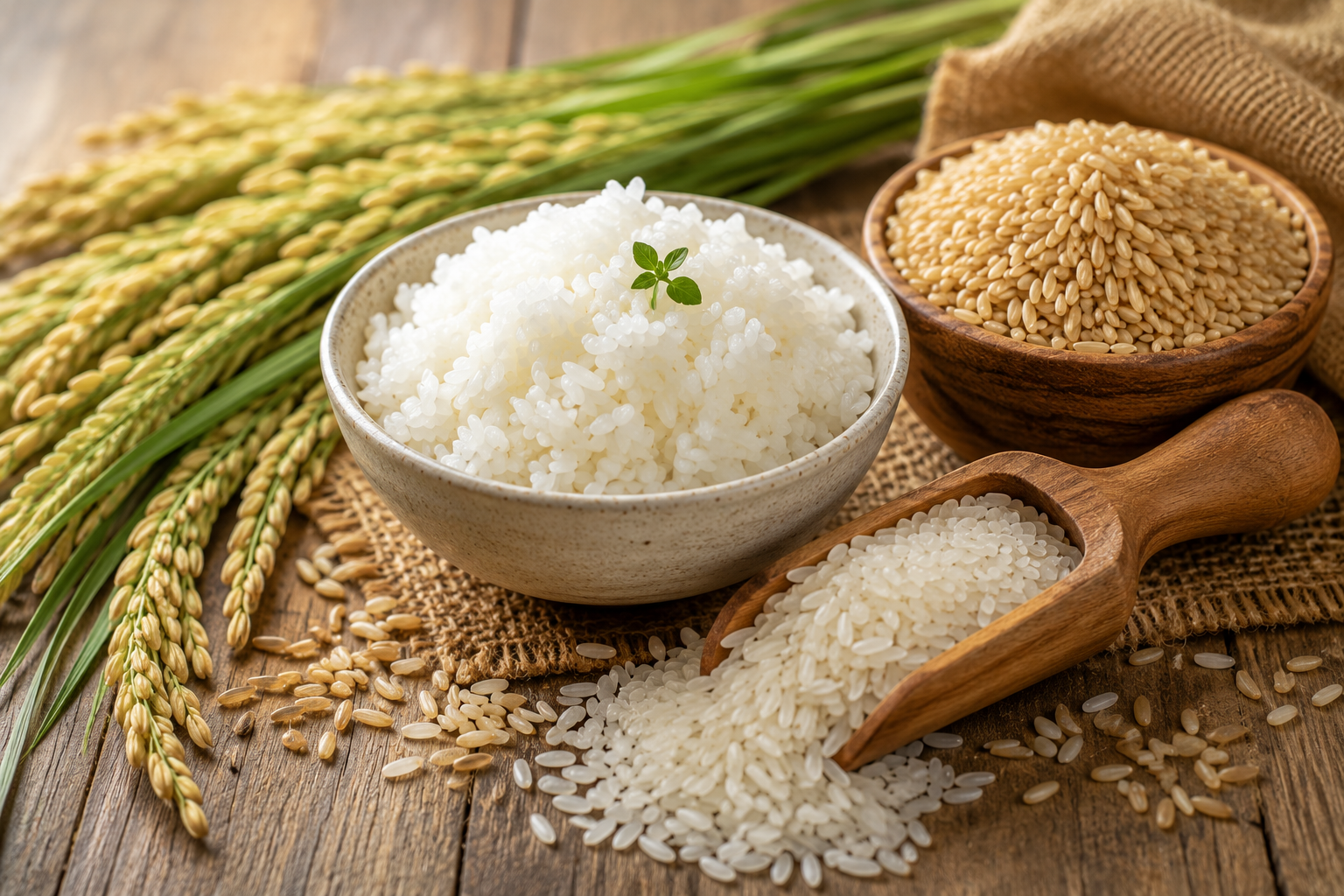
Rice is often viewed as the safest grain on a gluten-free diet. However, some individuals continue experiencing digestive symptoms, fatigue, brain fog, and inflammation despite relying heavily on rice-based foods.
Read More
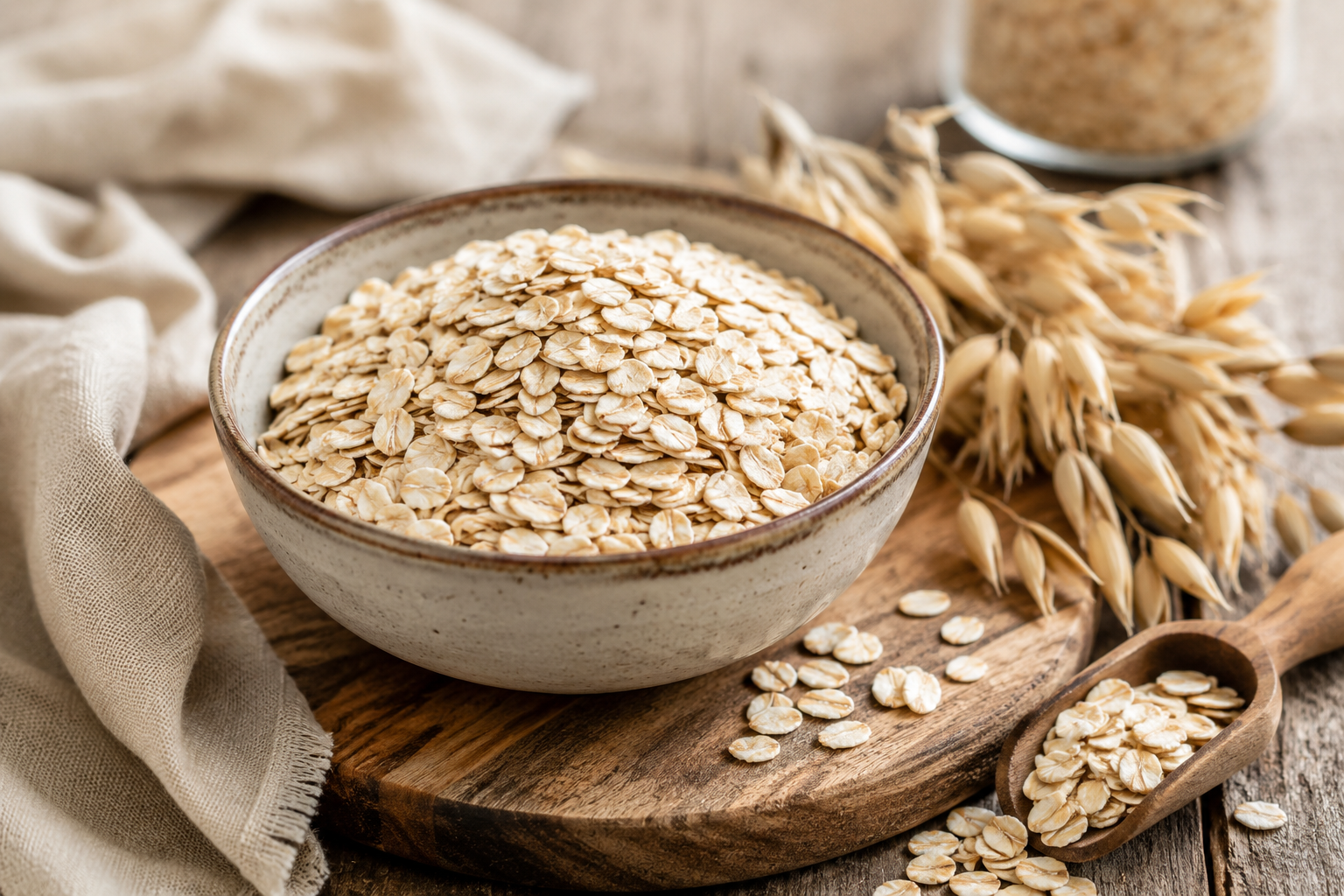
Oats are widely considered safe on a gluten-free diet, yet some individuals continue struggling with bloating, fatigue, brain fog, and inflammation despite consuming certified gluten-free oats. Learn why oats may deserve a closer look.
Read More